

Hydronic HVAC in Walland, TN
Hydronic HVAC in Walland, TN, truly offers a proven, comfortable, and incredibly efficient way to heat your home right here in the beautiful foothills of the Great Smoky Mountains. Instead of noisy forced air, hydronic systems use water as the heat transfer medium, delivering that steady, even warmth through radiant floors, classic baseboard radiators, or sleek radiant panels. For homeowners in Walland, where winters can bring those chilly, freezing nights and homes often boast open layouts, stunning stone floors, and that quintessential mountain-cabin construction, a properly designed hydronic system by Everest Air Heating and Cooling can dramatically improve your comfort, banish drafts, and significantly quiet your heating experience compared to forced-air systems. Everest Air Heating and Cooling brings its valuable local experience to installing, repairing, and maintaining these vital hydronic systems, ensuring they perform reliably for you season after season.
.avif)
Why hydronic heating makes sense in Walland homes
- Even heat distribution: Hydronic systems provide gentle, uniform warmth that eliminates cold spots common with ducted systems. This is particularly valuable in Walland homes with high ceilings, stone or tile floors, and multiple levels.
- Comfort on thermal mass floors: Many Walland homes use stone, tile, or concrete that retains cold. Radiant floor hydronic heating warms that mass directly, making floors comfortable underfoot and reducing the time it takes a room to feel warm.
- Quiet operation: No blower fan means near-silent heating, an advantage for restful nights and peaceful mountain living.
- Fuel flexibility and efficiency: Hydronic boilers can run on natural gas, propane, oil, or be combined with condensing boilers and indirect hot water heaters for higher efficiency. Condensing boilers, in particular, extract more heat from fuel by capturing latent heat from exhaust gases.
- Zoning and control: Hydronic systems are easily zoned with thermostats and zone valves or circulator pumps, giving precise control over different rooms or floors common in split-level or open-concept Walland homes.
- Integration with domestic hot water: Boilers can be paired with indirect water heaters, allowing efficient production of domestic hot water without separate heating equipment.
Common hydronic system types we service
- Radiant floor heating: Tubing embedded in concrete or installed in subfloor panels that heats surfaces evenly.
- Baseboard hydronic heating: Low-profile baseboard convectors that deliver consistent room heating and are easy to retrofit into many homes.
- Radiant wall or ceiling panels: Surface-mounted panels that radiate heat into living spaces for specialized applications.
- Boiler and indirect water heater systems: Boilers dedicated to space heating with an indirect tank for domestic hot water storage and delivery.
- Combination systems: Hybrid installations that link boilers with heat pumps, solar thermal, or wood boilers for supplemental heat or energy savings.
- Snowmelt systems: Hydronic tubing in driveways or walkways to melt snow and ice in winter, useful for steep or exposed properties.
Common hydronic issues in Walland, TN and what they mean
- Uneven heating or cold spots: Usually caused by air trapped in the system, improperly balanced zones, or failing zone valves. Radiant floors can show areas of cooler surface temperature when loops are obstructed or poorly installed.
- Noisy boiler or banging pipes: Often the result of improper water pressure, trapped air, or sediment and scale buildup in the boiler and piping. Mountain-area water mineral content can increase deposits over time.
- Low system pressure: A leak in the piping, faulty pressure relief valve, or an issue with the expansion tank can cause the system to lose pressure, resulting in poor circulation and reduced heating capacity.
- Circulator pump failure: Worn bearings, electrical issues, or clogged impellers reduce flow and lead to cold radiators or slower system response.
- Thermostat or control faults: Digital or wireless thermostats, aquastats, and relay controls can drift or fail, creating inconsistent comfort or short cycling.
- Leaks and corrosion: Older systems or connections exposed to fluctuating temperatures can develop leaks. Corrosion is accelerated when water chemistry is off or inhibitors are not used.
- Boiler short cycling or low efficiency: A boiler that turns on and off frequently wastes fuel and shortens component life. Causes include oversized equipment, improper control settings, or clogged heat exchangers.
- Poor domestic hot water performance: Problems in an indirect water heater loop or a failing heat exchanger can cause insufficient hot water or long recovery times.
How Everest Air diagnoses hydronic problems
A thorough diagnosis pinpoints the root cause rather than just treating symptoms. Everest Air Heating and Cooling follows a systematic process tailored to Walland homes:
- Visual system inspection
- Check for visible leaks, corroded fittings, and proper venting. Inspect exposed tubing, manifolds, and boiler room conditions.
- Pressure and expansion assessment
- Measure system pressure and examine the expansion tank and pressure relief valve for correct operation and sizing.
- Circulation evaluation
- Test circulator pumps and flow through loops or baseboard runs using differential temperature and flow checks.
- Water quality review
- Assess the presence of sediment, scale, or staining in the boiler, piping, and radiators. Water hardness or mineral content in East Tennessee can cause buildup over time.
- Combustion and efficiency testing
- For fuel-fired boilers, measure combustion efficiency and venting performance to identify losses or unsafe conditions.
- Control and thermostat diagnosis
- Verify thermostat calibration, aquastat settings, and zoning control logic. Check for wiring faults and controller errors.
- Thermal imaging and surface checks
- When working with radiant floors, use thermal imaging to find cold spots or improper loop performance without invasive work.
This method ensures that repairs and replacements solve the underlying issue while maximizing safety and efficiency.
Installation and replacement: what to expect
When installing a new hydronic system or replacing an aging boiler in Walland, the process focuses on performance, durability, and matching system design to home needs.
- Load calculation and system design
- A proper heat load calculation determines boiler size and zoning. Oversized boilers short cycle and undersized ones cannot keep up on the coldest nights. Design also accounts for insulation levels, window heat loss, floor materials, and the unique thermal characteristics of mountain homes.
- Equipment selection
- Choose from condensing boilers for high efficiency, modulating burners for better temperature control, or hybrid configurations that integrate renewable sources. Indirect water heaters are selected to meet household hot water demand and recovery time preferences.
- Radiant installation best practices
- For new construction, hydronic tubing is embedded in slab or installed in subfloor panels. For retrofits, tubing can be installed in thin-slab systems or mounted under floors where practical. Proper loop lengths, spacing, and manifold placement are critical for even heat.
- Venting, combustion, and code compliance
- Walland installations follow local code for venting, combustion air, and clearances. Chimney liners, sealed combustion options, and proper flue sizing are all evaluated for safe operation.
- Commissioning and balancing
- After installation, each zone is circulated and balanced to ensure even flow and temperature. Controls are programmed for setback schedules and efficient operation.
- Documentation and homeowner orientation
- Systems are documented with simple manuals: zone names, thermostat locations, routine maintenance intervals, and safe operating limits.
Repair and retrofit solutions commonly provided
- Boiler repairs and component replacement
- Replacing pumps, burners, sensors, valves, heat exchangers, circulators, and controls restores reliable performance without full system replacement when feasible.
- System flushing and water treatment
- Power flushing, chemical cleaning, and adding corrosion inhibitors improve heat transfer and extend component life. Addressing water quality prevents recurring issues with scale and rust.
- Zone valve and manifold service
- Repairing or replacing failed zone valves, thermostatic actuators, or manifolds restores zoning control and prevents wasted energy.
- Expansion tank and pressure relief servicing
- Replacing or recharging expansion tanks and testing relief valves maintains safe system pressure and prevents stress on components.
- Radiant floor repairs
- Locating and repairing damaged tubing, fixing manifolds, and rebalancing loops ensures continued radiant performance. For older systems, upgrades to manifolds and control groups improve reliability.
- Converting or integrating systems
- Upgrading older non-condensing boilers to condensing models, or integrating an indirect water heater, improves efficiency and often reduces fuel consumption.
Energy and cost considerations for Walland homeowners
Hydronic systems tend to be more comfortable and can be more efficient than forced-air systems when designed and maintained properly.
- Reduced distribution losses: Hydronic piping loses less heat in distribution compared with ductwork that can leak or be poorly insulated in crawl spaces or attics common to many homes in the area.
- Increased efficiency with condensing boilers: Condensing boilers can increase fuel efficiency by capturing heat from exhaust gases. This is particularly effective when return water temperatures are lower, as in well-designed radiant floors.
- Zoned control reduces wasted heating: By heating only the rooms in use, hydronic systems avoid warming unused spaces in second homes or seasonal cabins near Walland.
- Longevity with proper maintenance: Boilers and hydronic components can have long service lives when regularly maintained, making lifecycle cost favorable in the long term.
Local weather patterns and construction in Walland also influence system choice. Homes that experience persistent cold nights and fluctuating daytime temperatures benefit from the thermal inertia of radiant floors. At the same time, older mountain homes with limited space for ductwork may find hydronic retrofits cleaner and less invasive.
Preventive maintenance and the Y.E.T.I Comfort Plan for hydronic systems
Regular service is essential to keep hydronic systems safe, efficient, and dependable. Everest Air Heating and Cooling offers structured maintenance options that align with the Y.E.T.I Comfort Plan concept to protect homeowners from unexpected failures and to preserve system longevity. Typical maintenance activities for hydronic systems include:
- Annual boiler Tune-Up
- Combustion analysis, burner cleaning, and safety inspection to make sure the boiler runs efficiently and safely.
- System flushing and inhibitor checks
- Test and replenish corrosion inhibitors as needed and remove sediment to prevent heat exchanger damage and pump stress.
- Circulator pump inspection and lubrication
- Verify pump operation, electrical condition, and replace failing pumps before they cause system downtime.
- Pressure and expansion checks
- Inspect expansion tanks, pressure relief valves, and system pressure to catch leaks or pressure loss early.
- Zone and control verification
- Test thermostats, zone valves, and manifold operation for correct sequence and responsiveness.
- Heat exchanger and venting inspection
- Ensure proper venting and inspect heat exchangers for signs of wear or cracking that could pose safety risks.
With consistent preventive maintenance, common problems such as air in the system, scale buildup, and short cycling are minimized. For Walland homes, winter preparedness checks are particularly valuable to avoid freeze issues and to verify safe operation before cold spells.
Troubleshooting tips every homeowner should know
- If you notice cold spots on radiant floors or baseboards, first check the thermostat and zone settings. If settings are correct, trapped air or a failed circulator pump could be the cause.
- Persistent noise from pipes or the boiler often indicates air in the system or a failing pump. Bleeding radiators or purging loops can restore quiet operation.
- Low or fluctuating system pressure typically points to a leak, a faulty pressure relief valve, or an expansion tank problem. Monitor pressure gauges and call a technician if pressure does not stabilize.
- Yellow or irregular boiler flames signal combustion problems or lack of sufficient air. This condition requires immediate professional attention for safety and efficiency.
- Slow recovery of domestic hot water suggests issues with the indirect tank, dip tube, or boiler controls. Checking the indirect tank settings and circulation loop is a first step.
These steps help homeowners identify issues early, but professional diagnostics are recommended for safe and lasting repairs.
Safety and code compliance
Boilers and hydronic systems must meet safety and local code requirements. Everest Air Heating and Cooling follows all applicable regulations for venting, combustion air, pressure relief, and electrical wiring. Proper installation reduces carbon monoxide risk, ensures safe venting, and maintains combustion efficiency. In Walland, where many homes are surrounded by dense trees and may have limited access for exterior combustion air, attention to venting and fresh air intake is critical.
Choosing the right system: replacement vs repair
Deciding whether to repair or replace comes down to system age, repair history, efficiency, and long-term goals.
- Repair when:
- The boiler is relatively new, repairs are infrequent and reasonable in scope, and efficiency remains acceptable.
- Problems are isolated to replaceable components like pumps, valves, or controls.
- Replace when:
- The boiler is beyond its expected service life, requires frequent costly repairs, or fails efficiency metrics.
- You want to upgrade to a condensing boiler, integrate an indirect water heater, or add zoning and smart controls for energy savings.
Everest Air Heating and Cooling evaluates equipment condition, expected remaining life, and performance to provide clear, experience-based guidance so homeowners can make informed decisions.
Long-term benefits of professional hydronic care
- Consistent, comfortable indoor temperatures with fewer cold spots.
- Extended equipment life and fewer emergency repairs.
- Improved energy efficiency and possibly lower fuel bills when systems are properly sized and maintained.
- Quieter home environment and better indoor air quality due to reduced reliance on ducted air movement.
- Predictable budgeting through planned maintenance and service agreements.
Everest Air Heating and Cooling brings local knowledge of Walland building types and climate conditions to tailor hydronic solutions that balance comfort, efficiency, and reliability.
FAQs
Q: What is hydronic heating and how does it differ from forced-air heating?
A: Hydronic heating uses water heated by a boiler to circulate through pipes to radiators, baseboards, or floor loops, delivering heat via radiation and convection.1 Forced-air heating moves warm air through ducts with a blower.2 Hydronic systems provide more even temperatures, less noise, and fewer airborne dust issues.3
Q: How long do hydronic boilers typically last?
A: With regular maintenance, hydronic boilers can last 15 to 30 years depending on fuel type, installation quality, and water chemistry management. Condensing boilers and well-maintained units often reach the higher end of that range.
Q: Can hydronic systems be used for cooling as well?
A: Hydronic systems are primarily for heating.4 However, some hybrid systems use chilled water for radiant cooling or fan coil units for cooling, but those require specialized design to manage condensation and humidity.5
Q: Will a hydronic system work with my existing hot water heater?
A: Yes. Boilers can be integrated with an indirect water heater to provide domestic hot water more efficiently than standalone electric or tank-style heaters.6 This integration uses boiler heat to store hot water in a dedicated tank.
Q: What maintenance does a hydronic system need?
A: Annual boiler Tune-Ups, system flushing when needed, inhibitor checks, pump inspections, pressure and expansion tank testing, and control/zone checks are standard. Regular maintenance prevents common issues and extends system life.7
Q: How do I know if my boiler is oversized or undersized?
A: An oversized boiler short cycles and wastes fuel; an undersized boiler struggles during cold weather.8 A load calculation performed by a qualified technician evaluates your home’s heat loss and determines the proper boiler size.9
Q: Are radiant floors suitable for retrofit projects in existing Walland homes?
A: Retrofitting radiant floors is possible with thin-slab systems, overlay panels, or mounted radiant panels, depending on floor construction and clearance. A site evaluation determines the best retrofit approach with minimal disruption.
Q: What causes a hydronic system to lose pressure?
A: Common causes include leaks in the piping, a defective pressure relief valve, or an issue with the expansion tank.10 Regular checks of pressure readings can reveal slow pressure loss before major damage occurs.
Q: Does hydronic heating improve indoor air quality?
A: Yes. Because hydronic systems do not rely on air handlers and ductwork to distribute heat, they reduce the circulation of dust and allergens, which can improve indoor air quality for sensitive occupants.11
Q: Can hydronic systems be zoned for different temperatures in each room?
A: Yes. Zoning is a core advantage of hydronic systems.12 Zone valves or multiple circulator pumps controlled by thermostats allow precise temperature control in individual rooms or areas.
Q: What should I expect from a professional hydronic service visit?
A: A professional service includes a safety inspection, pressure and expansion checks, combustion and vent inspections for fuel-fired boilers, circulator pump testing, bleeding of air from the system if needed, and review of controls and thermostats.
Everest Air Heating and Cooling provides experienced hydronic HVAC services tailored to Walland homes, focusing on practical solutions, system longevity, and reliable comfort suited to life in the foothills of the Smoky Mountains.
hear what our satisfied clients have to say

David P.
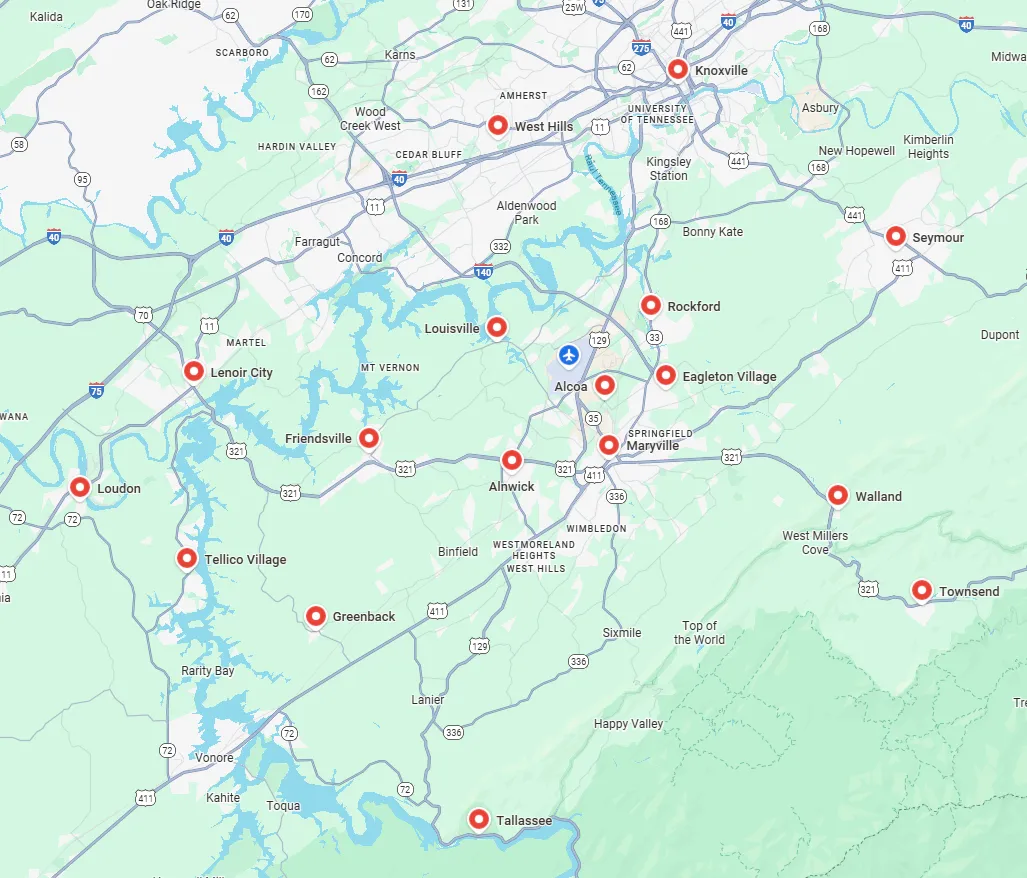
Service areas