

Commercial HVAC in Alcoa, TN
Commercial HVAC Solutions for Alcoa, TN Businesses
For businesses in Alcoa, TN, reliable indoor climate control isn't just a comfort; it's essential for keeping your team productive, customers happy, and operations running smoothly and up to code. Given Alcoa's humid summers, cool winters, and growing commercial landscape, your commercial HVAC system needs to be robust. That's why Everest Air Heating and Cooling specializes in solutions designed to handle high cooling demands, manage moisture effectively, and offer scalable capacity for everything from warehouses and retail spaces to offices, restaurants, and manufacturing facilities. We ensure your system is perfectly suited to your business needs, giving you peace of mind.
Common commercial HVAC systems and applications in Alcoa
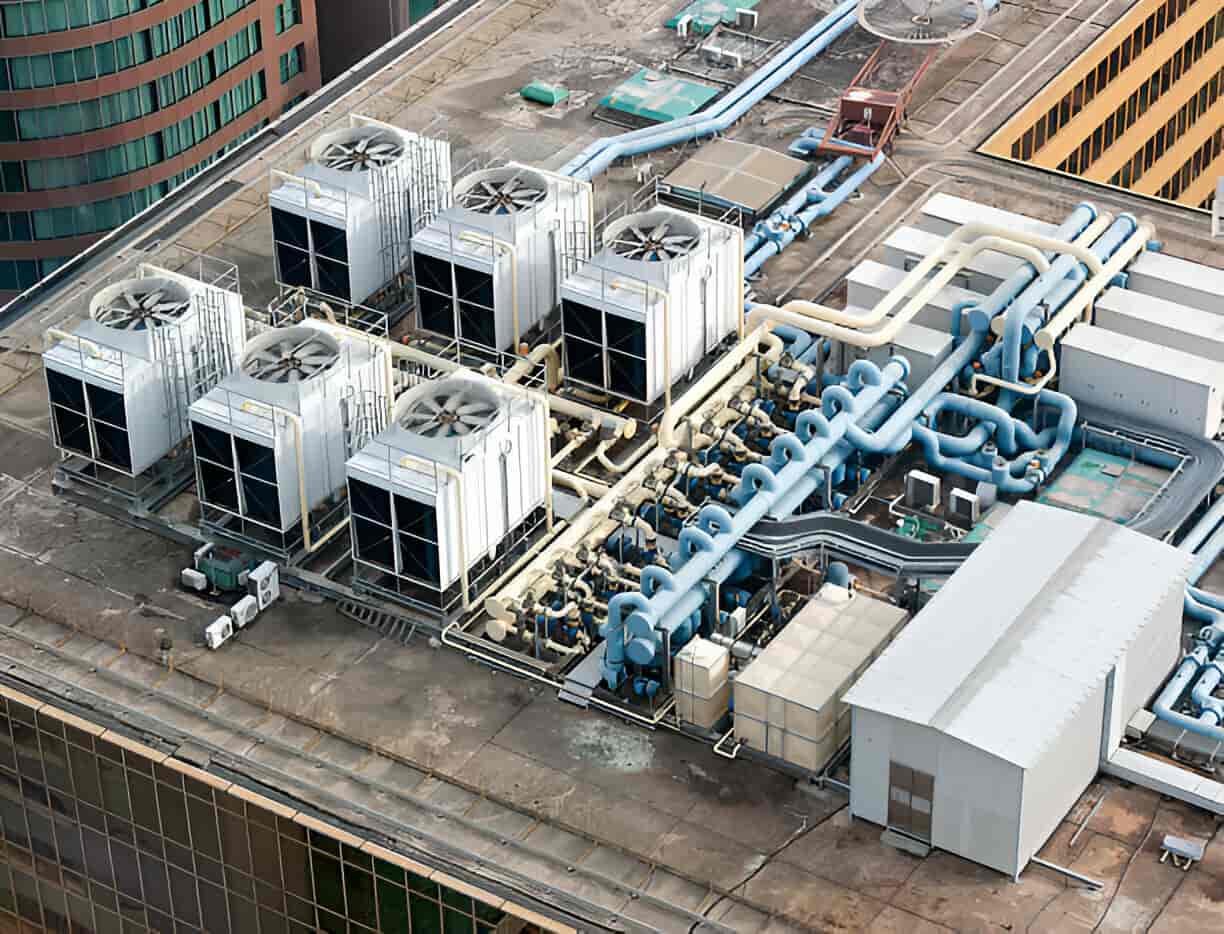
- Rooftop packaged units (RTUs): The most common choice for strip centers, big-box stores, and light industrial buildings. RTUs consolidate compressors, condensers, and air handlers into a single rooftop package for easier service access and minimized interior footprint.
- Packaged rooftop split systems: Useful where rooftop space is limited or when weight constraints require modular components.
- Large-capacity split systems and chillers: For multi-zone office buildings and manufacturing, chilled-water systems and modular chillers provide efficient central cooling with superior humidity control.
- Heat pumps and commercial boilers: Heating options that vary by building type; heat pumps are increasingly viable for Alcoa’s moderate winters, while boilers remain common in process applications.
- Variable refrigerant flow (VRF) and ductless solutions: Best for tenant fit-outs, historic buildings, or spaces needing flexible zoning without major ductwork renovations.
- Kitchen exhaust and makeup air systems: Critical for restaurants and food service operations to meet ventilation and grease control codes.
Common commercial HVAC issues in Alcoa and their causes
- High humidity and condensation problems: Alcoa’s summer dew points can overload systems that are undersized or improperly commissioned, leading to complaints and equipment strain.
- Frequent short cycling and uneven zones: Poorly sized equipment, inadequate controls, or imbalanced ductwork cause uneven comfort and premature component wear.
- Rooftop unit corrosion and leaks: Salt-free but humid air accelerates corrosion on poorly coated rooftop units and panels, increasing service needs.
- Code and permit noncompliance: Commercial projects must meet local mechanical codes, ventilation standards, and often Tennessee energy codes; lack of compliance can delay occupancy or trigger fines.
- Downtime risk for mission-critical facilities: Manufacturing lines, data rooms, and medical spaces can suffer costly interruptions without redundancy or emergency plans.
How commercial HVAC work is scoped and diagnosed
- Detailed site survey and load calculations: A professional evaluation includes ASHRAE-based heating and cooling load calculations, review of occupancy patterns, and assessment of ventilation and IAQ needs specific to Alcoa’s climate.
- Infrastructure and roof assessment: For rooftop systems, structural capacity, curb conditions, and rooftop access are inspected to ensure safe installation and longevity.
- Ductwork, controls, and electrical review: Technicians evaluate existing duct leakage, zoning controls, conduit and panel capacity, and integration needs with building automation systems.
- Regulatory review: Project scoping includes checking local building department requirements, ventilation rates, and any industry-specific code needs (kitchens, healthcare, education).
Installation, replacement, and commissioning process
- Selection and configuration: System selection balances capacity, efficiency, redundancy, and lifecycle cost. For commercial properties, staging large-capacity units with lead-lag configurations reduces operational risk.
- Professional installation: Includes precise ductwork connections, curb adaptations, proper condensate handling, and vibration isolation for rooftop equipment.
- Commercial controls integration: Modern installations integrate programmable thermostats, economizers, and building automation systems (BAS) to enable scheduling, remote monitoring, and demand-response participation.
- Commissioning and balancing: After installation, systems are commissioned and airflow is balanced to ensure each zone meets design conditions, control sequences are validated, and documentation is provided for operations staff.
Preventative maintenance agreements for Alcoa businesses
- Planned seasonal Tune-Ups: Scheduled spring and fall inspections catch refrigerant leaks, belt wear, lubrication needs, and control calibration issues before they lead to failure.
- Priority emergency response and emergency service plans: Maintenance agreements can include defined response windows, priority dispatch, and parts stocking strategies to minimize downtime for critical operations.
- Detailed reporting and asset management: Recurring service includes inspection reports, recommended replacements, and lifecycle forecasting so building managers can budget for capital projects.
- Efficiency and safety checks: Regular maintenance maintains heat-exchanger integrity, checks combustion safety in gas equipment, tests economizers for proper operation, and keeps indoor air quality systems functioning.
Energy-management and cost-control options
- Controls and scheduling: Commercial controls reduce runtime during unoccupied hours, implement setback/setforward strategies, and coordinate HVAC with lighting and plug loads for whole-building savings.
- Variable speed drives and zoning upgrades: Upgrading to VFD compressors and fan controls lowers part-load energy use and improves comfort.
- Energy-recovery ventilators (ERV/HRV): In humid climates, ERVs help manage ventilation without excessive conditioning loads, improving IAQ and reducing energy consumption.
- Retro-commissioning and monitoring: Implementing real-time monitoring and performance analytics reveals inefficiencies, refrigerant losses, and control faults early, delivering measurable ROI in utility cost reductions.
- Utility incentive alignment: Many regional utilities and programs offer incentives for high-efficiency upgrades; incorporating these into project planning improves payback.
Typical commercial projects in Alcoa and system considerations
- Retail centers: prioritize rooftop RTUs with economizers and zoning for individual tenant spaces.
- Office parks and professional suites: benefit from VRF systems or chilled-water plants with BAS for occupant comfort and energy reporting.
- Restaurants and food service: require specialized makeup air, grease exhaust systems, and robust rooftop or packaged units sized for high latent loads.
- Light industrial and warehouses: need durable packaged units, ductless spot cooling for workstations, and attention to dust and process ventilation.
- Schools and municipal buildings: demand reliable systems, redundancy, and strict adherence to ventilation and IAQ standards.
Long-term benefits of professional commercial HVAC solutions
- Reduced downtime and lower lifecycle cost: Right-sized systems, proper commissioning, and preventative maintenance extend equipment life and reduce emergency replacements.
- Improved comfort and productivity: Stable temperatures and humidity control improve occupant satisfaction and protect sensitive equipment or inventory.
- Regulatory compliance and safer operation: Proper permitting, code-compliant ventilation, and documented testing protect building owners during inspections and turnover.
- Measurable energy savings: Controls, VFDs, and monitoring programs translate into predictable utility savings and better budgeting.
Choosing the appropriate commercial HVAC approach in Alcoa, TN means matching system type, controls, and maintenance strategy to local climate demands, building use, and long-term operational goals. A thorough site assessment, code-aware design, and a structured maintenance agreement are the foundation for reliable, efficient commercial comfort and uninterrupted business operations.
hear what our satisfied clients have to say

David P.
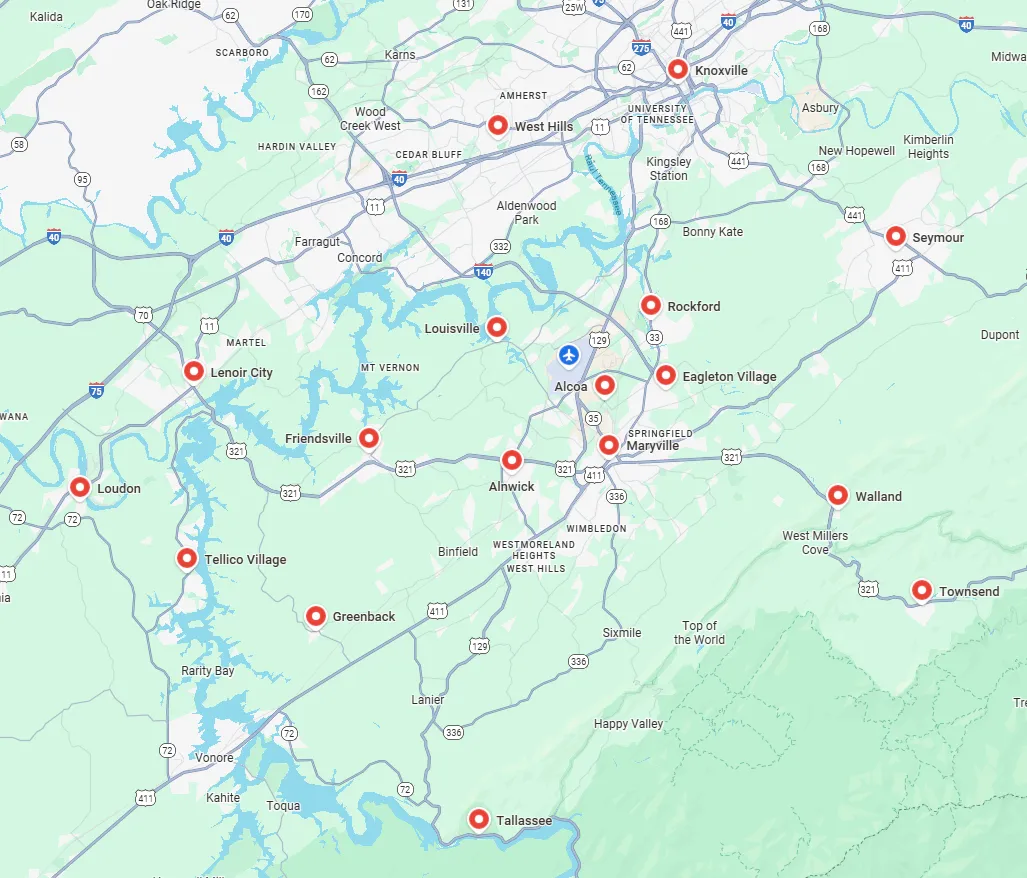
Service areas