

Heat Pump Repair in Alcoa, TN
Heat Pump Repair in Alcoa, TN
When your heat pump struggles, your indoor comfort can drop fast. For homes in Alcoa, TN, the combination of humid summers and chilly winter nights puts extra demand on these systems. That's why timely, accurate repair from a trusted team like Everest Air Heating and Cooling is crucial for keeping energy bills down and your comfort steady. We're here to walk you through exactly how professional heat pump repair works, what problems are most common in our area, how Everest Air Heating and Cooling handles diagnostics and repairs, what you can expect regarding parts and labor, and some straightforward troubleshooting you might try before needing a service visit.
Why timely heat pump repair matters in Alcoa, TN
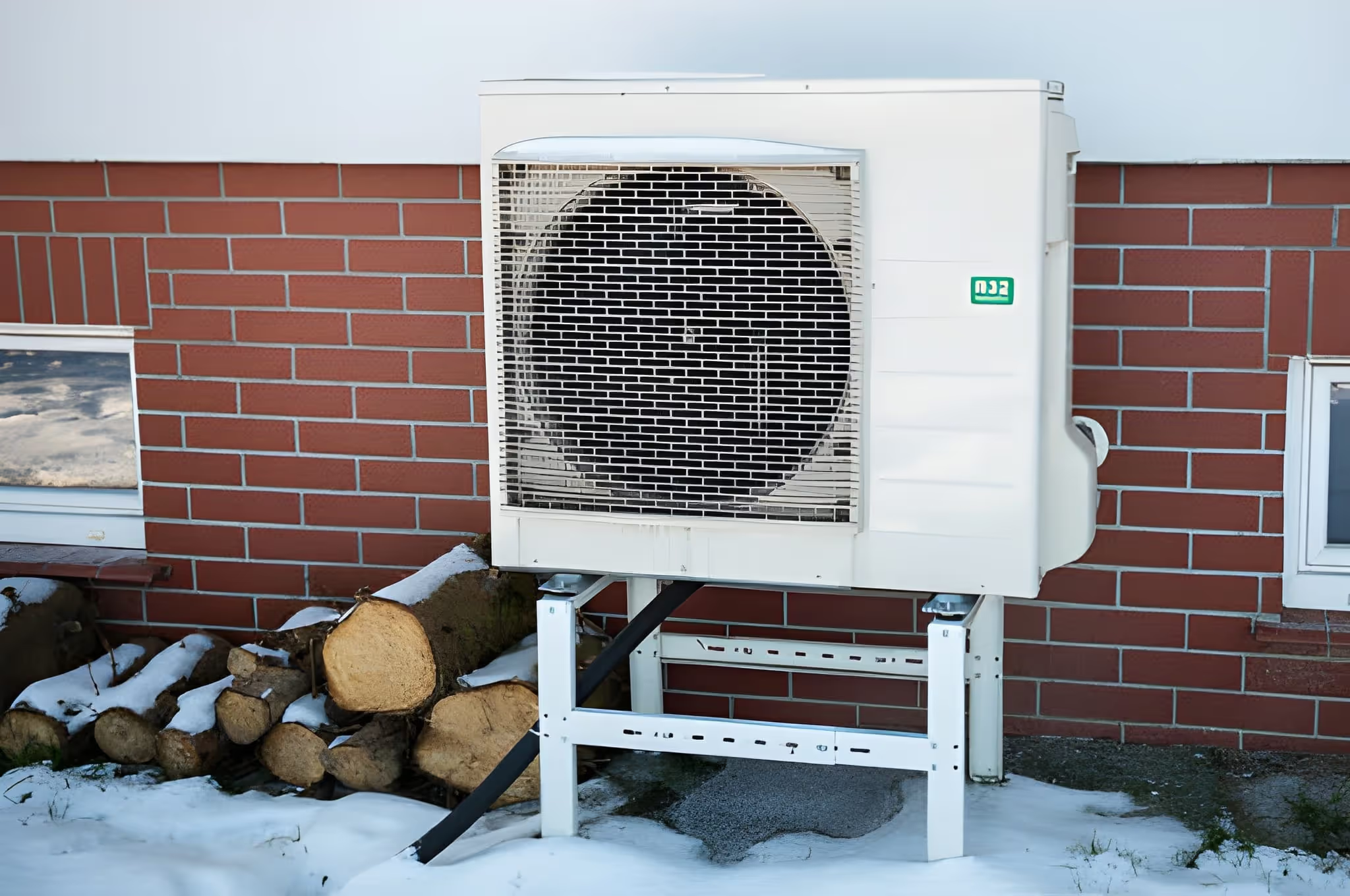
Alcoa’s seasonal swings and humid summers mean heat pumps cycle frequently to balance temperature and humidity. That increased run-time accelerates wear on components like compressors, fans, and reversing valves. Delaying repairs can lead to reduced efficiency, higher energy costs, frozen coils, or complete system failure when you need it most. Early diagnosis preserves system life and restores reliable comfort.
Common heat pump issues in Alcoa, TN
Homeowners in Alcoa most often report these problems:
- No heating or cooling: System runs but does not move heat effectively.
- Compressor failures: Unit hums or trips breakers, won’t start, or runs but fails to pump refrigerant.
- Outdoor fan motor or condenser fan issues: Fan not spinning, noisy operation, or intermittent function.
- Refrigerant leaks: Low refrigerant levels causing poor performance and ice on lines or coils.
- Reversing valve faults: Heat pump won’t switch between heating and cooling properly or gets stuck in one mode.
- Control board and sensor problems: Faulty thermostats, defrost sensors, or control relays causing erratic operation.
- Frequent short cycling: Rapid on/off cycles that increase wear and reduce efficiency.
- Icing or defrost cycle failures: Ice buildup on the outdoor coil in winter or failure to enter defrost mode.
Diagnostic steps: what a tech will check
A thorough repair begins with a methodical diagnostic process to pinpoint root causes rather than just symptoms:
- Visual inspection of outdoor and indoor units for debris, rodent damage, or oil stains.
- Verify thermostat settings, power supply, breakers, and disconnect switches.
- Measure refrigerant pressures and temperatures to detect leaks or undercharge.
- Test compressor and fan motor start/run circuits and electrical components.
- Inspect reversing valve operation and defrost cycle functionality.
- Check control board diagnostics and sensor voltages to find intermittent faults.
- Perform airflow checks and inspect filters, ductwork, and coil condition.
Technicians will explain findings in plain language, list required repairs, and outline options for repair versus replacement based on age and condition.
Repairs and solutions explained
- Compressor repair/replacement: Small compressors may be replaced, but in older systems a compressor swap can be limited by matching the correct refrigerant type and controls. Technicians will evaluate whether a compressor repair is cost-effective or if system replacement is recommended.
- Fan motor and condenser repairs: Fan motors, capacitors, and fan blades are common and typically repairable on-site. Replacing worn bearings or motors restores airflow and prevents overheating.
- Refrigerant leak repair: Locating and repairing leaks, evacuating, recharging, and pressure-testing the refrigerant circuit is done to manufacturer and EPA standards. Refrigerant type compatibility is verified.
- Reversing valve service: Valve replacement or servicing addresses stuck or leaking reversing valves that prevent mode change. Proper valve operation is critical for seasonal switching.
- Control and sensor fixes: Replacing thermostats, sensors, relays, and control boards resolves many intermittent problems and restores accurate system control.
- Defrost and safety system repairs: Repairing defrost thermostats, sensors, or controls eliminates persistent icing and improves winter performance.
Emergency and same-day response
Heat pump failures can be urgent during extreme temperatures. Emergency and same-day repair options prioritize safety and temporary solutions—like running auxiliary heat or providing temporary heating, while diagnosing and securing the system. Expect technicians to stabilize the home and present clear next steps for full repair.
Parts and labor policies, and transparent pricing
Professional repair services typically follow clear policies:
- Use of OEM or equivalent quality replacement parts to ensure compatibility and longevity.
- A written estimate before work begins that includes parts, labor, and tax where applicable.
- Pricing structures often combine a diagnostic fee with either itemized labor rates or flat-rate repair categories (for example: minor electrical repairs, compressor/fan replacements, refrigerant system work). These flat-rate categories make it easier to understand likely costs without surprises.
- Transparent authorization process for any work that exceeds the estimate or requires additional parts.
Expect an explanation of whether repairs are charged as time-and-materials or via a flat-rate category appropriate to the repair’s complexity.
Technician qualifications and standards
Qualified technicians for heat pump repair should have:
- EPA refrigerant handling certification and up-to-date training on refrigerant regulations.
- Formal HVAC training and field experience with heat pump systems and reversing valves.
- Familiarity with major brands and variable-speed compressor technology.
- Use of diagnostic tools: refrigerant gauges, superheat/subcooling measurements, multimeters, and infrared thermometers.
- Clear documentation practices and safety protocols when working inside and outside the home.
Warranty on repairs
Reputable repair providers back work with a written parts and labor warranty. Warranties typically cover replaced parts and the labor to install them for a defined period and may vary by part type. Always request the warranty terms in writing and keep receipts and documentation for future reference.
Troubleshooting tips for homeowners (safe, first-step checks)
Before scheduling a service call, you can check:
- Confirm thermostat mode and setpoint; replace thermostat batteries if needed.
- Check circuit breakers and outdoor unit disconnect switch.
- Replace or clean air filters and ensure vents are open and unobstructed.
- Clear debris around the outdoor unit and gently remove leaves or grass buildup.
- If the outdoor coil is iced, switch the thermostat to “heat” and allow the defrost cycle, or turn the system off and let ice melt before restarting.
- Avoid attempting to add refrigerant yourself; refrigerant work requires certified technicians.
If simple checks don’t restore operation, avoid prolonged running to prevent further damage and opt for professional diagnostics.
Long-term benefits of prompt repair and maintenance
Addressing heat pump issues promptly in Alcoa prolongs system life, improves comfort, reduces energy bills, and prevents emergency breakdowns during peak demand seasons. Combining timely repairs with a seasonal maintenance plan helps catch small problems before they become costly failures.
hear what our satisfied clients have to say

David P.
Service areas