

Heating Repair in Alcoa, TN
Heating Repair in Alcoa, TN
When your heating system fails in Alcoa, TN, it affects more than comfort – it impacts safety and daily routines. Winters in East Tennessee can bring chilly nights and occasional freezes, and many Alcoa homes rely on furnaces, heat pumps, or packaged systems that need fast, accurate repairs to restore steady warmth. At Everest Air Heating and Cooling, we understand the urgency. We'll explain common heating repair issues in Alcoa, TN, how our professional diagnostics work, what repairs typically involve, our emergency response expectations, our expertise with various parts and brands, transparent pricing practices, and safe temporary measures while repairs are completed.

Common heating repair issues in Alcoa, TN homes
- No heat or system won’t start: Often caused by ignition or pilot failures, thermostat problems, or electrical faults.
- Short cycling (turning on and off frequently): Can indicate a dirty filter, blocked return, oversized equipment, or failing controls.
- Uneven heating or cold rooms: Poor airflow, duct leaks, blocked vents, or failing zone controls are common causes.
- Unusual noises: Rattles, banging, or squealing usually point to loose panels, blower motor issues, or worn bearings.
- High energy bills with reduced output: Loss of efficiency from dirty coils, low refrigerant in heat pumps, or a failing heat exchanger.
- Ignition, pilot, or flame issues on gas furnaces: Dirty flame sensors, weak gas valves, or control board failures.
- Heat pump-specific problems: Frozen outdoor coils, refrigerant leaks, or compressor troubles particularly relevant in milder winters when heat pumps handle most heating load.
- Safety concerns: Gas odors, carbon monoxide alarm activation, or visible cracks in the heat exchanger require immediate attention.
How a professional diagnostic for heating repair works
A thorough diagnostic is the foundation of any reliable heating repair. Typical steps include:
- Safety and baseline checks: Verify fuel supply, gas pressure, electrical connections, and carbon monoxide/CO detector status.
- System start-up and observation: Watch system operation to identify noises, cycling behavior, and thermostat response.
- Component inspection: Check ignition system, burners, flame sensor, blower motor, belts, capacitors, reversing valve (heat pumps), and control boards.
- Airflow and duct evaluation: Measure return and supply airflow, inspect filters, and look for obvious duct leaks or blockages.
- Performance testing: Take temperature splits, combustion analysis for gas systems, and refrigerant pressures on heat pumps.
- Report and options: Provide a written, itemized assessment explaining cause, recommended repairs, and alternatives (repair vs. replacement), with clear explanations of risks and benefits.
Typical repairs and what they mean for your home
- Thermostat repair or replacement: Fixes control issues and improves comfort consistency. Smart thermostats may also improve efficiency.
- Ignition and flame sensor cleaning/replacement: Restores reliable furnace starts and reduces nuisance shutdowns.
- Blower motor, capacitor, and belt repair: Restores airflow and helps maintain even temperatures.
- Heat exchanger evaluation: Cracked exchangers usually lead to replacement due to safety concerns; diagnosis includes combustion and visual checks.
- Refrigerant leak detection and repair: For heat pumps, repairing leaks and recharging correctly restores performance and prevents compressor damage.
- Control board and electrical repairs: Replacing or repairing control components eliminates erratic behavior and unsafe conditions.
- Duct sealing and airflow correction: Improves efficiency, reduces energy costs, and fixes uneven heating.
When a repair isn’t the most cost-effective or safe option, replacement may be recommended—especially for failed heat exchangers, repeated compressor failures, or systems past expected life with declining efficiency.
Emergency response and scheduling in Alcoa
Cold snaps and failed systems demand quick, safety-first responses. Emergency heating repair visits prioritize:
- Immediate safety assessment: Address gas leaks, CO risks, or electrical hazards before any repair work.
- Temporary measures: Provide interim solutions to keep occupants safe and reasonably comfortable while awaiting parts or extensive repairs.
- Priority service for maintenance plan members: Homes enrolled in preventive plans typically receive faster scheduling during high-demand periods.
- Transparent timelines: Technicians explain what can be fixed on the spot and what will require follow-up visits or parts orders.
Parts, brand expertise, and warranties
Alcoa homes are serviced across a wide range of equipment—furnaces, heat pumps, packaged systems from major manufacturers. Technicians commonly work with brands such as York, American Standard, Goodman, Lennox, Ruud, and Rheem, and are trained to:
- Identify OEM vs. compatible aftermarket parts and explain warranty implications.
- Recommend repairs that align with manufacturer specifications to maintain equipment warranties.
- Stock common replacement parts on service vehicles for quick fixes and minimize repeat trips.
Transparent pricing and estimates
A dependable repair service provides clear, written estimates that list labor, parts, and the scope of work before authorization. Typical practices include:
- Explaining diagnostic findings and multiple solution options when applicable.
- Providing itemized invoices after work is completed so you can see what was done and why.
- Discussing expected timelines for parts or more extensive repairs so you can plan.
Temporary solutions to keep your Alcoa home safe and comfortable
While waiting for a permanent repair, consider these safe interim measures:
- Use portable electric heaters in occupied rooms, following manufacturer safety instructions and keeping them on level surfaces away from flammables.
- Close doors to unused rooms and seal drafty windows and doors with weather stripping or temporary insulation film to retain heat.
- Ensure furnace filters are clean to maximize airflow; replace disposable filters with new ones of the correct rating.
- For gas odor or suspected carbon monoxide exposure, evacuate the home immediately and follow local emergency guidance. Functional CO detectors are essential year-round.
- Use blankets, warm clothing layers, and insulated curtains at night to reduce heat loss.
Preventive maintenance and long-term benefits
Regular fall and spring checkups help prevent many of the emergencies common in Alcoa homes. Preventive maintenance extends equipment life, preserves efficiency, lowers energy bills, and reduces the likelihood of unexpected breakdowns during cold weather. Maintenance plans that include priority scheduling and seasonal inspections are especially helpful in regions with variable winter temperatures.
Reliable heating repair in Alcoa, TN combines fast, safety-focused diagnostics with clear explanations, honest recommendations between repair and replacement, and attention to brand-specific requirements. When systems are repaired correctly and maintained routinely, homeowners experience safer, more efficient heating and fewer mid-winter surprises.
hear what our satisfied clients have to say

David P.
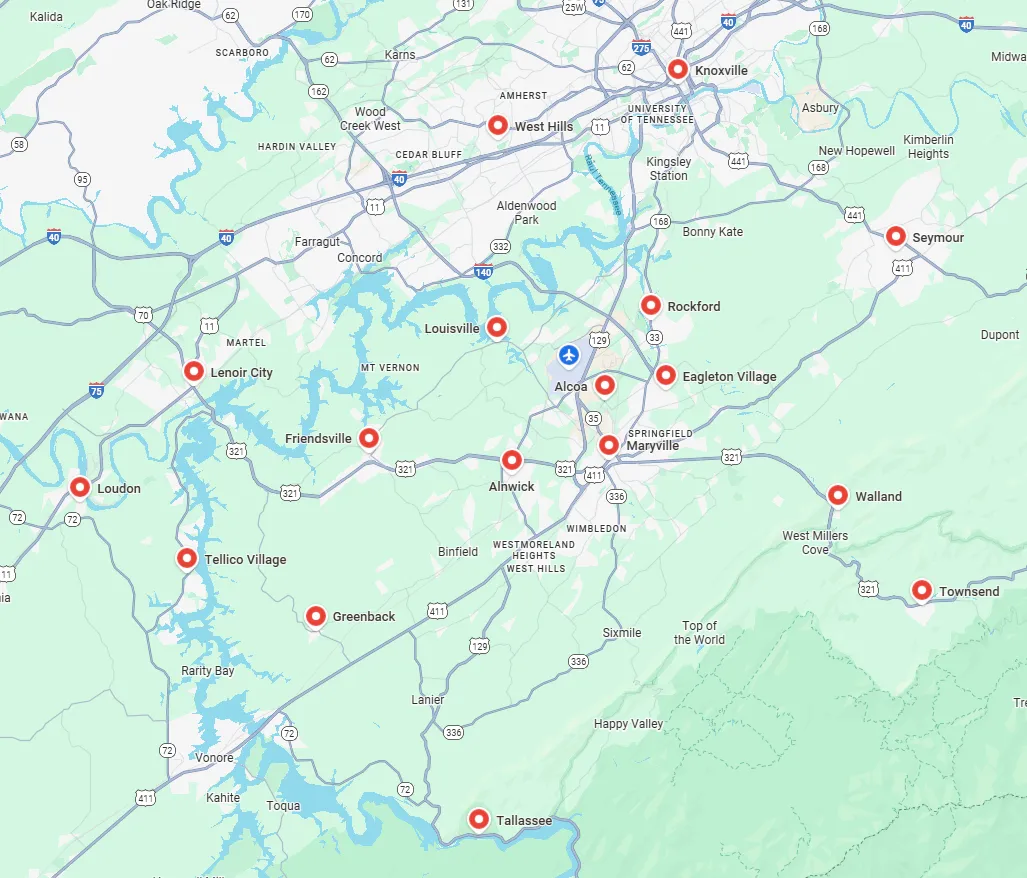
Service areas