

AC Repair in Alcoa, TN
AC Repair in Alcoa, TN
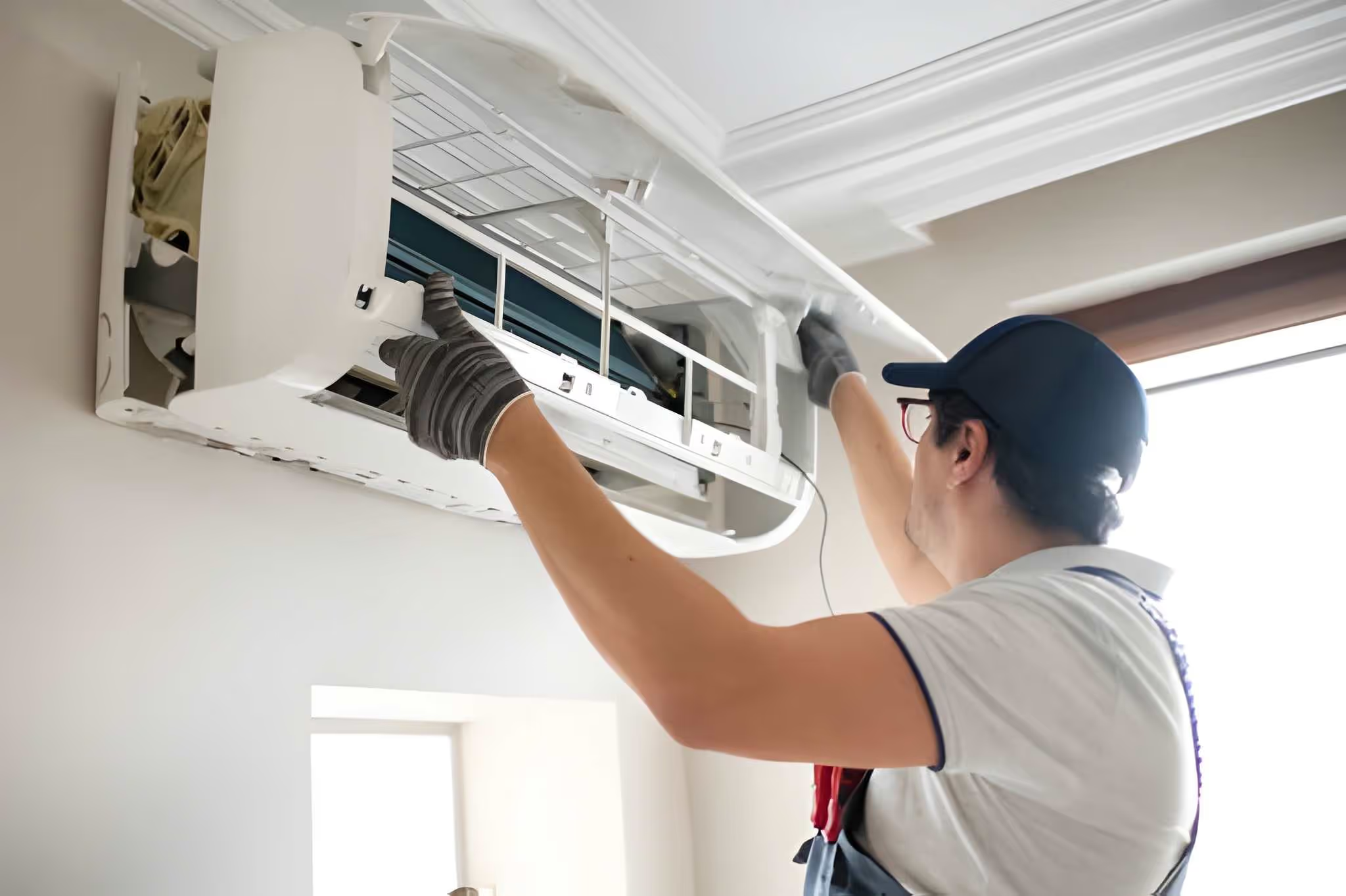
When your air conditioner decides to quit right in the middle of Alcoa’s scorching, humid summer, your comfort and indoor air quality can plummet quickly. That's why our AC repair services in Alcoa, TN, are all about diagnosing cooling failures fast, fixing the root cause, and doing everything we can to prevent those frustrating repeat breakdowns. We at Everest Air Heating and Cooling understand that homeowners in Blount County deal with seasonal humidity, heavy pollen, and occasional power surges from storms—all of which can prematurely wear out compressors, motors, and other vital components. We'll walk you through common AC problems we see in Alcoa homes, what a professional diagnostic entails, typical repairs we handle (like compressor and motor work), how we detect and recharge refrigerant leaks, our expected response times, details about our flat-rate service calls, and practical warranty and preventive recommendations.
Common AC problems in Alcoa, TN homes
- No cooling or weak airflow - unit runs but air is warm or barely cool. Common causes: low refrigerant, failed compressor, clogged coils, or failing blower motor.
- Short cycling or frequent on/off - usually caused by refrigerant issues, thermostat faults, or an overheating compressor.
- Unit won’t start - capacitor failure, contactor or control board problems, or blown fuses.
- Unusual noises - grinding, squealing, or rattling suggest motor bearings, fan blades, or compressor internal damage.
- Ice on evaporator coil - often from airflow restriction (dirty filters, closed vents) or low refrigerant.
- High humidity or poor dehumidification - even when temperature control seems OK, low refrigerant charge, oversized equipment, or poor airflow can be the cause.
- Visible leaks or oil stains around equipment - possible refrigerant line leaks or oil from a failing compressor.
Diagnostic approach and troubleshooting steps
A reliable AC repair begins with a systematic diagnosis to avoid unnecessary replacements:
- System history & symptoms - confirm when the problem started, recent storms or power issues, and any unusual noises or smells.
- Safety checks - verify power to the outdoor and indoor units, inspect disconnects and breakers.
- Thermostat verification - confirm settings, batteries, and proper sensor operation.
- Airflow and filters - inspect and measure static pressure; verify filter condition and duct airflow.
- Electrical tests - test capacitors, contactors, relays, and motor currents to identify failing electrical components.
- Refrigerant evaluation - measure system pressures and temperatures to detect under- or overcharge; use leak-detection tools if pressures indicate a loss.
- Component inspection - check condenser coil cleanliness, blower wheel condition, condensate drains, evaporator coil, and visible refrigerant lines.
- Operational test - run the system to replicate symptoms and confirm the fault.
Typical repairs and what they involve
- Compressor repair or replacement
Compressors are the heart of the cooling cycle. Repairing a compressor can include replacing start/run capacitors, contactors, and reversing valves on heat pumps, or replacing the compressor when internal failure, motor burnout, or mechanical damage is confirmed. Replacing a compressor often requires evacuation and recharge of refrigerant and can involve brazing refrigerant lines. - Fan and blower motor repair
Condenser fan motors and indoor blower motors wear out over time. Repairs may involve motor replacement, bearing replacement, or replacing start/run capacitors. Proper motor sizing and balancing prevent premature failures. - Refrigerant leak detection and recharge
Technicians use electronic leak detectors, UV dye, and pressure tests to locate leaks. Once located, the leak is repaired (brazing or replacing a section of line), the system is evacuated and dehydrated, then recharged to manufacturer specification with the correct refrigerant type. - Capacitor and contactor replacement
These electrical components fail frequently and can cause no-start or intermittent operation. Replacing them often restores reliable operation without more invasive repairs. - Condenser and evaporator coil cleaning or repair
Dirty coils reduce heat transfer and force compressors to work harder. Coil cleaning and straightening fins improve performance; in some cases corroded coils require section replacement. - Control board and thermostat fixes
Diagnostics can reveal faulty control boards or thermostats. Replacement or recalibration remedies communication and cycling problems.
Expected response times and service-call structure
- Typical response windows - many local repairs can be scheduled same-day or next-business-day depending on call volume and parts availability. Emergency or urgent service for uncomfortably high indoor temperatures is often prioritized during heat waves.
- Flat-rate service-call info - a flat-rate service-call covers the onsite diagnostic visit and a standard set of troubleshooting tests. The visit includes the written diagnosis and a clear recommendation for repair options. If additional parts and labor are required, those are presented separately after the diagnostic is complete.
Parts and labor warranties you can expect
- Parts warranties - manufacturer parts warranties vary by component and brand; common ranges are 1 year for generic parts to 5–10 years for major compressor components when registered. Aftermarket parts often carry 1-year warranties.
- Labor warranties - labor warranties commonly range from 30 days to 1 year depending on the company and the scope of work. Labor coverage typically protects against workmanship defects and improper installation.
- What to check - confirm warranty terms for replaced components (start date, coverage period, transferability) and whether warranties require professional maintenance to remain valid.
Examples of typical AC repairs (realistic scenarios)
- A home experiences weak cooling and the technician finds low refrigerant. The repair included leak detection on a corroded outdoor line, brazing a new section of line set, evacuating the system, and recharging to spec — restoring normal pressures and cooling capacity.
- A unit would not start; testing showed a failed start capacitor and worn condenser fan motor. Replacing the capacitor and motor resolved the no-start issue and eliminated the loud squeal.
- During a seasonal check, a blocked condensate drain and heavily soiled evaporator coil were found. Cleaning the coil and clearing the drain stopped the evaporator icing and restored dehumidification.
Preventive recommendations to avoid repeat issues
- Regular maintenance - schedule spring and fall checkups to inspect refrigerant levels, electrical components, coil condition, and airflow. Seasonal Tune-Ups reduce emergency calls and extend equipment life.
- Change filters routinely - in Alcoa’s pollen-heavy seasons, replace filters every 1–3 months depending on use and filter rating to maintain airflow and protect the evaporator coil.
- Keep outdoor unit clear - maintain at least 2–3 feet clearance around the condenser for proper airflow; trim vegetation and remove debris after storms.
- Monitor thermostat and zoning - calibrate thermostats and verify zoning dampers to avoid short cycling and uneven cooling.
- Address small issues early - rattles, odd smells, or higher-than-normal bills are early warning signs. Prompt diagnostics often prevent compressor or motor failures.
- Consider refrigerant audits - older systems using phased-out refrigerants or systems with intermittent leaks benefit from a refrigerant audit to plan repairs or replacement.
Taking a systematic approach to AC Repair in Alcoa, TN helps pinpoint the real cause of failure, limits repeating problems driven by local climate stresses, and preserves comfort and efficiency in your home. Proper diagnostics, transparent flat-rate service-call evaluations, and clear warranty information give homeowners the facts needed to make informed repair or replacement decisions.
hear what our satisfied clients have to say

David P.
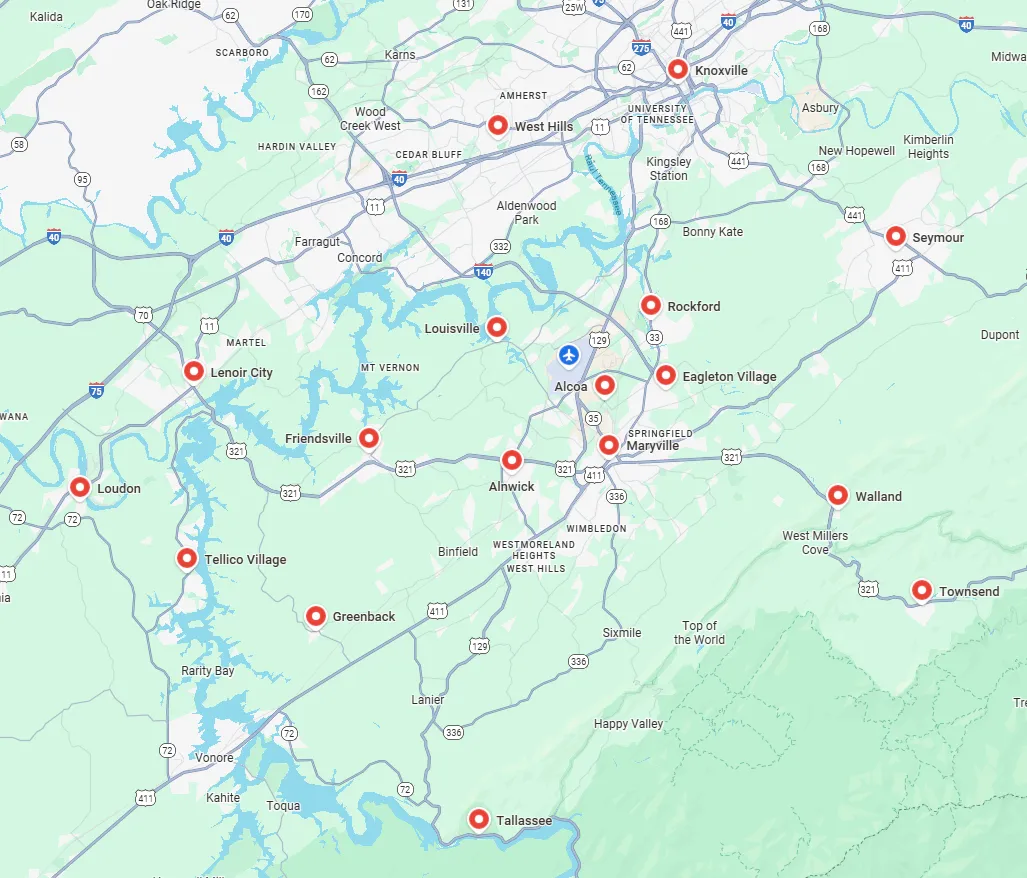
Service areas