


AC Installation in Alcoa, TN
AC Installation in Alcoa, TN
Installing a new air conditioning system is one of the most important home investments you can make here in Alcoa, TN. With hot, humid summers and seasonal pollen from the surrounding foothills, the right AC installation does more than just cool your home—it manages humidity, significantly improves your indoor air quality, lowers monthly energy bills, and protects your family’s comfort year after year. Discover exactly how our team at Everest Air Heating and Cooling handles the entire process for Alcoa homes: from the initial load assessment and expertly selecting the perfect unit for your space, all the way through securing permits, rigorous system testing, clear timelines, and the long-term care that preserves peak performance. We at Everest Air Heating and Cooling are committed to your comfort.
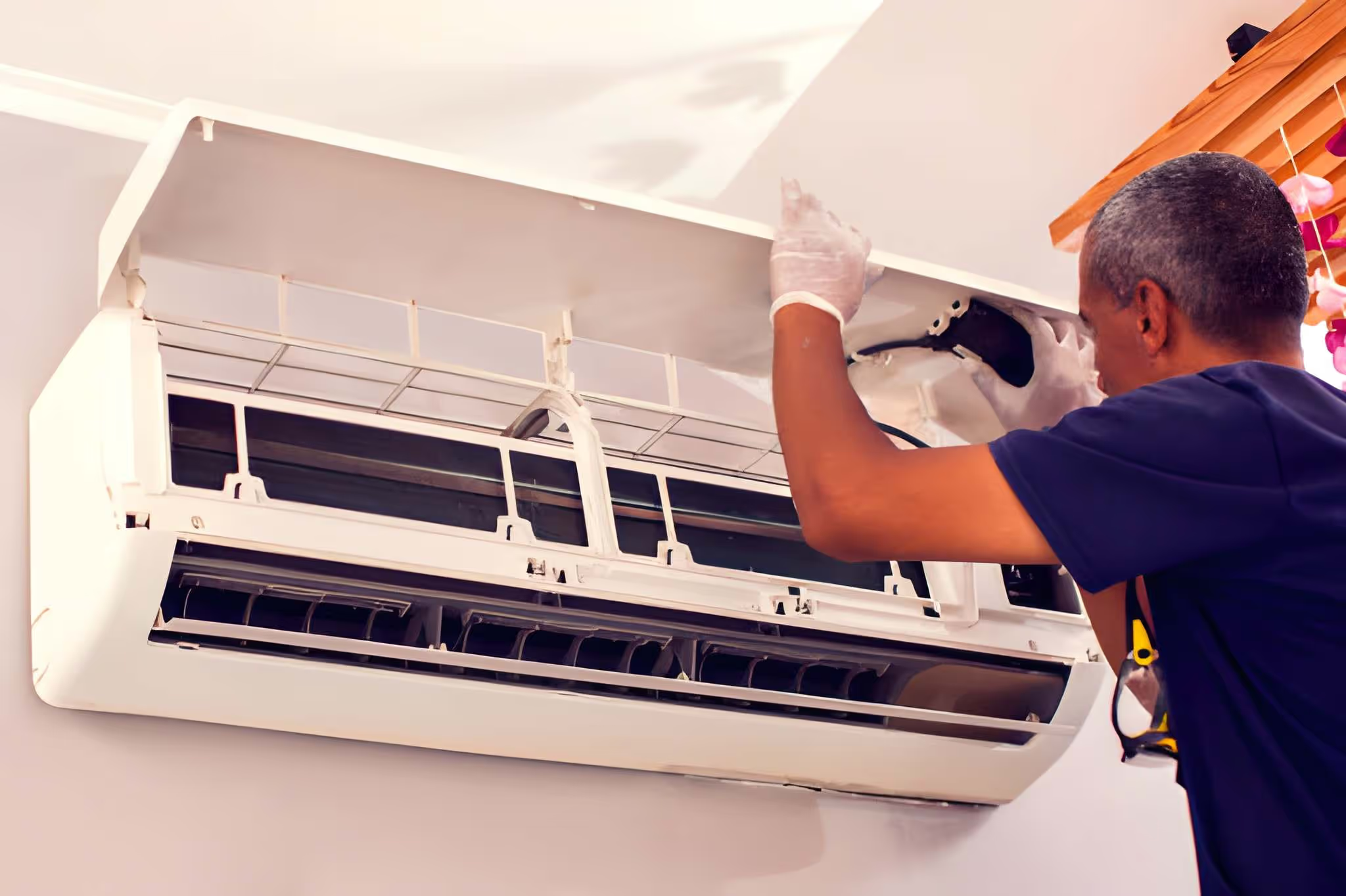
Why a proper installation matters in Alcoa, TN
- Humidity control is critical. Alcoa’s humid subtropical climate makes dehumidification a key function of an AC system. Oversized or poorly installed equipment can short-cycle, reducing dehumidification and comfort.
- Older homes and duct systems. Many homes in Blount County have uneven ducts, limited attic insulation, or crawlspace ductwork that must be evaluated before replacing equipment.
- Local code and permitting. Municipal and county permits and inspections ensure safe electrical and refrigerant work and protect manufacturer warranties.
Common AC replacement triggers in Alcoa
- Frequent breakdowns or compressor failure
- Rising energy bills despite regular maintenance
- Uneven cooling, hot rooms, or excessive humidity
- Systems using phased-out refrigerants (like R-22)
- Older systems nearing end of useful life (typical lifespan 10–15 years)
What a complete AC installation includes
- Home load assessment and unit sizing (Manual J and Manual S principles): a room-by-room heat gain/loss analysis determines correct capacity so your system cools efficiently without short cycling.
- Ductwork inspection and improvements: sealing, insulation, and possible resizing or adding returns to ensure proper airflow and balanced temperatures.
- Electrical review: confirming service panel capacity, breaker sizing, conduit, and disconnects meet code and manufacturer specs.
- System selection guidance: SEER rating, compressor stages, variable-speed air handlers, and compatible thermostats.
- Permits and code compliance: filing and inspection through Blount County/Alcoa authorities when required.
- Professional installation and start-up: removal of old equipment, precise refrigerant charge, airflow balancing, and performance testing.
- Warranty registration and documentation: manufacturer warranty activation and labor warranty records.
Choosing energy-efficient models and brands
- Focus on SEER (Seasonal Energy Efficiency Ratio): higher SEER means better efficiency in Alcoa’s long cooling season. For many homeowners, 15–20 SEER balances efficiency and cost.
- Consider variable-speed compressors and two-stage systems for better humidity control, quieter operation, and more consistent temperatures.
- Options:
- Central split systems (common for most Alcoa homes)
- Heat pumps (efficient for mild winters and summers)
- Ductless Mini Splits (ideal for additions, garages, or homes without ductwork)
- Recognized brands commonly used in the region include Lennox, Goodman, Rheem, Ruud, York, and American Standard. Each brand offers different features and warranty terms; selecting the best match depends on your home’s load calculations, ductwork, and comfort goals.
Step-by-step professional installation process
- Initial site visit and load calculation: measure living areas, insulation levels, windows, orientation, and existing ductwork. This determines capacity and placement.
- Permitting and scheduling: file required permits and plan the installation timeline around inspections.
- Preparation and removal: safely disconnect and remove the existing outdoor condenser and indoor coil/air handler or furnace components as needed.
- Ductwork corrections: seal, insulate, and modify ducts; add return grills or dampers for zoning if applicable.
- Set condenser and indoor unit: place outdoor unit on pad with proper clearances; mount coil/air handler and connect drain lines.
- Refrigerant plumbing and evacuation: install line sets, vacuum the system, and charge to manufacturer-recommended refrigerant level.
- Electrical connections and safety checks: wire the unit to the disconnect and panel, verify breakers and grounding.
- Thermostat setup and control calibration: install or configure smart thermostats and any zoning controls.
- Start-up testing and airflow balancing: measure refrigerant pressures, airflow (CFM), temperature split, static pressure, and confirm safety control operation.
- Final inspection and documentation: complete permit inspections and provide equipment manuals and warranty paperwork.
Typical timelines and what can extend them
- Simple like-for-like replacement for a single-family home: often completed in one full business day (6–10 hours).
- Replacements requiring duct modifications, electrical upgrades, or permit waits: 2–5 days from initial visit to final inspection.
- Major retrofits, multi-zone systems, or homes with hard-to-access equipment: may take a week or more due to custom fabrication and scheduling.
Permits, warranties, and compliance
- Most AC installations in Alcoa require a mechanical and/or electrical permit plus an inspection. Licensed HVAC technicians ensure installations conform to local building codes and refrigerant handling regulations.
- Manufacturer warranties cover equipment defects but often require professional installation and timely registration. Labor warranties vary; keep installation paperwork to support future claims.
- Proper permitting and documentation protect you from code violations and preserve resale value.
Post-installation testing and homeowner checklist
- Verify a steady temperature differential (typically 16–22°F across the evaporator coil).
- Confirm the outdoor unit runs smoothly and within expected noise levels.
- Check that drains are clear and condensate is flowing properly.
- Ask for measured airflow (CFM), refrigerant pressure readings, and electrical load results to be recorded.
- Ensure thermostat schedules and any zoning are working as intended.
Protecting your investment: maintenance and long-term benefits
- Replace or clean filters monthly to maintain airflow and indoor air quality.
- Schedule seasonal Tune-Ups (spring and fall) to maintain efficiency and catch wear before it becomes failure.
- Regular maintenance extends equipment life, preserves warranty eligibility, maintains efficiency, and ensures better humidity control all especially important in Alcoa’s humid summers.
hear what our satisfied clients have to say

David P.
Service areas


