

Heat Pump Tune-Up in Alcoa, TN
Heat Pump Tune-Up in Alcoa, TN
At Everest Air Heating and Cooling, we know how important it is to keep your heat pump running smoothly in Alcoa, TN. A well-tuned heat pump isn't just about comfort; it's about reliability and keeping those energy bills down. Whether your system is handling all your heating and cooling needs year-round or working with a backup, a comprehensive Tune-Up tackles common wear and tear issues, gets your system back to peak performance, and helps avoid those frustrating breakdowns during Alcoa's hot, humid summers or chilly mountain-valley winters.
Why a Tune-Up matters for Alcoa homes
Alcoa sits in East Tennessee’s humid climate where high summer humidity, seasonal pollen, and occasional winter cold put extra stress on heat pumps. Dirty outdoor coils and clogged filters from spring pollen can reduce cooling capacity, while sustained humidity and frequent defrost cycles in winter increase runtime and wear. Regular Tune-Ups reduce strain, help keep indoor air quality healthier, and maintain efficient operation when you need it most.
Common heat pump problems in Alcoa
- Reduced heating or cooling output after pollen-heavy spring or dusty summer
- Higher energy bills despite normal thermostat settings
- Short cycling (frequent on/off cycles) that wears components
- Ice or frost buildup on outdoor coils during cold snaps
- Weak airflow from registers indicating dirty filters, clogged coils, or duct issues
- Unusual noises from compressors, fans, or reversing valves
- Thermostat calibration drift causing inconsistent comfort
Typical heat pump Tune-Up checklist
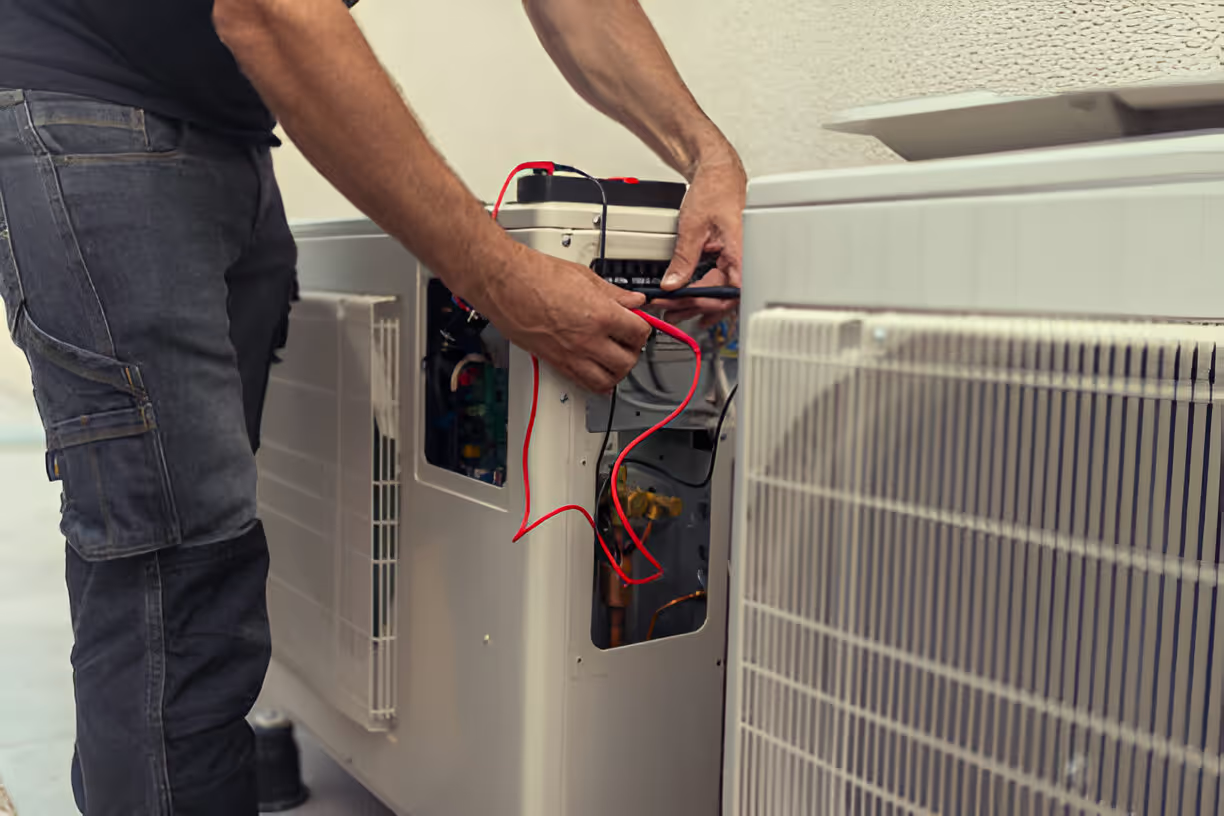
A professional Tune-Up follows a systematic checklist to identify and correct both performance and safety issues. Key tasks include:
- Visual inspection
- Check indoor and outdoor unit condition, mounting, refrigerant lines, and condensate drainage
- Inspect air handler, cabinet seals, and duct connections for obvious leaks or damage
- Coil and filter maintenance
- Clean outdoor condenser coils and indoor evaporator coils as needed
- Replace or deep‑clean air filters; document filter size and replacement interval
- Clear nearby vegetation/debris that restricts airflow
- Refrigerant and pressure checks
- Measure refrigerant pressures and temperatures to verify proper charge
- Evaluate superheat/subcooling to detect undercharge, overcharge, or restrictions
- Inspect for signs of leaks and recommend repair if needed
- Electrical and component safety
- Tighten electrical connections and inspect contactors, relays, and fuses
- Test capacitors and motor windings for proper operation
- Verify proper voltage and amp draw against manufacturer specifications
- Mechanical checks and lubrication
- Lubricate motors and fan bearings where applicable
- Check blower wheel balance and fan blade condition
- Inspect compressor mounting and vibration isolation
- Lubricate motors and fan bearings where applicable
- Thermostat calibration and controls
- Verify thermostat setpoints, wiring, and communication with system
- Calibrate temperature sensors and confirm correct heat/cool cycles
- Test safety controls and defrost function
- Airflow verification
- Measure supply and return airflow and static pressure where necessary
- Inspect and recommend duct sealing or insulation improvements if airflow is restricted
- Performance testing and efficiency verification
- Measure temperature split across evaporator to verify capacity
- Check system run times, cycle patterns, and refrigerant charge under load
- Evaluate overall system efficiency and report findings with recommended corrective actions
What performance testing reveals
Performance testing confirms whether the heat pump moves the expected amount of heat per hour and highlights inefficiencies before they become failures. Technicians use pressure gauges, thermometers, and electrical meters to validate refrigerant charge, airflow, and electrical health. Small issues like a slightly low refrigerant charge or a dirty coil often show up as reduced capacity and higher energy use; addressing them can restore significant performance.
Recommended frequency and seasonal timing
- Biannual Tune-Ups (spring and fall) are generally recommended for heat pumps used for both heating and cooling. Spring Tune-Ups prepare the system for heavy summer cooling; fall Tune-Ups ensure reliable heating and defrost performance for winter.
- Homes with heavy pollen exposure, pets, or indoor air quality concerns may need filter and coil attention more frequently.
- Older units or systems with known issues may require quarterly checks until repaired or replaced.
Seasonal timing in Alcoa: schedule the cooling Tune-Up in late spring after pollen season starts but before the hottest weeks, and schedule the heating Tune-Up in early fall to catch issues before sustained cold spells and frequent defrost cycles.
Benefits of regular Tune-Ups
- Improved reliability: Identifying worn parts and weak components before failure reduces emergency repairs during peak demand.
- Lower energy bills: Proper refrigerant charge, clean coils, and correct airflow typically improve efficiency by measurable amounts, often reducing monthly energy use compared with an unmaintained unit.
- Longer equipment life: Reduced mechanical stress and fewer hard starts extend key component life and delay costly replacements.
- Safer operation: Tightened electrical connections and safety control checks minimize fire and safety risks.
- Better comfort and air quality: Balanced airflow, accurate thermostat control, and clean coils produce more consistent indoor temperatures and lower airborne particles.
How Tune-Ups fit into maintenance plans and priority service
A scheduled maintenance plan packages routine Tune-Ups so your system receives consistent care. Benefits of including Tune-Ups in a plan for Alcoa homes include:
- Seasonal checkups timed before heavy usage periods
- Priority scheduling during busy seasons so inspections and repairs happen faster
- Consistent service records that document performance and history—useful for warranty support and resale value
- Preventive recommendations such as filter replacement cadence, minor repairs, or component upgrades that avoid future failures
Maintenance plans also make it easier to pair Tune-Ups with related services like duct inspections, indoor air quality assessments, and thermostat upgrades that further boost comfort and efficiency.
Practical maintenance tips for homeowners in Alcoa
- Replace or clean HVAC filters every 1–3 months, more often during pollen season.
- Keep at least 2–3 feet clear around outdoor units and trim foliage that restricts airflow.
- Note unusual sounds, odors, or frequent cycling and schedule inspection promptly.
- Consider duct sealing and attic insulation improvements to maximize the effects of a tuned system.
A professional heat pump Tune-Up restores performance, reduces operating costs, and helps prevent inconvenient failures—especially in Alcoa’s humid, seasonal climate. Regular, documented maintenance is the most effective way to protect comfort and prolong your system’s useful life.
hear what our satisfied clients have to say

David P.
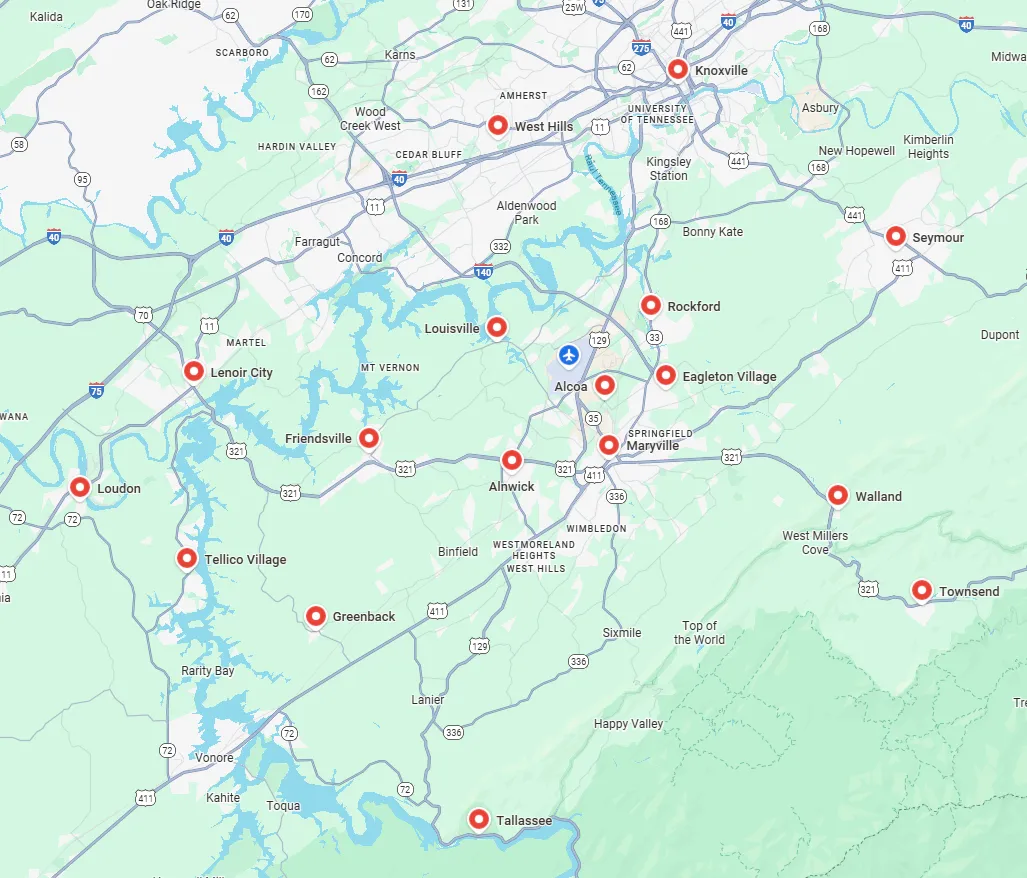
Service areas