

Mini Split Repair in Alcoa, TN
Mini Split Repair in Alcoa, TN
When your ductless Mini Split stops delivering reliable cooling or heating, it can quickly disrupt the comfort of your home. Here in Alcoa, TN, with our humid summers and cool winters placing unique demands on HVAC equipment, timely diagnostic and repair service for Mini Split systems is crucial for keeping your living spaces comfortable and those energy bills under control. At Everest Air Heating and Cooling, we can explain common Mini Split failures and symptoms, detail how our professional technicians diagnose and repair them, discuss our emergency and same-day response options, touch on typical parts involved, share maintenance steps to help prevent repeat problems, and outline what you can expect from our service guarantees and scheduling process. You can trust Everest Air Heating and Cooling to get your system back in top shape.
.avif)
Why Mini Split repair matters in Alcoa, TN
Alcoa experiences hot, humid summers and occasional cold snaps in winter. Mini Splits are often used for zone control in older homes, new constructions, or additions where extending ductwork is impractical. Humidity and pollen can clog filters and coils, while frequent on-off cycling during shoulder seasons increases component wear. Ignoring symptoms can lead to more extensive damage and higher energy use, so prompt repair is important for comfort and cost control.
Common Mini Split issues and symptoms in Alcoa, TN
- Loss of cooling or heating: Unit runs but indoor temperature does not respond.
- Weak airflow: Reduced air from the indoor head, often due to clogged filters or fan motor problems.
- Refrigerant leaks: Outdoor unit frost, oil stains, or unexplained loss of cooling capacity.
- Noisy operation: Grinding, rattling, or loud compressor noise indicating fan motor failure, loose components, or failing compressor.
- Electrical faults: Unit won’t power on, tripped breakers, or intermittent operation caused by control board, capacitors, or wiring problems.
- Ice buildup on evaporator or outdoor coil: Often from low refrigerant, restricted airflow, or thermostat/control issues.
- Erratic remote or thermostat behavior: Faulty sensors, communication errors, or control board issues.
- Drainage problems: Water dripping indoors, clogged condensate drain, or overflow sensor activation.
How professional diagnostics work
Technicians follow a structured diagnostic process to identify root causes rather than applying temporary fixes.
- Initial interview and visual inspection: Review symptoms and history, check indoor and outdoor units for debris, damage, and obvious leaks.
- Power and controls check: Verify voltage, breakers, fuses, controls, and communication between indoor and outdoor units.
- Airflow and filter inspection: Measure airflow and inspect or test indoor blower and filters.
- Refrigerant system testing: Use gauges and leak-detection tools to check pressures, superheat/subcooling, and locate refrigerant leaks.
- Electrical component testing: Test capacitors, contactors, relays, and control boards for proper operation.
- Mechanical evaluation: Inspect fan motors, bearings, and compressor function.
- Systemized report: Provide a clear explanation of findings, required repairs or replacements, and the expected outcome of each option.
Typical repair process
- Confirm diagnosis and safety checks.
- Isolate and repair leaks if present, then pressure-test and evacuate the system prior to recharge.
- Replace failed electrical components such as capacitors, contactors, or control boards as needed.
- Replace or repair fan motors, blowers, or thermostats for airflow and control issues.
- Clean coils, condensate trays, and drain lines to restore efficient heat exchange and prevent water damage.
- Recharge refrigerant to manufacturer specifications and test system performance in both cooling and heating modes.
- Final safety and performance checks, including electrical load verification and a run test to ensure stability.
Emergency and same-day response options
Mini Split failures often happen during temperature extremes. Emergency or same-day response typically follows a triage process:
- Immediate phone triage (what the unit is doing, safety concerns) to prioritize the call.
- On-site diagnosis visit to quickly identify critical failures (no power, major leaks, compressor failure).
- Temporary safe measures where appropriate (isolating circuits, clearing drains, supplying portable heating/cooling suggestions) while arranging parts or follow-up repairs.
- Priority scheduling for customers enrolled in maintenance or priority plans to reduce wait times during peak seasons.
Typical replacement parts and cost drivers
Common parts replaced during Mini Split repairs:
- Capacitors and contactors
- Fan motors and indoor blower assemblies
- Thermostats/controllers and remotes
- Expansion devices and TXV assemblies
- Refrigerant (after leak repair) and service valves
- Control boards and communication modules
- Compressor (in major failures)
Cost is influenced by the part replaced, labor involved, whether refrigerant recovery and leak repair are required, accessibility of the unit, and whether the system uses older or specialty refrigerants. A clear, itemized estimate based on the diagnostic results helps you understand expense drivers without surprises.
Maintenance recommendations to avoid future repairs
Regular preventive maintenance significantly reduces breakdown risk and improves efficiency:
- Replace or clean filters every 1 to 3 months depending on use and indoor air quality.
- Keep indoor heads and outdoor units clear of debris, vegetation, and pollen buildup common in East Tennessee.
- Schedule seasonal Tune-Ups that include coil cleaning, refrigerant pressure checks, electrical inspections, and condensate drain cleaning.
- Verify that the outdoor unit has adequate airflow clearance and is mounted level to prevent drainage and vibration issues.
- Monitor for early symptoms like reduced airflow, unusual noises, or longer run cycles and address them promptly.
- Consider enrolling in a priority maintenance plan for seasonal checkups and priority dispatch during peak demand.
Service guarantees and scheduling expectations
Professional Mini Split repair services typically include workmanship guarantees and manufacturer-backed parts warranties where applicable. Guarantees provide peace of mind that repairs are performed to industry standards and that follow-up service will address issues related to the initial repair. Scheduling options often include standard appointments and priority slots for repeat customers or maintenance-plan members. During high-demand months, expect faster response for priority plan customers, and technicians will usually provide a clear service window and a diagnostic report before major repairs proceed.
The benefits of timely Mini Split repair
Prompt, professional Mini Split repair restores comfort, prevents secondary damage like water intrusion or compressor burnout, and improves system efficiency—especially important in Alcoa where humidity and temperature swings place extra strain on HVAC equipment. Regular maintenance and fast response to warning signs protect your investment and extend system life while keeping indoor air comfortable year-round.
If you rely on a ductless Mini Split for zone comfort in Alcoa, timely diagnostics, professional repairs, and a preventive maintenance routine are the best ways to maintain reliable performance and efficient operation.
hear what our satisfied clients have to say

David P.
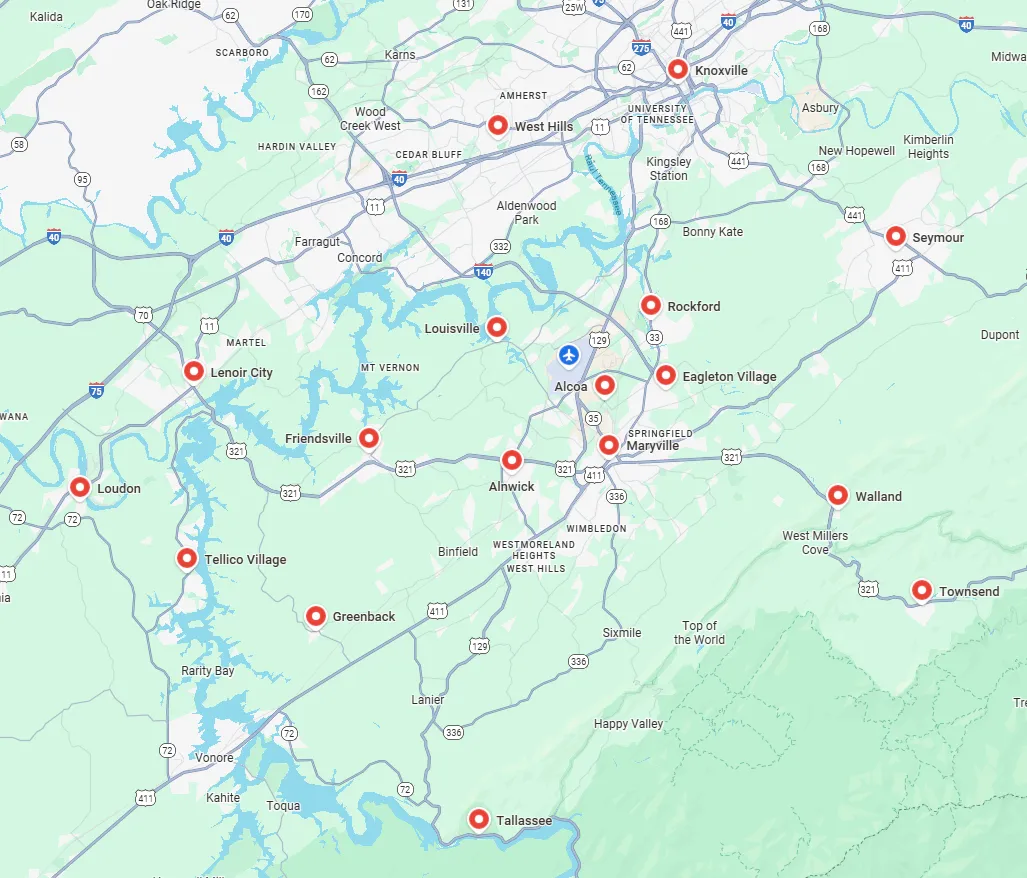
Service areas