

Tankless Water Heater in Alcoa, TN
Tankless Water Heater in Alcoa, TN
Looking for continuous hot water, lower energy bills, and more space in your Alcoa, TN home or light commercial property? A tankless (on-demand) water heater could be the perfect solution. Here at Everest Air Heating and Cooling, we understand that East Tennessee's climate – with its humid summers, cold winters, and moderately hard groundwater – means choosing and maintaining the right tankless system is crucial for optimal performance and longevity. We’re here to help you navigate the benefits, sizing guidelines, fuel options, installation requirements, maintenance best practices, and what to expect regarding performance and costs for tankless water heaters right here in Alcoa.
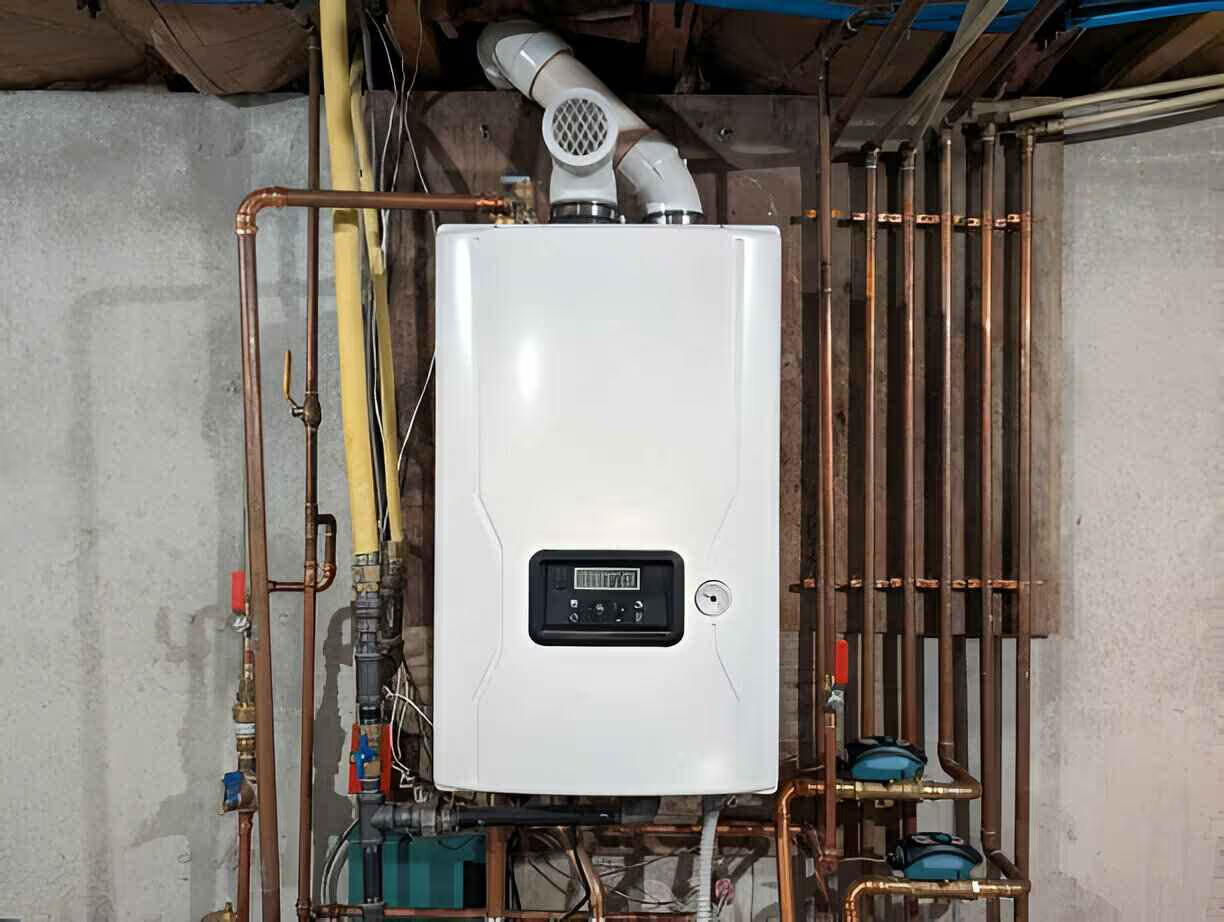
Why choose a tankless water heater in Alcoa, TN
- Continuous hot water for long showers and simultaneous loads (showers, dishwasher, laundry)
- Reduced standby energy waste compared with storage tanks
- Smaller footprint—wall-mounted units free up basement or utility space
- Longer service life when properly maintained
- Better suited for point-of-use or whole-house installations where space and energy efficiency matter
Local factors to consider: Alcoa’s groundwater is seasonally cooler in winter, which increases the required temperature rise. The region’s moderately hard water raises the risk of scale buildup in heat exchangers unless you use a water softener, scale inhibitor, or regular descaling.
Common tankless water heater issues in Alcoa, TN
- Fluctuating hot water temperature during multiple simultaneous uses
- Reduced flow or heat due to scale buildup from hard water
- Unit error codes from blocked intake/venting or low gas pressure
- Insufficient gas line sizing or inadequate electrical service for new units
- Condensate or venting problems on high-efficiency models
- Cold-weather performance drops without proper inlet temperature consideration
Types of tankless systems and which is right for you
- Gas-fired (natural gas or propane): Typically better for whole-house systems with higher flow needs. Gas units deliver high flow rates and faster recovery but require proper venting, combustion air supply, and correctly sized gas piping.
- Electric: Easier installation where gas is unavailable and often preferred for point-of-use units. Electric models require dedicated 240V circuits and sufficient amperage; they may struggle to meet large whole-house demands without multiple units.
- Condensing vs non-condensing: Condensing models achieve higher efficiencies by extracting additional heat from exhaust gases and require PVC venting and condensate drainage.
Choose based on fuel availability in your neighborhood, peak household hot water demand, and whether you prefer a single whole-house unit or several point-of-use units.
Sizing a tankless water heater: flow rate and temperature rise
Proper sizing is critical to avoid performance issues:
- List simultaneous fixtures you expect to run (for example: two showers plus a dishwasher).
- Assign typical flow rates (gallons per minute, GPM): shower ~1.5–2.5 GPM, sink ~0.5–1.5 GPM, dishwasher ~1–2 GPM, washing machine ~1.5–2 GPM.
- Add those flows for peak simultaneous demand to get required GPM.
- Determine the required temperature rise: subtract your cold water inlet temperature from the desired output (usually 105°F for domestic use). In Alcoa, inlet temps are lower in winter, so expect a larger temperature rise requirement in cold months.
Example approach (no pricing): a household needing 6 GPM with a 70°F rise will need a unit rated to deliver that GPM at that temperature rise. When in doubt, oversize slightly or consider parallel units for reliability during peak demand.
Installation requirements and considerations
- Venting and combustion: Gas units require correct venting and combustion air. Non-condensing units usually need metal venting; condensing units use PVC and need a drain for condensate.
- Gas line capacity: Many older homes need gas line upgrades to meet the BTU demands of a high-capacity tankless unit.
- Electrical upgrades: Electric units commonly require multiple dedicated high-amperage 240V circuits; verify panel capacity.
- Clearances and mounting: Wall-mounted units need proper clearances for service access and vent runs; outdoor-rated units eliminate indoor venting needs in some climates.
- Permits and inspections: Local codes in Blount and Knox County areas require permits and inspections; professional installation ensures code compliance and safe operation.
- Water treatment: In areas with hard water, adding a water softener or scale prevention device at the inlet protects the heat exchanger and maintains efficiency.
Maintenance recommendations for Alcoa homes
- Annual or semiannual professional inspection to check burners, sensors, venting, and gas pressure.
- Regular flushing/descaling (frequency depends on water hardness) to remove mineral buildup.
- Install and maintain an inlet water filter or sediment trap; clean per manufacturer guidance.
- Check condensate drains and PVC venting on condensing models for blockages.
- Monitor error codes and flow-performance changes; address issues early to avoid major repairs.
A proactive maintenance plan significantly extends service life and maintains energy efficiency.
Expected performance and longevity
- With proper installation and regular maintenance, tankless water heaters commonly last longer than tank-style units. Many systems achieve long service lives when scale and venting are controlled.
- Efficiency gains depend on household usage patterns. Homes with intermittent hot water needs generally see the greatest energy savings because tankless units eliminate standby losses.
- Warranty coverage varies by model and manufacturer; maintenance records are often required to validate warranty claims.
Cost, savings, and payback considerations (no pricing)
While initial equipment and installation costs differ by model, fuel type, and any required home upgrades (gas line, electrical panel, water treatment), the effective payback depends on:
- Your household’s hot water usage pattern and peak demand
- Local utility rates for gas and electricity
- The need for additional work (gas piping, panel upgrades, water softening)
- Replacement of an inefficient older system versus a recent tank model
Homes with frequent long showers, simultaneous loads, and access to natural gas typically realize faster energy savings. Conversely, if extensive home upgrades are required, the non-financial benefits, space savings and endless hot water, may weigh more heavily in the decision.
Suitability: residential and light commercial
- Residential: Ideal for single-family homes when sized correctly for peak demand. Point-of-use units suit remote bathrooms or short-run kitchens.
- Light commercial: Commercial-grade units or multiple residential units installed in parallel can support small businesses, salons, or multi-bath facilities. Ensure commercial load calculations, ventilation, and local code compliance are handled by experienced professionals.
hear what our satisfied clients have to say

David P.
Service areas