

Hydronic HVAC in Alcoa, TN
Hydronic HVAC in Alcoa, TN
When it comes to heating your home or business in Alcoa, TN, hydronic HVAC systems – with their boilers, radiant floor heating, and smart hot-water distribution – offer a truly consistent, quiet, and energy-efficient warmth. Here in Alcoa, where winters can bring cold nights and those sharp freezes from the nearby mountains, hydronic heating is a fantastic choice. It delivers superior comfort and really even heat, fitting perfectly with both older charming homes and newer high-efficiency buildings. At Everest Air Heating and Cooling, we believe in providing heating solutions that genuinely make a difference in your comfort.
What is hydronic HVAC and why it matters in Alcoa
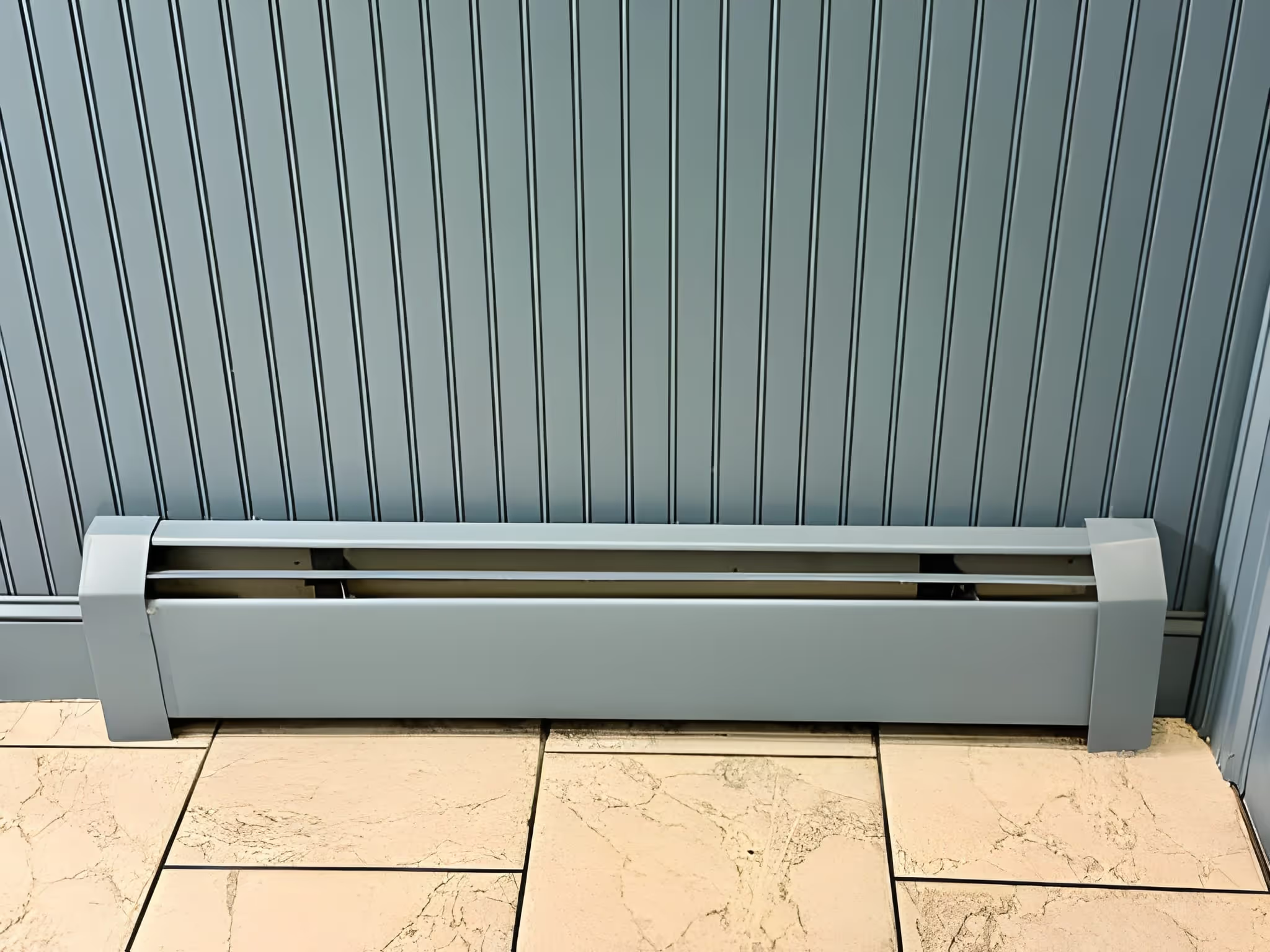
Hydronic HVAC uses heated water circulated through pipes, baseboards, radiators, or in-floor tubing (radiant heating) to warm indoor spaces. Compared with forced-air-only systems, hydronic systems:
- Provide more even temperatures with fewer cold spots
- Operate quietly with reduced drafts and airborne dust
- Offer higher thermal comfort at lower air temperatures, saving energy
- Integrate well with existing boilers, heat pumps, or solar thermal preheat systems
In Alcoa, where many homes were built with slab or crawlspace foundations and varied insulation levels, radiant floor systems and properly sized boilers greatly reduce the impact of nighttime temperature drops and humid summer carryover.
Common hydronic HVAC systems and services
Hydronic work generally falls into three service types:
- Installation and system design: boilers, radiant floor layout, baseboard/radiator installs, indirect water heaters, and hybrid integrations with existing forced-air systems.
- Repair and component replacement: circulator pumps, zone valves, thermostats, expansion tanks, pressure controls, and boiler burners or controls.
- Preventive maintenance: annual boiler Tune-Ups, flushing loops, water treatment, leak inspections, and thermostat calibration.
Typical hydronic setups for Alcoa homes include boiler-fed radiant floor heating for basements and main floors, baseboard convectors in retrofit rooms, and hybrid systems pairing a boiler with a high-efficiency heat pump.
Common hydronic HVAC issues in Alcoa and how we diagnose them
Alcoa homes commonly experience several hydronic symptoms driven by local climate and building characteristics:
- Uneven heating between rooms or floors
- Noisy pipes or kettling sounds from the boiler during cold spells
- Frequent boiler short-cycling or pressure loss after winter startup
- High energy bills despite running the heating system regularly
- Visible leaks or damp spots near piping, especially in older homes
Diagnostics focus on component-level testing and system-wide inspection:
- Boiler efficiency and combustion analysis to check heat output and emissions
- Pressure and expansion tank integrity tests to identify waterlogged tanks
- Circulator pump amperage and flow checks to detect failing motors or blocked impellers
- Zone valve and thermostat response testing to find electrical/control faults
- Thermal imaging of radiant floors and piping to reveal cold spots or poor insulation
This targeted approach finds the root cause, whether trapped air, scale buildup from local water chemistry, a failing circulator, or incorrect system sizing—so repairs address the underlying issue rather than just symptoms.
Typical repairs and upgrade solutions
Hydronic repair and upgrade options commonly recommended for Alcoa properties include:
- Flushing and chemical treatment of loops to remove scale and improve flow
- Replacing failing circulator pumps, zone valves, or thermostats to restore balanced heating
- Installing or servicing expansion tanks and pressure relief valves to stabilize system pressure
- Upgrading to a high-efficiency condensing boiler or modulating burner for improved fuel use
- Adding thermostatic zoning or smart controls for room-by-room comfort and efficiency
- Retrofitting radiant floor systems in remodels, and insulating slab edges and piping to reduce heat loss
Repairs are prioritized based on safety (e.g., pressure or leak issues), efficiency impact, and long-term reliability. In Alcoa, it’s common to recommend upgrades that mitigate heat loss in older homes—such as better insulation and thermostatic zoning, alongside mechanical repairs.
Integration with existing HVAC and hybrid options
Hydronic systems can complement or replace parts of an existing HVAC setup:
- Hybrid heating: pair a boiler or radiant floor with an air-source heat pump to maximize efficiency in mild seasons and switch to hydronic heat during cold snaps.
- Indirect water heaters: use boiler heat to supply domestic hot water, improving overall system efficiency.
- Forced-air integration: install a boiler-driven coil in an existing duct system to retain ducted cooling while shifting winter heating to hydronic distribution.
System integration requires proper sizing, control logic, and sometimes electrical or ductwork adjustments. Local building codes and permit requirements are taken into account during design and installation.
Maintenance best practices for Alcoa homes
Regular maintenance preserves performance, efficiency, and safety:
- Annual boiler inspection and combustion Tune-Up before winter: check burners, flues, controls, and safety devices.
- Routine loop flushing and water treatment to prevent corrosion and scale from local water conditions.
- Bleeding radiators and balancing zones each heating season to maintain even distribution.
- Monitor system pressure weekly during winter; address drops or rapid increases promptly.
- Insulate exposed piping in crawlspaces and unheated basements to prevent heat loss and freezing in sudden cold spells.
Consistent maintenance reduces emergency repairs during Alcoa’s cold periods and extends boiler and system life significantly.
Is hydronic HVAC right for your Alcoa property?
Hydronic systems shine in homes where comfort, quiet operation, and efficient space-by-space control are priorities. Consider hydronic HVAC if you:
- Have persistent uneven heating or allergies aggravated by forced-air dust
- Are remodeling a floor and want in-floor radiant for long-term comfort
- Seek a cost-effective, long-lasting heating solution that pairs well with high-efficiency boilers or heat pumps
- Want to reduce drafts and noise while maintaining excellent humidity control
A thorough site assessment and heat-loss calculation determine proper boiler sizing, loop layout, and integration needs. Local factors, house age, foundation type, insulation levels, and water chemistry, inform the recommended approach.
hear what our satisfied clients have to say

David P.
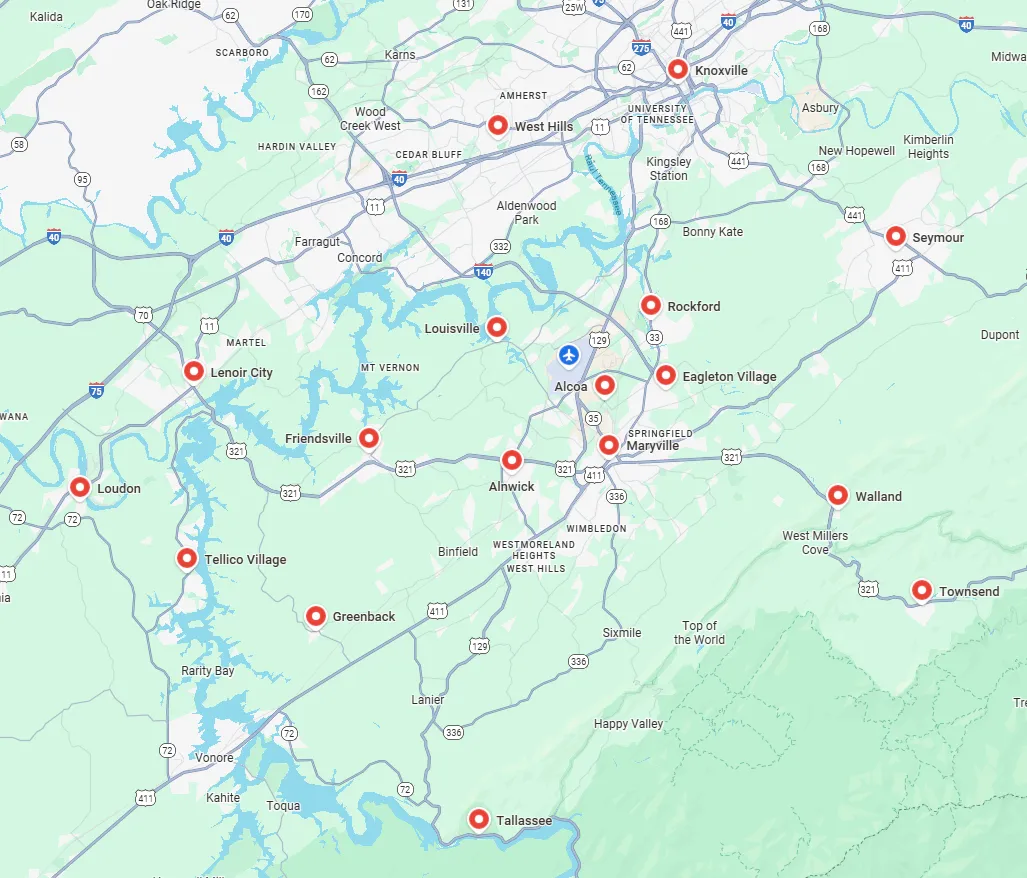
Service areas