

HVAC Replacement in Alcoa, TN
HVAC Replacement in Alcoa, TN
Upgrading your HVAC system is often the best way to significantly improve your home's comfort, slash those utility bills, and finally put an end to endless emergency repairs. Here in Alcoa, TN, the seasonal humidity and hot summers really put a strain on older equipment. We at Everest Air Heating and Cooling are here to guide you through the process. We'll explore when replacement is truly recommended, how we evaluate and compare different systems to find your perfect match, and what kind of energy and cost savings you can realistically expect. We'll walk you through the entire replacement process, ensure proper disposal of your old unit, discuss warranty and financing considerations, and help you choose the right size and brand specifically for your Alcoa home. Trust Everest Air Heating and Cooling to make your upgrade seamless.
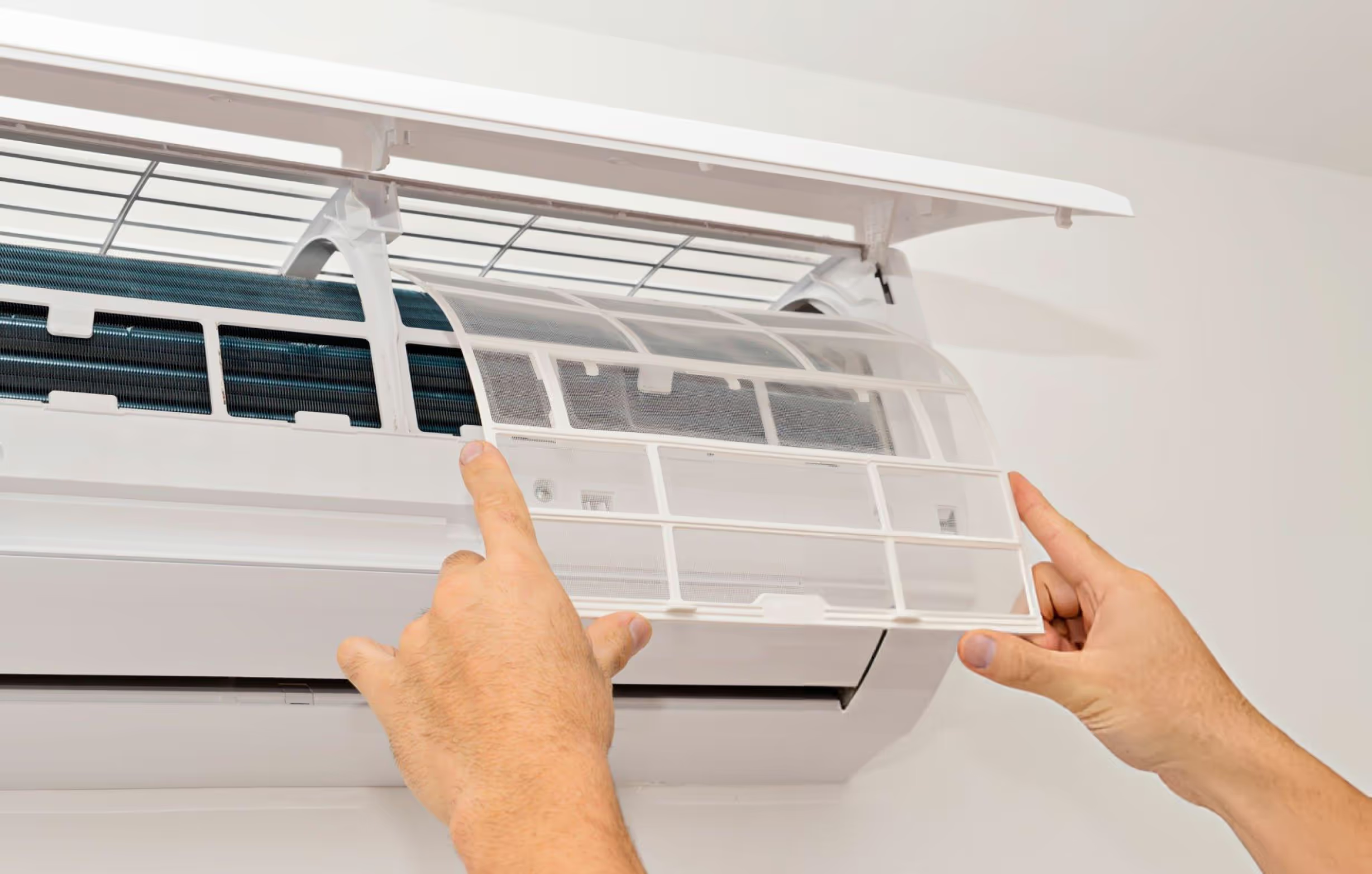
When replacement is recommended: common signs to replace your HVAC
If you recognize several of the following issues, replacement may be the smarter long-term choice rather than continued repairs:
- System age 12 to 15+ years with frequent breakdowns
- Rising energy bills despite routine maintenance
- Inconsistent temperatures between rooms or weak airflow
- Refrigerant leaks, repeated compressor failures, or discontinued parts
- Unusual noises, excessive cycling, or persistent odors
- Indoor humidity problems during Alcoa summers that the system cannot control
- Old equipment uses R-22 refrigerant or low-efficiency ratings
These symptoms often indicate reduced efficiency or imminent major component failure. In Alcoa, where humid summers demand reliable cooling and good dehumidification, timely replacement prevents discomfort and mold risk.
Evaluation and comparing replacement options
A thorough evaluation should include:
- Visual inspection of indoor and outdoor units and ductwork
- Measurement of airflow, static pressure, and system performance
- Energy usage and utility bill review to estimate operating costs
- Manual J load calculation to size the new system correctly
- Assessment of insulation, window performance, and ventilation needs
Common replacement options to consider:
- High-efficiency central split systems (air conditioner and gas or electric furnace)
- Heat pumps and cold-climate heat pumps for efficient heating and cooling year-round
- Ductless Mini Split systems for additions or homes without ducts
- Zoned systems or variable-speed equipment for better humidity control and comfort
Compare options by upfront cost, estimated annual energy use, expected lifespan, and how well each handles Alcoa’s humid summer conditions.
Energy-efficiency and cost-savings analysis
When evaluating replacement, look beyond sticker price to lifetime operating costs:
- Efficiency ratings matter: SEER and SEER2 for cooling, HSPF for heat pumps, AFUE for furnaces. Higher ratings typically reduce monthly bills.
- Proper sizing and duct sealing reduce wasted energy and improve comfort. Oversized systems cycle too often; undersized systems run continuously.
- Variable-speed compressors and multi-stage systems maintain more consistent temperatures and dehumidify better—valuable in Alcoa’s humid months.
- Calculate payback: estimate annual energy savings from a higher efficiency system and compare to the incremental cost to determine expected years to recover the investment.
Local incentives and utility rebates are occasionally available in Tennessee. Factor potential rebates and long-term savings into the decision instead of focusing only on installation price.
The replacement installation process
A well-executed replacement follows clear steps:
- Pre-installation survey and final equipment selection based on load calculations
- Permit acquisition if required by local codes
- Removal and proper disposal of the old unit (see disposal section)
- Equipment installation: setting pads, mounting outdoor units, positioning indoor coil or furnace, connecting refrigerant lines and electrical, and modifying or sealing ducts as needed
- System charging, startup, and commissioning: verifying refrigerant charge, airflow, and safety controls
- Balancing, thermostat setup and programming, and a final walkthrough explaining operation and maintenance needs
- Paperwork completion including warranty registration and documentation
Typical residential replacements can often be completed in a day but may take longer if ductwork modifications, electrical upgrades, or permitting are involved.
Disposal of old equipment
Safe, compliant disposal protects the environment and meets regulations:
- Refrigerant recovery is required by EPA rules; refrigerant must be captured and recycled or reclaimed by certified technicians.
- Metals, copper, and steel are recyclable. Proper disposal separates hazardous components and maximizes recycling.
- Old furnaces and electrical components must be disposed of per local waste codes.
- Request documentation of refrigerant recovery and disposal methods for your records.
Responsible disposal prevents harmful refrigerant release and complies with environmental standards.
Warranties and financing options
Understand two warranty layers:
- Manufacturer warranty: covers parts (length varies by brand and model) and sometimes compressor or heat exchanger for longer terms. Registration may be required to activate full coverage.
- Labor warranty: covers workmanship and installation-related issues; terms vary by installer.
When comparing offers, compare both parts and labor coverage, what voids warranties (such as unaffiliated maintenance), and any extended warranty options.
Financing options commonly available for replacement projects include:
- Fixed-term loans or payment plans through third-party lenders
- Deferred interest or low monthly payment options, subject to credit approval
- Energy-efficient financing for qualifying high-efficiency equipment
Review terms carefully, including interest rates and repayment length, and evaluate how financing affects the overall cost-benefit of a higher-efficiency system.
Choosing the right size and brand for your Alcoa home
Selecting the right equipment balances capacity, efficiency, and local needs:
- Size to match your home’s calculated heating and cooling load, not just square footage. Consider insulation, window orientation, and attic conditions.
- For Alcoa’s humid summers, choose systems with strong dehumidification capability—variable-speed air handlers and multi-stage compressors help.
- Consider brands with strong local support and readily available replacement parts to reduce downtime.
- Evaluate warranty terms, local installer experience, and service availability in Blount County and nearby areas.
- Factor future plans such as home additions, attic conversions, or extended occupancy when selecting capacity.
hear what our satisfied clients have to say

David P.
Service areas