

AC Tune-Up in Alcoa, TN
AC Tune-Up in Alcoa, TN
Keeping your air conditioner in top shape is crucial for comfort, lower energy bills, and avoiding those dreaded summer breakdowns in Alcoa, TN. Here in Blount County, with our hot, humid summers and seasonal pollen, a routine AC Tune-Up isn't just a suggestion—it's essential for your home. At Everest Air Heating and Cooling, we understand what makes your system tick. We'll show you exactly what our focused AC Tune-Up includes, discuss common AC issues specific to Alcoa homes, explain how our technicians diagnose performance, and provide clear guidance on frequency and pricing. That way, you can make a confident decision about your home's comfort.
Why an AC Tune-Up matters in Alcoa, TN
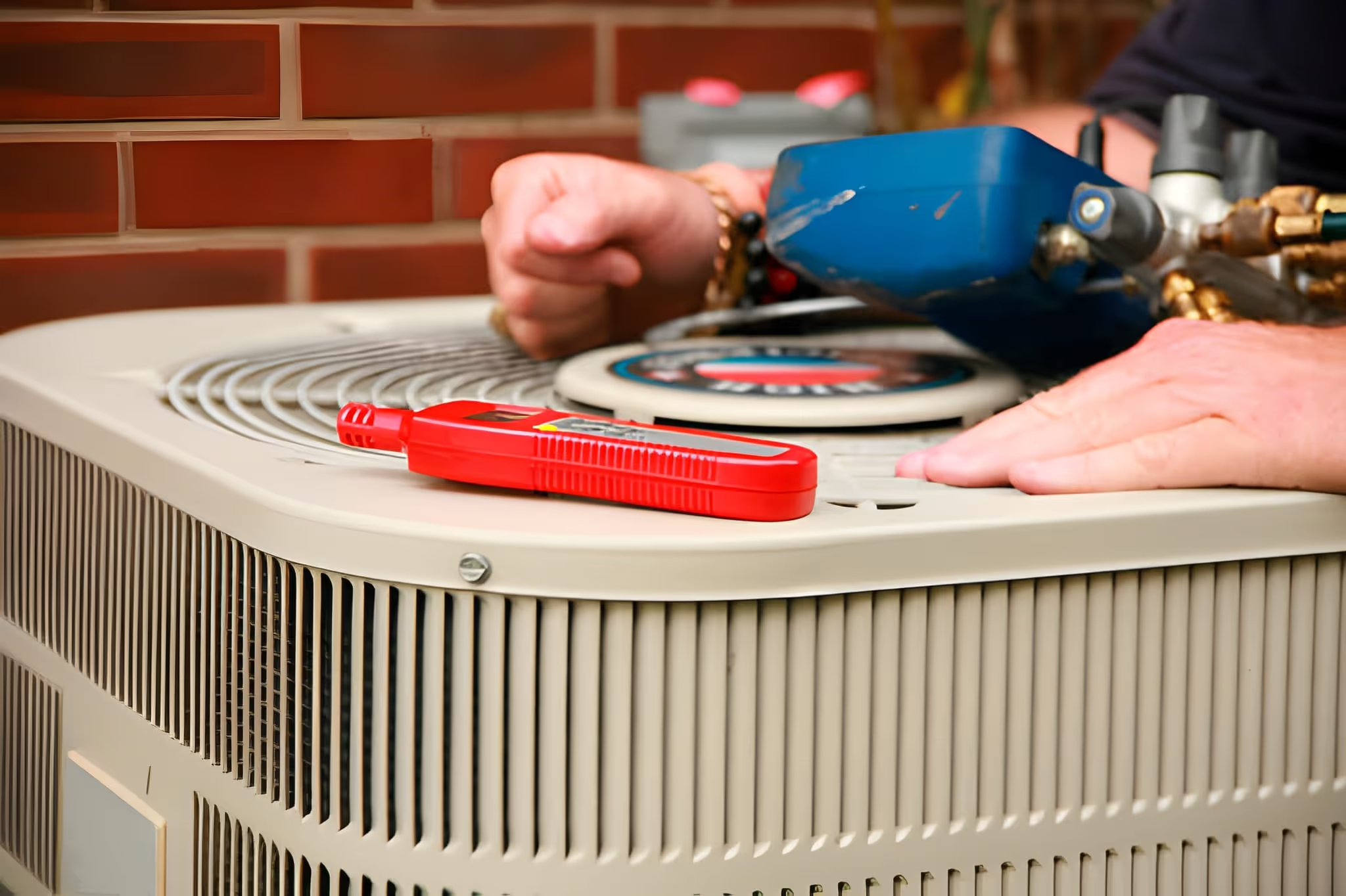
Alcoa experiences humid summers and wide temperature swings in spring and fall. That combination puts extra stress on cooling systems: coils and condensers can attract and hold pollen and grime, compressors work harder during high humidity, and ducts can lose efficiency from temperature differences. A professional Tune-Up:
- Restores cooling efficiency and comfort
- Reduces the risk of mid-summer breakdowns
- Extends equipment life by addressing wear before failure
- Improves indoor air quality by removing trapped debris
- Provides a clear performance report so you know what needs attention
Common AC issues we see in Alcoa homes
- Dirty evaporator and condenser coils from pollen, yard debris, and airborne particulates
- Restricted airflow caused by dirty filters, closed or blocked vents, or duct leaks
- Improper thermostat calibration leading to uneven temperatures or short cycling
- Low refrigerant or slow leaks that reduce cooling capacity
- Noisy motors and fans due to worn bearings or lack of lubrication
- Dripping or clogged condensate drains from buildup and humid conditions
Understanding these local, common failure points helps focus the Tune-Up on areas that matter most in Alcoa.
What a focused AC Tune-Up includes
A professional Tune-Up is more than a quick visual check. A thorough package should cover these key items:
- Inspection and cleaning of condenser and evaporator coils
- Remove debris, clear fins, and clean coil surfaces to restore heat transfer
- Condenser area clearance and coil fin straightening
- Ensure outdoor unit has proper airflow and free of plants or debris
- Thermostat calibration and control system check
- Confirm set points, cycle timing, and communication with the system
- Airflow and duct checks
- Measure supply and return airflow, check for blocked vents, and inspect accessible ductwork for obvious leaks or damage
- Refrigerant level verification
- Check pressures and temperatures to confirm proper charge; identify signs of leaks
- Check pressures and temperatures to confirm proper charge; identify signs of leaks
- Lubrication of moving parts and inspection of belts and bearings
- Reduce wear on motors and fans to prevent premature failure
- Electrical safety and component check
- Inspect wiring, contactors, capacitors, and safety controls for wear or heat damage
- Condensate drain inspection and cleaning
- Clear clogs to prevent overflow and moisture issues
- Performance report with recommended repairs
- Receive a concise, prioritized list of necessary repairs, estimated impact on efficiency, and suggested timing
Each step is done with attention to local conditions that affect performance, such as high humidity and seasonal pollen loads.
How technicians diagnose performance during a Tune-Up
A good Tune-Up combines hands-on inspection and simple diagnostic measurements to determine real-world performance:
- Visual inspection of components and airflow pathways
- Temperature split testing across evaporator coil to evaluate cooling efficiency
- Refrigerant pressure checks to identify undercharge or leaks
- Electrical load and voltage checks to detect stressed components
- Static pressure and airflow estimates to find duct or filter restrictions
- Functional test of thermostat cycles, safety switches, and fan motors
Technicians use these checks to generate a clear performance report with actionable recommendations, so you know whether the system is ready for summer or needs repairs.
Frequency and pricing guidance
- Typical recommendation: schedule a professional AC Tune-Up once per year, ideally in spring before the cooling season begins.
- For homes with heavy summer use, high humidity, pets, or significant pollen exposure: consider twice-yearly service (spring and mid-summer) to maintain peak efficiency.
- For heat pump systems: include a complementary fall check to confirm heating readiness.
- Pricing transparency: a quality Tune-Up should come with a clear list of included tasks and any additional repair estimates. Expect a performance report that prioritizes safety issues and efficiency improvements.
Note: Annual maintenance is the most cost-effective way to prevent larger repair bills and maintain warranty compliance on many systems.
How Tune-Ups help avoid breakdowns and improve efficiency
- Preventive maintenance catches small problems before they become system failures, reducing emergency service calls during peak heat.
- Clean coils and proper refrigerant levels restore the unit's design efficiency, often reducing run time and energy consumption.
- Proper lubrication and tightened electrical connections reduce component stress and premature failure.
- Airflow optimization and duct checks ensure conditioned air reaches living spaces, improving comfort without extra energy use.
Regular Tune-Ups also preserve resale value by demonstrating documented care of your HVAC system.
Practical homeowner tips between Tune-Ups
- Replace or clean filters every 1 to 3 months depending on usage and indoor air quality.
- Keep the outdoor condenser clear of grass, leaves, and plant growth for at least 2 feet on all sides.
- Ensure supply registers and return grilles are unobstructed by furniture or curtains.
- Use a programmable or smart thermostat to avoid unnecessary run time when no one is home.
- Check the condensate drain occasionally for slow drainage to catch blockages early.
hear what our satisfied clients have to say

David P.
Service areas