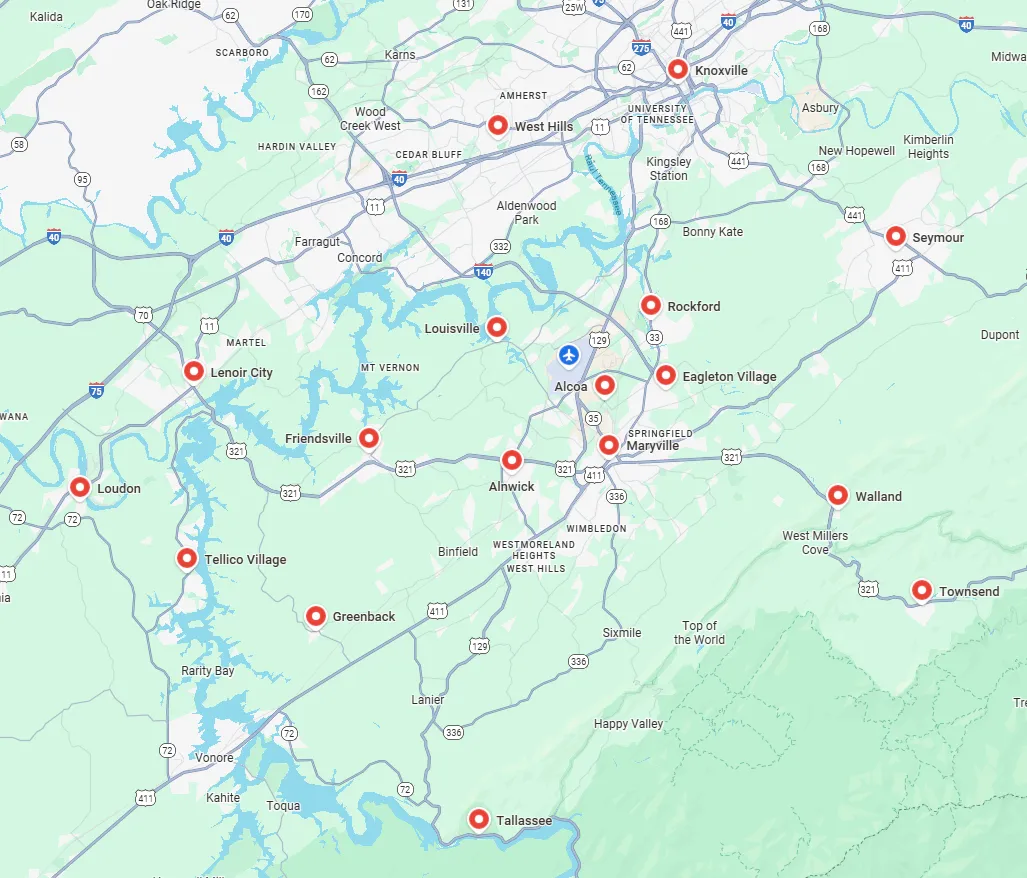


Heat Pump Installation in Alcoa, TN
Heat Pump Installation in Alcoa, TN
When it comes to staying comfortable in Alcoa, TN, you need a heating and cooling system that can truly handle our humid, hot summers and crisp Tennessee winters. That's where a professionally sized and installed heat pump really shines! It offers reliable year-round comfort, keeps humidity in check, and often uses less energy than older systems. At Everest Air Heating and Cooling, we understand what it takes to get it right. Let's talk about the heat pump installation process here in Alcoa, TN, from understanding your options and timelines to what happens during diagnostics, commissioning, and even how warranties and financing or rebates work.
Why install a heat pump in Alcoa, TN?
- Alcoa’s humid summers make dehumidification an important part of cooling performance. Modern heat pumps control humidity while delivering efficient cooling.
- Mild to moderately cold winters in East Tennessee make heat pumps a strong year‑round choice; cold‑climate models maintain efficiency during occasional subfreezing periods.
- Replacing aging heating systems or inefficient split systems with a properly sized heat pump often reduces utility bills and improves indoor comfort.
Common heat pump installation issues in Alcoa, TN homes
- Improper sizing from skippping a load assessment resulting in short cycling or inadequate heating.
- Aging or leaky ductwork that reduces system efficiency and comfort.
- Electrical service limitations in older homes that require panel upgrades for modern units.
- Poor outdoor unit siting (restricted airflow or inadequate clearance) that reduces performance.
- Permitting delays when local city or county permits and inspections are required.
Initial consultation and load assessment
A thorough installation begins with an on‑site consultation and load calculation:
- Home evaluation: Inspect insulation, windows, attic and crawlspace conditions, existing ductwork, and electrical service.
- Manual J load calculation: Determines heating and cooling needs based on home size, construction, orientation, and local climate data for Alcoa.
- Equipment selection review: Discuss efficiency targets (SEER, HSPF), capacity, and system configuration (ducted vs ductless) matched to your home and comfort goals.
This step avoids common pitfalls like oversized equipment, poor humidity control, or insufficient capacity during cold snaps.
Unit sizing and efficiency considerations (SEER / HSPF)
- SEER (Seasonal Energy Efficiency Ratio) measures cooling efficiency; higher SEER means lower cooling energy use.
- HSPF (Heating Seasonal Performance Factor) measures heat pump heating efficiency; important for winter performance.
- For Alcoa homeowners, balance higher SEER/HSPF ratings with upfront cost and expected energy savings. Cold‑climate heat pumps with strong HSPF ratings are a smart choice if you want reliable heating at lower outdoor temperatures.
Ducted vs. ductless systems - which is right for your Alcoa home?
Ducted heat pumps
- Best when existing ductwork is in good condition.
- Provide whole‑house comfort with centralized controls.
- Considerable work and cost if ducts need sealing, insulation, or replacement.
Ductless mini‑split systems
- Ideal for older or add‑on rooms without ducts, basement conversions, or zoned control goals.
- Flexible zoning reduces wasted energy cooling or heating unoccupied areas.
- Typically faster to install per zone and minimize invasive ductwork work.
Many Alcoa homes benefit from a hybrid approach: a ducted system for main living areas and ductless heads for additions or particularly problematic rooms.
Site preparation and permitting
- Site prep includes ensuring proper outdoor unit pad placement, clearances for airflow, and a safe power supply route.
- Local building permits may be required by the City of Alcoa or Blount County; electrical permits and inspections are common.
- If electrical service upgrades are needed, coordinate with a licensed electrician and the local utility to meet code and safety requirements.
Step-by-step professional installation and safety checks
- Pre‑installation: Verify load calculations, order equipment, and obtain necessary permits.
- Removal and preparation: Remove old equipment (if applicable), prepare pad or roof supports, and frame any ductwork access points.
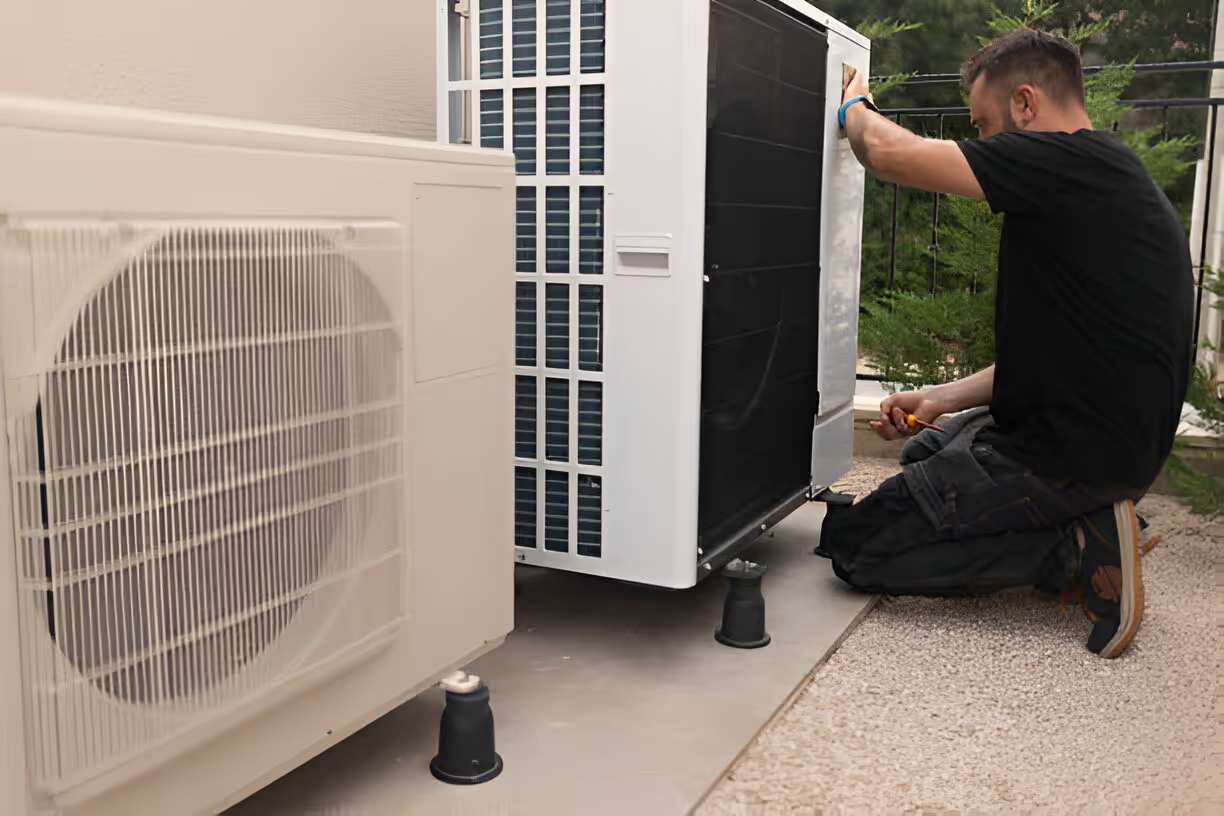
- Mechanical installation: Mount outdoor compressor/condenser, install indoor air handler or ducted coil, run refrigerant line sets and condensate drain.
- Electrical work: Connect to appropriate breakers, integrate disconnects, and install control wiring and thermostats.
- Ductwork modifications: Seal and insulate ducts, adjust registers and returns for proper airflow.
- Safety checks: Pressure test refrigerant lines, verify electrical connections, check gas piping if applicable, and ensure clearances and condensate handling meet code.
Testing and commissioning
- Refrigerant charge verification: Ensure correct refrigerant levels using superheat/subcool checks.
- Airflow measurement: Confirm proper CFM across indoor coil to achieve design performance.
- Temperature split and comfort checks: Verify expected temperature differential and even distribution throughout the home.
- System controls and backup heat testing: Validate thermostat programming, staging, and operation of auxiliary/backup heat if present.
- Documentation: Provide a commissioning report showing key test results and settings.
Warranties, financing, and rebates
- Warranties: Most systems include a manufacturer parts warranty plus a labor warranty provided by the installer. Extended warranties and scroll/compressor protection plans are commonly available.
- Financing: Many homeowners qualify for financing plans through local providers or installer partners to spread installation costs over time.
- Rebates and incentives: Alcoa residents may be eligible for federal tax credits, state incentives, or local utility rebates for high‑efficiency heat pumps. Programs change periodically, so review current incentives and ask about utility rebates through TVA or local power providers.
Timeline and pricing expectations for Alcoa installations
- Timeline overview:
- Initial consultation and load assessment: typically within days of request.
- Permit approvals: can range from a few days to a couple of weeks depending on municipal processing.
- Installation: a straightforward ductless or single‑zone replacement often completes in a day; a whole‑house ducted replacement generally takes 1–3 days. Complex jobs with ductwork repairs, electrical upgrades, or multi‑zone systems may extend to a week.
- Pricing factors (no specific dollar amounts provided):
- Equipment efficiency and capacity (higher SEER/HSPF increases cost).
- Scope of ductwork repairs or replacements.
- Electrical service upgrades and permitting fees.
- Need for multiple indoor units or specialized mounting (roofs, crawlspaces).Understanding these drivers helps set realistic expectations and avoids surprises during the project.
Post‑installation care and long‑term benefits
- Regular maintenance (annual or biannual checkups) preserves efficiency, extends equipment life, and maintains warranties.
- Benefits include improved humidity control, consistent comfort, quieter operation, and lower operating costs versus older systems.
- Seasonal tune‑ups and timely filter replacement keep the system running as designed for Alcoa’s climate.
By following a systematic, code‑compliant installation process - from accurate load assessment and proper sizing to careful commissioning and local permitting — homeowners in Alcoa, TN can upgrade to a heat pump that delivers reliable, efficient comfort year‑round.
hear what our satisfied clients have to say

David P.
Service areas