

HVAC Installation in Alcoa, TN
HVAC Installation in Alcoa, TN
Investing in a new heating and cooling system for your Alcoa, TN home is a big decision. Here in Alcoa, with our hot, humid summers, cool mountain-influenced winters, and all those seasonal challenges from pollen and moisture, having the right HVAC installation makes a huge difference. Everest Air Heating and Cooling ensures your new system will improve your comfort, effectively control humidity, and help lower those energy bills. You can trust Everest Air Heating and Cooling to handle this important upgrade with expertise and care.
Common HVAC installation needs in Alcoa, TN
Alcoa properties typically seek new installations for several reasons:
- Aging or failing central HVAC systems that no longer cool or heat efficiently
- New construction or room additions needing properly sized equipment
- Switching to high-efficiency heat pumps to reduce long-term operating costs
- Replacing or repairing ductwork in older homes built before modern sealing standards
- Installing ductless Mini Split systems for additions, garages, or rooms without ductwork
- Upgrading controls with smart thermostats and zoning for better comfort and lower utility use
Understanding the specific local needs - humidity control in summer, reliable heating in winter, and allergies during spring — helps guide equipment and design choices tailored to Alcoa homes.
Comprehensive initial assessment and load calculations
A professionally performed assessment is the foundation of a correct HVAC installation. Technicians should:
- Conduct a full site visit and inspection of the home or building layout, insulation levels, window types, orientation, and attic or crawlspace conditions.
- Perform accurate load calculations (commonly called Manual J) to determine heating and cooling needs by room. This prevents oversizing or undersizing equipment.
- If ducts exist, evaluate duct layout and condition with a Manual D assessment to size and balance ductwork correctly.
Accurate load and duct calculations ensure the new system will maintain consistent temperatures and humidity levels without short cycling or excessive runtime.
Equipment selection and energy-efficiency considerations
Choosing the right equipment affects comfort, longevity, and operating costs. Key factors to consider:
- Seasonal efficiency ratings like SEER and HSPF for cooling and heating performance.
- Variable-speed compressors and fans for quieter operation, improved humidity control, and better efficiency during part-load conditions.
- Heat pumps - especially modern cold-climate or high-efficiency models - are a strong option for many Alcoa homes that want efficient year-round performance.
- Matching indoor air quality accessories (filtration, UV lights, humidifiers/dehumidifiers) to local pollen and humidity concerns.
Many homeowners can take advantage of federal tax credits and local utility or TVA-era rebate programs for high-efficiency equipment. Financing options are also commonly available to make efficient upgrades more accessible.
Ductwork vs ductless Mini Split options
Two primary distribution strategies are common in the Alcoa area:
- Ducted systems: Best for whole-house installations where good duct design and sealing are achieved. Replacing or sealing old ducts and adding insulation can dramatically improve performance in Alcoa’s seasonal climate.
- Ductless Mini Splits: Ideal for room additions, historic homes without ductwork, or situations where targeted temperature control and high efficiency are desired. Mini Splits offer zoning capabilities and are less invasive to install.
Choosing between ducted and ductless depends on home layout, budget, and long-term goals for comfort and efficiency.
Professional installation steps, permitting, and warranties
A quality HVAC installation follows an organized, code-compliant process:
- Pre-install planning and material staging based on the assessment and load calculations.
- Obtaining required permits from local building authorities (Alcoa and Blount County permitting and inspection requirements are typically followed) and scheduling any required inspections.
- Removal of the old equipment, careful handling of refrigerants, and preparation of mounting pads and electrical connections.
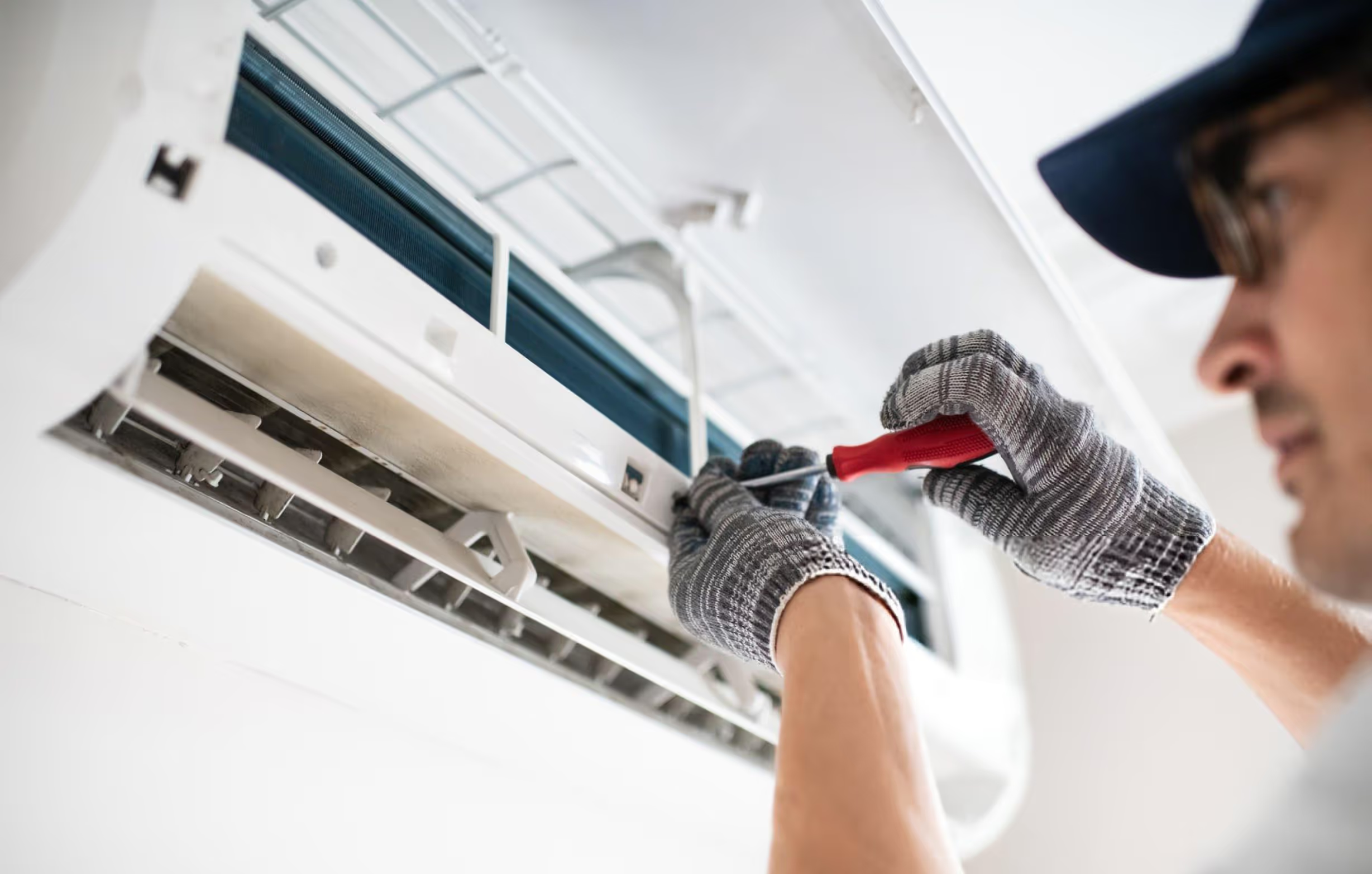
- Proper installation of the outdoor unit, indoor air handler or furnace, duct modifications or Mini Split indoor heads, and necessary electrical and gas connections by licensed technicians.
- Manufacturer warranty registration and documentation of labor warranties. Make sure both equipment and installation labor warranties are provided in writing.
Permitting and inspection protect homeowners by ensuring the installation meets local building codes and safety standards.
Post-install testing and homeowner orientation
After installation, rigorous testing ensures the system is performing as designed:
- Measure airflow, refrigerant charge, and system pressures to factory specifications.
- Verify electrical connections, safety controls, and thermostat calibration.
- Test humidity control and temperature recovery under typical operating conditions.
A professional installation includes a homeowner orientation covering thermostat operation, recommended settings for Alcoa’s climate, filter replacement intervals, and what to expect during the first weeks of operation. This handoff helps homeowners get the most from their investment.
Financing, rebates, and long-term value
Many Alcoa homeowners qualify for financing plans and energy-efficiency rebates which make higher-efficiency systems attainable. In addition to immediate comfort improvements, the right system provides:
- Lower monthly energy costs through higher efficiency and proper sizing
- Better indoor air quality and humidity control, reducing mold and allergy triggers common in East Tennessee
- Longer equipment life and fewer repairs when installed correctly and maintained regularly
Ask your installer about available federal credits and local utility rebate programs that apply to high-efficiency heat pumps and equipment.
Maintenance advice and getting the most from your new system
To protect your new HVAC system and sustain efficiency:
- Replace or clean filters regularly; consider higher-MERV filters if indoor air quality is a concern.
- Schedule professional seasonal Tune-Ups to maintain efficiency and catch minor issues early.
- Keep outdoor units clear of debris, leaves, and dense vegetation to ensure airflow.
- Consider a maintenance plan for priority service and routine inspections tailored to Alcoa’s seasonal needs.
A properly installed and maintained HVAC system will deliver consistent comfort, improved air quality, and predictable operating costs for years.
hear what our satisfied clients have to say

David P.
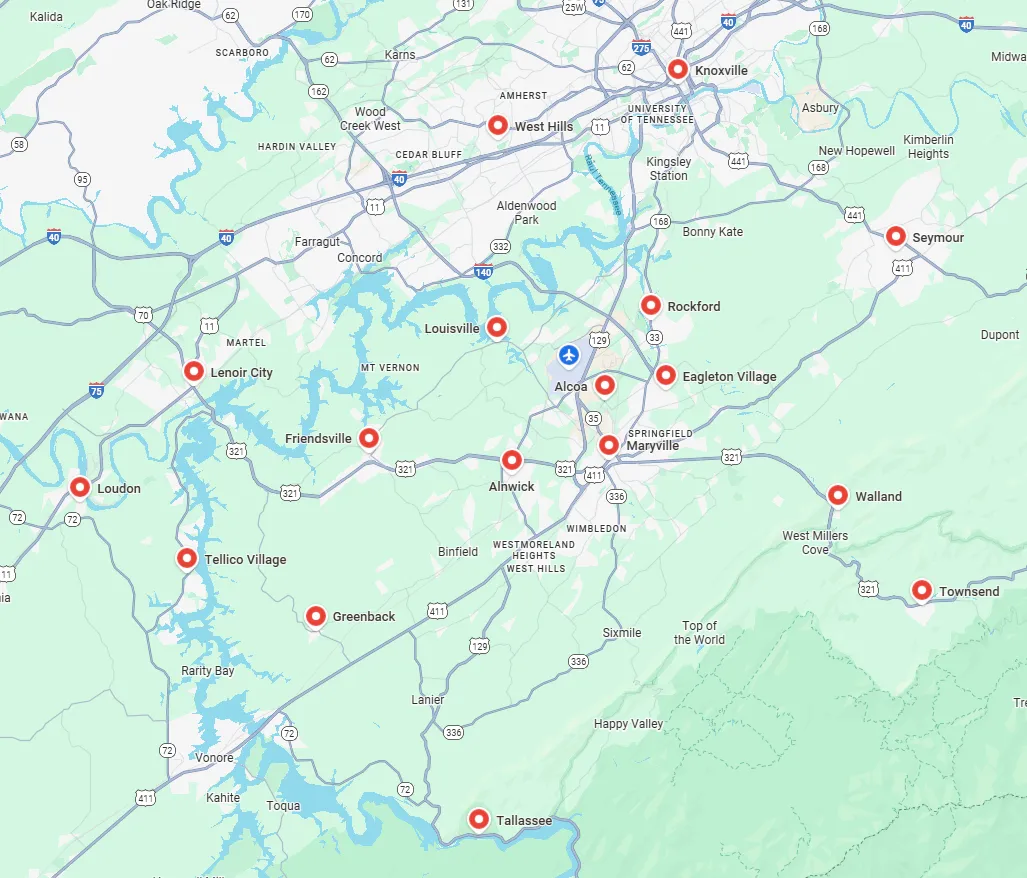
Service areas