

HVAC Maintenance in Walland, TN
At Everest Air Heating and Cooling, we know that truly dependable indoor comfort always begins with a little preventive care. In Walland, TN, HVAC maintenance isn't just a nice-to-have; it's an absolute must, especially with our humid summers, pollen-filled springs, and those chilly, mountain-adjacent winters. Regular, professional maintenance helps you cut down on energy use, makes your equipment last longer, ensures better indoor air quality, and most importantly, stops those emergency breakdowns right when you need your heating or cooling the most. Let's delve into our routine and preventive maintenance programs, what a seasonal Tune-Up involves, common HVAC issues in Walland homes, the many benefits of consistent service, and all the details of the Y.E.T.I Comfort Plan—including fall and spring checkups, priority scheduling, and great discounts. We'll also explain how enrollment works, so you can make the best decision for your home with Everest Air Heating and Cooling.
.avif)
Why HVAC maintenance matters in Walland, TN
Walland sits at the edge of the Great Smoky Mountains and experiences wide seasonal swings. Summers are warm and humid, driving air conditioners hard for months. Springs bring heavy pollen and allergens that clog filters and coils. Winters can be cool and damp, causing systems to run longer and exposing furnaces or heat pumps to different stresses. Many homes in the area also have older ductwork, crawlspaces, or wood-burning sources that increase dust and particulates. These local conditions make regular HVAC maintenance critical to protect system performance and indoor comfort.
Careful, scheduled maintenance helps:
- Maintain efficient operation during peak cooling and heating seasons
- Prevent premature equipment failure caused by dust, pollen, and humidity
- Reduce energy consumption and lower monthly utility bills
- Keep indoor air cleaner by addressing filters, coils, and duct issues
- Preserve manufacturer warranties that often require documented maintenance
Everest Air Heating and Cooling designs maintenance programs with these local challenges in mind to keep Walland homes comfortable year-round.
Common HVAC maintenance issues in Walland, TN homes
Understanding common issues helps homeowners know what to expect and why preventative maintenance is valuable. In Walland, the most frequent problems include:
- Clogged air filters from pollen and household dust, reducing airflow and efficiency
- Dirty evaporator and condenser coils that lower cooling capacity and raise run times
- Refrigerant leaks or low refrigerant charge in older systems, causing poor cooling and higher energy use
- Clogged condensate drains and pans leading to water damage or system shutdowns
- Faulty or corroded electrical connections, contactors, and capacitors due to humidity
- Reduced airflow from duct leaks, disconnected ducts in crawlspaces, or undersized returns
- Burner or heat exchanger issues in gas furnaces that can affect safety and efficiency
- Thermostat calibration and sensor problems causing short cycling or uneven comfort
- Wear on belts, bearings, and motors that increases noise and lowers efficiency
Routine maintenance catches these conditions early, addressing root causes before they become costly repairs.
Types of maintenance services offered
Everest Air Heating and Cooling provides comprehensive, service-level maintenance tailored to residential and light commercial systems common in Walland. Core services include:
- Seasonal Tune-Ups (spring for cooling, fall for heating)
- Filter inspection and replacement recommendations
- Condenser and evaporator coil cleaning
- Safety inspections for gas furnaces and combustion appliances
- Refrigerant level checks and diagnostic leak detection if required
- Electrical safety checks, tightening, and testing of components
- Condensate drain cleaning and treatment to prevent clogs and mold
- Airflow measurements and duct inspection guidance
- Performance testing and system efficiency adjustments
- Documentation of service and a maintenance checklist for your records
These services can be scheduled individually, but preventive maintenance programs bundle the essential checks for a coordinated approach.
What a seasonal Tune-Up includes
A seasonal Tune-Up is the cornerstone of preventive care. During a standard spring or fall visit, an Everest Air technician will perform a methodical inspection and service routine to prepare your heating or cooling system for the coming season. Typical Tune-Up tasks include:
- Visual inspection of indoor and outdoor units for obvious damage or wear
- Changing or inspecting air filters and advising on appropriate MERV levels for your home
- Cleaning and straightening condenser fins and cleaning coils as needed
- Checking refrigerant charge and pressures; evaluating for leaks
- Inspecting and testing capacitors, contactors, relays, fuses, and wiring
- Measuring airflow and inspecting blower assembly for balance and belt condition
- Checking thermostat operation and recalibrating or replacing batteries if required
- Inspecting condensate drains and pans; clearing blockages and applying antimicrobial treatment if needed
- For gas furnaces: inspecting burners, pilot or ignition systems, gas pressure, and heat exchanger for cracks or corrosion
- Running a performance test to confirm appropriate temperature split and system responsiveness
- Providing a written report of findings, recommended repairs, and an estimate for any corrective work
This consistent, detailed approach ensures systems operate safely and efficiently when demand is highest.
Diagnostics and performance testing explained
Diagnostic testing is a crucial part of professional maintenance. Everest Air technicians use measured data rather than guesswork to evaluate system health. Key diagnostic steps include:
- Static pressure and airflow readings: Confirms whether the system is delivering the required air volume. Low airflow often points to dirty filters, duct restrictions, or blower issues.
- Temperature split and delta T: Compares return and supply temperatures to measure cooling or heating effectiveness. An abnormal temperature split indicates refrigerant issues, airflow problems, or compressor trouble.
- Electrical load and amperage testing: Verifies motors and compressors are operating within manufacturer specifications. Over- or under-amperage can signal impending motor or compressor failure.
- Refrigerant pressure checks: Ensures proper charge and performance. Low refrigerant reduces cooling capacity and increases energy use; high refrigerant pressures can stress components.
- Combustion and CO testing for gas appliances: Safety-critical checks that confirm burners and heat exchangers are operating correctly and not producing unsafe levels of carbon monoxide.
- Condensate flow and pan checks: Ensures proper drainage to avoid water damage and microbial growth.
These tests provide objective evidence of system condition and inform any recommended repairs or adjustments.
Filter and coil cleaning: the backbone of maintenance
Two of the single most effective maintenance actions are clean filters and clean coils.
Filters
- Regular filter replacement keeps airflow high and reduces strain on the blower.
- Walland homeowners should expect to change basic fiberglass or pleated filters every 1 to 3 months during high-use seasons; high-efficiency filters (higher MERV) may require more frequent checks.
- For households with pets or allergies, higher-rated particulate filters or frequent changes help maintain indoor air quality.
Coils
- Evaporator and condenser coils collect dirt over time, which insulates the coil and reduces heat transfer. Dirty coils can increase run time and energy use dramatically.
- Coil cleaning involves removing debris and using specialized coil cleaners to restore heat transfer efficiency without damaging aluminum fins.
- In Walland, seasonal pollen and debris accumulation make coil cleaning a high-value item in any Tune-Up.
Together, clean filters and coils reduce energy consumption, improve comfort, and lengthen equipment life.
Safety inspections and what they cover
Safety is a top priority. The safety inspection portion of maintenance focuses on components that can endanger occupants if left unchecked:
- Heat exchanger inspection for cracks or signs of corrosion that could allow combustion gases into living spaces
- Combustion gas analysis and carbon monoxide checks for gas furnaces, boilers, and water heaters connected to the same flue system
- Verification of proper venting and chimney clearances
- Electrical connection integrity to reduce the risk of shorts or fires
- Condensate and pan drainage to prevent microbial growth and structural water damage
- Safety control testing, including limit switches, pressure switches, and flame rollout sensors
Documented safety checks protect both the household and the long-term condition of equipment.
Benefits of regular HVAC maintenance
Regular maintenance delivers measurable benefits for Walland homeowners:
- Energy savings: Well-maintained systems operate more efficiently, often using 10 to 20 percent less energy than neglected units.
- Extended equipment life: Routine care reduces wear and tear, helping equipment reach or exceed expected lifespans.
- Fewer emergency repairs: Early identification of issues prevents catastrophic failures and inconvenient breakdowns during heat waves or cold snaps.
- Improved reliability: Systems perform predictably when they are regularly inspected and adjusted.
- Better indoor air quality: Clean filters, coils, and ducts reduce airborne particulates and allergens.
- Safety assurance: Routine checks minimize the risk of dangerous conditions related to combustion appliances.
- Warranty protection: Many manufacturer warranties require regular documented maintenance to remain valid.
For houses in Walland where seasonal extremes can stress systems, these benefits translate directly into comfort and financial stability.
The Y.E.T.I Comfort Plan: preventive care tailored for Walland
Everest Air Heating and Cooling backs maintenance offerings with the Y.E.T.I Comfort Plan, a structured preventive maintenance program designed for year-round peace of mind. The Y.E.T.I plan focuses on reliability, convenience, and cost containment through routine checks and priority service.
Key features of the Y.E.T.I Comfort Plan:
- Fall and spring checkups: Two comprehensive Tune-Ups per year to prepare your system for heavy-use seasons and catch off-season problems early.
- Priority scheduling: Members receive priority appointment windows, which can be particularly valuable during heat waves, cold snaps, or high-demand periods in the Walland area.
- Discounted service calls: Plan members receive an ongoing discount on service calls to reduce the cost of corrective repairs discovered during routine maintenance.
- Detailed service documentation: After each visit you receive a clear service report and recommended next steps, creating a maintenance history useful for warranty and resale value.
- Tailored advice for Walland homes: Technicians provide location-specific recommendations, such as addressing pollen loads in spring, humidity control in summer, and heat distribution in older or multi-level homes.
- Transferability options: Depending on plan terms, coverage may transfer to a new owner if a home is sold, providing a documented maintenance history that supports property value.
The Y.E.T.I Comfort Plan is structured to reduce surprises, keep systems efficient, and deliver consistent performance across Walland’s seasonal cycles.
How enrollment works (what to expect)
Enrollment in a preventive maintenance program is straightforward and designed to be transparent. While there are multiple administrative options to complete enrollment, the typical process is:
- System review and qualification
- Provide basic information about your heating and cooling systems, including make, model, age, and any recent service history.
- A technician may perform an initial inspection to confirm system condition and recommend plan level if needed.
- Select plan level
- Choose the package that fits your needs, such as single-system residential coverage or multi-system household plans for larger homes.
- Plan options differ by number of Tune-Ups, additional benefits like parts discounts, and priority scheduling levels.
- Enrollment documentation
- You receive a written agreement outlining the services included, maintenance frequency, member benefits, and terms of service.
- The documentation also explains scheduling norms and how service visits are logged.
- Initial scheduling and baseline Tune-Up
- An initial Tune-Up is scheduled to establish a baseline and record system condition in the maintenance log.
- The technician performs the first full inspection, documents findings, and recommends any immediate corrective work that may be necessary.
- Ongoing service and record keeping
- Future Tune-Ups are scheduled seasonally and reminders are provided in advance per the plan terms.
- After each visit, a detailed service report is maintained with recommendations and records of performed tasks.
This enrollment flow ensures that every member has a clear understanding of coverage, scheduling cadence, and expectations for ongoing maintenance.
What happens if a needed repair is found during a Tune-Up
If maintenance reveals a repair need, the technician will provide:
- A clear description of the issue and why it matters
- A prioritized list of recommended repairs and replacements
- An estimate of the likely outcomes and how the repair restores performance or safety
- Options for addressing the problem, including temporary measures when immediate full repair is not necessary
The Y.E.T.I Comfort Plan includes a discount on service calls and can make the cost of repairs more manageable. Regular maintenance reduces the frequency and severity of discovered issues, but when repairs are essential, plan members benefit from documentation and reduced service costs.
Maintenance tips specific to Walland homeowners
You can improve system resilience between professional visits with a few practical habits that match local conditions:
- Change or inspect disposable filters monthly during peak pollen season and at least every 3 months in lower-use periods.
- Keep outdoor units clear of leaves, pollen, and debris. Trim vegetation to maintain 2 to 3 feet of clearance for airflow.
- Ensure vents and returns inside the home are not blocked by furniture or curtains to preserve airflow balance.
- Consider a programmable or smart thermostat to reduce run time and save energy while maintaining comfort.
- For homes with high humidity or basements, consider evaluating dehumidification options to protect equipment and improve comfort.
- If your home uses wood-burning appliances, schedule additional indoor air quality checks to address soot and particulates buildup.
These practical actions complement professional maintenance and are particularly effective in Walland’s environment.
Choosing the right maintenance frequency and add-ons
Most residential systems benefit from two professional Tune-Ups per year: one in spring for the cooling season and one in fall for the heating season. Additional add-on services may include:
- Duct inspection and targeted cleaning when significant dust, mold, or animal intrusion is suspected
- Indoor air quality assessments, including UV germicidal lights, advanced filtration, or whole-home humidifiers and dehumidifiers
- Priority replacement planning for older systems nearing end of service life, based on documented maintenance history
Everest Air Heating and Cooling can help determine the most cost-effective frequency and add-ons based on your system type, age, and home usage patterns.
Long-term value and documentation
Regular, documented maintenance delivers long-term returns by:
- Preserving manufacturer warranties that require proof of scheduled service
- Providing a maintenance history that can increase the resale value of a home
- Demonstrating proactive care that supports insurance and safety records
Everest Air Heating and Cooling maintains comprehensive service records for Y.E.T.I Comfort Plan members and provides clear reports after every Tune-Up.
FAQs
Q: How often should I schedule HVAC maintenance in Walland, TN?
A: The standard recommendation is two professional Tune-Ups per year: one in spring for cooling and one in fall for heating. Additional checks may be required for older systems or homes with heavy indoor particulates.
Q: What does the Y.E.T.I Comfort Plan include?
A: The Y.E.T.I Comfort Plan includes fall and spring Tune-Ups, priority scheduling, a discount on service calls, and detailed service documentation tailored to local needs.
Q: Will routine maintenance reduce my energy bills?
A: Yes. Properly maintained systems run more efficiently, which often results in lower monthly energy use. Typical energy savings vary but can be significant when filters, coils, and airflow are kept in optimal condition.
Q: Can preventive maintenance prevent emergency breakdowns?
A: Regular maintenance identifies early signs of wear and potential failures, reducing the likelihood of sudden breakdowns during extreme weather periods.
Q: How do I enroll in the Y.E.T.I Comfort Plan and what information do I need?
A: Enrollment involves a system review, selection of a plan level, completing enrollment documentation, scheduling an initial Tune-Up, and maintaining ongoing service records. You will typically provide system make, model, and age to help determine plan fit.
Q: Are safety inspections included with maintenance?
A: Yes. Standard Tune-Ups include safety checks such as heat exchanger inspection, combustion testing for gas equipment, electrical connection assessments, and condensate drain inspections.
Q: Will maintenance help with indoor air quality in homes with pets or allergies?
A: Proper filter selection, regular filter changes, coil cleaning, and duct inspection all contribute to improved indoor air quality. Additional IAQ upgrades can be recommended based on household needs.
Q: Is maintenance required to keep my equipment warranty valid?
A: Many manufacturers require documented routine maintenance to honor warranty terms. Keeping detailed service records helps ensure compliance with these requirements.
hear what our satisfied clients have to say

David P.
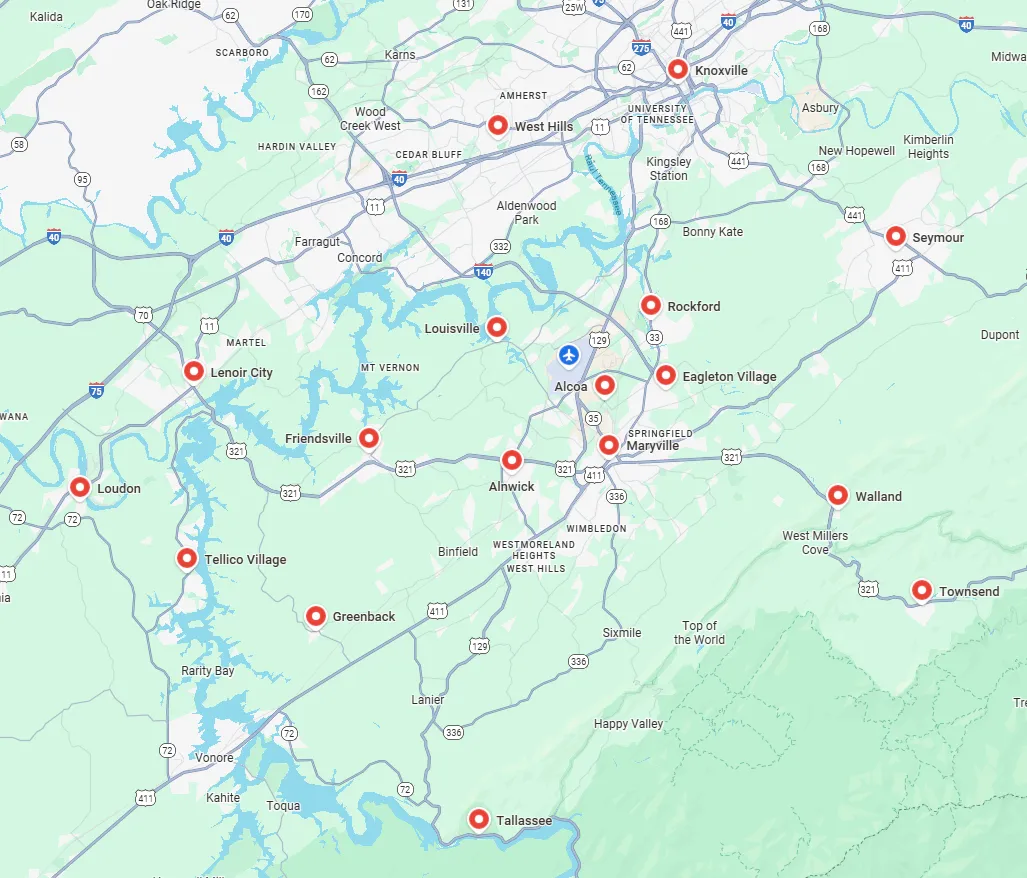
Service areas