

Heating Tune-Up in Walland, TN
Keeping your home warm, safe, and wonderfully energy-efficient through Walland winters truly begins with a professional heating Tune-Up. Everest Air Heating and Cooling is proud to offer a comprehensive seasonal Tune-Up, specifically crafted to prevent frustrating emergency breakdowns, help you significantly lower your heating costs, and restore reliable performance to all types of heating systems – from furnaces and heat pumps to ductless systems and boilers – commonly found in Walland, TN homes. Whether you call a cozy mountain-side cabin near the Great Smoky Mountains home, live in a modern subdivision, or cherish an older farmhouse, our targeted Tune-Up directly addresses the unique climate challenges and equipment stress that homes throughout our local area often encounter.
.jpeg)
Why a heating Tune-Up matters in Walland, TN
Walland sits at the foothills of the Smokies, where winter temperatures can swing from mild to frigid and humidity patterns shift as seasons change. Those temperature swings and valley microclimates place additional demand on heating systems. Heavy leaf fall, occasional ice, and cooler nights mean outdoor units and vents can be obstructed or stressed. Many Walland homes are also older or built for seasonal use, which increases the need for careful inspection of heat exchangers, combustion components, and duct integrity.
A thorough Tune-Up reduces the chance of midwinter failures when repair options are limited and heated comfort is most important. It also protects indoor air quality and household safety by checking for carbon monoxide pathways, flue integrity, and proper combustion in gas-fired systems. For heat pump and ductless systems, a preseason check ensures refrigerant levels, reversing valve performance, and defrost cycles are operating optimally as temperatures begin to drop.
Common heating problems in Walland, TN homes
- Uneven heating between rooms or across floors, often due to duct leaks, imbalanced airflow, or undersized systems in older homes.
- Short cycling or frequent on/off cycles, which increase wear and raise energy use.
- Rising utility bills despite normal comfort levels, caused by dirty filters, failing components, or poor combustion efficiency.
- Noisy operation: rattles, squeals, or banging that can indicate loose panels, failing bearings, or airflow blockages.
- Delayed ignition or pilot outages in gas furnaces, increasing risk of unburned fuel or system lockouts.
- Heat pump performance issues in cold snaps: inadequate heat output, excessive frost buildup on the outdoor coil, or long defrost cycles.
- Poor indoor air quality from dirty coils, clogged filters, or duct contamination — especially relevant in homes with seasonal occupancy.
- Electrical problems such as tripped breakers, blown fuses, or worn capacitors and contactors that can lead to sudden failures.
- Flue or vent blockages, condensation buildup in older chimneys, or cracked heat exchangers that pose safety hazards.
Each of these problems is common in climates like Walland, where seasonal debris and temperature extremes combine with older building stock to stress HVAC systems. A proactive Tune-Up helps identify and correct these issues before they escalate.
What an Everest Air heating Tune-Up includes
Our heating Tune-Up package is built to be thorough, safety-focused, and tuned to local conditions in Walland. The checklist below covers the main elements technicians inspect, test, and service during a standard Tune-Up:
- Safety and combustion checks
- Visual inspection of heat exchanger and combustion chamber for cracks, corrosion, or soot buildup
- Carbon monoxide and combustion gas testing where applicable
- Flue and vent inspection for blockages, corrosion, or improper termination
- Electrical and control system review
- Tightening and inspection of electrical connections
- Testing of capacitors, contactors, relays, and control boards
- Verification of proper thermostat communication and calibration
- Mechanical cleaning and adjustment
- Thorough cleaning of burners, pilot assemblies, and ignition components
- Cleaning and lubrication of blower motor and bearings where required
- Inspection and adjustment of belts, pulleys, and blower wheel balance
- Airflow and distribution
- Filter inspection and replacement recommendations
- Measurement of airflow and static pressure to identify duct issues
- Visual inspection of ductwork for leaks, damage, or poor insulation
- Heat pump and refrigerant checks (if applicable)
- Refrigerant level check and inspection for leaks
- Outdoor coil cleaning and defrost cycle evaluation
- Compressor and reversing valve performance testing
- Performance and efficiency testing
- Temperature rise measurement across the heat exchanger for furnaces
- System run test to monitor cycling, temperature stability, and response
- Estimation of equipment efficiency and recommendations for improvement
- Minor repairs and recommendations
- Identification and documentation of small repairs that can be completed on the spot or scheduled: filter replacement, belt change, capacitor swap, thermostat recalibration, and condensate drain cleaning
- Clear notes for any larger issues that need follow-up repair or replacement
Technicians also document findings and explain the condition of the system in plain language, so homeowners in Walland understand any safety concerns, efficiency impacts, or repair priorities.
Diagnostic process: what technicians check first and why
A systematic diagnostic approach prevents missed issues and ensures the Tune-Up delivers measurable benefits:
- System history and symptoms: Technicians ask about recent performance, unusual noises, or comfort complaints. This helps prioritize checks that match the homeowner experience.
- Visual inspection: Panels removed, components visually examined for corrosion, leaks, or wear. Visual cues often reveal the root cause.
- Safety verification: For gas systems, initial checks confirm safe operation before further testing. This prioritizes occupant safety.
- Electrical and controls testing: Loose electrical connections are a common cause of failures and inefficiency; testing amperage and voltage identifies stressed components.
- Airflow measurement: Proper airflow is central to performance. Measurement detects clogged filters, dirty coils, or duct leaks.
- Combustion and efficiency testing: Measuring temperature rise and combustion products quantifies how well the system is delivering heat and burning fuel.
- Run test and seasonal simulation: A warmup to full operating conditions confirms stability and surfaces intermittent problems like cycling or delayed ignition.
- Final documentation and recommendations: Findings recorded with prioritized recommendations for repairs or improvements and estimated impact on safety and efficiency.
This diagnostic flow is designed to catch both obvious and subtle problems that show up in Walland homes after months of seasonal change.
Typical minor repairs and solutions recommended after a Tune-Up
Many Tune-Up visits reveal small but important items that can be fixed quickly to restore efficiency and reliability:
- Filter replacement: A clean filter improves airflow and reduces blower strain.
- Capacitor or contactor replacement: Restores reliable starts for motors and compressors.
- Ignition sensor or pilot cleaning: Fixes delayed starts and reduces fuel waste.
- Belt replacement and blower balancing: Eliminates noise and improves airflow.
- Duct sealing and insulation recommendations: Reduces heat loss in older walls and crawlspaces common in the area.
- Thermostat recalibration or upgrade suggestion: A properly calibrated thermostat reduces short cycling and improves comfort control.
- Condensate line cleaning: Prevents water damage and limits microbial growth in humid months.
- Minor refrigerant top-off with leak inspection (for heat pumps): Restores heating capacity and prevents compressor stress.
These repairs are focused on restoring performance and preventing emergency calls during cold snaps.
Benefits of regular heating Tune-Ups for Walland homeowners
- Improved reliability during winter peaks: Preventive service catches wear and failure points before they become breakdowns on the coldest nights.
- Lower energy use and reduced bills: Clean, adjusted systems run more efficiently. Well-maintained equipment can use significantly less fuel or electricity to produce the same comfort.
- Extended equipment lifespan: Regular maintenance slows the wear that leads to premature failure, stretching the useful life of the system by years.
- Better indoor air quality: Clean coils, filters, and ducts reduce dust, allergens, and odors in homes where pollen and fallen leaves may have infiltrated vents.
- Safety assurance: Carbon monoxide testing, heat exchanger checks, and flue inspections reduce risk for families in older homes.
- Reserved value for resale or seasonal rentals: Well-documented maintenance history is an asset for sellers and property managers of vacation homes around the Smokies.
- Warranty protection: Many manufacturers require regular professional maintenance to keep warranties valid. A documented Tune-Up by Everest Air helps meet those requirements.
- Peace of mind for seasonal occupancy: For homeowners who use Walland properties part-time, a preseason Tune-Up ensures systems return to service safely and reliably after inactivity.
How often to schedule a Tune-Up in Walland, TN
- Gas furnaces and boilers: Annual preseason Tune-Up before the heating season is recommended, ideally in early fall.
- Heat pumps and ductless Mini Splits: Twice yearly service is best: once in fall for heat mode and once in spring for cooling mode, since these systems handle both heating and cooling loads.
- Older systems and high-use equipment: Semiannual checks can prevent issues in homes with heavy occupancy, vacation rentals, or older machinery.
- After extended inactivity: If a system has been unused for a season or longer, a full Tune-Up is advisable before relying on it for consistent heat.
Frequency can vary by equipment age, household needs, and occupancy patterns. Everest Air Heating and Cooling documents each visit, making it easy to track service intervals and equipment condition over time.
What to expect from an Everest Air Tune-Up visit in Walland
Everest Air technicians bring a family-owned approach combined with professional standards. Typical expectations include:
- Punctual, respectful interaction and a clear explanation of what will be inspected.
- Thorough, no-shortcuts inspection following industry best practices and local considerations specific to Walland homes.
- Clean work area practices and respectful handling of property, particularly in older or high-value homes.
- Clear documentation of findings, prioritized recommendations, and straightforward explanations of safety concerns and efficiency impacts.
- Coordinated follow-up for any recommended repairs, upgrades, or second-opinion items, with options explained so homeowners can choose what fits their needs and budget.
Members of the Y.E.T.I Comfort Plan receive service advantages such as scheduled checkups and ongoing maintenance records, which is useful for multi-season planning and warranty documentation.
Homeowner maintenance tips between Tune-Ups
While professional Tune-Ups handle the heavy lifting, simple homeowner actions help maintain system performance between visits:
- Replace or clean filters regularly. Every 30 to 90 days depending on filter type and household conditions.
- Keep outdoor heat pump and condenser units clear of leaves, debris, and snow. Trim back vegetation to maintain airflow.
- Maintain clear vents and registers indoors. Do not block return or supply registers with furniture.
- Keep the area around heat registers and furnaces free of stored items to reduce fire risk.
- Monitor and record unusual noises, odors, or cycling behavior, and share those notes with technicians during service.
- If you have radiators, bleed them annually to remove trapped air and improve circulation.
- Insulate exposed ductwork in unconditioned spaces like crawlspaces or attics to reduce heat loss.
- Consider a programmable or smart thermostat to reduce run time during unoccupied hours while maintaining comfort when needed.
These simple practices reduce strain on the system and make the next professional Tune-Up more effective.
FAQs
Q: What is the difference between a Tune-Up and a repair?
A: A Tune-Up is preventive maintenance intended to inspect, clean, calibrate, and make minor adjustments so the system runs safely and efficiently. A repair addresses a specific failed component or malfunction. Tune-Ups often reveal items that should be repaired, but their purpose is to prevent breakdowns rather than respond to an immediate fault.
Q: How long does a typical heating Tune-Up take?
A: Most professional Tune-Ups take between 60 and 120 minutes depending on system type, age, and any issues found. If additional repairs are needed during the visit, time can be longer based on parts availability and homeowner preferences.
Q: Do I need to be home for the Tune-Up?
A: Presence lets the technician ask questions about system history and comfort issues, but homeowners who provide access instructions or keys can still have a full Tune-Up performed. Technicians document findings and leave a report.
Q: Will a Tune-Up lower my heating bill?
A: Yes. A properly executed Tune-Up reduces inefficiencies caused by dirty components, poor airflow, and faulty controls. Typical savings vary with system condition, but many properly maintained systems operate noticeably more efficiently after service.
Q: Is a Tune-Up required to keep my equipment warranty valid?
A: Many manufacturers require documented annual maintenance to preserve warranty coverage. A professional Tune-Up by Everest Air Heating and Cooling provides the documentation commonly needed by manufacturers.
Q: What should I do if my system suddenly stops working during winter?
A: A Tune-Up reduces the chance of sudden failure, but intermittent problems can still occur. If you experience an outage, avoid repeatedly forcing the system to start without diagnosis. Safety checks and diagnostic testing can identify the underlying issue and prevent further damage. Keep records of recent service to help diagnose problems faster.
Q: Do heat pumps need a different type of Tune-Up than furnaces?
A: Yes. Heat pumps require checks for refrigerant charge, reversing valve operation, outdoor coil cleanliness, and defrost cycle performance, in addition to the electrical, airflow, and control checks common to all systems. Proper refrigerant level and defrost function are especially important in Walland winters.
Q: How do I know if my heat exchanger is cracked?
A: Signs include persistent carbon monoxide detector trips, soot buildup, unusual odors, or inconsistent heating. A trained technician performs a visual inspection and combustion testing to confirm heat exchanger integrity. Because of safety concerns, suspected cracks warrant immediate professional assessment.
Q: Are duct issues included in a Tune-Up?
A: A Tune-Up includes visual inspection of accessible ducts and measurement of airflow performance. Technicians identify leaks, poor insulation, or disconnected sections and recommend sealing or further ductwork service if needed. In Walland homes with crawlspaces or older construction, ducts are a common source of heat loss.
Q: How can a Tune-Up help vacation rental or seasonal homes in Walland?
A: For properties used part-time, a preseason Tune-Up ensures systems return to service reliably after inactivity. Technicians can advise on winterization, thermostat scheduling, and remote monitoring strategies to protect the property and reduce energy use when it is unoccupied.
Maintenance, safety, and efficiency are the core outcomes of a professional heating Tune-Up. Everest Air Heating and Cooling applies local expertise to Walland, TN homes, accounting for seasonal patterns, building types, and common equipment to deliver dependable performance through the heating season. Regular Tune-Ups prevent costly breakdowns, protect indoor air quality, extend equipment life, and ensure safe operation for your family or rental guests throughout winter months.
hear what our satisfied clients have to say

David P.
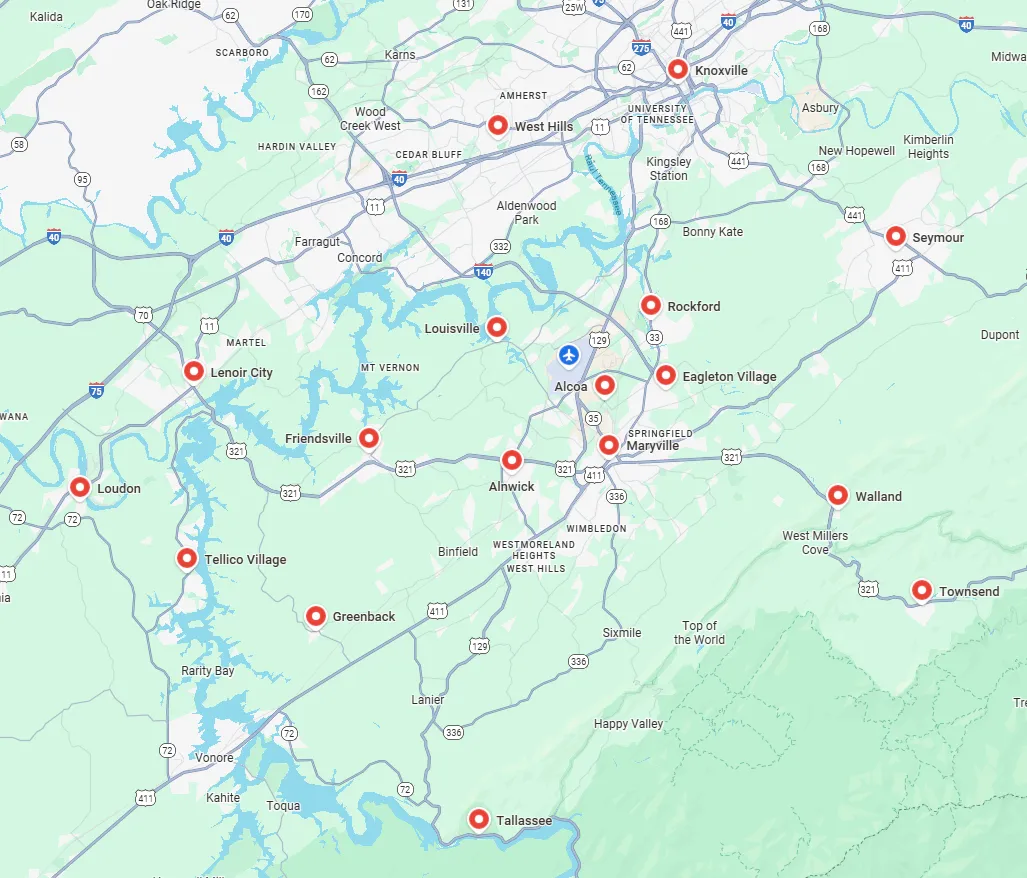
Service areas