

Heating Maintenance in Walland, TN
Keeping your heating system running reliably through Walland winters means more than turning the thermostat up when temperatures drop. Heating maintenance in Walland, TN is a proactive, year-round investment in safety, efficiency, and predictable comfort. Everest Air Heating and Cooling brings focused, professional maintenance programs designed for the mix of cold mountain nights, humid transition seasons, and pollen-heavy springs that characterize homes around the Great Smoky Mountains. We'll explain what comprehensive heating maintenance includes, common issues seen in Walland homes, our diagnostic and service process, and the tangible benefits of joining a preventive maintenance membership like the Y.E.T.I Comfort Plan.
Why seasonal heating maintenance matters in Walland, TN
Walland’s weather swings from humid, pollen-heavy springs to crisp, chilly winters. Those seasonal shifts place unique stresses on heating equipment:
- Cold nights and frequent heating cycles increase wear on moving parts and controls.
- Higher humidity and pollen loads in spring and fall can clog filters and reduce airflow.
- Wood smoke or outdoor particulate during certain seasons can dirty heat exchangers and flue components.
- Older homes and homes with mixed systems (furnace plus heat pump or ductless units) need tuned balances for zone comfort.
Regular, scheduled maintenance reduces breakdowns, restores peak efficiency, and extends equipment life. Everest Air Heating and Cooling’s approach is to inspect, test, and tune systems to match local conditions and household usage patterns so your home is comfortable and safe when the mercury falls.
Common heating maintenance issues in Walland homes
Homeowners in Walland commonly face these heating problems if maintenance is deferred:
- Reduced heating capacity or uneven temperatures between rooms due to blocked filters, dirty blower assemblies, or restricted ductwork.
- Short cycling on furnaces or heat pumps caused by clogged coils, faulty sensors, or improper refrigerant charge.
- Noisy startup, rattles, or banging from loose panels, motor bearings, or failing draft inducer assemblies.
- Pilot or ignition failures on older gas furnaces and spillage or venting problems tied to chimney and flue buildup.
- Higher-than-normal energy bills caused by dirty heat exchangers, inefficient burners, or improper thermostat calibration.
- Icing on outdoor heat pump coils during cold, wet conditions—common in transitional months without preseason service.
- Indoor air quality degradation as filters and coils collect pollen, dust, and biological growth.
Addressing these issues during scheduled maintenance prevents emergency repairs on the coldest nights and keeps systems operating safely.
Types of heating systems we service and what each needs
Everest Air Heating and Cooling maintains all major heating system types in Walland homes. Each system has specific maintenance needs:
- Gas furnaces
- Clean and inspect burners and heat exchanger for cracks or corrosion.
- Test ignition system and safety controls.
- Check flue and venting for proper draft and blockage.
- Replace filters and clean blower assembly.
- Heat pumps (air source)
- Inspect reversing valve operation and defrost cycle.
- Clean outdoor coil and verify refrigerant charge.
- Test electrical components and compressor starting current.
- Verify thermostat and cycle performance for efficient heat extraction.
- Ductless Mini Splits
- Clean indoor air handlers and outdoor units.
- Inspect refrigerant lines and connections for integrity.
- Check proper airflow, filter condition, and mode switching performance.
- Boilers and hydronic systems
- Test water pressure, inspect for leaks, and flush or top off as needed.
- Inspect circulator pumps, valves, and controls.
- Check combustion performance on gas-fired boilers and clean burners.
- Electric furnaces and baseboard heaters
- Inspect heating elements and connections.
- Test thermostats and safety cutoffs.
- Clean dust and debris that can impair heat transfer.
Maintenance is tailored to the specific make, model, and age of the unit. Everest Air technicians arrive prepared to service most major brands and adapt procedures for system-specific needs.
What a comprehensive seasonal heating maintenance visit includes
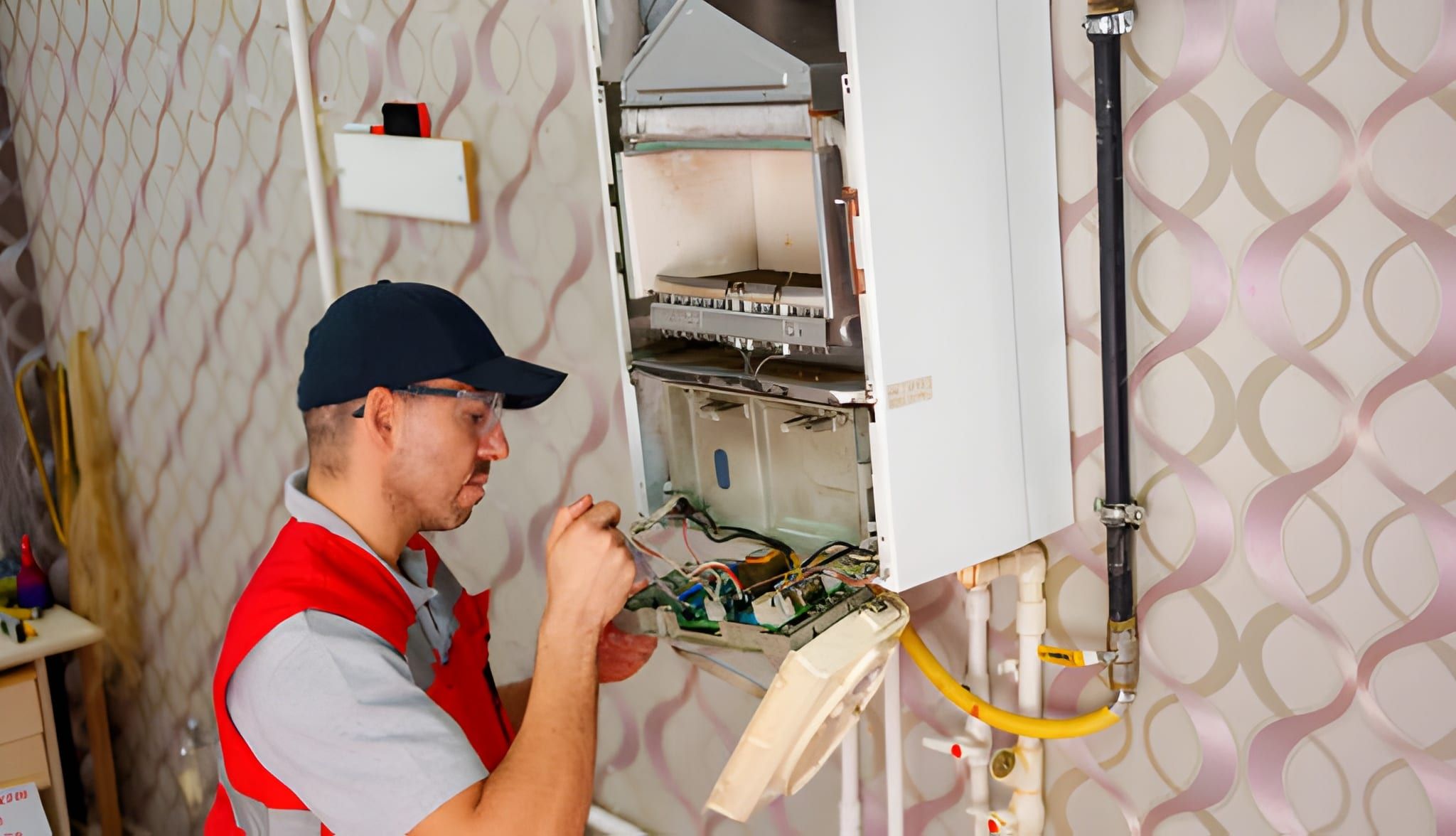
A thorough maintenance visit follows a standard checklist to ensure consistency and coverage. Typical steps include:
- Visual inspection of outdoor and indoor equipment and surrounding clearances.
- Replace or clean recommended air filters and inspect filter housings for damage.
- Clean and lubricate blower motors and check blower wheel balance.
- Inspect electrical wiring, tighten connections, and test capacitors and relays.
- Test thermostat operation and verify temperature differentials and cycling.
- Measure combustion efficiency on gas appliances and inspect heat exchanger for cracks.
- Check refrigerant levels and inspect coils for frost, debris, and airflow obstruction on heat pumps.
- Inspect flue piping, chimney connections, and venting components for blockages or corrosion.
- Confirm safety controls and limit switches are operating correctly.
- Check ductwork access points for leaks, proper sealing, and insulation needs.
- Test startup and shutdown sequences and listen for irregular noises or abnormal vibrations.
- Provide a technician report with observed issues, recommended repairs, and estimates for prioritized work.
Each visit is focused on catching developing issues early, ensuring safe operation, and optimizing system efficiency.
Diagnostics and performance optimization explained
Good heating maintenance is diagnostic as much as it is physical cleaning. Everest Air technicians use a combination of inspection, measurement, and operational testing to identify underperforming components:
- Pressure and temperature differentials help diagnose airflow restrictions or heat transfer problems.
- Electrical testing of motors and capacitors identifies failing components before they cause a system stoppage.
- Combustion analysis on gas equipment verifies safe, efficient burning and helps detect CO risks.
- Refrigerant and superheat/subcooling checks on heat pumps reveal leaks or over/under charge conditions.
- Thermostat and control calibration ensures systems achieve setpoint efficiently without excessive cycling.
Optimization often includes small adjustments that yield measurable energy savings: calibrating thermostat setbacks, sealing small duct leaks, balancing airflow, and recommending filter upgrades. These subtle improvements keep heating bills lower and comfort more consistent, particularly in Walland homes that experience wide daily temperature swings.
Membership benefits: Y.E.T.I Comfort Plan specifics
For homeowners seeking predictable upkeep and extra value, Everest Air Heating and Cooling offers the Y.E.T.I Comfort Plan. Membership is structured to prioritize prevention and owner peace of mind:
- Scheduled seasonal checkups in the fall for heating readiness and in the spring for cooling transition. These targeted visits reduce the chance of off-season failures.
- Priority scheduling members receive expedited appointment windows to reduce downtime during peak heating demand.
- Service discounts applied to repair labor and parts to lower the cost of unforeseen repairs.
- Detailed service records maintained for each member to help track equipment history and support replacement planning.
- Recommendations for performance upgrades or options that can reduce operating costs and improve longevity.
The membership model focuses on lowering lifetime system costs, reducing emergency calls, and offering predictable maintenance that aligns with Walland’s seasonal demands.
Safety and indoor air quality considerations
Heating maintenance is about comfort and safety. Key safety and IAQ tasks performed during maintenance include:
- Checking for cracked heat exchangers in gas furnaces that can lead to dangerous carbon monoxide exposure.
- Verifying proper venting and draft to ensure combustion byproducts are removed effectively.
- Inspecting flammable material clearance around equipment and ensuring safe combustion air supply.
- Cleaning or replacing filters, and checking coil cleanliness to reduce dust circulation and improve air quality.
- Identifying and mitigating mold or biological growth in damp systems or poorly insulated ducts.
- Advising on humidification or dehumidification control where seasonal humidity creates comfort or health issues.
These safety checks are essential in Walland homes where enclosed spaces and wood-burning stoves can complicate indoor air quality and ventilation balances.
Energy savings, lifespan extension, and cost avoidance
Regular heating maintenance delivers measurable value:
- Restoring efficiency through cleaning and calibration typically reduces energy usage by a noticeable percentage, depending on the system condition.
- Proactive replacement of worn components costs less and causes less disruption than emergency motor or compressor failures.
- Addressing small leaks and airflow impairments prevents strain on burners and compressors, extending expected equipment life.
- Documented maintenance history supports proper replacement timing and can preserve home value when selling.
Everest Air Heating and Cooling emphasizes long-term thinking: a modest maintenance investment annually translates into fewer repair headaches and more predictable energy expense through Walland’s seasonally variable climate.
When and how often to schedule maintenance
For most Walland homes, this cadence is recommended:
- Fall heating checkup: once per year before heavy usage begins. This should be the primary annual heating service that covers all safety and performance checks.
- Spring cooling checkup: if you have a combined HVAC system, include a spring visit to prepare cooling equipment and transition heat pumps.
- More frequent checks: older systems, high-use homes, and homes with pets or high dust/pollen loads may benefit from semiannual service.
- Ongoing filter changes: filter replacement frequency varies by filter type, household size, and pets. Standard disposable filters often need changing every 1-3 months; high-efficiency filters may allow longer intervals but still require monitoring.
Consistent scheduling around seasonal transitions is the simplest way to prevent peak-season failures.
What owners should look for between maintenance visits
Homeowners can take simple steps to spot trouble and protect system performance:
- Listen for new or worsening noises on startup and during operation.
- Note any uneven heating, unexplained temperature swings, or rooms that consistently feel cold.
- Watch for increased utility bills without a change in usage patterns.
- Smell abnormal odors, such as burning or strong fuel smells, and treat those as urgent safety concerns.
- Check filters visually every 30 days and replace when they appear dirty or airflow seems restricted.
- Keep outdoor heat pump units and outdoor furnace clear of debris, leaves, and heavy snow accumulations.
Timely observation and basic homeowner care complement professional maintenance and reduce the risk of emergency repairs.
What to expect from an Everest Air Heating and Cooling technician
Everest Air technicians bring practice-focused, respectful service to Walland homes. Typical technician conduct and procedures include:
- Arriving with tools, diagnostic meters, and manufacturer-approved parts and cleaning supplies.
- Conducting a pre-service walkthrough with the homeowner to note any specific concerns.
- Executing a methodical checklist and documenting findings with photos or notes when relevant.
- Explaining observed issues in plain language, outlining repair urgency, and providing transparent options without high-pressure sales.
- Leaving the work area clean and documenting completed tasks and next recommended actions.
This consistent service model supports homeowner confidence and system reliability.
Replacement planning and upgrade considerations
Maintenance visits are an excellent time to evaluate if a system is nearing the end of its useful life:
- Technicians will note wear, inefficiencies, repeated component failures, and rising repair frequency—signals that replacement planning should begin.
- Upgrades to high-efficiency heat pumps, zoning systems, or smart thermostats can produce improved comfort and reduced operating costs.
- Duct sealing, insulation, and programmable thermostat strategies often deliver some of the best returns on investment by reducing heating load.
Documentation from annual maintenance helps homeowners make informed decisions about replacement timing and upgrade ROI.
Common misconceptions about heating maintenance
Several myths cause homeowners to under-maintain systems. Clarifying them helps ensure better outcomes:
- Myth: "My system is new so it does not need maintenance." Reality: New equipment still benefits from seasonal checks to verify installation and calibrations and to catch early manufacturing issues.
- Myth: "I can just change the filter and skip the annual service." Reality: Filters are important, but annual service covers electrical, combustion safety, refrigerant, and airflow diagnostics beyond simple filter changes.
- Myth: "Maintenance is just cleaning; it does not save money." Reality: Maintenance avoids efficiency losses and prevents small failures from becoming major repairs, saving money over the life of the system.
Understanding the true value of maintenance supports smarter ownership decisions.
Long-term benefits for Walland homeowners
Consistent maintenance delivers lasting benefits tailored to Walland living:
- Reduced risk of midwinter failures on cold nights when prompt service could be delayed.
- Better indoor air quality through pollen-heavy springs and smoky fall conditions.
- Improved safety for gas-fired systems in older, tighter homes common in the area.
- Stabilized energy costs during wide seasonal swings and more predictable comfort management.
- Clear service records that support resale value and future planning.
Everest Air Heating and Cooling positions maintenance not as a cost but as a foundational part of dependable home comfort management.
FAQ
Q: How often should I have heating maintenance performed in Walland, TN?
A: For most systems, one comprehensive heating check in the fall before heavy use is recommended; homes with combined systems or heavy use may benefit from semiannual visits and routine filter checks every 1-3 months.
Q: What does the fall heating checkup include?
A: A fall checkup typically includes filter replacement or inspection, blower and motor cleaning, electrical testing, thermostat calibration, combustion analysis on gas appliances, inspection of flue and venting, refrigerant checks for heat pumps, and a full operational test.
Q: Will maintenance reduce my energy bills?
A: Yes. Maintenance restores efficiency lost to dirt, miscalibration, and worn components. The exact savings vary by system age and condition, but cleaning, balancing airflow, and calibrating controls often reduce energy usage noticeably.
Q: Does Everest Air service all brands of heating equipment?
A: Everest Air Heating and Cooling services most major brands and common system types, including gas furnaces, heat pumps, ductless Mini Splits, boilers, and electric heating systems.
Q: What are the safety checks performed during maintenance?
A: Safety checks include inspecting heat exchangers for cracks, testing safety controls and limit switches, verifying proper venting and draft, and ensuring combustions systems operate within safe parameters.
Q: What are the main benefits of joining the Y.E.T.I Comfort Plan?
A: Membership benefits include scheduled seasonal checkups, priority appointment scheduling, service discounts, and a documented service history to help manage long-term equipment performance and replacement planning.
Q: My heat pump has iced over before. Can maintenance prevent that?
A: Regular heat pump maintenance inspects defrost cycles, verifies refrigerant charge and coil cleanliness, and addresses airflow issues that often lead to icing; these steps significantly reduce the chance of recurring icing problems.
Q: How do I know if my system needs repair or replacement?
A: Indicators for replacement planning include frequent repairs, declining efficiency, noisy operation, uneven heating despite repairs, and equipment near or past typical life expectancy; maintenance visits provide the diagnostic history to inform that decision.
hear what our satisfied clients have to say

David P.
Service areas