

Furnace Tune-Up in Walland, TN
Nothing protects your Walland, TN home from a cold night and keeps heating bills in check quite like a thorough furnace Tune-Up. In our Walland homes, where valley temperatures often dip significantly overnight and older houses with legacy ductwork are common, a pre-winter furnace check is crucial. It prevents those dreaded mid-winter failures, significantly improves comfort, and most importantly, keeps your family safe. Everest Air Heating and Cooling provides focused furnace Tune-Ups, specifically tailored to what local homeowners need most, covering essential cleaning, adjustments, safety checks, and efficiency improvements that genuinely matter in this unique region.
Why a Furnace Tune-Up Matters in Walland, TN
Walland sits close to the foothills of the Great Smoky Mountains. That location creates a few local realities that make furnace maintenance especially important:
- Nighttime temperature swings: Even when daytime weather is mild, nights can be much colder, creating heavy demand cycles on your furnace.
- Older and rural homes: Many Walland properties have older heating systems, nonstandard duct runs, or crawlspace installations that accumulate dust, debris, and occasional pest activity.
- Humidity and condensation: Seasonal humidity and valley fog can contribute to corrosion on burners and venting components if systems are not inspected.
- Fuel types: Walland homes may use natural gas or propane. Both require precise gas pressure checks and safe combustion to operate efficiently.
A professional Tune-Up addresses these local challenges and reduces the chance of an inconvenient or unsafe breakdown when you need heat most.
What a Furnace Tune-Up Includes
A proper furnace Tune-Up is a comprehensive inspection and preventive maintenance visit. Everest Air Heating and Cooling follows a systematic checklist to maximize system reliability and efficiency. Typical Tune-Up tasks include:
- Visual inspection of furnace cabinet, burners, and heat exchanger
- Cleaning burners and ignition components to ensure reliable starts
- Checking and adjusting gas pressure and burner combustion where applicable
- Verifying and tightening electrical connections, including safety controls
- Lubricating motors and blower bearings to reduce wear and noise
- Inspecting and cleaning the blower wheel, and checking belt condition when applicable
- Checking and calibrating the thermostat for accurate temperature control
- Inspecting air filters and recommending replacement or cleaning
- Verifying proper flue and venting condition for safe exhaust of combustion gases
- Monitoring ignition sequence and safety interlocks for proper operation
- Performing a combustion analysis or carbon monoxide baseline check when needed
- Inspecting humidifiers, inducer motors, and condensate drain lines if present
- Assessing system airflow and measuring static pressure where necessary
Each step helps ensure your furnace operates safely, reliably, and efficiently through the cold months.
Common Furnace Problems in Walland Homes
Understanding the issues technicians commonly encounter can help you recognize symptoms early. Common furnace problems we see in Walland include:
- Dirty burners and clogged ignition ports leading to delayed ignition or sooting
- Corroded heat exchanger or venting components from seasonal moisture and condensation
- Weak or inconsistent pilot or electronic ignition due to buildup or component wear
- Loose electrical connections or failing control boards after years of thermal cycling
- Reduced airflow from dirty filters, blocked returns, or constrained ductwork
- Worn blower motors or bearings that cause grinding, humming, or intermittent operation
- Gas pressure issues - low or high pressure that reduces efficiency or creates unsafe conditions
- Thermostat drift or improper calibration resulting in temperature swings or short cycling
- Cracked or blocked flue vents that can cause poor combustion or backdrafting
- Rodent or insect intrusion in crawlspaces or furnace cavities that damage wiring or insulate heat components
Addressing these during a Tune-Up prevents escalation into costly repairs or unsafe operation.
Diagnostic Process: What Our Technicians Do and Why
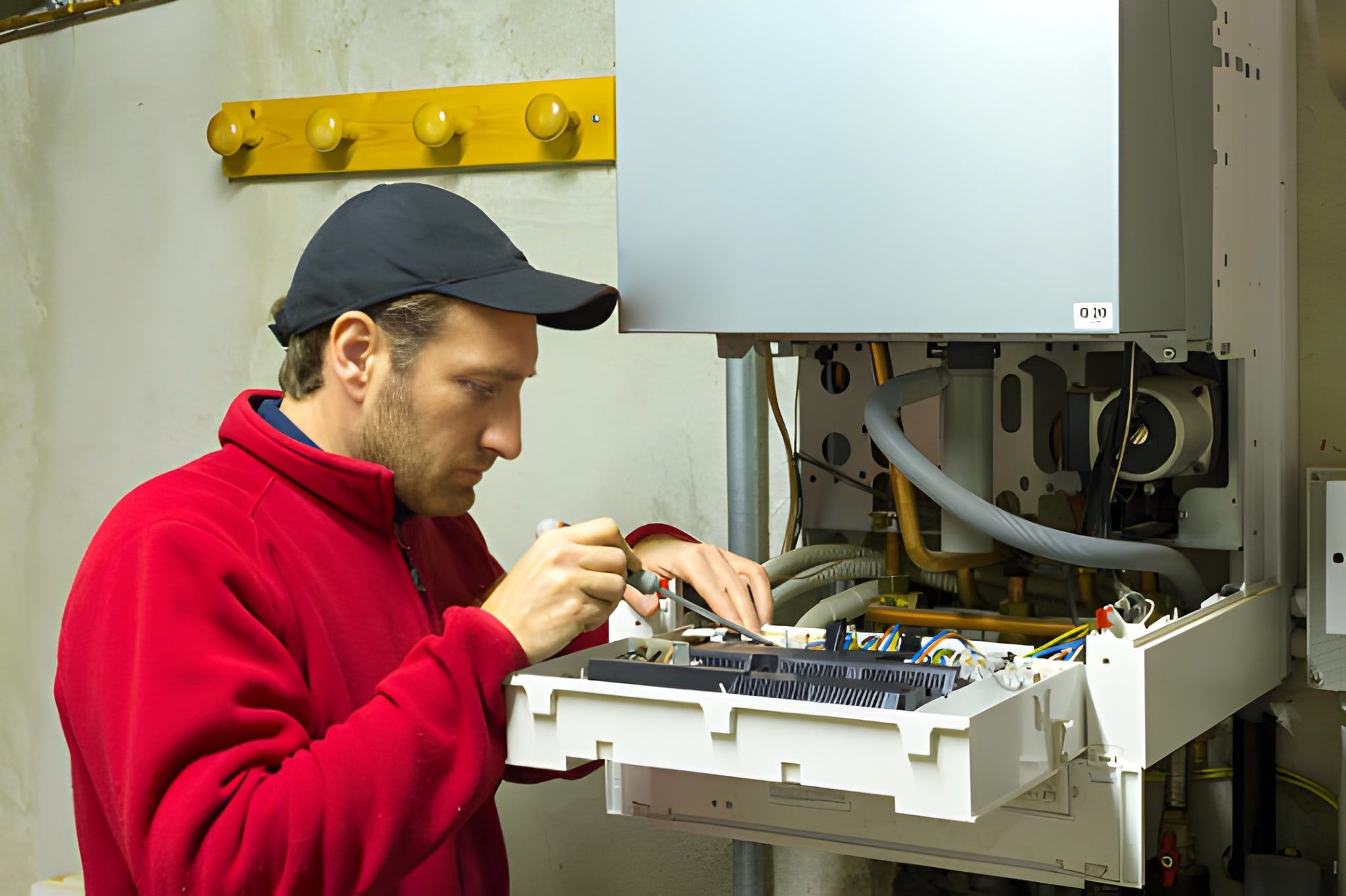
A good Tune-Up is diagnostic as much as it is preventive. Technicians will use visual checks, hand tools, and diagnostic instruments to evaluate system performance:
- Initial system evaluation
- Listen for unusual sounds, check for error codes, and ask about recent symptoms or patterns of failure.
- Visual and mechanical inspection
- Open the furnace cabinet to inspect burners, controls, wiring, blower assembly, filters, and heat exchanger condition.
- Electrical and control checks
- Test voltage and current draw on motors and control circuits, verify wiring connections, and inspect the limit switches and safety interlocks.
- Gas pressure and combustion checks (for gas or propane systems)
- Measure manifold and inlet pressures and inspect combustion flames for color and stability. Adjustments are made to ensure efficient, clean burning.
- Airflow and duct assessment
- Check supply and return airflow, assess filter condition, and look for restricted registers or leaks that impact performance.
- Thermostat calibration and sequence testing
- Verify thermostat wiring, program settings, and ensure the furnace responds correctly to setpoints.
- Safety testing
- Perform carbon monoxide baseline checks when appropriate, inspect venting and draft, and confirm all safety devices function.
Each diagnostic step informs maintenance actions and flags items requiring repair or replacement.
Cleaning and Repair Procedures Explained
During a Tune-Up, identified issues are either corrected on the spot if minor or documented for repair. Common procedures include:
- Cleaning burners and ignition components
- Burners accumulate soot and debris that interfere with ignition and combustion efficiency. Cleaning restores a stable flame and prevents sooting that can reduce heat transfer.
- Adjusting gas pressure and combustion
- Incorrect gas pressure causes inefficient combustion or safety risks. Technicians measure and adjust pressure to manufacturer specifications for clean, efficient operation.
- Replacing or cleaning air filters
- A clean filter improves airflow, reduces stress on the blower motor, and enhances indoor air quality. Filters that are reusable are cleaned; disposable filters are recommended for replacement frequency based on use.
- Lubricating motors and blower bearings
- Proper lubrication reduces friction, extends motor life, and reduces electrical draw. This quiets noisy fans and prevents premature motor failure.
- Tightening electrical connections and testing capacitors
- Loose connections lead to arcing and intermittent failures. Capacitors are tested and replaced if they no longer meet performance thresholds.
- Cleaning the blower wheel and housing
- Dust buildup reduces airflow and efficiency. Cleaning restores designed airflow rates and reduces static pressure on the system.
- Examining and testing the heat exchanger and venting
- The heat exchanger is a critical safety component. Visual checks for corrosion or cracks and venting inspections reduce the risk of dangerous flue gas leaks.
- Checking and calibrating thermostats
- A miscalibrated thermostat causes uneven heating and short cycling. Calibration restores accurate control and steady comfort.
These maintenance activities restore performance and extend the service life of your furnace.
Safety Inspections Unique to Walland Homes
Safety is a priority on every Tune-Up. Because Walland has a mix of older and rural homes, technicians pay special attention to:
- Combustion safety and carbon monoxide risks
- If a furnace is improperly venting or combustion is incomplete, carbon monoxide can enter living spaces. Baseline checks and vent inspections are performed to verify safe operation.
- Vent pipe routing and termination
- Improper vent terminations or blockages from leaves, nests, or snow can cause dangerous backdrafting. Walland’s wooded properties make this check essential.
- Gas line integrity and regulator condition
- Seasonal temperature changes can affect regulators or leak seals. Gas pressure checks and line inspections help confirm safe delivery.
- Rodent and pest damage
- Crawlspaces and attics near the mountains can harbor wildlife that chews wiring or nests in equipment. We inspect for signs of intrusion and damage.
A Tune-Up is an opportunity to identify and correct hidden safety issues before they create hazards.
Energy Efficiency and Cost Savings
A well-tuned furnace operates more efficiently, which can lower fuel use and reduce monthly bills. Energy-saving outcomes from a Tune-Up include:
- Improved combustion efficiency from clean burners and correct gas pressure
- Reduced blower motor power draw after lubrication and cleaning
- Better heat transfer and distribution with a clean heat exchanger and balanced airflow
- Fewer short cycles when thermostats are calibrated and control settings optimized
- Extended equipment life, delaying replacement costs and maintaining resale value
In a climate with occasional long runs of heating in Walland, even small efficiency gains quickly translate to meaningful savings across a winter season.
Recommended Tune-Up Frequency
To reduce the risk of mid-winter failures and maintain efficiency, the recommended schedule is:
- Annual furnace Tune-Up in the fall, before heavy winter use begins
- Twice-a-year checks when systems also provide cooling, typically fall and spring, often included with biannual HVAC maintenance plans
- Immediate inspection if you notice warning signs such as strange odors, frequent cycling, loud noise, yellow or unstable flame, increased energy bills, or unexplained soot
For older systems, high-use households, or properties with known duct issues, a biannual inspection can be beneficial. Everest Air Heating and Cooling commonly recommends fall Tune-Ups for Walland residents to catch conditions created by summer humidity and address them before colder weather.
What to Expect During the Visit
A professional Tune-Up typically lasts between 45 minutes and two hours depending on system condition and size. During the visit your technician will:
- Arrive with the tools and parts needed for a comprehensive inspection
- Explain the inspection checklist and any findings in plain language
- Perform cleaning and adjustments required for safe operation and efficiency
- Document items that need future repair or replacement with a clear explanation
- Leave your system in an operational, verified state with recommendations for filters or follow-up work if needed
This transparency helps you plan and budget for any additional work without surprises.
Long-Term Benefits of Regular Maintenance
Routine Tune-Ups do more than prevent failures. Over time, you will notice:
- Fewer emergency calls during cold spells
- More consistent indoor comfort and balanced heating across rooms
- Lower overall repair costs due to early detection of developing issues
- Longer furnace lifetime through reduced mechanical stress and cleaner operation
- Greater safety and peace of mind through verified combustion and venting performance
These benefits are especially valuable in Walland where weather can change rapidly and access to service during major storms can become limited.
Maintenance Tips Between Tune-Ups
To keep your furnace performing well between professional visits, follow these practical tips:
- Replace or clean filters every 1 to 3 months depending on usage and filter type
- Keep registers and returns clear of furniture and draperies to maintain airflow
- Monitor thermostat batteries and program settings for nighttime setbacks
- Check vents and exterior flue terminations for visible blockages or nesting
- Listen for unusual sounds and note any changes in heating patterns or smells
- Ensure crawlspace or attic access points are sealed to reduce pest intrusion and excess dust
- Maintain reasonable humidity levels to reduce strain on heat exchangers
These simple actions help your Tune-Up results last longer and reduce wear on components.
Frequently Recommended Replacements and Upgrades
During a Tune-Up, technicians sometimes recommend part replacements or system updates that deliver the best return on investment:
- High-efficiency filters or MERV-rated filters for improved indoor air quality
- Programmable or smart thermostats for better control and reduced energy use
- Replacement of worn blower motors, capacitors, or belts to restore airflow
- Upgrading outdated safety controls or failing igniters to modern components
- Duct sealing or insulation to improve system efficiency and reduce heat loss
- Conversion or verification components for systems switching between propane and natural gas
Each recommendation is based on observed conditions and expected long-term savings or safety improvements.
Why Choose Everest Air Heating and Cooling for Your Tune-Up
Everest Air Heating and Cooling performs furnace Tune-Ups with a local perspective and an emphasis on quality. Our technicians understand the unique demands of Walland homes and provide clear, honest assessments of system condition. We prioritize safety, efficiency, and long-term reliability, aligning maintenance recommendations with real household needs and local environmental factors.
We incorporate manufacturer guidelines into every visit, and our inspections are designed to identify issues that most commonly cause mid-winter failures in our service area. That means fewer surprises and better preparedness for the cold season.
FAQs
Q: How often should I schedule a furnace Tune-Up for my Walland home?
A: Most homes should receive a professional furnace Tune-Up annually in the fall before heavy winter use. Homes with older equipment, pets, or higher run times may benefit from biannual checks in fall and spring.
Q: What signs indicate my furnace needs a Tune-Up now?
A: Warning signs include higher energy bills, uneven heating, frequent cycling, odd noises, yellow or unstable burner flame, soot around the unit, or any CO detector alerts. Any of these symptoms warrant an inspection.
Q: Will a Tune-Up lower my heating bills?
A: Yes. Cleaning burners, adjusting gas pressure, lubricating motors, and restoring airflow can improve combustion and system efficiency, resulting in measurable fuel savings over the heating season.
Q: Do you check carbon monoxide and venting during a Tune-Up?
A: Yes. Safety inspections include vent termination checks and baseline carbon monoxide or combustion analysis when appropriate to verify safe exhaust and combustion performance.
Q: Can a Tune-Up prevent a mid-winter breakdown?
A: A Tune-Up significantly reduces the risk of mid-winter failures by identifying worn parts, unsafe conditions, and potential points of failure before they become emergency problems.
Q: What should I do between Tune-Ups to keep my furnace in good shape?
A: Replace or clean filters regularly, keep vents clear, monitor thermostat settings, watch for unusual sounds or smells, and check external vent terminations for blockages or nesting.
Q: Are parts like capacitors or belts typically replaced during a Tune-Up?
A: Minor parts may be replaced if found defective during the inspection. Significant replacements are documented with recommendations so you can plan for repairs or upgrades.
Q: How long does a typical furnace Tune-Up take?
A: Most Tune-Ups take between 45 minutes and two hours depending on system age, condition, and the thoroughness of the inspection.
Q: Should I Tune-Up my furnace if it is very old?
A: Yes. Older furnaces benefit from Tune-Ups to extend usable life and maintain safe operation. However, if repairs are frequent or efficiency is low, a technician may recommend replacement options for long-term savings.
Q: Do you service both natural gas and propane furnaces in Walland?
A: Yes. Technicians are trained to work on both natural gas and propane systems, including gas pressure checks and combustion adjustments specific to each fuel type.
hear what our satisfied clients have to say

David P.
Service areas