

Heating Installation in Walland, TN
For homeowners in Walland, TN, needing a new heating system, selecting the right solution isn't just about warmth; it's about lasting comfort, smarter energy use, and dependable performance for years to come. At Everest Air Heating and Cooling, we believe in going beyond basic furnace replacements. We provide comprehensive heating installation services designed specifically for your home. Whether you’re leaning towards a high-efficiency heat pump, a flexible hybrid system combining a heat pump with a gas or propane furnace, or even ductless Mini Splits for those tricky rooms, our process always starts with a detailed, on-site assessment. This ensures the equipment perfectly matches your home and lifestyle. Walland's unique blend of weather patterns, older homes, and the charming mix of cabins, cottages, and modern construction near the Great Smoky Mountains means every installation by Everest Air Heating and Cooling is carefully tailored to address these specific local factors.
-min.jpeg)
Why Heating Installation Choices Matter in Walland, TN
Walland experiences cold snaps in winter, with overnight lows that can dip below freezing, and humid conditions at other times of the year. Homes in the area range from older, historic structures with limited duct space to newer builds with more modern HVAC infrastructure. The combination of variable winters and diverse home types means the wrong system can lead to high energy bills, uneven temperatures, and premature equipment wear. A properly sized and installed system improves comfort, reduces running costs, and prevents common problems such as short cycling, inadequate dehumidification, and excessive indoor humidity that can affect indoor air quality.
Common Heating Options and How They Fit Walland Homes
- Furnaces (gas, propane, or electric): Traditional choice for many homes. Gas or propane furnaces remain popular where fuel access permits and deliver reliable heat in cold spells. For Walland homes that rely on propane, modern high AFUE furnaces can be a good match.
- Heat pumps: Modern air-source heat pumps provide efficient heating and cooling in climates like eastern Tennessee, where winters are usually moderate but can become cold occasionally. Cold-climate heat pumps maintain capacity at lower temperatures and are well suited to homeowners wanting high efficiency and integrated cooling.
- Hybrid systems: Combining a heat pump with a gas or propane furnace gives the best of both worlds. The heat pump handles mild to moderate heating needs efficiently, and the furnace provides backup when temperatures fall below the heat pump’s most efficient operating range.
- Ductless Mini Splits: Ideal for additions, older homes without ductwork, or zone-specific comfort. Mini Splits are especially useful for cabins, finished attics, or rooms separated from central systems.
- Ductwork upgrades and zoning: In many Walland houses, leaky or undersized ducts cause uneven heating. Upgrading or redesigning ducts and adding zoning improves distribution and overall system efficiency.
Common Heating Problems in Walland, TN Homes
- Undersized or oversized equipment: Both lead to problems. An undersized unit struggles to meet demand, while oversized equipment short cycles and reduces dehumidification.
- Leaky or uninsulated ducts: Leaks in crawlspaces or attics can lose conditioned air into unconditioned spaces, increasing bills and reducing comfort.
- Aging systems and safety risks: Old furnaces and poorly vented combustion systems are safety and efficiency concerns, particularly in older homes.
- Poorly balanced systems: Rooms that stay cold or hot due to poor airflow, closed dampers, or improper zoning are common in retrofits and multi-level homes.
- Incompatible replacements: Swapping a single component without addressing system mismatches (such as duct capacity or electrical service) can cause performance issues.
On-Site Assessment and Proper Sizing
Every installation should begin with a thorough, on-site assessment. Everest Air Heating and Cooling conducts industry-standard load calculations, including Manual J sizing to determine heating and cooling loads and Manual D for duct design when needed. We also inspect:
- Insulation levels in attic, walls, and crawlspaces
- Window performance and air infiltration points
- Existing duct layout, condition, and insulation
- Electrical service capacity and gas or propane line adequacy
- Thermostat placement and control systems
Proper sizing is not guesswork. An accurate load calculation ensures the new system can meet your home’s needs without cycling excessively, maintain humidity control, and run at peak efficiency. In Walland’s mixed housing stock, failing to size correctly is one of the most common sources of disappointment after a replacement.
Equipment Selection: Efficiency, Features, and Fuel Considerations
Selecting the right equipment requires balancing efficiency, comfort goals, and local fuel availability. Key metrics and considerations include:
- AFUE (Annual Fuel Utilization Efficiency): Used for furnaces; higher AFUE means more of the fuel’s energy turns into heat.
- HSPF and COP: Important for heat pump performance during heating operation.
- SEER: When installing heat pumps or systems that also provide cooling, seasonal efficiency matters for year-round cost.
- Equipment capacity and staging: Single-stage, two-stage, and variable-speed compressors and blowers affect comfort, noise, and efficiency.
- Fuel availability: Natural gas service varies regionally; many Walland homes rely on propane or electric heat. Hybrid systems can be designed around available fuels.
- Controls and smart thermostats: Modern controls improve zoning, scheduling, and energy monitoring.
Everest Air Heating and Cooling helps homeowners weigh short-term vs long-term savings, rebate eligibility, equipment longevity, and expected maintenance when recommending options.
Ductwork Integration Versus Ductless Mini Splits
Deciding between upgrading ductwork and installing ductless Mini Splits depends on the house layout, budget, and comfort goals.
Ductwork upgrades:
- When to choose: Existing ducts are structurally sound but undersized, leaky, or uninsulated. Central systems provide whole-house conditioning and work well with hybrid setups.
- What’s involved: Sealing and insulating ducts, resizing or adding trunk lines, and improving airflow balance with proper registers and dampers.
- Benefits: Consistent whole-home temperature control and integration with existing HVAC equipment and air quality accessories.
Ductless Mini Splits:
- When to choose: No ductwork exists, or creating ducts is cost-prohibitive. Ideal for additions, historic homes, finished basements, and cabins.
- What’s involved: Wall-mounted or ceiling cassette indoor units connected to an outdoor compressor through small refrigerant lines. Multi-zone systems can heat and cool multiple rooms independently.
- Benefits: High efficiency, targeted comfort, easy installation with minimal structural changes, and improved control over individual room temperatures.
Hybrid integration:
- Best for Walland homeowners who want efficient heat pump operation with the reliability of a furnace during cold snaps. The system automatically switches to the most efficient heat source based on outdoor temperature.
Installation Process: What to Expect
A professional installation follows a disciplined process to protect your home and ensure performance:
- Pre-install preparation: Site walk-through, verification of access, electrical and gas readiness, and owner walkthrough of logistics and safety considerations.
- Removal of old equipment: Safe disconnection and removal with attention to disposal requirements and preservation of the job site.
- Structural and mechanical work: Mounting outdoor units, securing indoor equipment, running refrigerant lines or ductwork, and conducting necessary electrical or gas connections.
- Combustion and ventilation safety: Gas or propane furnace installations include venting and combustion safety checks to meet code and manufacturer requirements.
- Insulation and sealing: Proper insulation of ducts and piping to minimize energy loss and prevent condensation.
- System commissioning: Refrigerant charge verification, airflow measurement, temperature splits, combustion analysis for fuel-fired equipment, and static pressure checks for ducted systems.
- Thermostat and control setup: Configuring thermostats, zoning controls, and any smart integrations for user convenience.
- Homeowner orientation: Explaining system operation, basic maintenance, and what to monitor regarding performance.
Installations are completed in compliance with local codes and permitting requirements, with attention to preserving existing finishes and minimizing disruption.
Warranties, Documentation, and Post-Installation Verification
After installation, thorough verification confirms the system meets performance expectations and safety standards. Everest Air Heating and Cooling provides detailed documentation that typically includes:
- Manufacturer warranty information for all equipment components
- Workmanship warranty for installation services
- A commissioning report that records refrigerant levels, airflow, temperature performance, and safety checks
- Recommended maintenance schedule and filter guidance
Post-installation verification includes running the system through heating cycles under varying loads to confirm efficiency, balance, and quiet operation. Combustion analysis and carbon monoxide checks are performed on fuel-fired systems to ensure occupant safety. Everest Air records these findings so homeowners have a transparent performance baseline and can track efficiency over time.
Performance Verification Tests That Matter
- Refrigerant charge and superheat/subcooling checks for heat pumps and Mini Splits to ensure long life and efficiency.
- Airflow and static pressure testing to verify ductwork modifications deliver proper distribution.
- Temperature rise testing on furnaces and delta T on heat pumps to confirm expected performance.
- Combustion analysis and flue draft checks for gas or propane furnaces to ensure safe venting.
- Thermostat calibration and sensor checks to prevent overshoot and short cycling.
These tests reduce callbacks and provide measurable evidence that the system was installed correctly.
Benefits of Professional, Right-Sized Installation
- Energy savings: Right-sized and efficient systems use less fuel and lower monthly costs.
- Improved comfort: Proper air distribution and modern controls deliver even temperatures and better humidity management.
- Reduced wear and tear: Correct refrigerant charge and airflow prevent premature compressor and motor failures.
- Health and safety: Proper venting, combustion safety, and sealed ducts reduce combustion byproducts and allergens from entering living spaces.
- Increased home value: Modern, efficient systems appeal to buyers and support long-term property value.
Maintenance and Long-Term Care
A new heating system performs best with routine maintenance. Key homeowner and service recommendations include:
- Replace or clean filters on a regular schedule based on filter type and household conditions.
- Annual Tune-Ups: Heat pumps and furnaces should be inspected and serviced at least once per year to maintain efficiency and detect issues early.
- Keep outdoor units clear: For heat pumps and outdoor compressors, maintain clearance from leaves, snow, and debris to preserve airflow.
- Duct sealing and insulation: Re-inspect ducts periodically, especially in crawlspaces or unconditioned attics where rodents or structural movement can cause leaks.
- Address humidity: In Walland’s climate, controlling humidity reduces mold risk and improves perceived comfort. Some systems integrate whole-house dehumidification or humidification as needed.
- Monitor performance: Note unusual noises, frequent cycling, or higher-than-expected bills as signs a service visit may be needed.
Everest Air Heating and Cooling supports homeowners with ongoing maintenance programs, and regular service prevents small issues from becoming large repairs.
Why Local Expertise Matters: Walland and Sevier County Considerations
Working in Walland and surrounding Sevier County requires local knowledge. Mountain and valley microclimates, older construction practices, and the prevalence of propane usage in rural pockets all affect system choice and installation strategy. Everest Air Heating and Cooling has experience with the region’s homes and common installation challenges, such as limited crawlspace access, strict setback or aesthetic requirements for outdoor units, and retrofit constraints in historic structures. Our technicians factor in these practical considerations to minimize disruption and maximize performance.
Everest Air Heating and Cooling Approach and Guarantees
Everest Air Heating and Cooling brings a family-owned approach focused on transparency and quality. Our technicians follow best practices and code requirements, and installations include thorough testing and documentation. We emphasize clear explanations so homeowners understand the reasoning behind equipment recommendations, expected operating costs, and maintenance needs. Our philosophy prioritizes long-term value over quick fixes, and we stand behind workmanship to ensure systems operate as designed.
FAQs
Q: How does Everest Air determine the right size heating system for my Walland home?
A: Everest Air conducts a full on-site assessment that includes Manual J load calculations, inspection of insulation, window performance, duct condition, and other factors to determine the correct capacity for efficient and comfortable operation.
Q: Are heat pumps effective in Walland winters?
A: Yes. Modern cold-climate heat pumps are designed to provide efficient heating even during colder spells common in Walland, and can be paired with a furnace in a hybrid setup for the coldest days.
Q: When is a ductless Mini Split a better option than replacing the existing furnace?
A: Ductless Mini Splits are ideal for homes without existing ductwork, for additions, or for zoning individual rooms. They require minimal structural changes and can be more efficient for targeted heating and cooling.
Q: What kind of warranties come with a new heating installation?
A: New equipment typically includes manufacturer warranties, and installations often come with a workmanship warranty from the installer. Everest Air provides documentation outlining both manufacturer and installation coverage.
Q: Will installing a new system require permits or inspections in Walland?
A: Most heating installations require permits and must meet local code standards. Everest Air coordinates necessary permits and follows local inspection requirements to ensure compliance.
Q: How important is duct sealing and insulation during a heater installation?
A: Very important. Properly sealed and insulated ducts reduce energy loss, improve comfort, and ensure the new system delivers the efficiency and performance it was designed for.
Q: Can I combine a heat pump with a gas or propane furnace?
A: Yes. A hybrid system pairs a heat pump for efficient heating in mild conditions with a furnace as backup during very cold weather, optimizing efficiency and comfort in Walland’s climate.
Q: What should I expect during the post-install commissioning process?
A: Expect performance verification tests including refrigerant charge checks, airflow and static pressure measurements, temperature rise or delta T readings, and combustion analysis for fuel-fired systems, along with an explanation of results.
Q: How often should my new system be serviced?
A: Annual maintenance is recommended for most heating systems. Regular inspections help preserve efficiency, extend equipment life, and catch issues before they become major problems.
Q: Does Everest Air provide maintenance plans for new systems?
A: Everest Air offers ongoing maintenance options designed to keep systems running efficiently year round and to provide priority scheduling and routine safety checks.
hear what our satisfied clients have to say

David P.
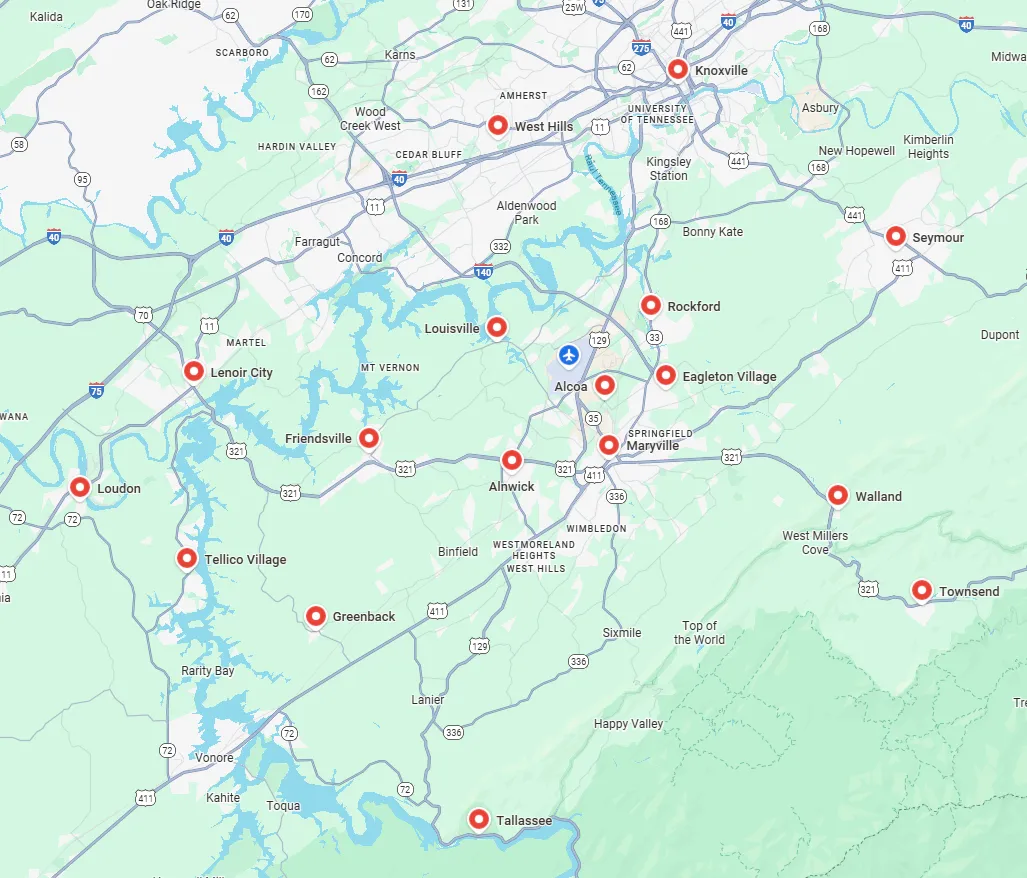
Service areas