

Heating Repair in Walland, TN
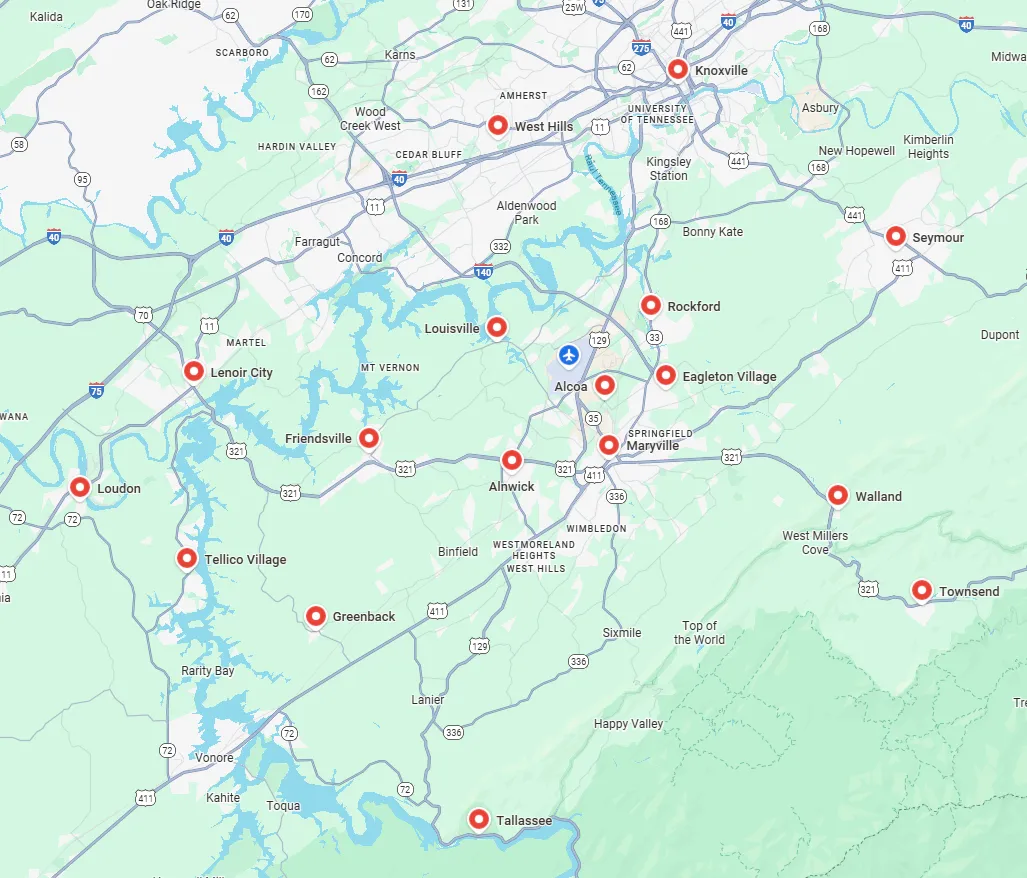
When your home heating system gives up in Walland, TN, you need a professional repair that brings back that safe, reliable warmth fast. Here at Everest Air Heating and Cooling, we provide experienced diagnostics and repair for furnaces, heat pumps, boilers, ductless systems, and packaged units, proudly serving Walland and the surrounding Great Smoky Mountains communities. We'll walk you through the common heating problems we see in Walland homes, how our thorough diagnostics pinpoint the real issue, the various repair options we offer, what to expect during parts replacement and testing, and why getting your heating system fixed promptly really does preserve your comfort, safety, and the long-term value of your system.
.jpeg)
Why Walland, TN homes need specialized heating repair
Walland sits in a valley below the Great Smoky Mountains. Winters can be cold and damp, with temperature swings between night and day and occasional winter storms. Many local houses are older, with varied heating systems including natural gas or propane furnaces, heat pumps, boilers, and ductless Mini Splits. Those factors create several regional realities:
- Cold, humid winters increase demand on heat pumps and furnaces, exposing failing components faster.
- Rural and mountain access can mean longer response routes for parts and service if a technician must travel from nearby towns.
- Older homes often have aging ductwork or mixed heating sources, which can hide airflow or distribution problems.
- Power fluctuations during storms can damage control boards, ignitors, and sensors.
Everest Air Heating and Cooling understands these local influences. Our technicians bring troubleshooting skills and parts knowledge tailored to Walland homes, so repairs address the real cause instead of temporary symptoms.
Common heating systems we repair in Walland, TN
- Forced-air furnaces (natural gas and propane)
- Heat pumps (air-source and ductless Mini Split systems)
- Boilers (hot water and steam)
- Packaged heating units and rooftop systems
- Hybrid systems (heat pump paired with a gas furnace)
- Electric resistance heaters and baseboard units
Typical heating repair scenarios in Walland homes
- Furnace will not ignite or no heat despite blower running
- Intermittent heating or short cycling of furnace or heat pump
- Heat pump producing cool air in heating mode (reversing valve, low refrigerant, or compressor issues)
- Reduced airflow or cold spots due to blocked ducts, failing blower motors, or clogged filters
- Unusual odors or burning smells indicating electrical faults or dirty combustion
- Pilot light or ignition control failures on older gas furnaces
- Cracked heat exchanger (safety concern requiring immediate action)
- Boiler leaks, low pressure, or noisy circulation pump failures
- Thermostat or zone control issues causing uneven temperatures
- Frozen condensate lines or outdoor units during winter transition periods
How we diagnose heating problems - step-by-step
A reliable repair begins with complete diagnostics that separate symptoms from causes. Everest Air Heating and Cooling follows a systematic process designed for safety and accuracy:
- Initial system history and inspection
- Confirm system type, age, maintenance history, and any recent events (power outages, noise, smell).
- Visual inspection of indoor and outdoor equipment for obvious damage, leaks, or disconnected components.
- Safety checks first
- For gas systems: check for gas leaks, verify proper venting, and perform combustion safety checks where applicable.
- Carbon monoxide testing after combustion repairs or when equipment smells like exhaust.
- Electrical and control verification
- Measure voltage and current to motors, compressors, and control boards.
- Verify thermostat calibration and wiring, including smart thermostat settings that may affect system operation.
- Combustion and airflow testing
- Measure combustion efficiency on gas-fired appliances when burners are involved.
- Check blower wheel condition and static pressure to identify airflow restrictions.
- Refrigerant and mechanical checks (for heat pumps)
- Inspect refrigerant pressures, calculate superheat and subcooling, and look for signs of leaks or oil.
- Test reversing valve function and compressor operation.
- Ductwork and distribution assessment
- Evaluate duct leakage, insulation, and balancing, which often cause cold rooms even if the source is producing heat.
- Document findings and present options
- Produce a clear explanation of the issue, safety implications, repair alternatives, and estimated timeline for repair.
This method keeps fixes focused and reduces the chance of repeat visits. Every diagnostic step is documented so you know what was tested and why.
Repair options and common solutions
Repairs vary from simple component replacements to major system work. Below are common repairs organized by system type and what each typically entails:
Furnace repairs
- Faulty ignitor or pilot assembly replacement to restore reliable ignition.
- Flame sensor cleaning or replacement to prevent shutdowns.
- Replacing failed blower motors, capacitors, or belts to restore airflow.
- Limit switch replacement when units overheat and shut off prematurely.
- Gas valve or control board replacement where safety or timing controls have failed.
- Heat exchanger evaluation; cracked heat exchangers require careful safety assessment and often replacement of the furnace.
Heat pump repairs
- Refrigerant leak detection and repair followed by proper evacuation and recharge to correct low charge issues.
- Reversing valve or compressor repair for units that will not switch to heating.
- Defrost control and sensor replacement to resolve frequent frost or ice buildup on outdoor coils.
- Replacing outdoor fan motors, capacitors, and contactors common in outdoor unit failures.
- Ductless Mini Split head or inverter board repairs for zoned systems.
Boiler and hydronic systems
- Circulator pump replacement for noisy or non-circulating systems.
- Zone valve repair or actuators replaced to restore proper distribution.
- Pressure and expansion tank service to correct pressure cycling problems.
- Leak containment and piping repairs when visible leaks threaten system integrity.
Electrical and controls
- Thermostat replacement or reprogramming with proper staging for two-stage systems.
- Control board diagnostics and replacement when power surges or component failures occur.
- Safety device replacement, including roll-out switches, pressure switches, and CO detectors.
Parts and materials replacement
- We use OEM or OEM-equivalent replacement parts suited to your system for longevity.
- For older equipment, we present options to repair with compatible components or discuss practical replacement when repairs are unlikely to restore reliable operation.
Transparent pricing and repair estimates
Everest Air Heating and Cooling emphasizes transparent pricing without hidden markups. Our standard approach includes:
- Clear diagnostic fee structure that covers time to evaluate the system and document results.
- Itemized written estimates separating parts, labor, and any required permits so you can see exactly what you are paying for.
- Multiple repair options when applicable, including repair versus replacement tradeoffs factoring system age, efficiency, and safety.
- Explanation of warranty coverage on parts and labor for each repair performed.
This transparent approach helps homeowners in Walland make informed decisions for their family safety and long-term comfort.
Response times and emergency considerations in Walland
Response times in Walland are shaped by local geography and weather. Everest Air Heating and Cooling aims to provide timely service tailored to regional needs:
- Prioritize safety-related failures such as suspected carbon monoxide, cracked heat exchangers, or complete loss of heating in sub-freezing conditions.
- Same-day or next-business-day appointment windows depending on call volume and weather conditions.
- Longer lead times may apply during winter storms or when specialized parts need to be sourced from suppliers; we communicate timing and interim safety measures clearly.
- For remote or mountain-access homes, we evaluate access needs and gear to ensure efficient on-site work the first visit.
Expect a technician to document findings and the parts needed when a rapid follow-up visit or part order is required.
Parts replacement and quality assurance
When replacements are necessary, quality matters. Everest Air Heating and Cooling’s parts process includes:
- Using OEM or high-quality aftermarket parts matched to the equipment model and application.
- Testing replacement components on-site before leaving to ensure the system performs correctly under load.
- Providing parts and labor warranty details in writing so you understand the protection that comes with the repair.
- Keeping commonly used parts in service vehicles to minimize repeat trips and speed restoration of heat.
We balance part availability with long-term reliability recommendations. When a component is known to be a frequent failure on an older platform, we explain replacement options that reduce future breakdown risk.
Follow-up testing and verification
After every repair, follow-up testing verifies the system is safe and efficient. Typical verification steps include:
- System start-up and run-through under expected operating conditions.
- Measuring temperature rise across the heat exchanger for furnaces to confirm proper combustion and airflow.
- Checking refrigerant pressures and superheat/subcooling for heat pumps to confirm correct charge and heat transfer.
- Confirming thermostat calibration and system staging for multi-stage equipment.
- Carbon monoxide testing where combustion appliances are involved.
- Verifying duct distribution and airflow at vents to confirm repair effectiveness.
- Documented system report left on-site describing work performed, test results, and next recommended service interval.
This final testing step ensures the repair restores normal operation and provides a record for future maintenance planning.
When repair is not the best option
Not all failures should be repaired. We provide honest assessments on when replacement is the prudent choice. Consider replacement when:
- The system is near or beyond typical useful life and would likely require multiple costly repairs soon.
- A cracked heat exchanger or failing compressor creates ongoing safety or reliability risks.
- Repair costs approach a significant percentage of the cost of a new high-efficiency system.
- The household needs an efficiency upgrade to reduce energy costs or a system better matched to current comfort needs.
Everest Air Heating and Cooling provides clear comparisons so homeowners in Walland can weigh repair versus replacement based on safety, efficiency, and long-term value.
Preventive practices and the Y.E.T.I Comfort Plan
Preventive maintenance reduces emergency repairs and keeps systems operating efficiently, especially in a place like Walland where weather extremes stress equipment. Key maintenance recommendations include:
- Seasonal Tune-Ups in fall for heating systems to clean burners, inspect heat exchangers, test safety devices, and verify controls.
- Air filter replacement every 1 to 3 months depending on filter type, occupancy, and indoor air quality concerns related to pollen and particulate matter common in mountain-adjacent areas.
- Annual duct inspection and cleaning when ducts run in basements or crawl spaces susceptible to moisture and debris.
- Timely repair of small issues like blower noise or intermittent cycling before they escalate.
- Checking outdoor unit clearances from leaves, debris, and heavy pollen seasons that affect heat pump coils.
Everest Air’s Y.E.T.I Comfort Plan is designed to keep systems inspected and maintained on a regular schedule, which reduces breakdowns and extends equipment life. The plan includes seasonal checkups and prioritized scheduling to help prevent urgent failures.
Benefits of timely heating repair in Walland, TN
- Restored comfort and consistent indoor temperatures, eliminating cold spots and short cycling.
- Improved energy efficiency and lower utility bills when systems operate as designed.
- Enhanced safety through prompt correction of combustion, electrical, and ventilation failures.
- Reduced risk of emergency failures during cold spells, where delayed service can mean unsafe conditions.
- Extended equipment lifespan by addressing worn components before they cause cascading damage.
- Better indoor air quality through proper airflow and filtration—especially important in older Walland homes.
Common homeowner questions and decision factors
- How old is the equipment and what is its expected remaining life?
- Are repairs covered under any existing warranties?
- Will the repair restore original efficiency or only basic operation?
- Are parts readily available for my system model?
- What ongoing maintenance will preserve the repair and prevent repeat visits?
Everest Air Heating and Cooling provides detailed answers and documentation for each of these questions so homeowners can decide with confidence.
Frequently asked questions
Q: How do I know if my furnace or heat pump needs repair or just a filter change?
A: Many performance issues begin with airflow restrictions. Check or replace your filter first. If the system still fails to produce heat, cycles frequently, makes unusual noises, shows error codes, or the thermostat reads inaccurately, a professional diagnostic is warranted.
Q: Can a heat pump work in Walland winters?
A: Yes. Modern heat pumps are effective in the Walland climate, especially cold-climate models. Some homes use a hybrid system pairing a heat pump with a gas furnace for the coldest days. A proper-sized and maintained heat pump is a reliable solution here.
Q: What safety checks are performed after repairing a gas furnace?
A: Post-repair safety checks typically include testing for proper combustion, verifying sealed venting, performing carbon monoxide testing, confirming correct gas pressure, and ensuring safety interlocks and limit switches function correctly.
Q: How long will a typical heating repair take?
A: Repair duration ranges from a short component swap of 30 to 90 minutes for minor items to several hours for complex repairs like heat exchanger replacement or major refrigerant work. If special parts are required, additional time for ordering and scheduling may be needed.
Q: Is refrigerant recharge safe and legal for heat pumps?
A: Refrigerant work must be performed by licensed technicians. Proper leak detection, repair, evacuation, and accurate charge are essential to safe and efficient operation and to comply with environmental regulations.
Q: Do you provide written estimates before doing major repairs?
A: Yes. We provide itemized written estimates outlining parts, labor, any permits required, and warranty details so you can evaluate options and costs before authorizing work.
Q: What should I do if my heater stops working on a very cold night?
A: If you suspect a safety issue such as a gas smell or carbon monoxide alarm, evacuate the home and seek emergency services. For non-safety failures, limit thermostat changes and use temporary supplemental safe heating if available. Schedule a professional diagnostic promptly since running a malfunctioning system can cause further damage.
Q: How often should I schedule maintenance to avoid repairs?
A: Annual professional maintenance is recommended for most heating systems, with fall Tune-Ups for heating season readiness. Homes with heavy use or specific indoor air quality concerns may benefit from semiannual checks.
Q: Are parts and labor guaranteed after a repair?
A: Warranty coverage varies by part manufacturer and the labor terms provided. We document the warranty on both parts and labor with every repair so you know the protection that applies.
Q: Can you repair older systems that other companies say are unserviceable?
A: In many cases, older systems can be repaired depending on available replacement components and safety considerations. We evaluate repair feasibility and provide honest recommendations when replacement is the safer or more cost-effective long-term option.
Everest Air Heating and Cooling brings local experience, transparent diagnostics, quality parts, and thorough testing to heating repair in Walland, TN. Our focus is on restoring safe, efficient heat and helping homeowners choose the right repair path for comfort and long-term value.
hear what our satisfied clients have to say

David P.
Service areas