

HVAC Tune-Up in Alnwick, TN
Want to keep your heating and cooling system running smoothly through those hot Alnwick summers and chilly Tennessee winters? It all begins with a thorough seasonal HVAC Tune-Up. At Everest Air Heating and Cooling, we offer professional, detail-driven maintenance specifically designed to boost your system's efficiency, help prevent those unexpected breakdowns, and even extend its overall lifespan. For homeowners in Alnwick, TN, facing those humid summers and unpredictable shoulder seasons, a well-done Tune-Up from Everest Air Heating and Cooling is truly one of the smartest, most cost-effective ways to ensure your comfort and avoid costly emergency repairs.
Why a seasonal HVAC Tune-Up matters in Alnwick, TN
Alnwick experiences humid summers and occasional severe weather in spring and fall. High humidity increases the cooling load on air conditioners and encourages buildup of dust, pollen, and biological growth on outdoor components. Seasonal temperature swings and frequent on/off cycling in shoulder months also expose aging systems to stress. A Tune-Up performed before peak cooling or heating seasons:
- Restores efficiency so the system runs less and maintains temperature with lower energy use.
- Reduces the risk of mid-season breakdowns when repair access may be limited.
- Identifies small issues early, preventing more extensive damage to compressors, motors, and ductwork.
- Improves indoor air quality by clearing accumulations that trap allergens and contaminants common in East Tennessee.
Everest Air Heating and Cooling tailors Tune-Ups to local climate realities and common system wear patterns we see across Blount, Knox, Loudon, and Sevier counties, including Alnwick homes.
What a professional HVAC Tune-Up includes
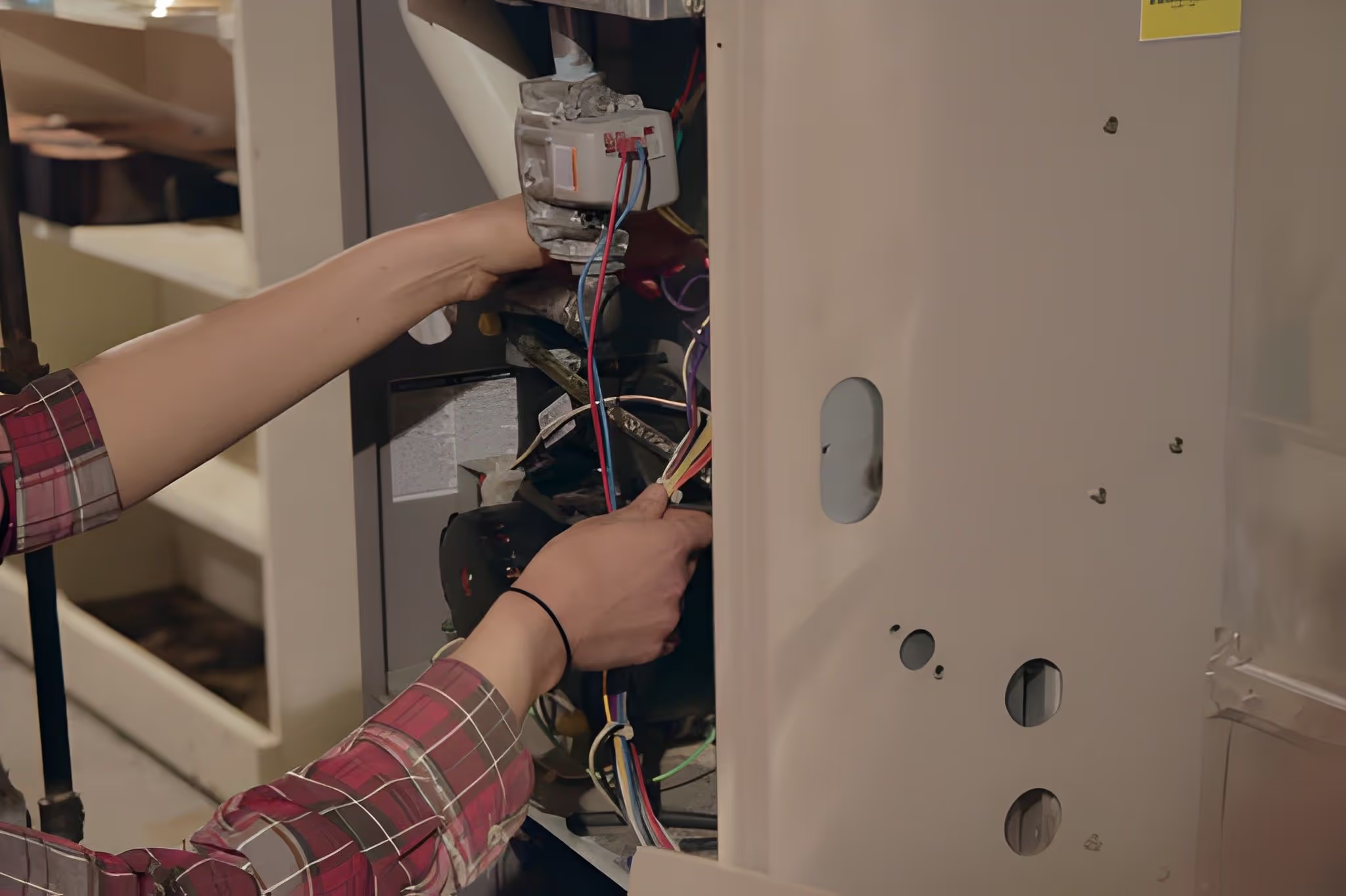
A comprehensive Tune-Up follows a consistent inspection checklist and cleaning protocol to ensure each component of your heating and cooling system performs as intended. Everest Air Heating and Cooling technicians use that checklist to troubleshoot, clean, and calibrate systems methodically:
Inspection checklist
- System history review and visual inspection of indoor and outdoor units.
- Check electrical connections, contactors, fuses, and breakers for signs of wear, corrosion, or overheating.
- Motor and fan inspection for proper rotation, balance, and lubrication as required by manufacturer.
- Thermostat and control system verification, including battery check and calibration.
- Measurement of refrigerant pressures and temperature differentials to detect leaks or under/overcharging.
- Inspection and measurement of airflow at vents and return grilles.
- Ductwork assessment for visible leaks, disconnected joints, and insulation gaps influencing airflow and energy loss.
- Condensate drain inspection to ensure proper drainage and prevent overflow or microbial growth.
- Air filter inspection and recommendation for replacement or upgrade based on type and condition.
- Combustion and venting inspection for gas-fired equipment, including flame sensors and CO vent paths where applicable.
Cleaning and component work
- Condenser coil cleaning: Removal of leaves, pollen, and grime from outdoor unit fins to restore heat transfer and airflow.
- Evaporator coil cleaning: Cleaning the indoor coil where cooling occurs to remove dust and biological buildup that reduces efficiency and blows contaminants into living spaces.
- Blower and motor cleaning: Removing accumulated dust from blower wheel and motor housing to restore airflow and reduce motor strain.
- Drain line clearing: Flushing condensate drains and traps to remove slime and blockages that cause water backups and potential property damage.
Diagnostic checks and calibration
- Refrigerant and pressure checks: Measuring system pressures, verifying they fall within manufacturer-specified ranges, and inspecting for signs of leakage. Low refrigerant often indicates a leak that needs repair before recharging.
- Thermostat calibration: Confirming actual room temperature matches thermostat readings and recalibrating or advising on replacement if accuracy is off. Smart thermostats are verified for proper programming and connectivity.
- Airflow and static pressure measurement: Determining whether restricted ductwork, dirty filters, or obstructed vents are limiting system performance.
- Electrical system testing: Voltage and amperage checks on major components to identify motors or capacitors operating outside safe ranges.
Estimated duration for a thorough Tune-UpA full seasonal Tune-Up typically takes between 60 and 120 minutes for a single residential system, depending on age, accessibility, and whether both heating and cooling components need work. Systems with significant dirt buildup, duct access issues, or diagnostic complexities may require additional time to ensure every step is completed to Everest Air Heating and Cooling standards.
Priority scheduling for plan membersHomeowners enrolled in maintenance plans such as the Y.E.T.I Comfort Plan receive priority scheduling for Tune-Ups and service windows that accommodate busy mornings. Plan members often get earlier appointment times during peak months and streamlined access during high-demand periods. This priority can be especially valuable in Alnwick during sudden heat waves or cold snaps when repair demand peaks.
How coil cleaning preserves efficiency and indoor air quality
Condenser and evaporator coil conditions directly affect system efficiency. On the outdoor condenser coil, dirt and organic matter act as an insulating layer that prevents heat rejection. This forces the compressor to run longer to achieve the same cooling effect, increasing energy consumption and wear.
Indoors, a dirty evaporator coil reduces the system’s ability to absorb heat from your home and impairs humidity control. That can make your home feel clammy during Alnwick’s humid months and allow mold or mildew to grow where moisture collects. Everest Air Heating and Cooling uses safe cleaning methods that protect fins and refrigerant lines while restoring coil performance.
Refrigerant checks and pressure testing: what you should know
Correct refrigerant charge is critical. Too little refrigerant impairs cooling capacity and can overheat the compressor; too much can also stress components. During a Tune-Up, technicians measure both high-side and low-side pressures and compare them to manufacturer specifications for your system and the current outdoor temperature. If pressures are out of range, the technician will inspect for leaks and other causes. Because refrigerant handling requires care and proper certification, qualified service is essential for safety and environmental compliance.
Thermostat calibration and controls
A miscalibrated thermostat can cause short cycling, inconsistent temperatures, and higher energy use. Everest Air Heating and Cooling checks both temperature accuracy and control logic. For homes with older mechanical thermostats, a recommendation may be made to switch to a modern programmable or Wi-Fi model to improve control and setback scheduling—especially helpful in Alnwick where daytime temperatures can spike in summer and drop in winter.
Airflow, filters, and ductwork: often overlooked but critical
Airflow problems are a common root cause of reduced comfort and efficiency. A Tune-Up includes:
- Measuring airflow and comparing to expected values for the system.
- Inspecting filters and advising on replacement frequency or higher-efficiency options that balance filtration with airflow.
- Checking accessible ducts for leaks, disconnected sections, and insulation gaps that lead to wasted conditioned air.
- Assessing return paths to ensure rooms get proper circulation and avoiding negative pressure issues that draw in unconditioned attic or crawlspace air.
In Alnwick, attics and crawl spaces may introduce pollen, dust, and outdoor humidity into duct systems if seals fail. Fixing or recommending repairs for these issues can improve comfort and reduce dust and allergies inside the home.
Common issues discovered during Tune-Ups and how they are addressed
- Restricted condensate drains: Cleaned and flushed to prevent overflow and fungal growth.
- Clogged air filters and dirty blower wheels: Replaced or cleaned to restore airflow.
- Worn electrical components or failing capacitors: Diagnosed and noted for replacement to prevent motor failure.
- Refrigerant leaks: Located and diagnosed; repairs recommended before refrigerant is recharged.
- Loose or corroded electrical connections: Tightened and secured to prevent arcing and component damage.
- Duct leaks and poor insulation: Identified and mapped; targeted repairs can significantly improve system performance.
Each finding is documented during the Tune-Up, and Everest Air Heating and Cooling provides clear explanations of necessary repairs and prioritized recommendations for homeowners.
How Tune-Ups reduce breakdown risk and improve efficiency
Preventive maintenance targets the small failures that lead to big problems. By cleaning coils and drains, checking refrigerant and electrical systems, and verifying proper airflow, Tune-Ups:
- Reduce compressor run-time and electrical demand, lowering energy costs and stress on components.
- Restore system capacity so the unit does not need to run constantly to reach temperature settings.
- Identify failing parts before they cause a no-cool or no-heat emergency in extreme weather.
- Keep warranty requirements intact when manufacturer guidelines require regular maintenance for coverage.
For Alnwick households, a well-maintained system means fewer interruptions during humidity-driven cooling seasons and greater reliability during cold snaps.
When to schedule your Tune-Up
Seasonal timing is important. Best practices include:
- A spring Tune-Up focused on cooling system prep before the heat and humidity increase.
- A fall Tune-Up focused on heating system readiness before sustained cold sets in.
Scheduling these inspections before peak seasons gives technicians time to address issues without the pressure of emergency service demand. For homes with year-round systems or mixed climates, semiannual checks align with the Y.E.T.I Comfort Plan approach.
What to expect during an Everest Air Tune-Up visit
Technicians arrive prepared to perform the full inspection checklist and explain their findings in plain language. Typical visit flow:
- Brief system history review and homeowner concerns check.
- Safety and visual inspection of both indoor and outdoor units.
- Filter assessment and general cleaning.
- Coil and blower cleaning, drain clearing, and safety component checks.
- Diagnostic testing including refrigerant pressures, electrical checks, and airflow measurements.
- Thermostat verification and calibration.
- Review of findings and written summary of recommended repairs or follow-up items.
Technicians work to minimize disruption, keep work areas tidy, and document the condition of the system for future comparison.
Simple homeowner maintenance between Tune-Ups
Homeowners can support system health with a few practical habits:
- Replace or clean air filters on a regular schedule based on manufacturer guidance and household conditions.
- Keep outdoor condenser units free of vegetation, debris, and stored items to ensure adequate airflow.
- Ensure return vents are unobstructed and that furniture does not block supply registers.
- Monitor for changes in performance, unusual noises, odors, or higher-than-normal utility bills and report them promptly.
- Keep attic and crawlspace access points sealed to prevent infiltration into ductwork.
These steps help preserve the gains from a professional Tune-Up.
How Tune-Ups fit into a long-term HVAC strategy
A Tune-Up is more than a one-time service; it is part of a lifecycle strategy to maximize equipment life and return on investment. Regular maintenance:
- Preserves manufacturer warranty coverage in many cases.
- Provides a documented history of system condition useful when evaluating repair versus replacement decisions.
- Improves resale value by demonstrating consistent care and lower risk to prospective buyers.
- Facilitates energy-efficient operation, which pays back over time in lower utility costs.
Everest Air Heating and Cooling documents each service visit so homeowners in Alnwick have a clear record to guide future decisions.
Recognizing when you need immediate service instead of a routine Tune-Up
Some issues require prompt attention beyond scheduled maintenance:
- System not operating at all or failing to start.
- Burning smells or visible smoke from vents.
- Major refrigerant leaks or rapid loss of cooling.
- Carbon monoxide alarm activations tied to combustion appliances.
- Water accumulation around equipment indicating severe drain blockage or condensate pump failure.
If any of these occur, professional diagnosis and repair are necessary to protect safety and property.
Benefits of enrolling in a maintenance plan
For homeowners who prefer predictable care, an annual or semiannual maintenance plan provides:
- Scheduled seasonal Tune-Ups to stay ahead of repairs.
- Documentation and priority access during high-demand periods.
- Predictable service windows that fit busy routines.
While Everest Air Heating and Cooling offers detailed Tune-Ups as individual services, plan membership provides an added layer of reliability that can be particularly valuable in Alnwick’s variable climate.
Frequently asked questions
Q: How often should I schedule a Tune-Up for my HVAC system?
A: Twice a year is recommended for most homes—once in spring for cooling and once in fall for heating. Single-family homes with moderate use sometimes opt for an annual check focusing on the upcoming peak season, but twice yearly provides the best protection and efficiency.
Q: What signs indicate my system needs a Tune-Up now?
A: Reduced cooling or heating capacity, unusual noises, higher energy bills, frequent cycling, or visible dirt and debris around the outdoor unit are common signs that a Tune-Up is due.
Q: How long does an HVAC Tune-Up take?
A: A thorough residential Tune-Up typically takes between 60 and 120 minutes, depending on system age, condition, and whether additional diagnostic or cleaning work is necessary.
Q: Will a Tune-Up fix a refrigerant leak?
A: A Tune-Up includes pressure checks to identify potential leaks, but repairing an active refrigerant leak requires specific leak repair work. Technicians will document findings and recommend repair steps before a refrigerant recharge is performed.
Q: Do I need to be home during a Tune-Up?
A: It is helpful for the homeowner to be present for initial system history review and to discuss any concerns, but technicians can often perform the inspection and leave a detailed report if homeowner presence is not possible.
Q: Are Tune-Ups required to keep my warranty valid?
A: Many manufacturer warranties require regular maintenance records. Keeping documented Tune-Ups can help maintain warranty coverage; technicians typically provide written service records for your files.
Q: What are the main benefits of the Y.E.T.I Comfort Plan?
A: The plan focuses on preventive maintenance with scheduled seasonal checkups and priority scheduling to ensure your system receives timely attention when demand is high. It also streamlines record keeping and planning for long-term system care.
Q: Can Tune-Ups improve indoor air quality?
A: Yes. Cleaning evaporator coils, checking and recommending appropriate filters, clearing condensate drains, and addressing duct leaks all contribute to better indoor air quality by reducing dust, pollen, and biological growth.
Everest Air Heating and Cooling performs HVAC Tune-Ups in Alnwick, TN with attention to local weather patterns, common regional system stresses, and a thorough checklist designed to catch problems early. Regular, professional maintenance is the most effective way to keep your system running efficiently, reliably, and safely throughout the year.
hear what our satisfied clients have to say

David P.
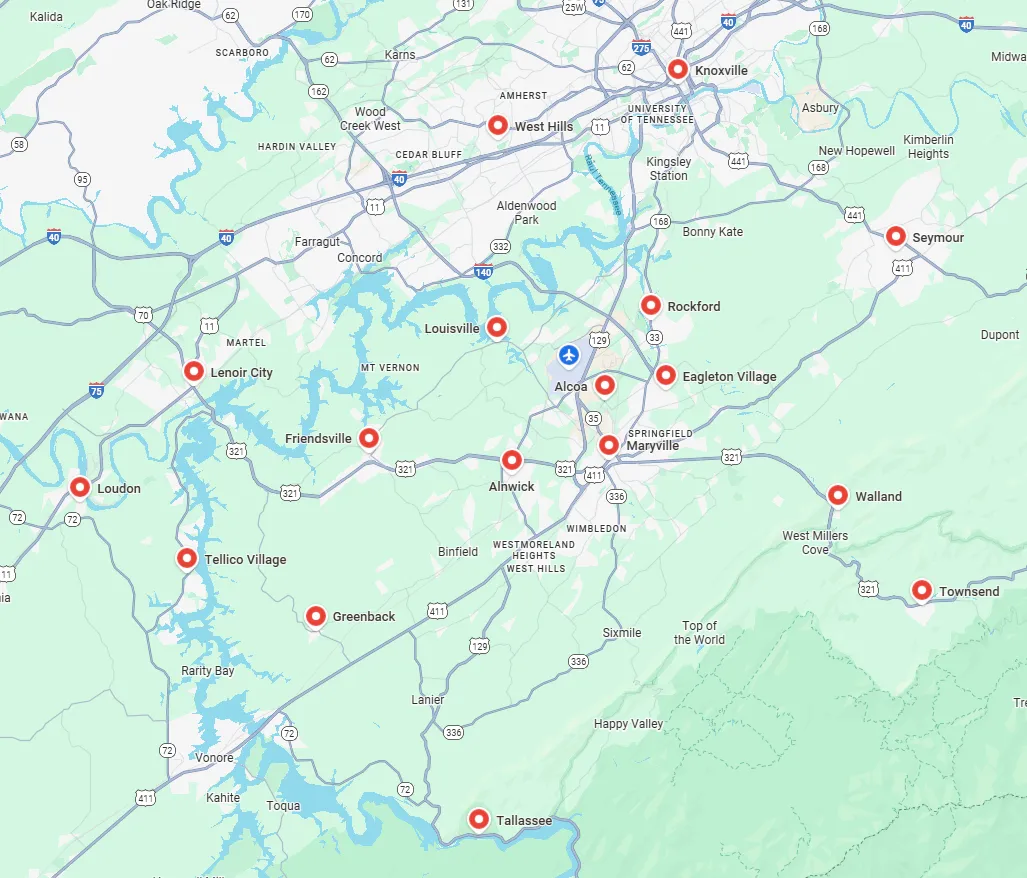
Service areas