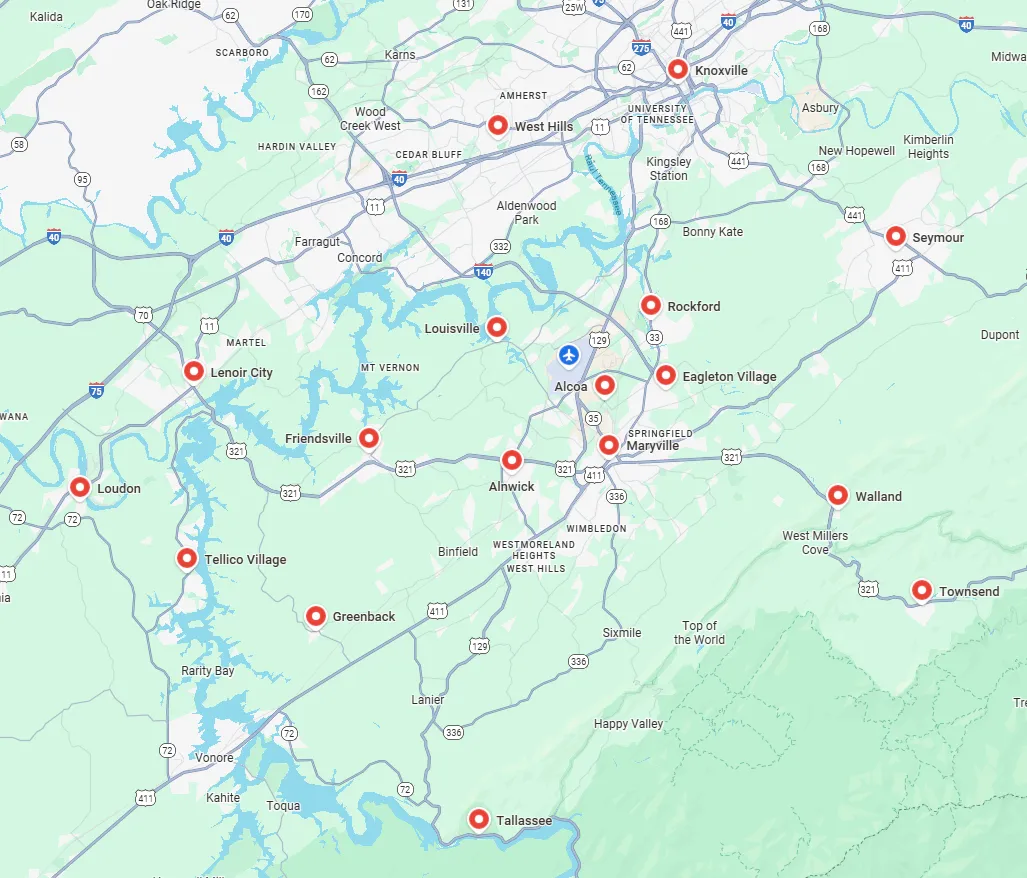


HVAC Replacement in Alnwick, TN
Replacing an entire HVAC system is a big decision for any homeowner, no doubt about it. Here in Alnwick, TN, where we experience hot, humid summers and some serious winter cold snaps, making the right full-system replacement means consistently better comfort, lower energy bills, and healthier indoor air. At Everest Air Heating and Cooling, we're dedicated to providing expert guidance. We'll help you evaluate whether replacement is right for you, compare all the equipment and efficiency options, and plan a super smooth project from the initial estimate right through to installation and beyond. We'll also dive into when replacement is truly appropriate, what equipment choices make the biggest difference, give you a clear idea of the typical project timeline, explain how we handle removal and disposal, and share insights on available rebates, financing paths, and how Everest Air Heating and Cooling's warranties and post-installation support will keep your new system performing reliably for years to come.
.avif)
Why a full-system replacement matters in Alnwick, TN
Alnwick homes often face large seasonal swings and humidity that stress HVAC systems. An older or mismatched system can:
- Struggle to maintain consistent indoor temperatures during humid summers and cold nights.
- Run longer and cycle more often, driving higher energy use and utility costs.
- Allow higher indoor humidity and allergens, worsening comfort and health concerns.
- Require increasingly frequent repairs as components age, creating reliability and safety risks.
A full-system replacement gives you the opportunity to right-size equipment, upgrade to more efficient technology, address ductwork or airflow issues, and integrate controls and dehumidification tailored to local conditions. Everest Air Heating and Cooling frames replacement decisions around measurable benefits like energy savings, improved comfort, and reduced maintenance needs.
Common signs you need HVAC replacement in Alnwick
Consider replacement when you notice persistent or multiple warning signs:
- Age: The system is 10 to 15 years old for air conditioners or heat pumps, 15 to 20 years for well-maintained furnaces. Older equipment is less efficient and more likely to fail.
- Frequent repairs: Repeated breakdowns or high repair costs relative to the system value.
- Rising energy bills: Seasonal bills climb despite consistent use, indicating declining efficiency.
- Uneven comfort: Rooms with large temperature differences or humidity problems that repairs do not fix.
- Noisy operation: Loud compressors, rattling ductwork, or banging furnaces suggest aging components.
- Refrigerant issues: Repeated refrigerant leaks or a requirement to replace phased-out refrigerants.
- Failing safety components: For gas furnaces, issues with heat exchanger cracks or frequent pilot and ignition problems.
When these signs appear, a full-system replacement can be more cost effective than ongoing repairs, particularly in Alnwick where severe heat or humidity increases the burden on HVAC gear.
Types of replacement systems to consider
Choosing the right system starts with your home layout, comfort priorities, and long-term energy goals. Common options include:
- Central split systems
- Traditional configuration with an outdoor condenser/compressor and indoor air handler or furnace.
- Good for homes with existing ductwork that is in reasonable condition.
- Heat pumps
- Modern heat pumps provide both heating and cooling with high efficiency, especially cold-climate and variable-speed models.
- Ideal for many East Tennessee homes seeking electric heating options and tax or utility incentives.
- Ductless Mini Splits
- Best for homes without ductwork, additions, or areas needing room-by-room control.
- High efficiency and simple zoning make them attractive for targeted comfort solutions.
- Furnace upgrades
- High-efficiency gas furnaces (AFUE rated) replace aging units to improve winter comfort and reduce fuel use.
- Often paired with variable-speed blower motors to improve air distribution.
- Hybrid systems
- Combine a heat pump with a gas furnace for optimized efficiency across seasons.
- Zoned systems and variable-speed equipment
- Zoned systems with dampers and multiple thermostats or variable-speed compressors and blowers improve comfort and efficiency by matching capacity to demand.
Equipment selection should focus on overall system performance, not just single metrics. SEER and SEER2 ratings reflect cooling efficiency, AFUE reflects furnace efficiency, and HSPF reflects heat pump heating performance. Variable-speed compressors and ECM blowers deliver better comfort and lower operating costs in real-world conditions typical of Alnwick’s humidity and temperature swings.
Energy-efficiency options and what they mean for your home
Upgrading efficiency affects both comfort and operating cost:
- Higher SEER or SEER2 equipment reduces cooling costs during hot Alnwick summers.
- High-efficiency heat pumps and furnaces cut winter energy use and can reduce dependence on fossil fuels.
- Variable-speed compressors and two-stage systems reduce short-cycling and improve humidity control.
- Smart thermostats and zoning let you manage temperatures by room and time of day, lowering wasted conditioning.
- Enhanced filtration and whole-house dehumidification address pollen, mold, and seasonal allergies common in East Tennessee.
Expect the biggest efficiency gains when replacing an old, single-stage unit with a modern variable-speed heat pump or high-SEER system, especially in homes with improved insulation and sealed ductwork.
How to determine the right size and system for your home
A proper replacement starts with a load calculation, not a simple tonnage guess. Everest Air Heating and Cooling uses Manual J and Manual D principles to:
- Evaluate square footage, insulation levels, window types and orientations, and occupancy patterns.
- Consider duct layout, attic and crawlspace conditions, and local climate loads in Alnwick.
- Recommend equipment capacity, airflow needs, and any duct modifications required to deliver even comfort.
Right-sizing avoids both underpowered systems that run constantly and oversized units that short-cycle and reduce humidity control. A properly sized, high-efficiency system delivers consistent comfort and longer service life.
Project timeline: from estimate to final commissioning
A typical full-system replacement project follows clear stages so homeowners know what to expect:
- Initial estimate and assessment (1 to 3 days)
- On-site evaluation of equipment, ductwork, and electrical and gas services.
- Load calculation and discussions about system types, efficiency levels, and budget considerations.
- Preliminary estimate provided for options.
- Final proposal and equipment selection (1 to 7 days)
- Detailed proposal outlining selected equipment, accessories, and timeline.
- Identification of any required permits and potential utility incentives.
- Scheduling of installation date once equipment is ordered.
- Permitting and equipment procurement (1 to 3 weeks)
- Local permit applications submitted where required.
- Equipment ordered; lead times vary by model and season.
- Preparation planning for required ductwork, electrical upgrades, or gas piping changes.
- Installation day(s) (1 to 3 days typically)
- Removal of the old system and preparation of the installation area.
- Installation of outdoor and indoor components, duct modifications, thermostat setup, and system charging.
- Refrigerant handling carried out to current regulations.
- System commissioning and homeowner orientation (same day as install)
- Detailed testing for airflow, refrigerant charge, electrical connections, and safety features.
- Thermostat programming and demonstration of system features.
- Paperwork for warranties and manufacturer registrations completed.
- Follow-up and seasonal checkups (within 30 days and ongoing)
- Initial post-installation review to confirm performance.
- Enrollment options for ongoing maintenance to preserve efficiency and warranties.
Seasonal demand affects lead times in Alnwick; summer and late winter are peak seasons. Accurate scheduling and clear communication ensure minimal disruption to your household.
Removal and disposal of old systems
Proper removal is as important as installation:
- Refrigerant recovery: Refrigerant is recovered and recycled per EPA regulations to prevent environmental release.
- Component disposal: Compressors, coils, and electrical components are recycled or disposed of in accordance with local waste handling rules.
- Clean-out and site restoration: The installation area is cleaned, and work areas are left as tidy as possible.
- Documentation: You should receive documentation that the refrigerant was recovered and that disposal followed regulatory requirements.
Responsible disposal reduces environmental impact and often qualifies homeowners for local utility recycling rebates.
Rebates, incentives, and financing options
Many replacement projects are more affordable when factoring in incentives and financing. Typical options include:
- Federal tax credits or incentives for qualifying heat pumps or high-efficiency equipment. Availability and eligibility can vary with federal programs and energy policy changes.
- Local utility or regional programs. In Tennessee, many customers have access to energy efficiency programs through local power providers and utility districts that offer rebates for qualifying equipment and air sealing work.
- Manufacturer rebates on select models when purchased through authorized dealers.
- Financing plans through lenders or manufacturer partners to spread costs over time, often with variable terms.
Everest Air Heating and Cooling helps identify likely incentives and ensures documentation is collected for rebate and tax credit applications. Eligibility depends on equipment make, model, installation specifics, and program timing.
Warranties and post-installation support
Warranty coverage typically comes in two parts:
- Manufacturer warranty: Covers parts and sometimes compressor or heat exchanger for a specified number of years. Durations vary by model and manufacturer.
- Labor warranty: Installer-provided coverage for workmanship and labor for a specified period. This protects against installation errors or immediate defects.
Post-installation support should include:
- Registration of manufacturer warranties to activate full coverage.
- Documentation of maintenance requirements to preserve warranty validity.
- A clear process for service calls and follow-up inspections.
Everest Air Heating and Cooling offers maintenance plans such as the Y.E.T.I Comfort Plan that ensure regular fall and spring checkups, priority scheduling, and discounts on service. Regular maintenance not only preserves comfort and safety but also maintains warranty coverage and extends system life.
What to expect on installation day
Homeowners should be prepared for a well-managed, professional process:
- Crew arrival within scheduled window and protective measures in the home such as shoe covers and drop cloths.
- Old equipment removal staged to control dust and debris.
- Installation of new indoor and outdoor components, duct sealing, and electrical connections.
- System charging and multiple performance checks to ensure proper airflow, refrigerant charge, and safe operation.
- Brief orientation showing how to use the thermostat, maintenance reminders, and documentation for warranties and system specs.
A professional installer will also inspect ductwork and insulation to recommend any additional measures that maximize the new system’s performance, particularly important in older Alnwick homes with crawlspaces or attic heat gain.
Ductwork and airflow: often the hidden factor
Even the best new equipment underperforms with poor ductwork. Common issues in local homes include:
- Leaky ducts in attics and crawlspaces that waste energy and reduce comfort.
- Undersized or poorly designed ducts causing uneven airflow and noisy vents.
- Dirty or obstructed ducts that reduce indoor air quality and system efficiency.
As part of a replacement, consider duct sealing, balancing, and insulation upgrades. These measures improve efficiency and comfort and often accelerate the payback on a new high-efficiency system.
Typical lifespan and cost-benefit overview
Modern well-maintained systems usually last:
- Air conditioners and heat pumps: 12 to 20 years depending on usage and maintenance.
- Furnaces: 15 to 25 years for gas furnaces, depending on maintenance and operating conditions.
Energy savings and payback depend on the efficiency difference between the old and new systems, fuel prices, and local climate. Replacing an aging, inefficient system with a high-efficiency heat pump or high-SEER air conditioner combined with duct improvements often reduces energy bills and improves comfort enough to justify the investment over time.
Local considerations for Alnwick homes
Alnwick-specific factors that influence replacement decisions:
- Humidity control: High summer humidity makes dehumidification capacity a priority; variable-speed equipment and dedicated dehumidifiers perform better than single-stage systems.
- Attic and crawlspace conditions: Attic heat gain and crawlspace moisture are common in East Tennessee; addressing insulation and moisture barriers can significantly improve system performance.
- Seasonal pollen and allergy concerns: Higher-efficiency filtration and UV or electronic air cleaning options help reduce allergens.
- Landscaping and condenser placement: Proper clearance, shading, and drainage around the outdoor unit prevent performance loss and premature wear.
- Power reliability and surge protection: With occasional storms, evaluating electrical protection for your new equipment helps prevent damage and costly downtime.
Questions to ask when reviewing replacement proposals
When evaluating proposals from installers, compare not only price but long-term value:
- Does the proposal include a Manual J load calculation and duct evaluation?
- What are the SEER, HSPF, and AFUE ratings for the proposed equipment?
- Is the equipment single-stage, two-stage, or variable-speed? How does that affect humidity control and comfort?
- What is included in the installation scope: duct modifications, refrigerant type, thermostat, and system commissioning?
- What are the manufacturer and labor warranties? Are they documented in writing?
- Are efficiency incentives, rebates, or tax credits identified and included in the proposal?
- What ongoing maintenance plan options are available and what do they include?
Requesting clear answers to these questions helps ensure the selected system delivers long-term comfort and cost savings for your Alnwick home.
FAQs
Q: How do I know if replacing my whole system is better than repairing it?
A: If your system is near or past typical service life, shows multiple failing components, has high repair costs relative to replacement, or fails to provide consistent comfort, replacement is often the more economical and reliable choice.
Q: How long does a full replacement typically take from start to finish?
A: From initial estimate to final commissioning the timeline can range from a few days to several weeks, depending on permit requirements, equipment availability, and scope of duct or electrical work.
Q: Will a new high-efficiency system lower my energy bills in Alnwick?
A: Yes. Upgrading from an older single-stage unit to a high-SEER or variable-speed system, especially when paired with duct sealing and insulation improvements, can noticeably reduce cooling and heating costs in Alnwick’s climate.
Q: Are there rebates or tax credits available for HVAC replacements in Tennessee?
A: Incentives often exist through federal programs, regional utilities, and some manufacturers. Availability and eligibility vary, so check current programs when planning a replacement.
Q: What should I expect for warranty coverage after a replacement?
A: Manufacturer warranties cover parts and certain components for specified periods, while labor warranties cover the installer’s workmanship. Registration and regular maintenance are often required to preserve full warranty benefits.
Q: Do I need to replace ductwork when I replace my HVAC unit?
A: Not always. Duct replacement is recommended when ducts are severely leaky, poorly sized, or located in unconditioned spaces without proper insulation. A duct evaluation during the estimate will determine necessity.
Q: How does a heat pump compare to a gas furnace for Alnwick homes?
A: Modern heat pumps provide efficient cooling and heating with good performance for many Alnwick homes, especially when paired with weatherized envelopes. Gas furnaces provide strong heating performance in very cold stretches, so hybrid options may be suitable depending on your priorities.
Q: Will replacement help with humidity and indoor air quality?
A: Yes. Variable-speed systems, proper sizing, upgraded filtration, and integrated dehumidification solutions all improve humidity control and reduce airborne particles common during Alnwick’s pollen seasons.
Q: What maintenance is required to keep the new system running optimally?
A: Regular fall and spring checkups, filter changes, duct inspections, and planned cleanings preserve efficiency and prolong system life. Enrollment in a maintenance plan ensures scheduled care and helps maintain warranty coverage.
Q: Can my replacement qualify for financing?
A: Financing options are commonly available through lenders and manufacturers. Terms and approval depend on credit and program details, and many homeowners use financing to spread the cost of higher-efficiency systems.
hear what our satisfied clients have to say

David P.
Service areas