

HVAC Installation in Alnwick, TN
Getting a new HVAC system for your home is a big deal – it's a major investment in your comfort and how much you'll spend on energy bills. Here in Alnwick, TN, where we experience humid, warm summers and pretty chilly winters, having a system that's the right size and installed by pros is absolutely crucial. It ensures you'll stay comfortable, your system runs efficiently, and your indoor air stays healthy. At Everest Air Heating and Cooling, we take every installation seriously, focusing on precision, meeting all codes, maximizing energy performance, and building in long-term reliability. That way, your new system works perfectly from the moment it's turned on.

Why a professional installation matters in Alnwick, TN
Improper sizing, poor ductwork, incorrect refrigerant charge, or inadequate combustion and venting checks are common causes of early failures, higher bills, and inconsistent comfort. Local climate in Alnwick intensifies these risks: high humidity can overload undersized air conditioners, while older homes with leaky ducts or uninsulated attics can make even new equipment struggle. A professional installation addresses these variables with precise load calculations, considerate equipment selection, and quality workmanship to avoid recurring service calls and protect your investment.
Common HVAC installation types for Alnwick homes
- Central split systems - Traditional forced-air systems with outdoor condensing unit and indoor air handler or furnace. Ideal for many detached homes with existing ductwork.
- Heat pumps (air source and variable-speed) - Work well year round in much of East Tennessee, providing both efficient cooling and heating, often with excellent humidity control.
- Gas furnaces paired with central AC - Best where supplemental high-BTU heat is needed; proper combustion testing and venting are critical.
- Ductless Mini Split systems - Excellent for older Alnwick homes without ductwork, room additions, or targeted zoning to reduce energy waste and improve comfort in specific rooms.
- Hydronic systems and radiant heating - Hydronic boilers and radiant floor systems deliver quiet, even heat and are beneficial for basements, bathrooms, or whole-home designs where comfort and air quality are priorities.
- Hybrid systems and zoning - Combining a heat pump with a gas furnace or installing zoning dampers can optimize efficiency and comfort across different areas of the home.
On-site assessment and load calculations
A reliable installation starts with a thorough on-site assessment. Everest Air Heating and Cooling conducts detailed inspections and professional load calculations tailored to each Alnwick home.
What we evaluate:
- Home size, orientation, and construction materials
- Window types, shading, and solar gain
- Insulation levels in walls, attic, and floors
- Air infiltration, duct condition, and crawlspace or basement characteristics
- Occupancy patterns, thermostat locations, and appliance loads
- Local microclimate factors such as humidity and typical summer peak temperatures
We use Manual J load calculations to determine exact heating and cooling demand. Manual S helps select the right equipment capacity to meet that demand. If your home has ducts, a Manual D duct design or evaluation ensures air distribution will be balanced and efficient. Accurate sizing prevents short cycling, reduces energy consumption, and extends equipment life.
Energy-efficient equipment selection
Choosing the right equipment is as important as the installation. In Alnwick, efficiency and humidity control are top priorities.
Key efficiency metrics and features to consider:
- SEER and SEER2 for cooling efficiency
- HSPF for heat pump heating efficiency
- AFUE ratings for furnace combustion efficiency
- Variable-speed compressors and ECM motors for improved comfort, precise humidity control, and lower electrical demand
- Two-stage or modulating systems to reduce short cycling and improve steady-state comfort
- High-efficiency ductless Mini Splits for retrofit applications and room-level zoning
- Hydronic boilers and radiant options for quiet, consistent heat and superior comfort in cold snaps
Matching system features to your home’s load and lifestyle is essential. Everest Air Heating and Cooling evaluates tradeoffs like initial cost versus long-term savings, local utility rates, and how you use your home to recommend the most appropriate system. We also consider indoor air quality upgrades such as ERVs or HRVs where humidity and ventilation balance are necessary.
Professional installation steps
A professional installation follows a structured process to ensure safety, compliance, and performance:
- Pre-install verification
- Confirm load calculations and equipment specifications
- Review access, clearances, and staging area
- Finalize any ductwork or electrical scope
- Permitting and site preparation
- File required permits and schedule inspections in accordance with local codes
- Protect flooring, landscaping, and living areas during work
- Removal of old equipment
- Safely recover refrigerant per EPA regulations
- Remove and dispose of old equipment and obsolete duct sections
- Mechanical and electrical work
- Install properly sized refrigerant lines, condensate drains, and condensate pumps if needed
- Upgrade or install electrical circuits, disconnects, and safety devices to code
- Ensure proper grounding and surge considerations
- Ductwork and airflow optimization
- Repair or replace leaky ducts, add insulation, and install proper returns and grills
- Balance ducts and register locations for consistent airflow and static pressure control
- Refrigerant handling and brazing
- Use best practices for brazing, evacuation, and charging for precise refrigerant charge
- Verify subcooling and superheat where applicable
- Final assembly and sealing
- Insulate refrigerant lines and ductwork
- Seal penetrations and air barriers to reduce infiltration and improve efficiency
Every step is documented to produce a comprehensive installation record and startup report specific to your Alnwick property.
Permitting, code compliance, and safety checks
Permits and inspections serve as important safeguards. Everest Air Heating and Cooling manages the permitting process and coordinates required inspections for work in Alnwick and surrounding jurisdictions.
Safety checks typically include:
- Proper combustion air and venting checks for gas appliances
- Carbon monoxide testing and combustion efficiency tests
- Electrical panel, breaker, and disconnect safety verification
- Refrigerant leak checks and proper recovery documentation
- Pressure and leak testing for hydronic systems
- Verification of code-required clearances and equipment placement
Meeting local code requirements protects you from liability, ensures insurance compliance, and helps avoid rework or unsafe installations.
Warranties and product registration
Understanding warranties protects your long-term investment. There are two warranty types to consider:
- Manufacturer warranty: Covers parts and sometimes compressors. Terms vary by model and manufacturer and often require timely product registration.
- Workmanship warranty: Covers labor and installation quality provided by the installer. Everest Air Heating and Cooling provides a workmanship warranty on installations and explains coverage length and conditions.
To preserve warranties, manufacturers often require professional installation, correct refrigerant charge, and routine maintenance. We provide documentation and guidance for registering equipment and maintaining warranty validity.
Post-installation testing and commissioning
A successful installation ends with thorough commissioning to verify performance.
Commissioning checklist items:
- Measure airflow and static pressure to ensure proper distribution
- Verify refrigerant charge with manufacturer-specific procedures
- Confirm temperature split and room-by-room comfort performance
- Test electrical draw, voltage, and ampere load against specifications
- Validate thermostat calibration and zoning control functionality
- Check condensate drainage for proper slope and trap configuration
- Perform a final safety and code compliance review
Everest Air Heating and Cooling delivers a startup report summarizing measured values and settings so clients have a record of the system’s baseline performance.
Customer education and handover
We believe an informed homeowner is a satisfied homeowner. After commissioning, technicians provide a clear handover that covers:
- How to properly operate the thermostat and program schedules for comfort and energy savings
- Recommended temperature and humidity setpoints for Alnwick’s climate
- Filter types, replacement intervals, and how to change filters safely
- Identifying early signs of issues such as unusual noises, short cycling, or high humidity
- How the Y.E.T.I Comfort Plan maintenance schedule helps preserve warranty and system efficiency
Education includes in-home demonstrations of system features, thermostat programming, and maintenance basics so you can feel confident operating and maintaining your new system.
Maintenance and the Y.E.T.I Comfort Plan
Regular maintenance preserves efficiency and reliability. The Y.E.T.I Comfort Plan offered by Everest Air Heating and Cooling provides routine seasonal checkups that are especially valuable given Alnwick’s climate swings.
Maintenance benefits:
- Maintain manufacturer warranty compliance
- Early detection and prevention of small issues before they become costly repairs
- Improved system efficiency and lower monthly operating costs
- Priority scheduling during peak seasons
- Discounted labor or parts depending on plan specifics
Seasonal checkups typically include filter inspection or replacement, refrigerant and airflow checks, electrical safety tests, and thermostat calibration.
Financing and special offers
Investing in a high-efficiency HVAC system can deliver substantial lifetime savings. Everest Air Heating and Cooling provides financing options tailored to different homeowner needs so replacement does not have to be delayed for budget reasons. Typical financing features may include flexible terms, low monthly payment structures, and options for qualified applicants. Special offers, seasonal promotions, or rebate guidance may be available to help offset system costs, and we will explain how equipment efficiency affects potential incentives.
Note: specific financing terms, offers, and eligibility vary. Documentation and credit approval are required for financing products.
Typical installation timeline and what to expect on installation day
While every project is unique, a standard single-family home installation typically follows this timeline:
- Pre-install planning and permitting: 1 to 2 weeks depending on permit timelines
- Delivery and staging of equipment: coordinated to minimize disruption
- Installation day(s): 1 to 3 days depending on system type and required ductwork or electrical upgrades
- Final commissioning and inspection: 1 day, with inspector scheduling variable
Install crews are organized to minimize mess and complete work efficiently. Technicians arrive prepared with tools, materials, safety gear, and documentation. After work, the site is cleaned, and all removed materials are disposed of according to local regulations.
Common post-installation issues and solutions
Even well-installed systems can present initial questions. Common issues and straightforward solutions include:
- Uneven rooms or temperature differences
- Causes: incomplete duct balancing, bedroom return locations, or thermostat placement
- Fix: register balancing, adjust damper settings, consider zoning or duct modifications
- High indoor humidity
- Causes: oversized equipment that short cycles, poor ventilation, or high outdoor humidity
- Fix: variable-speed equipment, proper system sizing, or adding ventilation/ERV to control moisture
- Short cycling
- Causes: oversized equipment or incorrect refrigerant charge
- Fix: verify load calculations, adjust control settings, and correct installation errors
- Unusual noise or vibration
- Causes: loose mounts, duct resonance, or compressor issues
- Fix: tightening mounts, adding duct insulation or support, verifying vibration isolation
- Higher than expected utility bills
- Causes: incorrect airflow, refrigerant charge, duct leakage, or poor thermostat programming
- Fix: efficiency audit, airflow corrections, duct sealing, and thermostat optimization
Everest Air Heating and Cooling documents performance at startup and addresses any post-installation concerns with focused diagnostics and corrective action.
Why timely replacement matters for Alnwick homeowners
Delaying replacement of an aging HVAC system increases the risk of sudden failure during peak summer humidity or winter cold, leads to progressively higher energy bills, and can compromise indoor air quality. Replacing near the end of useful life provides:
- Better energy efficiency and lower monthly utility bills
- More consistent comfort and superior humidity control during hot, humid summers
- Reduced repair frequency and better reliability during extreme weather days
- Improved indoor air quality with modern filtration and ventilation options
- Increased home resale value and appeal
Proactively planning replacement allows homeowners to select the right system, schedule work on their timeline, and secure preferred equipment before seasonal backlogs.
hear what our satisfied clients have to say

David P.
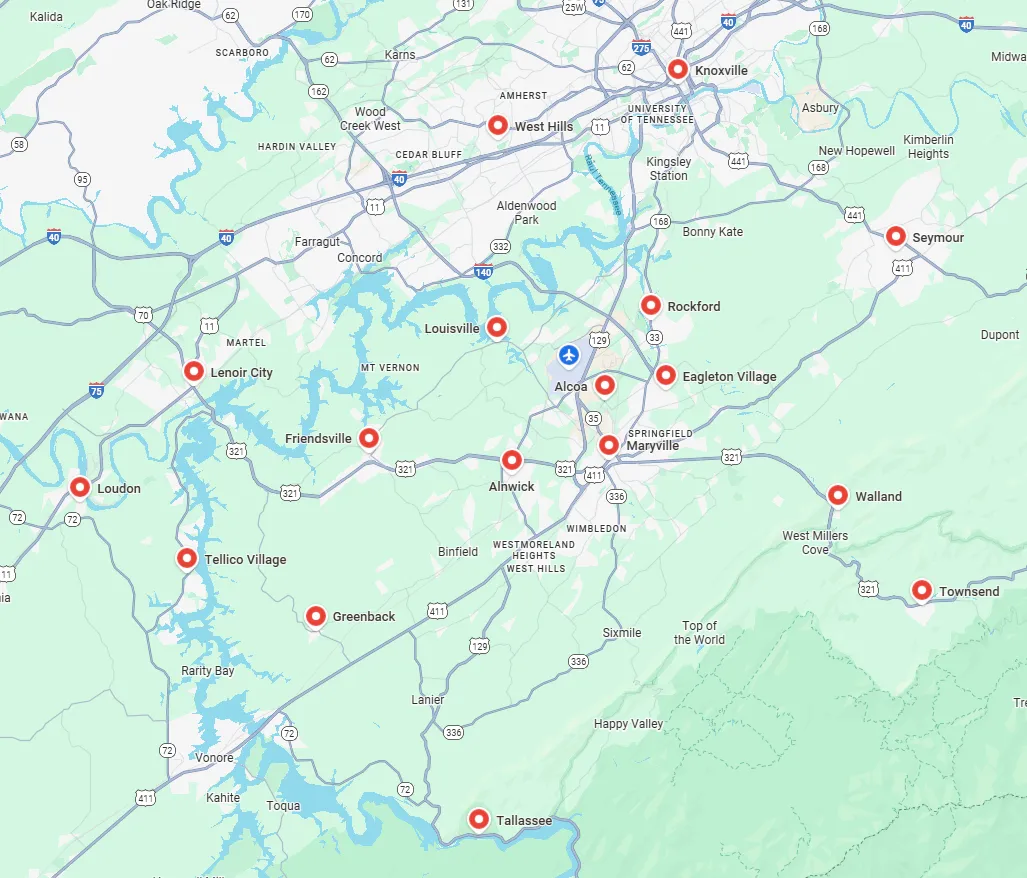
Service areas