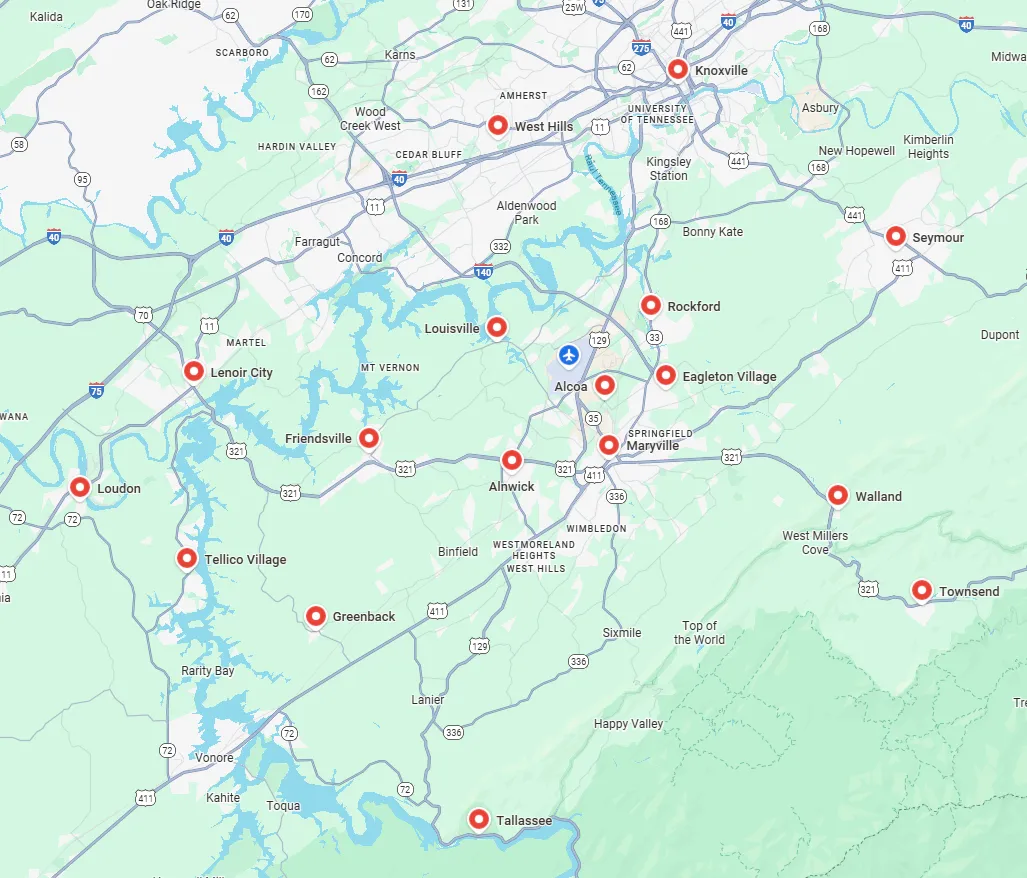


HVAC Repair in Alnwick, TN
When your heating or cooling system gives out, getting your comfort and safety back on track becomes the top priority. That's where Everest Air Heating and Cooling comes in, offering expert HVAC repair in Alnwick, TN. We really focus on pinpointing the problem with accurate diagnostics, giving you honest recommendations, and delivering solutions that last. Whether you're sweating through a humid East Tennessee summer with no AC or shivering from an on-again, off-again furnace during a cold snap, our team's approach is all about finding the actual root cause, explaining your options clearly, and getting those repairs done with utmost care and transparency. Let's explore common symptoms, how we diagnose problems, your repair options and what to expect timeline-wise, our emergency response practices, considerations for parts replacement, transparent pricing for all our service calls, and practical steps you can take to help prevent future breakdowns in your Alnwick home, all backed by the trusted service of Everest Air Heating and Cooling.
.avif)
Why HVAC repair matters in Alnwick, TN
Alnwick experiences hot, humid summers and chilly winters typical of East Tennessee. High humidity increases demand on air conditioners and encourages mold and condensate issues, while cold spells put strain on furnaces and heat pumps. Many homes in our service area have older equipment, varied ductwork layouts, and seasonal pollen and debris that can accelerate wear. Prompt, professional HVAC repair preserves comfort, improves indoor air quality, reduces utility bills, and prevents small problems from becoming expensive failures.
Common HVAC failure symptoms in Alnwick homes
Recognizing early symptoms helps you avoid breakdowns when you need comfort most. Common signs homeowners report include:
- Air conditioner blows warm or only slightly cool air
- Indoor humidity remains high despite running AC
- Furnace or heat pump does not produce steady heat or cycles on and off frequently
- Unusual noises: grinding, squealing, banging, or rattling from indoor or outdoor units
- System short cycles (turns on/off rapidly)
- Increased energy bills without change in usage
- Weak airflow from vents or hot/cold spots in rooms
- Condensate leaks or water pooling near the furnace or air handler
- Frequent tripped breakers or blown fuses tied to HVAC equipment
- Burning or chemical smells when heat first starts (gas or electrical concerns)
Each symptom points to several possible causes. A systematic diagnostic process isolates the issue and identifies the most reliable repair path for your budget and the system’s age.
Types of HVAC repair services we provide
Everest Air Heating and Cooling offers comprehensive repair services tailored to residential needs in Alnwick, TN:
- Diagnostic troubleshooting and system evaluation
- Refrigerant leak detection and repair (including refrigerant recovery)
- Compressor, capacitor, contactor, and fan motor replacement
- Blower motor and belt repairs on furnaces and air handlers
- Electronic control board and thermostat diagnostics and replacement
- Heat exchanger inspection and furnace ignition/combustion diagnostics
- Condensate pump replacement and drain line clearing
- Duct diagnostics for pressure, leaks, and balancing
- Emergency repairs for sudden failures and safety-related issues
- Replacement parts sourcing and installation (OEM or approved aftermarket)
- Post-repair performance verification and indoor air quality checks
Diagnostic process: how we find the root cause
A reliable repair begins with a structured diagnostic approach. Typical steps our technicians follow include:
- Arrival and initial system history: We review system age, recent symptoms, maintenance history, and any error codes or thermostat alerts.
- Visual inspection: Check exterior unit condition, coil cleanliness, wiring, and visible signs of corrosion, leaks, or rodent damage.
- Electrical testing: Measure voltage and amperage on motors and compressors, check capacitors and relays, and test controls.
- Refrigerant and pressure checks: Use gauges and leak detection tools to confirm refrigerant levels and locate leaks.
- Airflow and ductwork evaluation: Measure temperature splits and static pressure to identify airflow restrictions or duct leaks.
- Combustion and safety checks (for gas systems): Inspect burners, flame sensors, ignition systems, heat exchangers and venting for cracks, blockages, or carbon monoxide risk.
- Functional testing: Run system through cycles to replicate the issue and verify repairs will resolve symptoms.
- Detailed findings and options: Provide a clear explanation of what failed, why it failed, and recommended repair or replacement options with pros and cons.
These diagnostics reduce guesswork and prevent unnecessary parts swaps. We prioritize noninvasive tests first and escalate only as needed to pinpoint problems accurately.
Repair solutions explained in plain language
After diagnosing the issue, we present repair solutions in straightforward terms so you can make an informed decision. Common repair solutions include:
- Electrical component replacement: Capacitors and contactors wear out with repeated cycling. Replacing these restores reliable starts and reduces strain on compressors.
- Motor repairs or replacement: Blower motors and condenser fan motors can fail from age, dust buildup, or bearing wear. We evaluate whether repair or replacement is more cost effective.
- Refrigerant leak repair and recharge: Leaks must be located and sealed before recharging refrigerant. Systems under refrigerant stress run inefficiently and can damage the compressor.
- Compressor replacement: When compression fails, it is often more economical to replace the outdoor unit or compressor assembly depending on system age and compatibility.
- Evaporator or condenser coil cleaning and replacement: Dirty coils reduce heat transfer. Severe corrosion or damage may require coil replacement.
- Control board and thermostat replacement: Modern systems depend on reliable electronics. Replacing failed controls fixes erratic operation and communication errors.
- Furnace ignition, flame sensor, or heat exchanger work: Cleaning or replacing ignition components and sensors often restores safe operation. A cracked heat exchanger is a safety issue that usually necessitates replacement.
- Condensate and drainage repairs: Clogged lines or failed pumps cause water damage and system shutdowns. Clearing or replacing components restores safe drainage.
We explain each option with attention to longevity, efficiency, and total cost of ownership, not just short-term fixes.
Parts replacement: OEM, aftermarket, availability, and warranties
When parts are required, choices matter. We discuss:
- OEM vs aftermarket parts: OEM parts match original specifications, often with superior fit and longer warranties. Quality aftermarket parts can be a cost-effective alternative for certain components.
- Availability and lead times: Some older systems use parts that are discontinued or have long lead times. In those cases we explain interim solutions and replacement options.
- Warranty coverage: Many parts come with manufacturer warranties. We document warranty terms and clarify what is covered for parts and labor.
- Refrigerant phase-out: Older units using R-22 refrigerant may be more expensive to service due to supply limitations. We explain how refrigerant type affects repair decisions and long-term cost.
Our goal is to balance immediate repair needs with sensible, long-term recommendations for system reliability.
Emergency response and rapid troubleshooting
Emergencies happen: a furnace that will not light on a freezing morning, or an AC failure during a heat wave. Everest Air Heating and Cooling emphasizes quick, methodical response in Alnwick:
- Rapid assessment on arrival to determine safety concerns and immediate fixes
- Temporary measures when appropriate to restore safe comfort (for example, safely restarting systems, setting up temporary heating elements, or isolating leaking components)
- Prioritizing safety issues such as gas leaks, suspected carbon monoxide, or electrical hazards
- Clear communication about whether a temporary fix is in place and what the next steps involve
- Coordination for priority scheduling through maintenance plans like the Y.E.T.I Comfort Plan, which provides priority scheduling during high-demand periods
We do not recommend DIY work on gas or electrical components. Rapid professional assessment prevents unsafe situations and mitigates further damage.
Technician process and what to expect during a visit
Everest Air Heating and Cooling technicians follow a consistent, customer-focused procedure:
- Arrival and identification: Technicians arrive in branded vehicles and provide identification.
- Home entry protocol: We respect your space, use shoe covers, and lay down protective mats.
- Initial walk-through: Confirm symptoms, system history, and any recent changes.
- Diagnostic inspection and testing: Perform the steps outlined in the diagnostic process using calibrated tools.
- Transparent explanation: Present findings in plain language, show the failed components where appropriate, and offer repair options.
- Written estimate before work begins: Provide a scope of work and explain warranty and timeline expectations.
- Perform repairs with care: Use quality parts, follow manufacturer specifications, and prioritize safe, code-compliant procedures.
- Post-repair testing and cleanup: Verify system performance, remove debris, and leave the work area clean.
- Documentation: Provide a summary of repairs performed, parts replaced, and any recommended follow-up maintenance or monitoring.
This transparent process helps homeowners understand the work and trust the outcome.
Expected timelines for common repairs
Repair timeframes vary with complexity and parts availability. Typical timelines we see in Alnwick:
- On-site diagnostic and minor repairs (capacitors, contactors, filter changes, thermostat recalibration): same visit, typically 1 to 3 hours
- Motor or blower repairs where parts are available: same day to next business day
- Refrigerant leak detection and repair: same day for small leaks; larger leak repairs may require follow-up depending on access
- Control board replacement or electrical repairs: same day to next day
- Coil replacement or major refrigerant component replacement: 1 to 3 days depending on part fabrication and access
- Compressor replacement or outdoor unit replacement: 1 to 2 days when parts are in stock; older systems with hard-to-find parts can take longer
- Full system replacement: typically scheduled and completed within a few days to a couple of weeks based on permit and equipment lead times
Seasonal demand can extend these timelines, especially during heat waves or cold snaps. Our Y.E.T.I Comfort Plan members receive priority scheduling during peak seasons.
Transparent pricing for service calls and repairs
Everest Air Heating and Cooling emphasizes honest, upfront pricing for HVAC repair in Alnwick, TN. Our pricing approach includes:
- Clear service call fee structure that covers technician time, on-site diagnostics, and initial testing
- A written estimate before any repair work starts, outlining labor, parts, and applicable warranty terms
- No hidden fees: taxes and permit requirements are explained and documented where applicable
- Options presented when multiple repair paths exist, with pros and cons and estimated lifespan for each option
- Documentation of labor hours and parts used for clarity and warranty records
Transparent pricing helps you compare options like repairing a failing compressor versus planning a phased replacement. We focus on solutions that deliver the best value over time.
Safety and code compliance
HVAC systems involve gas, high voltage, and combustible components. Safety checks are a core part of every repair:
- Carbon monoxide and combustion safety checks for gas furnaces
- Proper venting, flue, and chimney inspections where applicable
- Grounding and electrical code compliance checks
- Refrigerant handling in accordance with EPA guidelines
- Leak sealing and mold prevention for condensate and drainage issues
If a system presents an immediate safety risk, we document the hazard and recommend safe options, which may include turning off equipment until repairs are completed.
When to repair vs replace
Deciding between repair and replacement depends on multiple factors:
- Age of the system: Most furnaces and air handlers last 15 to 20 years; older systems may justify replacement after repeated major repairs.
- Cost of repair relative to replacement: If repair costs approach a significant fraction of replacement cost, replacement is often more economical.
- Efficiency improvements: New systems deliver better energy efficiency and can reduce operating costs in the long run.
- Reliability and frequency of failures: Frequent repairs indicate underlying systemic wear.
- Availability of parts and refrigerant: Older systems using phased-out refrigerants or obsolete components may warrant replacement.
We provide a clear, objective framework to evaluate options that reflect your budget, timeline, and comfort priorities.
Preventing future breakdowns: practical tips for Alnwick homeowners
Good maintenance prevents many emergency repairs, especially in a climate like Alnwick’s. Practical steps include:
- Replace filters regularly: Standard filters typically every 1 to 3 months; high-efficiency filters per manufacturer guidance.
- Schedule seasonal Tune-Ups: Spring service for AC and fall service for heating to catch problems before peak seasons.
- Keep the outdoor unit clear: Remove leaves, grass clippings, and debris; maintain a three-foot clearance.
- Clean condensate lines and pans annually to prevent water damage and microbial growth.
- Insulate and seal ductwork in attics and crawlspaces to reduce strain from leaks and maintain balanced airflow.
- Calibrate and update thermostats: Programmable and smart thermostats reduce unnecessary cycling.
- Monitor for early symptoms like odd noises, decreased airflow, or higher-than-normal energy bills.
- Maintain proper attic and crawlspace insulation to reduce heating and cooling load.
- Enroll in a maintenance plan like the Y.E.T.I Comfort Plan for priority scheduling, seasonal checkups, and discounts on service calls.
Routine attention reduces emergency calls and extends equipment life.
Why timely HVAC repair matters
Prompt repairs deliver measurable benefits:
- Improved comfort with consistent temperature and humidity control
- Lower energy bills through restored efficiency
- Reduced risk of secondary damage such as water leaks or frozen coils
- Enhanced indoor air quality by preventing mold growth and particulate circulation
- Increased equipment lifespan and more predictable replacement planning
- Better safety when combustion systems are inspected and kept in proper working order
Everest Air Heating and Cooling aims to deliver those benefits through careful diagnostics, quality parts, and workmanship you can count on.
What makes Everest Air Heating and Cooling different
Everest Air Heating and Cooling combines local knowledge of Alnwick, TN climate impacts with a commitment to transparent, no-nonsense service. We bring:
- Family-owned values that prioritize fair pricing and customer education
- Thorough diagnostics rather than temporary fixes
- Clear, written estimates before work begins
- Respect for your home with protective measures and cleanup
- A preventative maintenance option with priority scheduling and seasonal checkups through the Y.E.T.I Comfort Plan
Our approach is to repair what makes sense and recommend replacement when it is the most practical long-term solution.
Frequently asked questions
Q: How quickly can you respond to an HVAC emergency in Alnwick, TN?
A: Response times vary based on current demand and timing, but Everest Air Heating and Cooling prioritizes safety-related emergencies. Y.E.T.I Comfort Plan members receive priority scheduling during peak seasons. We perform an initial rapid assessment and stabilize safety issues first, then proceed with repairs or schedule follow-up as needed.
Q: What should I do if my furnace smells like something burning?
A: A burning smell can be dust burning off during the first heat cycle of the season or it can indicate an electrical or component overheating issue. Turn the system off if the smell is strong or accompanied by smoke, ventilate the area, and request a professional inspection to ensure there is no electrical hazard or failing component.
Q: My air conditioner is running but my house is still humid. Can that be fixed?
A: Yes. High humidity despite running AC often points to inadequate airflow, oversized or undersized equipment, refrigerant issues, or dirty coils. Our diagnostic checks airflow, coil condition, refrigerant charge, and thermostat control to determine the root cause and correct it.
Q: Are your technicians licensed and insured?
A: Everest Air Heating and Cooling deploys trained, certified technicians who follow local codes and safety standards. Technicians carry required insurance and are equipped to perform safe diagnostics and repairs on a wide range of residential HVAC equipment.
Q: Do you offer written estimates and warranties on repairs?
A: Yes. We provide written estimates before work begins and document parts and labor. Many replacement parts carry manufacturer warranties, which we explain when presenting repair options. We also stand behind our workmanship with clear terms disclosed at the time of repair.
Q: How can I tell if my system is leaking refrigerant?
A: Signs of refrigerant leaks include decreased cooling capacity, ice on the evaporator coil, hissing sounds near refrigerant lines, and a higher-than-normal running time. Our technicians use leak detection tools and pressure testing to find and repair leaks before recharging the system.
Q: Is it worth repairing an older system that frequently needs work?
A: If your system is older than 12 to 15 years and requires repeated major repairs, replacement may provide better long-term value due to improved efficiency, reliability, and modern features. We help you weigh repair costs against replacement benefits based on system age, efficiency, and your comfort needs.
Q: What routine maintenance can I do myself to reduce service calls?
A: Replace filters on schedule, keep outdoor units clear of debris, ensure vents are open and unobstructed, and check thermostat settings. For safety and more technical tasks, such as electrical or refrigerant work, always rely on a professional.
Q: Will my repair require permits?
A: Some repairs or replacements, especially those involving gas line changes, major electrical upgrades, or full system replacements, may require local permits. We inform you of permit needs and handle documentation to ensure code compliance.
Q: How do you handle older systems that use phased-out refrigerants like R-22?
A: R-22 supplies are limited and often costly. For older units requiring R-22, we present options including certified leak repair and recharge, transitioning strategies, or planning for a replacement with a newer refrigerant system. We explain cost implications and long-term options so you can plan wisely.
Everest Air Heating and Cooling brings local expertise and a structured, transparent approach to HVAC repair in Alnwick, TN. We focus on accurate diagnostics, durable repairs, and practical preventive advice so you can maintain reliable comfort in your home through Tennessee seasons. Our team provides the technical knowledge and clear communication needed at the decision stage, helping you choose the best course of action for safety, efficiency, and long-term value.
hear what our satisfied clients have to say

David P.
Service areas