

HVAC Replacement in Seymour, TN
Upgrading an old or failing heating, ventilation, and air conditioning system is one of the smartest investments you can make for comfort, indoor air quality, and long-term energy savings in Seymour, TN. At Everest Air Heating and Cooling, we offer complete HVAC replacement services designed for both homes and businesses here in Seymour. We'll walk you through the entire process: evaluating your current setup, showing you the best replacement options for better efficiency, calculating proper sizing and potential energy savings, managing the installation and responsible disposal of your old unit, and even helping you understand available rebates and financing. Our goal is to empower you to make an informed, confident decision for lasting comfort.
Why HVAC replacement matters in Seymour, TN
Seymour experiences humid summers and chilly winters typical of East Tennessee, with temperature swings that place significant demand on both cooling and heating equipment. Older systems lose efficiency over time, struggle to maintain consistent temperatures, and are more prone to breakdowns during peak demand periods. Replacing an outdated system can:
- Improve year-round comfort and humidity control
- Lower monthly energy bills with modern high-efficiency equipment
- Reduce the frequency and cost of emergency repairs
- Improve indoor air quality with newer filtration and ventilation options
- Extend the lifespan of your home or business HVAC infrastructure
Everest Air Heating and Cooling understands local weather patterns, home construction common to Seymour, and the performance expectations homeowners have here. That local knowledge is a core part of our replacement evaluations and recommendations.
Common signs your Seymour property needs a full HVAC replacement
If you are seeing any of the following in your Seymour home, a full system replacement may be the most cost-effective and reliable solution:
- System age over 12 to 15 years for air conditioners or heat pumps, and 15 to 20 years for furnaces
- Frequent or escalating repair bills within the past two to three years
- Rising energy bills despite regular maintenance
- Uneven temperatures, rooms that never get comfortable, or persistent humidity problems
- Loud, rattling, or grinding noises indicating major wear
- Refrigerant leaks or components that are no longer serviceable
- Existing system uses R-22 refrigerant or other outdated components that are being phased out
Recognizing these signs early helps you avoid last-minute emergency replacements in the middle of hot summer or cold winter weather.
What to expect from a thorough equipment evaluation
A proper HVAC replacement starts with a comprehensive evaluation of your current system and your home or business needs. Everest Air Heating and Cooling follows a structured diagnostic approach:
- Visual inspection of indoor and outdoor units, ductwork, and thermostats
- Verification of age, model, and manufacturer service history
- Measurement of airflow, static pressure, and return air conditions
- Refrigerant checks and assessment of compressor, motors, and electrical components
- Examination of duct sealing, insulation levels, and zone controls
- Review of your household comfort priorities, occupancy patterns, and budget goals
This evaluation establishes whether repair, partial component replacement, or full-system replacement delivers the best long-term value. We document findings and explain them in clear, non-technical language so you know why a recommendation is being made.
Replacement options and technologies for improved efficiency
When a full replacement is recommended, there are several modern HVAC options to consider for Seymour homes, each with trade-offs in efficiency, comfort, and installation complexity:
- Central split systems (air conditioner plus furnace)
- Conventional solution for many homes. Newer models can reach high SEER (cooling efficiency) and AFUE (heating efficiency) ratings and integrate with existing ductwork.
- Heat pumps (air-source and cold-climate models)
- Heat pumps provide both heating and cooling from one system and are increasingly efficient even in colder months, making them a great choice for moderate Tennessee winters.
- Ductless Mini Split systems
- Ideal for homes without ductwork, additions, or rooms with special comfort needs. Provide zoned control and high efficiency for targeted areas.
- Hybrid systems (heat pump with a gas furnace backup)
- Combine heat pump efficiency for mild periods with furnace capacity for extreme cold, balancing performance and operating cost.
- High-efficiency furnaces and packaged rooftop units
- For homes or commercial spaces that require high-capacity heating or have specific installation constraints.
Each option impacts installation requirements, operating costs, and indoor comfort. During the evaluation we match these systems to your home size, insulation, duct condition, and long-term goals.
Proper sizing and energy-savings estimates
An accurately sized system is essential for comfort and efficiency. Oversized equipment short-cycles, leading to poor humidity control and premature wear. Undersized equipment struggles during peak conditions, increasing runtimes and risking failure.
Everest Air Heating and Cooling uses industry-standard load calculation methods (Manual J and Manual D where applicable) to determine the correct capacity and ductwork layout for your Seymour property. Calculations consider:
- Square footage and ceiling heights
- Window types and solar exposure
- Insulation levels and air leakage
- Number of occupants and typical internal heat gains
- Local climate data specific to Seymour and East Tennessee
Once the right size is determined, we provide energy-savings estimates comparing your current system to recommended replacements. These projections factor in:
- Equipment efficiency ratings (SEER, HSPF, AFUE)
- Local utility rates and typical seasonal runtime
- Anticipated improvements from duct sealing, programmable thermostats, and zoning
These estimates help you evaluate payback periods and long-term operating cost reductions for each equipment option.
Installation process: what to expect in your home
A professional installation protects your investment and delivers the performance the manufacturer specifies. Typical installation steps include:
- Pre-installation planning and permitting if required
- Site preparation and placement of outdoor equipment
- Safe removal of refrigerant (if applicable) and disconnection of existing equipment
- Installation of new indoor and outdoor units, including mounting, refrigerant lines, and electrical hookups
- Ductwork inspection and modifications, including sealing and insulation as needed
- Thermostat installation and system configuration, including smart or zoning controls if selected
- Full system startup, refrigerant charging, and performance testing
- Operational walkthrough to explain controls, maintenance schedules, and warranty coverage
Everest Air Heating and Cooling follows manufacturer installation guidelines and local codes to ensure safe, efficient operation. Installers take care to protect floors and landscaping and minimize disruption to household routines.
Disposal and responsible recycling of old equipment
Old HVAC equipment often contains refrigerants, metals, and other materials that require proper handling. During system replacement we arrange safe disposal that complies with environmental regulations and industry standards:
- Certified recovery of refrigerants by EPA-trained technicians
- Proper removal and recycling of metal components and copper lines
- Disposal of old furnaces, motors, and non-recyclable parts through approved channels
- Documentation of disposal where required for rebates or permitting
Responsible disposal minimizes environmental impact and ensures your replacement meets local and federal requirements.
Rebates, incentives, and financing options
Replacing an entire HVAC system can be more affordable when you factor in available incentives and financing options. Typical sources to explore include:
- Federal tax credits for qualifying high-efficiency heat pumps or other energy-efficient equipment (subject to program rules)
- Utility or local energy program rebates available through utilities or regional programs
- Manufacturer rebates on select high-efficiency models
- Low-interest financing options offered through lenders or manufacturer programs to spread the investment over time
Availability of rebates and financing changes periodically. Everest Air Heating and Cooling includes rebate and financing information in replacement proposals and can outline likely qualifying pathways for your chosen equipment. Reviewing these opportunities alongside estimated energy savings helps you evaluate total cost of ownership.
Repair versus replacement: making the right choice for the long term
Deciding whether to repair or replace comes down to age, repair history, efficiency, and your long-term plans for the property. Consider these guidelines:
- Age rule of thumb: If your system is near or beyond its expected service life and requires major repairs, replacement usually offers better return.
- Repair frequency: Multiple significant repairs within a short timeframe often indicate that system reliability is declining.
- Efficiency gap: If a newer, high-efficiency system would reduce energy costs substantially, the payback on replacement can be attractive.
- Comfort goals: If current equipment cannot meet comfort needs due to capacity, duct problems, or poor humidity control, replacement may be the only way to achieve desired results.
- Budget and timing: Emergency repair can be a short-term fix, but planned replacement allows for better equipment selection, financing, and scheduling during non-peak seasons.
Everest Air Heating and Cooling provides transparent comparisons showing repair costs, expected remaining life, and projected operating expenses for both paths so you can make an informed decision based on data rather than pressure.
Why ductwork and airflow matter during replacement
Many replacement failures come from overlooking the distribution system. New high-efficiency equipment achieves its rated performance only when airflow and duct balance are correct. Common duct-related issues include leaks, undersized return paths, and inadequate insulation. Replacement planning includes:
- Duct leakage testing and sealing recommendations
- Insulation upgrades for unconditioned spaces
- Return-air pathway verification to prevent negative pressure and poor ventilation
- Zoning and dampers for larger or multi-level homes needing precise control
Addressing duct issues during replacement avoids wasted energy and ensures consistent comfort throughout your home.
Warranty, maintenance plans, and ongoing care
New equipment typically comes with manufacturer warranties, but proper installation and maintenance are critical to preserving warranty coverage and long-term performance. Everest Air Heating and Cooling recommends:
- Following manufacturer-recommended maintenance schedules
- Enrolling in routine service programs such as our Y.E.T.I Comfort Plan for seasonal checkups
- Keeping records of service and any repairs to support warranty claims
- Using factory-authorized parts and certified technicians for covered repairs
A maintenance plan reduces the chance of unexpected failures, keeps efficiency high, and extends equipment life.
Safety and code compliance
Replacing heating equipment, handling refrigerants, and modifying duct or gas connections must be done in compliance with local codes and safety protocols. Our installations follow all applicable codes, including:
- Proper combustion air and venting for gas furnaces
- Correct electrical connections and circuit protection
- Safe refrigerant handling and leak testing
- Permits and inspections where required by local authorities
Safety is a non-negotiable part of any replacement project.
Typical timeline and scheduling considerations for Seymour projects
A full HVAC replacement timeline depends on system complexity and any ductwork modifications. Common timeframes include:
- Simple like-for-like split system swap: one to two days
- Installations requiring ductwork modifications or minor structural work: two to three days
- Complex projects with zoning, crawlspace access, or multiple units: three to five days or more
Scheduling outside peak summer or winter months typically allows more flexibility and better availability of teams and parts in the Seymour region.
Cost considerations without pricing detail
Replacement cost depends on equipment type, capacity, ductwork needs, and any required electrical or gas upgrades. Evaluate options by comparing:
- Initial equipment and installation costs
- Projected annual energy costs and estimated savings
- Available rebates and incentives
- Expected life cycle and maintenance needs
- Impact on home comfort and resale value
A total cost of ownership perspective often shows that investing in a right-sized, efficient system saves more over time than repeated repairs to an outdated unit.
Why Everest Air Heating and Cooling for HVAC replacement in Seymour, TN
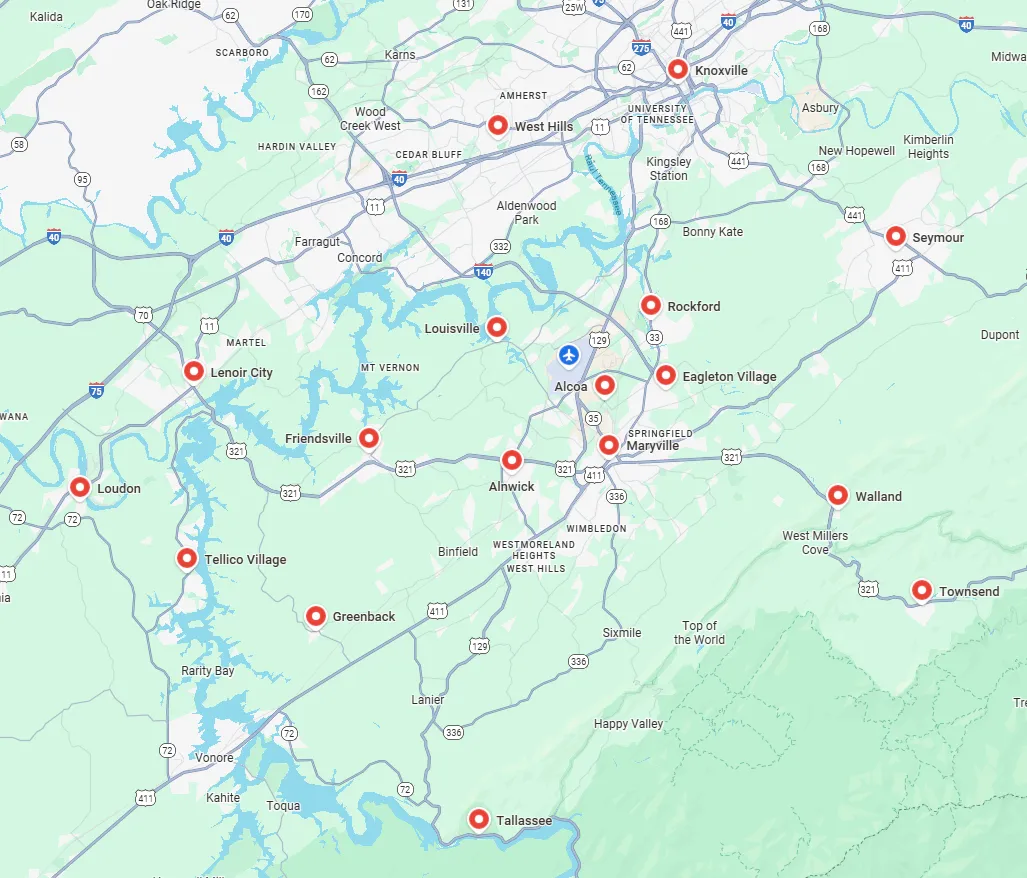
As a family-owned provider serving Knox, Blount, Loudon, and Sevier counties, Everest Air Heating and Cooling brings local expertise to Seymour HVAC replacements. Our approach emphasizes:
- Transparent, no-pressure evaluation and proposals
- Industry-standard sizing and performance testing
- Attention to ductwork, ventilation, and humidity control
- Professional installation following manufacturer and code requirements
- Guidance on rebate and financing pathways to maximize value
- Ongoing support through maintenance programs like the Y.E.T.I Comfort Plan
Our goal is long-term comfort and reliability for your home, with clear explanations so you can make the best decision for your family and property.
Maintenance and post-replacement tips for longevity
After a replacement, simple habits keep your system running efficiently:
- Replace or clean filters regularly per manufacturer guidance
- Keep outdoor units free of debris, leaves, and foliage
- Program thermostats to match occupancy patterns and avoid excessive setbacks
- Enroll in seasonal inspections to catch small issues before they escalate
- Monitor energy bills and runtimes for unusual changes that may signal a problem
Consistent maintenance preserves efficiency and extends equipment life.
Environmental and indoor air quality improvements
Modern HVAC replacements can improve indoor air quality in Seymour homes by integrating:
- Higher-efficiency filtration options and media filters
- Whole-home dehumidifiers or enhanced humidity control for humid summers
- Improved ventilation strategies to reduce indoor pollutants
- UV lights or electronic air cleaners in specific cases where warranted
These upgrades not only enhance comfort but also benefit health, particularly in homes with allergies or respiratory sensitivities.
FAQs
Q: How do I know if I need a full system replacement or just a repair?
A: If your system is near its expected service life, has required multiple major repairs recently, uses discontinued refrigerant, or cannot maintain comfort despite repairs, replacement is often the better long-term option. A thorough inspection and load calculation will clarify whether repair or replacement provides the best value.
Q: Will a new system lower my energy bills in Seymour?
A: A properly sized, higher-efficiency system typically reduces energy use compared to older equipment, especially when combined with duct sealing and thermostat upgrades. Your specific savings depend on current system efficiency, local utility rates, and how the system is used.
Q: How long does an HVAC replacement usually take?
A: Simple like-for-like replacements can often be completed in one to two days. Projects involving ductwork modifications, zoning, or multiple units may take longer. We plan installations to minimize disruption while ensuring quality work.
Q: Are there rebates or incentives available in Seymour, TN?
A: Rebates and incentives vary by time and program. Homeowners may qualify for manufacturer rebates, utility or regional energy program incentives, and sometimes federal credits for qualifying equipment. We include likely incentive pathways in replacement proposals and help identify potential opportunities.
Q: Do you handle disposal of the old equipment?
A: Yes. Proper disposal and refrigerant recovery are part of the replacement process. We follow environmental regulations to recover refrigerants and recycle components where possible.
Q: Should I be concerned about ductwork when replacing my HVAC system?
A: Yes. Ductwork issues like leaks, poor insulation, and mismatched sizing significantly reduce system performance. We evaluate ducts during replacement planning and recommend sealing or modifications to ensure the new equipment performs as expected.
Q: What warranty and maintenance options are available after replacement?
A: New equipment typically comes with manufacturer warranties, and proper maintenance is essential to preserve those warranties. Maintenance plans like our Y.E.T.I Comfort Plan provide scheduled inspections and Tune-Ups that help maintain efficiency and extend system life.
Q: Can I finance a full HVAC replacement?
A: Financing options are commonly available through lenders or manufacturer programs and can spread the investment over time. We include financing pathways in proposals to help homeowners evaluate monthly costs alongside energy savings.
Q: Is a heat pump a good choice for Seymour winters?
A: Modern heat pumps, including cold-climate models, perform well in many East Tennessee homes and offer both heating and cooling in one efficient package. For very cold periods, hybrid systems with a furnace backup can provide optimal performance.
Q: How do you determine the right size system for my home?
A: We use industry-standard load calculations that consider home size, insulation, windows, orientation, and occupancy. Proper sizing avoids short-cycling and humidity issues that can result from equipment that is too large or too small.
hear what our satisfied clients have to say

David P.
Service areas