

Commercial HVAC in Seymour, TN
Providing reliable, efficient commercial HVAC services in Seymour, TN is about so much more than just swapping out parts or installing units on rooftops. It's about designing systems that perfectly fit our local climate and your building's specific use, maintaining them meticulously to prevent expensive downtime, and being ready to respond fast when issues pop up that could impact comfort, productivity, or compliance. That's the commitment you get from Everest Air Heating and Cooling. We bring deep commercial expertise to Seymour businesses of all types and sizes – whether you run a retail storefront, a restaurant, a warehouse, an office suite, or a light industrial facility. You can trust Everest Air Heating and Cooling to keep your operations running smoothly.
Why commercial HVAC matters in Seymour, TN
Seymour sits at the edge of the Ridge-and-Valley region with humid summers and chilly winters. That climate creates two operating challenges for commercial HVAC systems: high latent loads in summer that increase indoor humidity, and fluctuating heating demands in winter. Local businesses also face seasonal occupancy changes, kitchen exhaust and ventilation needs for restaurants, and varied zoning requirements across retail and office suites. A system sized or configured incorrectly will waste energy, struggle with humidity control, and shorten equipment life.
Effective commercial HVAC in Seymour, TN solves these issues by focusing on proper design, robust installation, preventative maintenance, and fast repairs when outages occur. Everest Air Heating and Cooling applies industry best practices and local knowledge so systems perform reliably and economically in the Tennessee climate.
Common commercial HVAC systems we design, install, and service
Commercial properties use a variety of HVAC equipment types. Everest Air Heating and Cooling has experience with major brands and multiple system architectures common in Seymour businesses:
- Rooftop package units (RTUs) for retail and small commercial buildings
- Split systems and packaged split equipment for offices and multi-tenant buildings
- Variable refrigerant flow (VRF) and ductless multi-zone systems for flexible zoning
- Chillers and air handling units for larger commercial and light industrial applications
- Heat pumps and hybrid heating systems for energy-efficient heating and cooling
- Make-up air units and kitchen ventilation support for restaurants and commercial kitchens
- Building automation integration and multi-zone control systems for centralized management
We work with leading brands such as York, American Standard, Lennox, Goodman, Ruud, and Rheem, and we design systems that balance upfront cost with lifecycle performance.
Typical commercial HVAC problems in Seymour and why they happen
Understanding common failure patterns helps you make smarter decisions about maintenance and replacement. In Seymour, typical commercial HVAC issues include:
- Poor humidity control and persistent condensation problems due to undersized equipment, incorrect airflow, or dirty coils
- Intermittent cooling or heating from failing compressors, refrigerant leaks, or control faults
- Uneven temperatures across zones because of improper zoning, duct leakage, or unbalanced airflow
- Short cycling caused by oversizing, failed thermostats, or restricted refrigerant flow
- Electrical failures on motors, starters, or control boards from insufficient preventive maintenance
- Clogged condensate drains and overflow concerns in humid months leading to water damage and mold risk
- Reduced capacity and efficiency in older systems with obsolete refrigerants such as R-22 that are being phased out
Many of these problems are avoidable with proper design, scheduled maintenance, and prompt repair of small issues before they become system failures.
Our commercial HVAC process: from consultation to commissioning
A professional approach to commercial HVAC reduces risk and delivers predictable performance. Everest Air Heating and Cooling follows a structured process tailored to Seymour businesses:
- Initial site consultation and needs assessment
- We evaluate building use, occupancy patterns, existing system performance, and budget parameters. In Seymour, that includes considering summer humidity loads, roof access for RTUs, and local ventilation needs for restaurants or manufacturing spaces.
- Load calculation and system selection
- We perform commercial load calculations that account for heat gains, latent loads, ventilation requirements, and internal processes. That ensures correct sizing and avoids common pitfalls like short cycling or insufficient dehumidification.
- Design and specification
- Our proposals detail equipment types, duct design, economizers, controls, and ventilation strategies. For multi-tenant or multi-zone buildings we specify zoning strategies and control points to balance comfort and efficiency.
- Permitting and code review
- We prepare plans to satisfy local building codes and energy code requirements, and we help navigate permitting procedures. We ensure compliance with ventilation rates, fire and smoke control interactions with HVAC, and refrigerant handling rules.
- Professional installation and quality checks
- Installations are executed by trained technicians using industry best practices: proper refrigerant charging, duct sealing, high-quality electrical connections, and secure rooftop mounting. We document startup parameters and verify performance against design targets.
- Commissioning and controls integration
- Systems are tested, adjusted, and balanced. Controls are programmed for occupancy schedules, staging, and demand-based operation. We provide documentation on setpoints and recommended maintenance intervals.
- Ongoing maintenance and performance monitoring
- Preventative maintenance plans help protect investment, preserve efficiency, and keep systems within code requirements. We work with building managers to schedule seasonal checks and to support predictive maintenance strategies.
Commercial installation and replacement considerations
Replacing or installing a commercial HVAC system requires careful planning beyond equipment selection. Key considerations include:
- Right-sizing: Oversized equipment raises costs and decreases dehumidification; undersized equipment runs constantly and fails prematurely. Accurate load calculations are essential.
- Envelope improvements: Often the most cost effective way to reduce HVAC capacity needs is to address insulation, doors, and windows. In Seymour, shading and solar gains are also factors.
- Ductwork and airflow: Properly sized and sealed ducts preserve system efficiency and reduce operating noise. Duct leakage can be a major energy loss in older commercial buildings.
- Roof structure and access: Rooftop units require safe access and structural assessment. We account for roof penetrations, curb installations, and fall protection when specifying RTUs.
- Controls and integration: Modern buildings benefit from centralized controls, scheduling, and remote monitoring. We integrate thermostats, BMS, and energy management systems as required.
- Refrigerant strategy: With changing refrigerant regulations, we design systems to be both compliant and future-ready. That includes alternatives to phased-out refrigerants and provisions for safe refrigerant handling.
Everest Air Heating and Cooling focuses on durable installations that reduce lifecycle costs and meet Seymour business needs.
Preventative maintenance programs for commercial properties
Preventative maintenance is the cornerstone of reliable commercial HVAC. Our commercial maintenance plans are built to protect equipment and operations:
- Seasonal inspections scheduled for pre-summer and pre-winter performance checks
- Filter management aligned with occupancy and indoor air quality goals
- Coil cleaning and condensate drain inspection to prevent moisture-related failures
- Electrical and control system checks, including tightening, testing, and component verification
- Refrigerant level checks and leak detection to preserve capacity and avoid regulatory issues
- Belt, bearing, and motor inspection for rooftop units and air handlers
- Testing of safety devices, economizers, and outside air dampers for code compliance
- Documentation and equipment history tracking to support warranty and lifecycle planning
For multi-site or multi-zone clients, we provide standardized maintenance checklists and consistent documentation so facility managers can track performance and budget for long-term replacements. Everest Air Heating and Cooling can adapt the Y.E.T.I Comfort Plan philosophy to commercial needs with scheduled checks, priority service options, and detailed reporting.
Rapid-response commercial repair services
When commercial HVAC fails, the cost of lost productivity, spoiled inventory, or uncomfortable customers can be high. Rapid-response repair services reduce downtime through:
- Priority dispatch for commercial accounts to minimize operational disruption
- Technicians trained in rooftop units, packaged systems, chillers, VRF, and controls troubleshooting
- Mobile service vans stocked with common parts and diagnostic tools to speed repairs
- Proven diagnostic process: isolate root causes, evaluate repair vs replacement, and implement reliable fixes
- Temporary solutions where necessary to maintain operations while planning permanent repairs
Repairs focus on restoring safe, code-compliant operation while identifying underlying causes to prevent recurrence. In Seymour, fast response during hot summer months or extreme weather protects both comfort and business continuity.
Compliance, codes, and regulatory considerations
Commercial HVAC work must meet applicable regulations and industry standards. Key compliance areas include:
- Local building and mechanical codes: We ensure installations meet code requirements for commercial occupancy, ventilation rates, and equipment clearances.
- Energy codes: Systems are designed to comply with current energy efficiency standards and local energy code adoption.
- ASHRAE standards: We apply ASHRAE guidance for ventilation, thermal comfort, and indoor air quality where relevant.
- EPA refrigerant regulations: Technicians are certified for refrigerant handling under EPA rules. We advise on R-22 phase-out implications and retrofit or replacement strategies.
- Fire and life safety integration: HVAC interacts with fire dampers, smoke control, and HVAC shutdown protocols. We coordinate with other trades to maintain compliance.
- Accessibility and mechanical room requirements: We ensure mechanical rooms meet access and equipment spacing standards, including service clearance for larger brand equipment.
Everest Air Heating and Cooling documents installations and maintenance to support inspections, occupancy permits, and insurance requirements.
Multi-zone systems, controls, and energy optimization
Many commercial properties require precise temperature control across different zones or tenants. Effective multi-zone strategies include:
- Zoning and dampers: Use motorized dampers and zoned controls to match conditioned air to occupancy and use.
- Variable speed drives and VFDs: Modulate fan and pump speeds to reduce energy use during part-load conditions.
- Demand-controlled ventilation: Adjust outside air based on occupancy using CO2 sensors to save energy while maintaining IAQ.
- Scheduling and setback strategies: Program thermostats and building automation systems to limit conditioning during off-hours.
- Economizers and free cooling: Use outside air when conditions allow to reduce compressor runtime in spring and fall.
- Monitoring and analytics: Track runtime, energy consumption, and fault indicators to identify inefficiencies and emerging failures.
These approaches produce measurable savings and improve comfort control in Seymour businesses where occupancy and external conditions vary by season.
Retrofit versus replace: making the right decision
Facility managers frequently face the choice to repair, retrofit, or replace aging HVAC equipment. Considerations that guide the decision include:
- Age and expected remaining life: Older systems near end of typical lifespan often justify replacement.
- Repair history and downtime costs: Repeated failures and high emergency repair bills suggest replacement will reduce total cost of ownership.
- Efficiency and operating costs: Newer equipment can deliver significant energy savings, especially for systems with outdated refrigerants or inefficient motors.
- Indoor air quality and code updates: If systems cannot meet ventilation or IAQ requirements without major upgrades, replacement may be more economical.
- Capital budgeting and lifecycle planning: Replacement can be timed to coincide with capital improvement cycles for better financial planning.
Everest Air Heating and Cooling provides transparent assessment reports with lifecycle cost analysis so decision makers in Seymour can weigh options with financial clarity.
Indoor air quality and ventilation for commercial spaces
Healthy indoor air matters for employee productivity, customer satisfaction, and regulatory compliance. Our commercial services address IAQ with:
- Filtration upgrades including MERV-rated filters and consideration of HEPA where required
- UV germicidal solutions for air handlers to limit microbial growth on coils and drains
- Proper ventilation rates per occupancy and process needs, including make-up air for restaurants and kitchens
- Humidity control strategies to prevent mold growth and maintain comfort in humid summers
- Continuous monitoring and sensor-based controls for CO2, humidity, and VOCs when needed
Seymour businesses benefit from IAQ strategies that consider regional humidity and seasonal use patterns.
What to expect with Everest Air Heating and Cooling on the job
Everest Air Heating and Cooling brings a methodical, safety-first approach to every commercial project:
- Licensed, certified technicians who follow industry best practices for installation and repair
- Detailed project documentation including equipment specs, startup data, and maintenance schedules
- Respect for the business environment with clean work practices, coordinated scheduling, and minimal disruption
- Transparent reporting on repair needs, energy performance, and compliance status
Our team balances technical proficiency with practical solutions that align with operational needs and budgets.
Long-term benefits of professional commercial HVAC service
Investing in professional commercial HVAC services in Seymour yields measurable benefits:
- Improved occupant comfort and productivity through consistent temperature and humidity control
- Reduced energy consumption and operating costs from efficient equipment and optimized controls
- Fewer emergency repairs and extended equipment life through routine maintenance
- Compliance with codes and manufacturer warranty requirements supported by documented service records
- Lower liability from improved IAQ and properly functioning ventilation systems
- Predictable budgeting through maintenance plans and staged replacement strategies
These outcomes protect business operations and preserve asset value over time.
Maintenance tips for facility managers in Seymour
- Track runtime hours and maintenance history for each major piece of equipment.
- Schedule preventive inspections before peak summer and winter seasons.
- Prioritize coil cleaning and condensate drainage during humid months to avoid moisture issues.
- Use appropriately rated filters and replace on a consistent schedule based on occupancy.
- Monitor refrigerant pressures and electrical loads to catch degradation early.
- Coordinate with kitchen and process managers for ventilation that supports safety and comfort.
- Implement simple setback strategies to reduce energy use during nonbusiness hours.
- Maintain an inventory of critical spare parts for rooftop units and packaged systems to speed repairs.
These practical steps reduce risk and improve system reliability for Seymour commercial properties.
Commercial HVAC experience and brands supported
Everest Air Heating and Cooling brings commercial experience across a range of equipment manufacturers and system types. Our technicians are trained to work on industry-leading brands and to integrate multi-zone and building automation systems that deliver modern performance and reliability.
By combining local knowledge of Seymour climate challenges with proven commercial HVAC practices, Everest Air Heating and Cooling helps businesses maintain comfort, meet compliance, and control operating costs.
Frequently asked questions
Q: What size commercial HVAC system does my building need?
A: Proper sizing requires a commercial load calculation that accounts for building construction, occupancy, equipment heat gains, and ventilation requirements. Everest Air Heating and Cooling performs detailed assessments to recommend appropriately sized equipment.
Q: How often should commercial HVAC systems be serviced?
A: Most commercial systems benefit from at least two comprehensive service visits per year, one before cooling season and one before heating season. High-use or critical systems may require more frequent inspections and filter changes.
Q: Can you integrate new controls with older HVAC equipment?
A: Yes. We assess existing controls and recommend retrofit solutions that enable scheduling, basic remote monitoring, and demand control ventilation while balancing cost and functionality.
Q: Are rooftop units common for Seymour businesses?
A: Yes. Rooftop packaged units are common for retail and small commercial buildings in Seymour due to their space-saving design. Proper rooftop access, curb installation, and weather protection are essential for longevity.
Q: What should I do if my commercial unit is leaking refrigerant?
A: Refrigerant leaks require certified technicians for safe handling and repair. Leak detection, containment, and repair are necessary; older refrigerants like R-22 may have availability and regulatory considerations that impact repair strategy.
Q: Is preventative maintenance worth the cost for commercial systems?
A: Preventative maintenance reduces emergency repairs, extends equipment life, and improves efficiency. For businesses where downtime is costly, maintenance often pays for itself through lower operating and repair costs.
Q: Do you provide documentation for code inspections and warranties?
A: Yes. Our commercial service packages include documentation of installations, startup reports, and maintenance records to support inspections and manufacturer warranty requirements.
Q: How do you handle businesses with multiple locations?
A: We provide standardized maintenance protocols and consistent reporting across multiple sites so facility managers can track performance and budget for replacements across their portfolio.
hear what our satisfied clients have to say

David P.
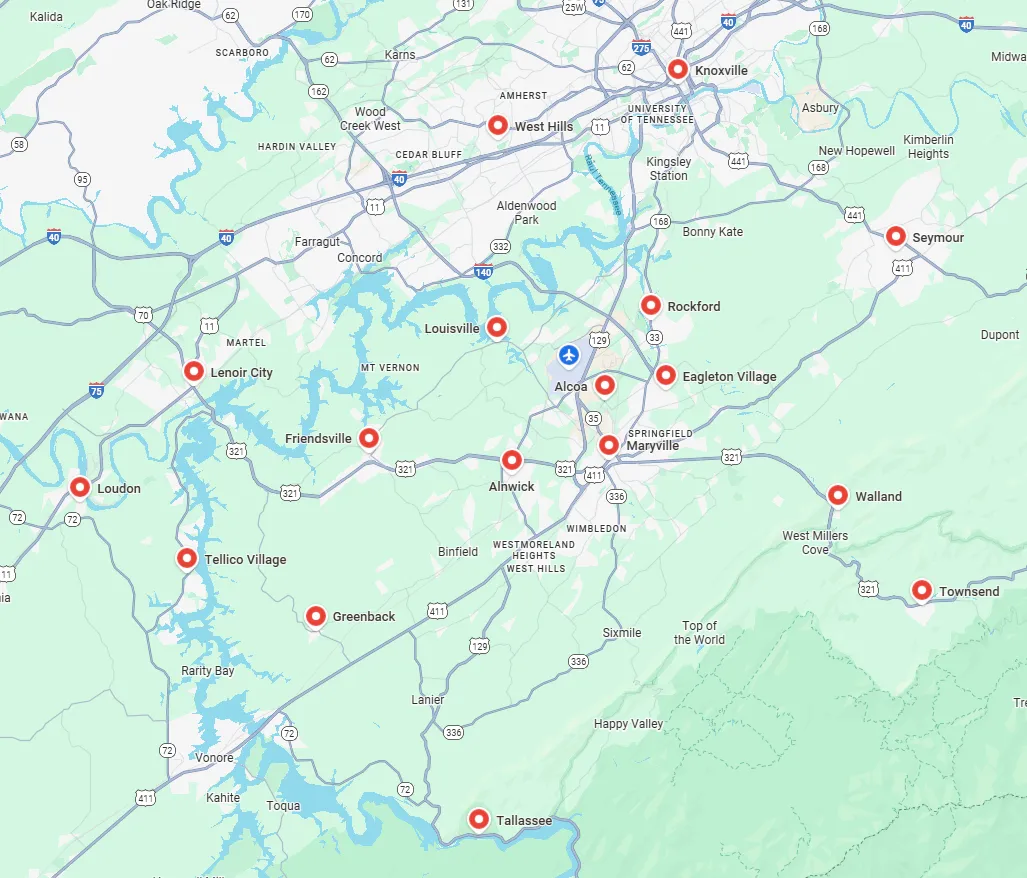
Service areas