

HVAC Installation in Seymour, TN
Replacing or installing a new HVAC system is a big deal for any homeowner. It's one of the most important investments you can make for comfort, energy efficiency, and even the air quality inside your home. Here at Everest Air Heating and Cooling, we take a really thoughtful, code-compliant approach to every new HVAC system installation in Seymour, TN. Our process starts with a complete site assessment and load calculation, moves through careful equipment selection and professional installation, and wraps up with warranty support, thorough post-installation testing, and a walk-through with you. We'll explain the whole process, go over the best options for East Tennessee homes, and make sure you know exactly what to expect from an Everest Air Heating and Cooling quality installation that's truly built to last.
.avif)
Why a professionally engineered HVAC installation matters in Seymour, TN
Seymour sits in East Tennessee where summers are humid and warm and winters can swing chilly. Homes in the area often face humidity-driven comfort problems, high cooling loads in July and August, and variable heating demands during transitional seasons. Properly sized, well-installed equipment is essential to manage humidity, avoid short-cycling, and control energy bills.
A professional installation protects you from common pitfalls such as oversizing, incorrect refrigerant charge, poor airflow, and inadequate ductwork. Everest Air Heating and Cooling brings licensed technicians and industry-standard procedures to every install so systems run efficiently, quietly, and reliably in local conditions.
Common reasons Seymour homeowners replace or install HVAC systems
- Aging equipment that loses efficiency or becomes unreliable after 10-15 years.
- Frequent breakdowns and rising repair costs that make replacement more economical.
- High energy bills that indicate poor efficiency or improper system sizing.
- Uneven temperatures and hot or cold rooms caused by duct or airflow problems.
- Conversion to heat pumps or ductless Mini Split systems for improved efficiency and year-round comfort.
- Renovations or home additions that change heating and cooling load requirements.
- Outdated refrigerants (R22) or equipment nearing the end of manufacturer support.
Each of these scenarios requires a tailored installation plan that addresses the root causes, not just the symptom.
The HVAC installation process — what to expect
Everest Air Heating and Cooling follows a thorough, documented installation workflow that prioritizes performance and homeowner understanding. The core phases are: site assessment and load calculation, equipment selection, installation and commissioning, and post-install testing and orientation.
1. Site assessment and load calculation
- A trained technician conducts a walk-through to evaluate the home envelope, attic and crawlspace access, insulation levels, window types, shade and solar exposure, and existing ductwork condition.
- The team performs a Manual J load calculation to determine precise heating and cooling loads. This accounts for square footage, ceiling heights, insulation, air infiltration, window orientation, and local climate data for Seymour, TN.
- If ductwork is present, a Manual D duct design and Manual S equipment selection are used to ensure ducts deliver the correct airflow and to select equipment that matches the calculated load.
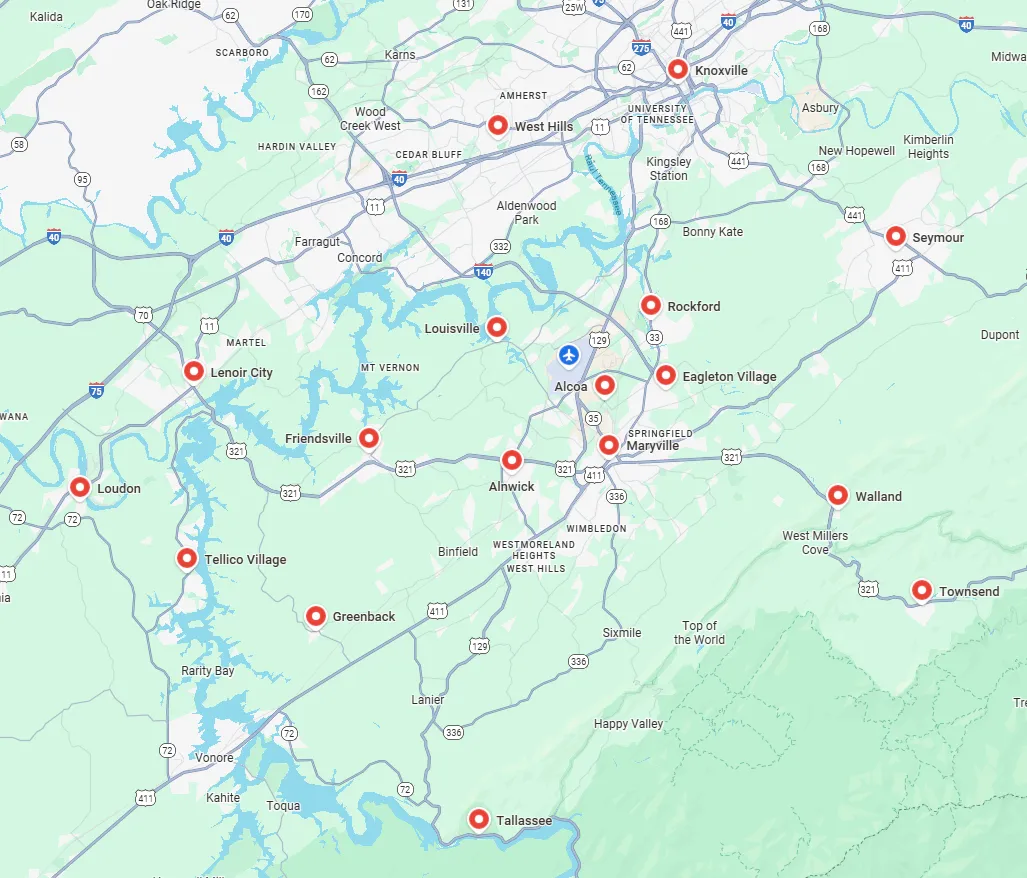
- Electrical service capacity, gas line sizing, and outdoor unit placement are checked for code compliance and safety. Permitting requirements for Blount, Knox, Loudon, and Sevier county jurisdictions are considered as applicable.
This diagnostic stage prevents oversizing, ensures efficient operation in Seymour’s humid summers, and identifies duct improvements or zoning needs before equipment procurement.
2. Equipment selection and energy-efficient options
Choosing the right equipment is critical to long-term satisfaction and operating cost. Equipment options for Seymour homes typically include central air conditioners, heat pumps, dual-fuel systems, gas furnaces, ductless Mini Splits, and packaged systems.
Key selection criteria:
- Efficiency ratings: Look at SEER for cooling and AFUE for furnaces. Higher SEER values reduce cooling energy use during Tennessee summers. Heat pumps should be evaluated on HSPF for heating efficiency.
- Variable-speed vs single-stage: Variable-speed compressors and variable-speed blower motors provide better humidity control, quieter operation, and more consistent comfort — especially valuable in humid Seymour summers.
- Two-stage systems: Two-stage compressors run longer at a lower capacity to improve dehumidification and reduce cycling.
- Heat pumps vs furnaces: Modern heat pumps perform efficiently in much of East Tennessee and provide both heating and cooling in one system. In colder pockets or for homes with existing gas lines, a dual-fuel approach can optimize seasonal efficiency.
- Ductless Mini Splits: Ideal for additions, older homes without ductwork, or room-by-room control. They excel at maintaining comfort with minimal disruption.
- Indoor air quality add-ons: High-efficiency filters, electronic air cleaners, UV lights, and whole-home dehumidifiers can be integrated to address pollen, mold, and seasonal humidity common in Seymour.
Everest Air Heating and Cooling carries and installs reputable brands that match budget and long-term goals, including options at different price and performance points. Brand selection is done after the load calculation so the system is sized and specified correctly.
Typical installation steps and jobsite practices
A professional installation is organized, documented, and clean. Typical steps include:
- Final pre-install inspection and material staging.
- Power and fuel isolation of existing system and safe removal of old equipment, including responsible disposal.
- Minor construction or carpentry: platform, pad, or curb preparation for outdoor units and indoor unit modifications as needed.
- Duct modifications or replacements, sealing and insulating where required to meet design airflow targets.
- Installation of indoor coil, furnace cabinet, or air handler, plus electrical and control wiring.
- Refrigerant line set installation, brazing or flare connections, and proper insulation.
- Outdoor condenser or heat pump placement, pad leveling, and final electrical connections to the disconnect.
- Condensate drain installation and testing, including secondary safety arrangements if required.
- System startup: evacuation and dehydration of the refrigerant circuit, vacuum and leak test, correct refrigerant charge by weight or superheat/subcooling method.
- Airflow balancing and static pressure checks to ensure recommended CFM to each living area.
- Combustion and venting safety checks for gas-fired equipment, including carbon monoxide checks where applicable.
- Clean up, removal of packaging and old equipment, and site inspection to leave the home tidy.
Technicians document installation details, refrigerant quantities, measured airflow, and test results. This record supports warranty claims and future service.
Installation timeline and factors that affect duration
- Simple condenser and coil change-outs where ductwork and electrical are adequate: typically 1 day.
- Full change-outs that include furnace, air handler, and condenser but minimal ductwork updates: usually 1 to 2 days.
- Installations that require significant duct redesign, new electrical service, gas line work, or structural modifications: commonly 2 to 4 days or longer depending on permitting and inspection schedules.
- Weather, special-order equipment, and permitting/inspection windows for county jurisdictions can affect the timeline.
Technicians strive to coordinate work to minimize disruption and to complete critical tasks during reasonable hours for homeowner convenience.
Warranty coverage and what to expect
Warranties typically include two separate components: manufacturer product warranty and installer labor warranty.
- Manufacturer warranties vary by brand and component. Standard coverage may range from 5 to 10 years for parts, with extended coverage available when equipment is registered. Compressors and heat exchangers often carry longer warranties.
- Everest Air Heating and Cooling provides a labor warranty on installations to protect against workmanship defects for a specified period after installation. Documented maintenance is generally required to keep manufacturer warranties valid.
- Warranties do not normally cover routine maintenance items such as filters, normal wear and tear, neglect, damage due to lack of maintenance, or acts of nature. They also may not cover improper modifications done by third parties.
- Registration and adherence to recommended maintenance schedules ensure full warranty benefits. Everest Air Heating and Cooling explains warranty terms and provides the paperwork and registration process after installation.
Post-installation testing and homeowner orientation
A quality installation goes beyond startup: rigorous testing and homeowner education are essential.
Testing and verification include:
- Refrigerant pressure and temperature checks using superheat and subcooling methods to verify correct charge.
- Airflow measurement and adjustment to meet design CFM per zone or register.
- Electrical load and safety checks on breakers, fuses, and grounding.
- Combustion efficiency and carbon monoxide checks for gas-fired appliances.
- Thermostat calibration and programming for efficient operation.
- Verification of condensate drains, safety switches, and secondary drain arrangements.
Homeowner orientation covers:
- How to use and program the thermostat, including energy-saving strategies suitable for Seymour’s climate.
- Location and purpose of disconnects, filters, and service access panels.
- Recommended filter types and replacement intervals.
- Basic troubleshooting steps and what to document for warranty service.
- Review of warranty paperwork, equipment serial numbers, and maintenance requirements.
Technicians leave a written summary of the installation and test results so homeowners understand system performance from day one.
Financing, incentives, and brand options for Seymour homes
Buying a new HVAC system is a significant decision and different financing options are often available to match homeowners’ budgets and timelines.
- Typical financing options include fixed-term loans, deferred-interest plans, and payment plans based on credit approval. These options may allow homeowners to select higher-efficiency equipment while spreading payments over time.
- Energy-efficiency incentives and rebates can affect long-term operating cost calculations. Federal incentives for qualifying heat pumps or energy-efficient upgrades may be available seasonally. Local utility rebates can also apply for high-SEER equipment or heat pump installations that reduce peak demand. Homeowners should verify current rebate availability and eligibility.
- Brand selection is driven by the load calculation, performance needs, and long-term goals. Everest Air Heating and Cooling installs trusted brands across a range of price and performance tiers, enabling homeowners to balance upfront cost with expected energy savings and reliability. Choosing a higher-efficiency system may yield measurable savings in Seymour’s hot summers and reduce humidity problems.
Financing and incentive information is provided transparently so homeowners can make informed decisions without pressure.
Benefits of replacing or upgrading your HVAC system now
- Improved comfort and humidity control during humid East Tennessee summers.
- Lower monthly energy expenses with high-efficiency systems and correct sizing.
- Fewer emergency repairs and longer equipment life when systems are installed properly and maintained.
- Better indoor air quality with compatible IAQ accessories and properly sealed ductwork.
- Quieter operation and more consistent temperature control with variable-speed technology.
- Home value enhancement through modern, efficient HVAC equipment and documented maintenance history.
Timely replacement also reduces exposure to safety risks from failing components and outdated refrigerants.
Preventive maintenance to protect your investment
After installation, consistent preventive maintenance preserves performance and warranty coverage. Key tasks and schedules include:
- Replace or clean filters monthly to quarterly depending on filter type and occupancy.
- Annual or biannual Tune-Ups: a spring cooling check and a fall heating check, including refrigerant, electrical, combustion, and airflow inspections.
- Duct inspections every few years, with sealing and insulation upgrades as needed to maintain efficiency.
- Monitor condensate drains and secondary safety pans for proper drainage and cleanouts.
- Keep outdoor units clear of vegetation and ensure proper airflow and clearance year-round.
Everest Air Heating and Cooling’s Y.E.T.I Comfort Plan highlights the importance of routine maintenance by offering seasonal checkups and priority scheduling to help systems perform at peak efficiency.
Frequently asked questions
Q: How do you determine the correct system size for my Seymour home?
A: A Manual J load calculation is performed using house dimensions, insulation levels, window types and orientation, local climate data, and usage patterns to determine the exact heating and cooling capacity required.
Q: Is oversizing an air conditioner a problem?
A: Yes. Oversizing causes short cycling, poor humidity control, increased wear, and sometimes higher energy costs even though the equipment has a larger capacity.
Q: Can a heat pump handle Seymour winters?
A: Modern heat pumps perform well in most of East Tennessee and can be very efficient year-round. Some homes benefit from a dual-fuel setup with a gas furnace or backup heat for the coldest days.
Q: What efficiency ratings should I look for?
A: For cooling, higher SEER ratings provide better efficiency; for heating, look at AFUE for furnaces and HSPF for heat pumps. Exact recommendations depend on your budget, comfort goals, and load calculation.
Q: How long does a typical installation take?
A: Simple replacements can often be completed in one day. Full system replacements or jobs involving ductwork, electrical upgrades, or permits typically take between 2 and 4 days depending on job complexity.
Q: What warranties come with a new system?
A: Manufacturer warranties cover parts for specified durations and Everest Air Heating and Cooling provides a labor warranty on installations. Warranties require proper maintenance and usually exclude routine wear, neglect, and accidental damage.
Q: Do I need ductwork modifications when replacing my system?
A: Not always, but many older homes benefit from duct sealing, insulation, or resizing to optimize airflow and efficiency. Duct improvements often pay for themselves through energy savings and improved comfort.
Q: How is the refrigerant charge verified during installation?
A: Technicians use vacuum evacuation, leak testing, and then charge the system using weight-based methods or by measuring superheat and subcooling to ensure the correct refrigerant charge.
Q: What indoor air quality upgrades are worth considering for Seymour homes?
A: Whole-home dehumidifiers, upgraded filtration, UV lights for microbial control, and regular duct cleaning are effective in controlling pollen, mold spores, and humidity that affect local indoor air quality.
Q: Will a new system reduce my energy bills immediately?
A: Properly sized and correctly installed high-efficiency equipment typically reduces energy consumption, especially when paired with thermostat programming and basic home efficiency measures like proper insulation and sealed ductwork.
Everest Air Heating and Cooling stands ready to execute a technically sound HVAC installation in Seymour, TN that prioritizes long-term performance, indoor comfort, and documented workmanship. Professional load calculations, careful equipment selection, precise installation practices, transparent warranty handling, and detailed homeowner orientation are core components of a quality install that performs for years in the Seymour climate.
hear what our satisfied clients have to say

David P.
Service areas