

HVAC Repair in Seymour, TN
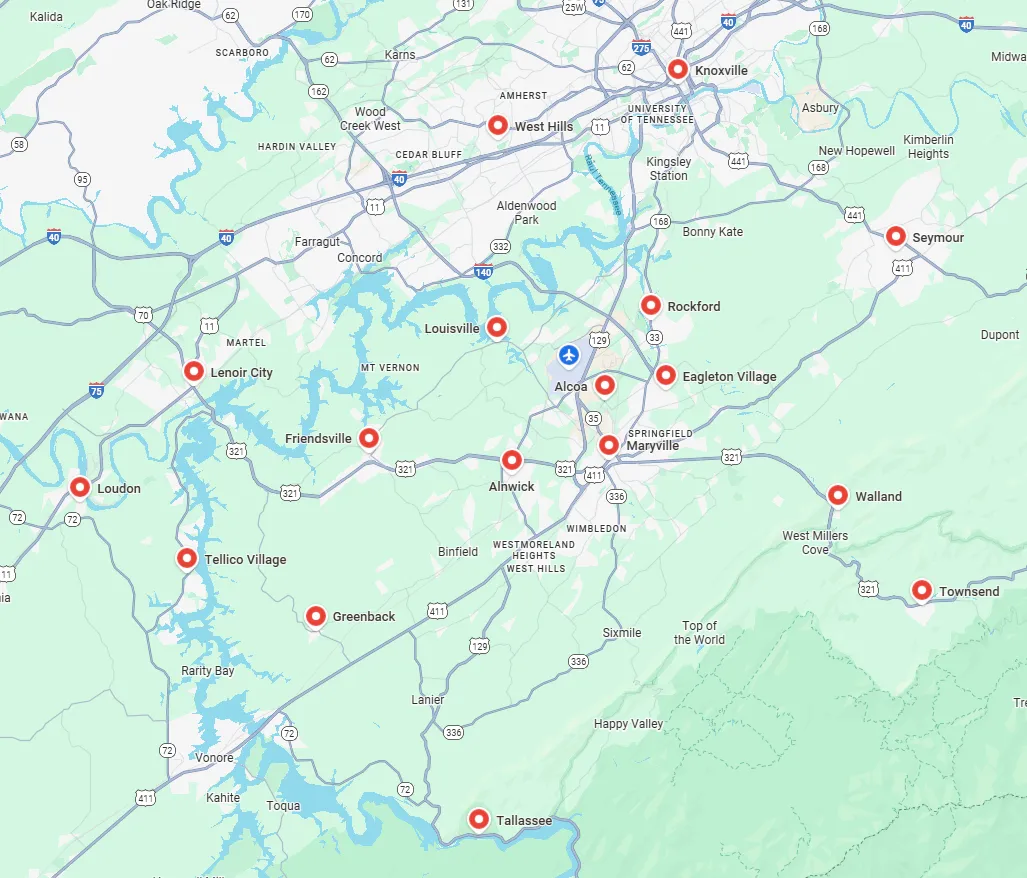
When your heating or cooling system fails, you need clear answers, fast diagnostics, and reliable repairs that restore comfort without any surprises. That's exactly what Everest Air Heating and Cooling delivers. We provide residential and commercial HVAC repair in Seymour, TN, carefully tailored to the local climate and specific building types you find in and around the Great Smoky Mountains. We're here to help you understand the common symptoms homeowners and business owners face, explain how our technicians diagnose problems, detail typical repair procedures for components like motors, compressors, refrigerant, and electrical systems, and offer guidance to help you make an informed decision between repair and replacement. You'll also learn about our emergency response, flat-rate service call practices, our extensive brand experience, and preventative maintenance strategies that can significantly prolong your equipment's life. For dependable service, choose Everest Air Heating and Cooling.
.avif)
Why Seymour, TN homes and businesses need specialized HVAC repair
Seymour experiences humid summers and cold winters, along with seasonal storms and pollen loads that put extra strain on HVAC systems. High humidity increases compressor runtime and accelerates coil fouling, while winter temperature swings and occasional freezing conditions stress heat pumps and furnaces. Many homes in Seymour are older or have mixed ductwork and insulation conditions, creating airflow and balance issues that can mimic mechanical failures. Commercial properties, from restaurants to retail centers, often rely on rooftop units and split systems that require fast, reliable service to avoid lost revenue and uncomfortable customers.
Everest Air Heating and Cooling understands these local factors and adjusts diagnostics, repair priorities, and maintenance recommendations accordingly to keep systems efficient, safe, and reliable in Seymour, TN buildings.
Common HVAC symptoms in Seymour, TN and what they usually mean
- Uneven temperatures or weak airflow
- Often caused by clogged filters, failing blower motors, obstructed ducts, or improper thermostat calibration.
- Short cycling or frequent on/off cycles
- Can indicate incorrect refrigerant charge, failing capacitors, oversized thermostats, or control board issues.
- Loud or unusual noises (grinding, screeching, banging)
- Typically point to failing motors, worn bearings, loose components, or failing compressors.
- Higher-than-normal utility bills
- Suggests reduced system efficiency due to dirty coils, low refrigerant, failing components, or poor duct sealing.
- No cooling or heating at all
- Could be a failed compressor, burned-out motor, tripped breaker, faulty control board, or refrigerant leak.
- Ice on evaporator coils or refrigerant lines
- Usually due to low refrigerant, poor airflow, or a failing expansion device.
- Short or no pilot/ignition in furnaces
- Indicates ignition control problems, gas valve failures, or blocked combustion airflow.
These symptoms represent starting points for a thorough diagnostic process that isolates root causes and helps determine the most cost-effective and long-lasting repair approach.
Diagnostic process: how we pinpoint problems
A systematic diagnostic process prevents unnecessary parts replacement and ensures accurate repair recommendations. Typical diagnostic steps include:
- Visual inspection of outdoor condenser and indoor air handler or furnace for obvious damage, debris, or rodents.
- Checking air filters, vents, and returns for blockages that affect airflow.
- Measuring temperature split across evaporator coils and supply registers to evaluate capacity.
- Recording system pressures with gauges to assess refrigerant charge and detect leaks.
- Electrical testing of capacitors, contactors, relays, motors, and control boards using multimeters and amp clamps.
- Verifying thermostat function and control sequences to eliminate controls as the root cause.
- Inspecting condensate drains and overflow switches for blockages that can shut a system down.
- Ductwork inspection where accessible to look for leaks, disconnected sections, or insulation gaps.
- Performing smoke or leak detection procedures when refrigerant loss is suspected, and running compressor lock tests if necessary.
Diagnostics are documented and presented in plain language so decision makers know what caused the problem and what the realistic repair options are.
Typical repair procedures and what they involve
Below are common repairs our technicians perform on residential and commercial systems in Seymour, TN, explained so you understand scope, time, and likely impacts on system performance.
Motors and blower assemblies
- What fails: blower motors, fan blades, bearings, motor capacitors, and belts in older units.
- Procedure: Inspect and clean the blower housing, test motor windings and amp draw, replace worn bearings or the entire motor if necessary, and balance blades. Capacitors are tested and replaced if their microfarad values fall outside safe tolerance.
- Impact: Restores proper airflow, improves heating and cooling capacity, and often reduces noise and cycling.
Compressors and refrigerant circuit
- What fails: compressor electrical faults, mechanical seizure, internal valve failures, refrigerant leaks, or oil contamination.
- Procedure: For refrigerant-related problems, technicians recover refrigerant according to EPA regulations, locate and repair leaks, and recharge with correct refrigerant type and charge. Compressor repairs may include start device replacement, hard-start kits, or full compressor replacement. For systems using phased-out refrigerants, additional guidance on retrofit or replacement is provided.
- Impact: Restores cooling performance, reduces energy waste, and prevents further damage from running a short-cycling compressor.
Refrigerant leaks and charge problems
- What fails: leaks in coils, service valves, schrader cores, brazed joints, or linesets.
- Procedure: Leak detection using electronic detectors, dye, or pressure testing. Repairing leaks via brazing or component replacement, evacuating and dehydrating the system to remove moisture, then recharging to manufacturer charge specifications and verifying superheat/subcooling.
- Impact: Eliminates cooling loss, improves efficiency, and prevents oil and moisture damage.
Electrical and control systems
- What fails: contactors, relays, circuit boards, transformers, surge damage, and poor wiring connections.
- Procedure: Perform voltage and continuity tests, replace failing contactors and relays, repair damaged wiring, and replace control boards or thermostats when defective. Grounding and surge protection assessments are made for areas prone to lightning or utility issues.
- Impact: Ensures reliable system control, reduces nuisance trips, and prevents unsafe operating conditions.
Heat exchangers and ignition systems for furnaces
- What fails: cracked heat exchangers, faulty igniters, gas valve problems, and blocked combustion air.
- Procedure: Inspect heat exchangers for cracks and corrosion, test ignition and flame sensors, verify gas supply and pressure, and replace components to restore safe operation. Combustion and venting systems are tested for carbon monoxide risks where applicable.
- Impact: Restores safe heating, improves efficiency, and eliminates potential health hazards.
Rooftop units and commercial package systems
- What fails: compressed refrigerant circuits, economizers, variable frequency drives, and large blower motors.
- Procedure: Commercial diagnostics often include VFD testing, economizer calibration, coil cleaning, and refrigerant management at larger scales. Repairs may require crane assistance or rooftop safety protocols.
- Impact: Minimizes downtime, supports building comfort and productivity, and helps avoid business disruptions.
Flat-rate service call explained
Everest Air Heating and Cooling uses a flat-rate service call model designed to simplify expectations and provide transparency. A flat-rate fee covers the technician’s travel, time for a detailed diagnostic visit, inspection of indoor and outdoor components, and a written repair estimate. This approach prevents surprise hourly charges and focuses on solving the problem rather than billing for every minute.
If a repair is recommended, the estimate will list parts and labor using industry-standard pricing and the flat-rate diagnostic fee is applied consistent with company policy. This practice benefits customers by clarifying the cost of diagnosis up front and ensuring that repair proposals are based on a documented inspection.
Emergency response and scheduling considerations
In Seymour, acute failures can happen at inconvenient times: heat pump failures on a humid July day or furnace problems in a sudden cold snap. Everest Air Heating and Cooling offers emergency response services and flexible scheduling to address urgent breakdowns. Emergency response includes after-hours triage, on-site temporary solutions where safe and appropriate, and prioritized dispatch for members of the Y.E.T.I Comfort Plan.
During storms or extended outages common to East Tennessee, technicians follow safety protocols and make recommendations for temporary measures such as safe use of portable heating or cooling while repairs are arranged. Emergency responses prioritize safety, rapid diagnostics, and restoring a functioning system quickly to reduce exposure to extreme temperatures.
Brand experience and parts compatibility
Everest Air works on all major brands commonly found in Seymour, TN homes and businesses, including but not limited to York, American Standard, Goodman, Lennox, Ruud, Rheem, and more. Familiarity with brand-specific control boards, refrigerant types, and common failure points allows our technicians to source compatible OEM or approved aftermarket parts and perform repairs that maintain equipment reliability and warranty considerations.
Brand experience also means technicians can advise on model-specific lifecycle issues, known recalls, or parts availability, which is critical for older systems or models that have transitioned to newer refrigerant standards.
Repair versus replacement: how to decide
Deciding whether to repair or replace an HVAC system depends on multiple factors. Everest Air Heating and Cooling provides objective, data-driven guidance to help decision makers in Seymour, TN choose what is right for their home or business. Considerations include:
- System age
- HVAC systems older than their typical useful life (often 12 to 15 years for air conditioners and heat pumps, longer for well-maintained furnaces) may justify replacement due to reduced efficiency and parts scarcity.
- Frequency and cost of repairs
- Repeated breakdowns or cumulative repair costs approaching a significant fraction of replacement cost suggest replacement may be more economical long term.
- Efficiency and operating costs
- New systems with higher SEER or AFUE ratings deliver noticeable energy savings in Seymour’s humid summers and cool winters.
- Refrigerant type and environmental regulations
- Systems using phased-out refrigerants may be more expensive to service. A replacement with modern refrigerant and improved efficiency may be preferable.
- Comfort and capacity needs
- If your existing system cannot maintain comfort despite repairs, a properly sized replacement can resolve chronic issues like poor humidity control or inconsistent temperatures.
- Structural or ductwork issues
- If poor distribution is due to duct leakage or undersized ducts, replacement alone may not fix comfort problems without duct repairs or redesign.
- Business continuity and downtime
- For commercial properties, predictable performance and warranty-backed new equipment can be worth the investment to avoid interruptions.
Everest Air Heating and Cooling provides detailed comparative quotes showing projected operating costs, warranties, and expected lifecycle benefits to help make an informed decision.
Preventative maintenance and the Y.E.T.I Comfort Plan
Routine maintenance is the most cost-effective way to avoid emergency repairs and extend equipment life. Key maintenance tasks include seasonal filter changes, coil cleaning, refrigerant checks, electrical tightening, blower lubrication, and thermostat calibration. In Seymour, seasonal Tune-Ups before summer and winter are especially important to prepare systems for heavy usage.
The Y.E.T.I Comfort Plan offers scheduled fall and spring checkups, priority scheduling, and service discounts for plan members. Preventive maintenance reduces the likelihood of refrigerant leaks, compressor failures, and motor burnout, and improves system efficiency so your equipment runs quieter and uses less energy.
What to expect during a repair visit
- Professional arrival and safety protocol
- Technicians carry identification, use protective coverings indoors, and follow safe work practices around gas and electrical systems.
- Thorough on-site diagnostics
- Expect a step-by-step assessment, documented findings, and clear explanations of what is wrong and why.
- Transparent repair estimates and parts options
- Estimates will explain parts, labor, warranty options, and whether manufacturer-approved components are used.
- Quality repairs and testing
- After repairs, systems are tested under load to confirm functionality, efficiency, and safety—and technicians verify control operation and thermostat calibration.
- Post-service documentation
- Work performed, replaced parts, and any ongoing recommendations are documented for your records and future maintenance planning.
Common mistakes to avoid that can lead to HVAC failures
- Neglecting regular filter changes, which restrict airflow and strain compressors and motors.
- Waiting until the system fails completely instead of addressing early warning signs like odd noises or reduced performance.
- Relying on unlicensed repairs or DIY refrigerant handling, which can be unsafe and illegal without certification.
- Overlooking ductwork issues that disguise themselves as mechanical failure and lead to repeated repairs.
- Ignoring signs of electrical wear such as burning smells or frequent breaker trips, which can result in major component failure.
Benefits of timely, professional HVAC repair
- Restored comfort and indoor air quality tailored to Seymour’s humidity and pollen profile.
- Improved system efficiency and lower operational costs.
- Extended equipment life and protection of major components from secondary damage.
- Safer operation, especially with gas furnaces and electrical systems.
- Clear documentation and data to support repair versus replacement decisions.
Frequently Asked Questions
Q: What does a flat-rate service call cover?
A: A flat-rate service call covers the technician visit, a full diagnostic inspection of indoor and outdoor equipment, basic testing and measurements, and a written repair estimate. It allows you to know the cost of diagnosis up front before deciding on repairs.
Q: How do I know if my compressor needs replacement or a startup device?
A: Technicians test compressor electrical windings, check amp draw, and perform hard-start diagnostic tests. If the compressor is mechanically seized, shows internal shorting, or has suffered significant oil contamination, replacement is often required. If the compressor struggles to start but tests otherwise healthy, a hard-start kit or start capacitor may resolve the issue.
Q: Are refrigerant repairs expensive and are there regulatory considerations?
A: Refrigerant repairs can be more expensive when leaks are in hard-to-access areas, when systems use phased-out refrigerants, or when evacuation and dehydration are required. Handling refrigerant requires certified technicians and compliance with EPA regulations to recover, recycle, and properly dispose of refrigerant.
Q: What signs suggest I should replace rather than repair my HVAC system?
A: Consider replacement if your system is near or past its expected lifespan, requires frequent expensive repairs, uses an outdated refrigerant, has significantly higher operating costs, or cannot meet comfort demands even after repairs.
Q: Do you service commercial rooftop units and packaged systems?
A: Yes, Everest Air Heating and Cooling services and repairs commercial rooftop units, packaged systems, heat pumps, and split systems, and performs diagnostics specific to commercial applications like VFD testing and economizer calibration.
Q: How soon can emergency repairs be scheduled during extreme weather?
A: Emergency scheduling prioritizes safety and immediate comfort needs, with after-hours triage and temporary solutions available when appropriate. Priority scheduling is also a feature of maintenance plans for customers who want faster response times.
Q: Will repairs affect my equipment warranty?
A: Using certified technicians and manufacturer-approved parts helps maintain warranty coverage. Everest Air Heating and Cooling documents all work performed and can advise whether a repair meets warranty requirements or if replacement is more appropriate.
hear what our satisfied clients have to say

David P.
Service areas