

Heating Tune-Up in Rockford, TN
A professional heating Tune-Up isn't just a service; it's peace of mind. It protects your home, significantly cuts down on unexpected winter breakdowns, and guarantees your system runs efficiently when Rockford temperatures plummet. At Everest Air Heating and Cooling, we pride ourselves on providing thorough, expert heating Tune-Ups specifically designed for the climate and unique construction types we often see in Rockford, TN. Whether you rely on a gas furnace, electric furnace, or a heat pump, our comprehensive Tune-Up ensures top-notch performance, maximum safety, and extended longevity. That means you can say goodbye to emergency repairs during cold snaps and hello to keeping those utility bills comfortably under control.
Why a heating Tune-Up matters for Rockford homes
Rockford sits in East Tennessee where seasonal swings and humid conditions put unique stress on HVAC systems. Cold snaps in late fall and winter create high demand for heating, while humid summers and spring pollen contribute to clogged filters, corrosion, and efficiency loss. Many homes in the area have older ductwork, crawlspaces, or attics that leak conditioned air and exacerbate uneven heating. A pre-season heating Tune-Up catches worn components and system inefficiencies before they cause a breakdown on the coldest nights. Everest Air Heating and Cooling specializes in diagnosing those local challenges and optimizing systems for Rockford homes.
What a standard heating Tune-Up includes
A proper heating Tune-Up is more than a quick inspection. Everest Air Heating and Cooling follows a systematic, checklist-driven approach so no critical item is missed. Typical Tune-Up tasks include:
- Performance testing and system startup
- Verify safe and correct startup, observe run cycle, listen for abnormal noises, and record operating parameters.
- Measure system run times and cycle behavior to detect short cycling or excessive run times.
- Component inspection and cleaning
- Clean burners, heat exchanger exterior, flame sensor, igniters, and combustion chamber areas on gas furnaces.
- Inspect and clean blower assembly, motor, wheel, and housing to restore airflow and reduce strain.
- Inspect coils and outdoor components on heat pumps for debris, corrosion, and proper coil cleanliness.
- Thermostat calibration and control checks
- Confirm thermostat accuracy and calibration, test programmable and smart controls, and verify sensor locations.
- Check wiring continuity and battery condition where applicable.
- Airflow and duct checks
- Measure airflow and static pressures to detect restricted flow or duct issues.
- Inspect visible ductwork in attics and crawlspaces for leaks, disconnected sections, crushed or unsealed joints.
- Recommend duct sealing or insulation where leaks or heat loss are significant.
- Safety verifications
- Test carbon monoxide and combustion safety on gas and propane systems with combustion analysis when required.
- Verify flue and venting paths are clear and properly sloped to prevent backdrafting.
- Check safety switches, limit controls, rollout switches, and pressure switches.
- Electrical and mechanical inspections
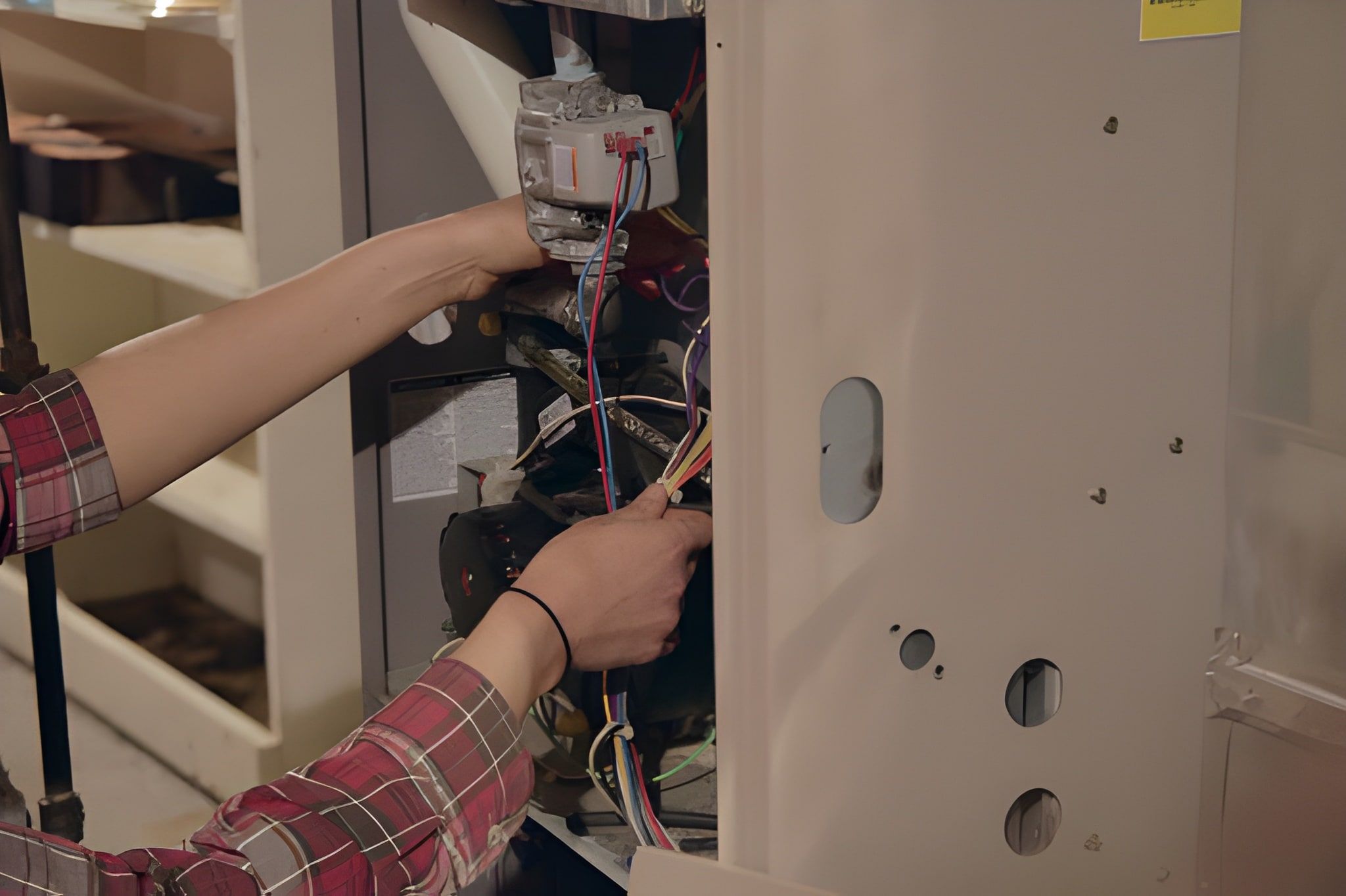
- Tighten electrical connections, measure motor current draw, inspect capacitors, relays, and contactors.
- Check belts, pulleys, and bearings; lubricate motors and moving parts as manufacturer allows.
- Filter replacement and indoor air health
- Inspect and replace disposable filters or recommend higher MERV filters where appropriate.
- Assess return grille locations and advise on improving indoor air quality for homes sensitive to pollen and particulates.
- Efficiency and reliability recommendations
- Provide adjustments or minor repairs that restore efficiency, and list recommended repairs or replacements for aging or failing parts.
Common heating issues in Rockford and how a Tune-Up prevents them
Homeowners in Rockford commonly experience certain heating problems that Tune-Ups are uniquely positioned to prevent:
- Unexpected midwinter breakdowns
- Cause: Worn ignition systems, weak blower motors, or failed capacitors. A Tune-Up identifies weak components before they fail during heavy use.
- Uneven heating from room to room
- Cause: Duct leaks, blocked returns, or imbalanced airflow. Airflow checks and duct inspection help locate and resolve the root cause.
- High energy bills in winter
- Cause: Dirty burners, restricted airflow, poor thermostat calibration, or failing components reducing system efficiency. Cleaning and calibrating restore performance and lower operating costs.
- Short cycling and frequent on-off cycles
- Cause: Oversized systems, thermostat miscalibration, or safety limit trips. A Tune-Up diagnoses short cycling and corrects control or airflow issues.
- Noisy operation or rattling
- Cause: Loose panels, worn bearings, or failing blower wheels. Mechanical inspection and balancing reduce noise and prevent further damage.
- Yellow pilot light or soot buildup (gas systems)
- Cause: Incomplete combustion or blocked burners. Combustion analysis and burner cleaning address safety and efficiency concerns.
- Carbon monoxide risk
- Cause: Cracked heat exchanger, blocked flue, or inefficient combustion. Safety verifications and flue inspections are essential for household safety.
How Everest Air technicians diagnose and tune your system
Everest Air Heating and Cooling follows a consistent diagnostic flow that combines industry-standard testing with practical experience from local service calls in Blount and surrounding counties:
- Pre-inspection and system history
- The technician examines past service records when available and asks about symptoms, odd noises, or recent changes to home occupancy or comfort levels.
- Visual and physical inspection
- External components, access panels, vents, and visible ductwork are inspected for corrosion, pests, debris, and disconnections.
- Power-off component checks
- With power removed, the technician checks electrical terminals, switches, capacitors, belts, and mechanical fasteners for wear and proper tension.
- Cleaning and mechanical service
- Burners, blower assemblies, and accessible coils are cleaned to factory-recommended standards to restore airflow and combustion efficiency.
- System startup and instrumentation
- The system is started and monitored with meters and gauges. For gas systems, combustion analysis checks fuel-air ratios and flue temperatures. For heat pumps, refrigerant pressures and superheat/subcooling are measured.
- Airflow measurement and duct assessment
- Static pressure and airflow are measured to identify restrictions. Technicians inspect accessible ducts in crawlspaces and attics to identify leaks and insulation issues.
- Safety and efficiency tests
- Safety controls are tested under simulated fault conditions where safe to do so. Electrical load is measured to ensure motors and components are operating within rated parameters.
- Final adjustments and documentation
- Thermostat setpoints are verified, filters replaced if needed, and a written summary of findings and recommendations is prepared for the homeowner.
This structured approach reduces overlooked problems and ensures the system is safe, efficient, and reliable.
Repairs and solutions commonly performed during a Tune-Up
A Tune-Up often includes small repairs that restore reliable operation without requiring major replacement. Typical in-visit repairs or adjustments may include:
- Replacing dirty filters and performing a final airflow check.
- Tightening electrical terminals and securing relays or contactors.
- Replacing worn belts, tightening blower assemblies, and lubricating motors.
- Swapping weak capacitors or ignition components if they fail testing.
- Sealing simple duct leaks, insulating exposed sections, and fastening loose ducts where accessible.
- Calibrating thermostats and verifying remote sensors and zoning controls.
For aging systems or serious safety concerns, technicians document necessary follow-up repairs and estimate remaining service life to help homeowners make informed decisions. Everest Air Heating and Cooling makes recommendations without high pressure, consistent with the Everest Air Promise of no hassles and no high-pressure sales.
Benefits of an annual heating Tune-Up
Regular Tune-Ups pay dividends immediately and over the life of a system. Key benefits include:
- Reduced risk of emergency winter breakdown
- A pre-season Tune-Up addresses worn components and safety issues before the first heavy-use period.
- Lower utility bills
- Clean burners, proper airflow, and optimized controls reduce wasted energy and shorten run times.
- Longer equipment life
- Preventive maintenance reduces wear and tear, extending the functional life of your furnace or heat pump.
- Improved indoor air quality
- Clean filters and properly functioning blowers reduce dust, pollen, and allergens circulating through the home.
- Safer operation for gas systems
- Combustion analysis and flue inspections reduce the risk of carbon monoxide and backdrafting.
- Warranty compliance and documentation
- Many manufacturers require annual maintenance to keep warranty coverage valid. A documented Tune-Up preserves warranty eligibility.
- Predictable budgeting
- Routine maintenance reduces the likelihood of large, unexpected repairs and gives homeowners time to plan for eventual replacement.
These benefits are especially meaningful in Rockford where winters can be unpredictable and older homes may have hidden ductwork or insulation challenges.
Recommended schedule for Rockford, TN
For Rockford homes, timing your Tune-Ups with seasonal needs maximizes protection:
- Gas or electric furnaces: annual Tune-Up in September or October before the heating season begins.
- Heat pumps: two seasonal checks are recommended, one in the fall for heating readiness and one in the spring for cooling readiness. Heat pumps run year-round in East Tennessee and benefit from both inspections.
- Older systems (10 years or older): consider semi-annual checks to monitor aging components more closely.
- Homes with frequent indoor air quality concerns, heavy pet hair, or allergy sufferers: maintain quarterly filter checks and yearly professional inspections.
The Y.E.T.I Comfort Plan referenced on the Everest Air Heating and Cooling homepage provides structured fall and spring checkups, priority scheduling during busy months, and peace of mind for homeowners who prefer a preventative maintenance program.
What to expect during a service visit from Everest Air Heating and Cooling
Everest Air is family-owned and approaches every Tune-Up with the same professionalism described on the company homepage. During a standard Tune-Up you can expect:
- Timely arrival and identification of the technician.
- A courteous walkthrough of concerns and an explanation of the inspection process.
- A systematic checklist-based inspection that covers performance, safety, and efficiency items.
- Immediate small repairs as agreed, and a clear, written summary of findings and any recommended next steps.
- No high-pressure sales tactics; recommendations are prioritized by safety and immediate need.
Technicians commonly check under houses and in attics to inspect ductwork and installations, reflecting the thorough approach many customers have praised in testimonials.
Energy-saving tips for Rockford homeowners between Tune-Ups
Small habits and home improvements can multiply the benefits of a professional Tune-Up:
- Set thermostats back at night or during work hours and use programmable or smart thermostats for automated savings.
- Replace disposable filters monthly during high-use seasons and check pleated filters every 60-90 days.
- Seal air leaks around windows, doors, and penetrations with caulk or weatherstripping to reduce drafts.
- Add attic insulation or improve crawlspace insulation where heat loss is significant.
- Inspect and insulate exposed ducts in attics and crawlspaces to reduce heat loss and improve comfort.
- Use ceiling fans to redistribute warm air downward in the winter.
- Keep vents clear of furniture and drapes to maintain balanced airflow.
- If you use a wood-burning stove or fireplace, maintain flue cleanliness and coordinate with heating system use to avoid backdrafting issues.
These actions help maintain system efficiency and prolong the life of your HVAC equipment in East Tennessee’s variable climate.
Is a Tune-Up enough or do I need replacement?
A Tune-Up restores efficiency and reliability for many systems, but some situations warrant replacement consideration:
- The system is more than 15 years old and requires frequent repairs.
- Heating costs remain high despite a recent Tune-Up and ductwork or insulation upgrades have already been made.
- Safety concerns such as a cracked heat exchanger or repeated combustion problems are discovered.
- System capacity is undersized or oversized for your current home layout, causing comfort and efficiency problems.
When replacement is recommended, Everest Air Heating and Cooling documents the reasons and provides an honest assessment without pressure. The goal is to balance upfront investment with long-term savings, comfort, and safety.
Frequently Asked Questions
Q: How long does a typical heating Tune-Up take?
A: A standard Tune-Up usually takes about 60 to 90 minutes for most residential systems; more time may be needed for older units or if an in-depth duct inspection or additional cleaning is required.
Q: How often should I change my filters?
A: Disposable filters should be checked monthly during heavy-use seasons and generally replaced every 30 to 90 days depending on filter type, household pets, and indoor air concerns. High-quality pleated filters may last longer but still require periodic checks.
Q: Do I need a Tune-Up for a heat pump?
A: Yes. Heat pumps operate all year in Rockford and benefit from a fall Tune-Up for heating performance and a spring check to ensure efficient cooling. Regular maintenance prevents refrigerant issues and mechanical wear.
Q: Will a Tune-Up reduce my heating bills?
A: A Tune-Up restores system efficiency by cleaning combustion and airflow components, calibrating controls, and identifying leaks. Homeowners often see lower energy usage and reduced bills after a professional Tune-Up.
Q: What if the technician finds a safety issue?
A: Safety issues are documented and prioritized. Technicians will secure unsafe operation, explain the problem in plain terms, and provide recommended next steps for repair or replacement.
Q: Are Tune-Ups required to maintain my warranty?
A: Many manufacturers require documented annual maintenance to keep warranty coverage valid. A professional Tune-Up typically satisfies those requirements; keep maintenance records for warranty claims.
Q: Can a Tune-Up fix cold spots in my home?
A: A Tune-Up includes airflow checks and duct inspections that often identify causes of cold spots such as leaks, blocked returns, or imbalanced airflow. Some issues may require additional duct sealing or zoning adjustments.
Q: What should I do before the technician arrives?
A: Clear access to the furnace, thermostat, and any attic or crawlspace access points. Note any unusual noises, odors, or comfort issues to share with the technician.
Q: How does Rockford weather affect my heating system?
A: East Tennessee’s seasonal extremes and humidity stress systems in different ways. Cold snaps increase run-time and strain, while humidity and pollen can clog filters and outdoor components. Regular Tune-Ups account for these local impacts.
Everest Air Heating and Cooling combines local knowledge with proven maintenance practices to keep Rockford homes comfortable, efficient, and safe. A professional heating Tune-Up is an investment that reduces downtime, improves performance, and protects your household through the cold season.
hear what our satisfied clients have to say

David P.
Service areas