

Furnace Tune-Up in Rockford, TN
Having a properly tuned furnace means your home stays safe, cozy, and energy-efficient throughout the entire winter. Here in Rockford, TN, with our seasonal temperature rollercoasters, mountain-fed cold snaps, and even spring pollen impacting heating systems, a professional furnace Tune-Up isn't just a suggestion – it's truly essential. At Everest Air Heating and Cooling, we offer comprehensive furnace Tune-Ups that truly go beyond a simple inspection. We aim to deliver real, noticeable improvements in how your system performs, its reliability, and the overall safety for your Rockford home.
Why a Furnace Tune-Up Matters in Rockford, TN
Rockford sits in East Tennessee, where winters can bring several consecutive cold days and nights. Those conditions put extra stress on furnaces that have not been maintained. Additionally, regional factors like seasonal pollen, household dust, and higher seasonal humidity increase filter loading and can accelerate wear on moving parts. A Tune-Up addresses these local stressors before they become costly failures.
Common homeowner pain points a Tune-Up solves:
- Increased energy bills during the winter months
- Inconsistent or weak heat in certain rooms
- Loud or unusual furnace noises when starting or running
- Flickering pilot lights or ignition failures
- Concerns about safety, such as carbon monoxide or a cracked heat exchanger
Everest Air Heating and Cooling designs each furnace Tune-Up for the realities of Rockford homes, incorporating safety-first inspections, efficiency measurements, and adjustments that extend equipment life.
What a Comprehensive Furnace Tune-Up Includes
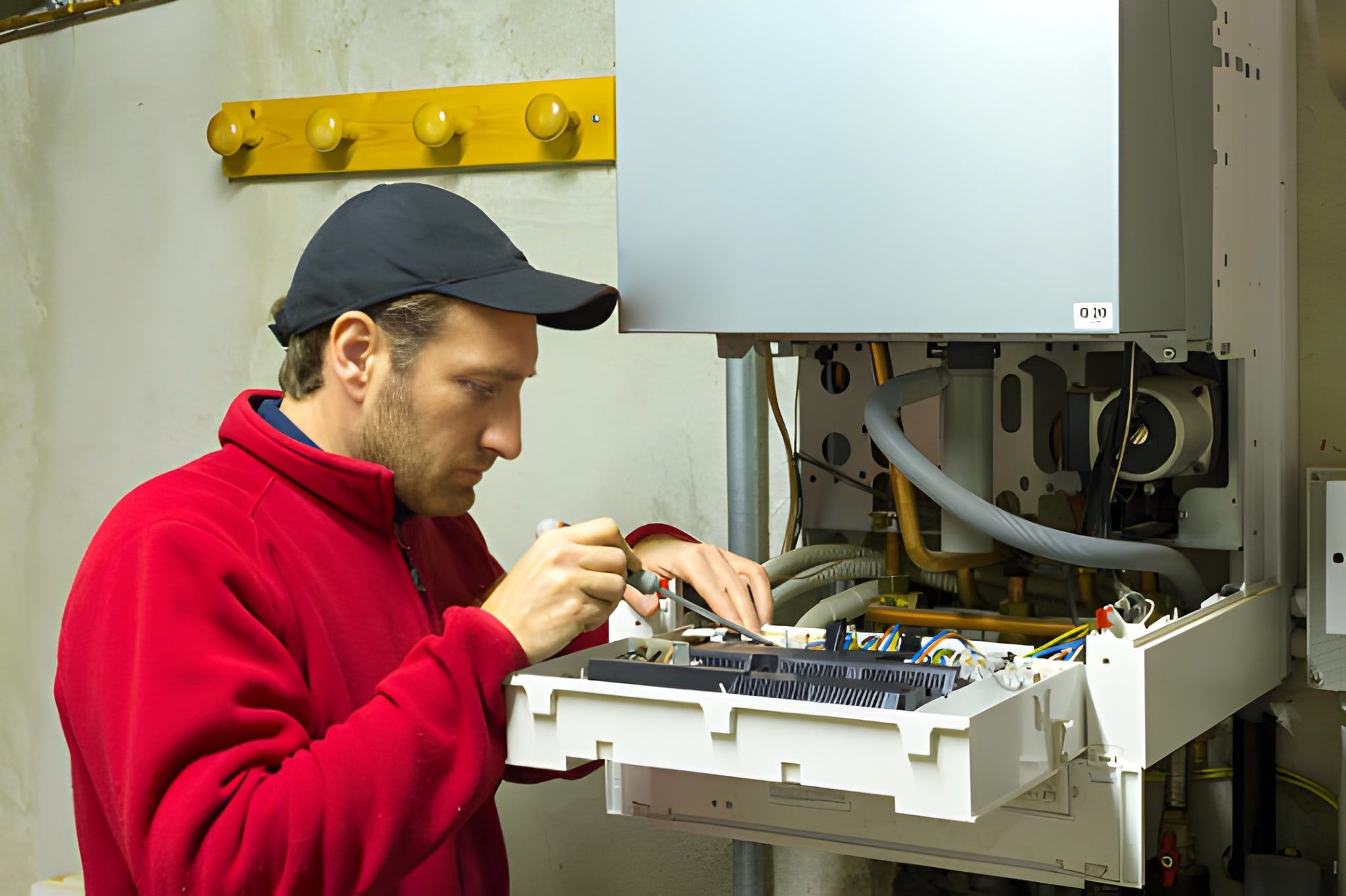
A proper Tune-Up is methodical. Everest Air follows a multi-point checklist during each visit to make sure every major component is inspected, cleaned, tested, and adjusted where needed.
Core Tune-Up tasks:
- Cleaning and adjusting burners: Remove soot, dirt, and debris from burners. Adjust flame patterns for complete combustion to reduce soot, improve efficiency, and prevent unsafe combustion conditions.
- Heat exchanger inspection and testing: Visually inspect the heat exchanger for cracks or corrosion and perform pressure and combustion testing as appropriate to check for leakage. The heat exchanger is central to safety; a cracked exchanger can allow combustion gases to mix with indoor air.
- Ignition and pilot system checks: Test electronic ignition systems and pilot assemblies for reliable starts. Clean or replace components that affect ignition timing and stability.
- Motor and blower lubrication and inspection: Check blower wheel, motor bearings, belts, and mounts. Lubricate motors and inspect electrical connections to ensure smooth, quiet operation and proper airflow.
- Airflow and filter assessment: Measure airflow and static pressure where possible. Replace or recommend filter changes and inspect duct connections for evidence of leaks or blockages.
- Thermostat calibration and control checks: Verify thermostat accuracy, check wiring and program settings, and calibrate controls to ensure correct temperature sensing and system response.
- Electrical and safety controls testing: Inspect and test limit switches, rollouts, safety interlocks, and wiring. Check for loose or corroded electrical connections and confirm safe operation under load.
- Gas pressure and leak checks: Measure gas valve operation and line pressure, and perform leak checks at fittings and connections.
- Combustion analysis and efficiency measurements: Where applicable, measure combustion gases (oxygen, carbon monoxide, carbon dioxide) and calculate combustion efficiency to identify Tune-Up or repair opportunities.
- Exhaust and venting inspection: Check flue piping, chimney connections, and draft to ensure proper removal of combustion byproducts and prevent backdrafting.
- System documentation and recommendations: Provide a clear report of findings, explain any issues in plain language, and outline recommended next steps for repairs or efficiency improvements.
Common Furnace Problems in Rockford Homes
Understanding common issues helps homeowners make decisions that reduce emergency repairs and downtime. These problems are often uncovered during a thorough Tune-Up.
Frequent issues uncovered during Tune-Ups:
- Dirty burners or clogged ignition assemblies causing delayed or weak ignition
- Reduced airflow from dirty filters, obstructed returns, or blower issues
- Worn blower motors or bearings causing noise and lower airflow
- Thermostat miscalibration leading to short cycling or temperature swings
- Cracked heat exchangers caused by corrosion or thermal fatigue
- Improper combustion leading to elevated carbon monoxide or inefficient operation
- Loose electrical connections or failing capacitors causing intermittent operation
- Duct leaks and poor insulation reducing system effectiveness
Many of these problems start small and worsen over time. A furnace Tune-Up identifies and corrects them while the fixes remain straightforward.
The Tune-Up Process: Step-by-Step
A predictable and transparent process helps homeowners understand what to expect and why it matters.
- Initial inspection and homeowner walk-through
- Technician confirms model, age, and operating history. Notes any homeowner observations about noises, odors, or inconsistent comfort.
- Safety checks first
- Test for gas leaks, inspect venting and flue, and perform a visual inspection of the heat exchanger. Safety is the priority before any adjustments are made.
- Airflow and filter evaluation
- Inspect and often replace the air filter if needed. Measure airflow and static pressure if accessible to determine system health and duct performance.
- Combustion and burner cleaning
- Clean burners and ignition components. Adjust flame patterns and perform combustion analysis if the system supports it to ensure efficient, clean burning.
- Electrical and mechanical inspection
- Check blower motor amperage, capacitors, belts, bearings, and lubricate moving parts. Tighten electrical connections and test safety controls.
- Thermostat and control calibration
- Verify thermostat accuracy and recalibrate. Test system cycling and response to thermostat commands to ensure even comfort.
- Final performance verification
- Measure temperature rise across the heat exchanger, confirm proper airflow, recheck combustion readings, and ensure quiet, stable operation.
- Documentation and homeowner review
- Provide a written summary of findings, any repairs completed, and recommended future maintenance. Explain any signs of impending issues and timing for potential replacement if equipment is near end of life.
Safety Checks Explained in Plain Language
Safety is the most important outcome of any Tune-Up. Here are the safety items explained simply.
- Heat exchanger inspection: The heat exchanger separates combustion gases from your home air. Cracks or holes can allow carbon monoxide to enter living spaces. Technicians look for corrosion, deformation, or visible cracks and run tests that indicate leakage.
- Carbon monoxide and combustion testing: Carbon monoxide is an odorless, colorless gas. Combustion testing measures gas composition and checks for unsafe CO levels coming from the furnace. Measuring oxygen and CO levels indicates whether combustion is clean and complete.
- Vent and draft checks: Proper venting ensures combustion gases go outside. Techs inspect chimneys, flues, and venting systems for blockages, corrosion, or improper connections that can cause backdrafting.
- Gas leak checks: Even small gas leaks are dangerous. Pressure and leak tests verify the fuel system is secure and operating as intended.
Efficiency Measurements and What They Mean
A Tune-Up helps you understand how well your furnace converts fuel into heat and whether the system is operating efficiently.
Key measurements explained:
- Temperature rise: The difference between return air and supply air. It indicates whether the furnace is producing the correct amount of heat for the system design.
- Combustion efficiency: Measured through gas analysis. Poor combustion efficiency often points to dirty burners, incorrect gas pressure, or impaired heat transfer.
- Electrical draw and motor health: High amperage on a blower motor suggests friction or a failing motor which reduces airflow and increases energy use.
- Airflow and static pressure: Low airflow often results in reduced heat delivery and increased cycling. Static pressure tests indicate whether ducts or filters are causing restriction.
Addressing inefficiencies during a Tune-Up can cut winter utility costs and reduce the workload that ages the system prematurely.
Recommended Tune-Up Frequency for Rockford Homes
For most Rockford households, seasonal conditions and usage patterns make the following schedule appropriate:
- Annual heating Tune-Up: Schedule a full furnace Tune-Up every year before the heating season begins. Annual care is the industry standard to keep systems running safely and efficiently.
- High-use or older systems: If your furnace is older than 10 years or your household runs the heating system heavily during long winters, consider semi-annual visits or enrolling in a preventive maintenance plan for more frequent checks.
- Homes with pets, smokers, or high dust: These conditions can clog filters and components more rapidly. Inspect filters monthly and plan on professional Tune-Ups at least once yearly, with additional checks if needed.
Everest Air Heating and Cooling frequently recommends the Y.E.T.I Comfort Plan for homeowners who want scheduled seasonal maintenance and priority attention. Regular participation in a maintenance plan enables consistent, documented Tune-Ups and can reduce the likelihood of winter breakdowns.
What Everest Air Checks That Many DIYers Miss
Homeowners can change filters and keep vents clear, but some checks require industry tools and experience to be effective and safe.
Technician-level checks include:
- Combustion gas analysis to detect inefficient or unsafe burning
- Heat exchanger tests that go beyond visual inspection
- Measuring motor amperage and assessing electrical component integrity
- Static pressure and airflow measurements to evaluate ductwork performance
- Gas pressure diagnostics to ensure safe and efficient fuel delivery
- Professional lubrication of moving parts in a way that prevents contamination and premature wear
These tasks help avoid misdiagnosis and ensure that Tune-Up adjustments truly improve performance and longevity.
How a Tune-Up Protects Your Home and Investment
A well-executed Tune-Up delivers tangible benefits for homeowners in Rockford, TN.
Primary benefits:
- Improved safety: Identifies and corrects hazards before they become emergencies.
- Lower utility bills: Restored efficiency reduces fuel consumption and utility expenses.
- Fewer breakdowns: Early detection of worn parts prevents unexpected failures during cold spells.
- Extended equipment life: Proper lubrication, cleaning, and adjustments reduce long-term wear.
- Better comfort: Correct airflow and calibration deliver more consistent indoor temperatures.
- Documented maintenance history: Helpful when evaluating replacement options or warranty claims and increases resale value.
Everest Air Heating and Cooling emphasizes preventive maintenance because small investments in Tune-Ups often avoid much larger repair or replacement costs later.
Typical Tune-Up Findings and Simple Fixes
Many common corrections are straightforward when caught early:
- Replace dirty filters and clean the blower assembly
- Clean or adjust burners for stable ignition and complete combustion
- Tighten electrical terminals and replace failing capacitors
- Lubricate motors and replace worn belts or bearings
- Recalibrate thermostats or replace aging control components
- Seal minor duct leaks and improve return pathways for better airflow
Addressing these issues during a Tune-Up often restores performance without needing major parts replacement.
Preparing Your Home for a Furnace Tune-Up
A few small steps make the visit efficient and help the technician focus on what matters:
- Clear the area around the furnace to allow easy access
- Ensure all vents and returns are unobstructed
- Note any noises, odors, or comfort problems you want the technician to check
- Have any service records available if you want them reviewed
Technicians will bring the tools and parts needed for diagnostic work. Everest Air provides clear explanations of findings and recommended repairs in plain language so homeowners understand the work performed.
Long-Term Maintenance Tips Between Tune-Ups
Between professional visits, homeowners can take simple steps to maintain performance:
- Change or clean filters monthly or according to manufacturer guidance
- Keep vents and returns free of furniture and curtains
- Check for unusual noises and record when they occur to help diagnosis
- Maintain a consistent thermostat schedule to avoid excessive wear from frequent setpoint changes
- Keep the furnace area dry and free from stored items that can restrict airflow or present hazards
Consistent attention between Tune-Ups reduces emergency repairs and keeps the furnace running smoothly.
When a Tune-Up Reveals the Need for Replacement
A Tune-Up can also reveal when a furnace is no longer economical to repair. Indicators to watch for:
- Repeated major component failures within a short period
- Heat exchanger damage that cannot be safely or cost-effectively repaired
- Persistent poor efficiency despite repairs and adjustments
- Age beyond expected service life and parts scarcity
- A well-documented service history from regular Tune-Ups helps homeowners and technicians make informed replacement decisions when the time comes.
Why Local Expertise Matters
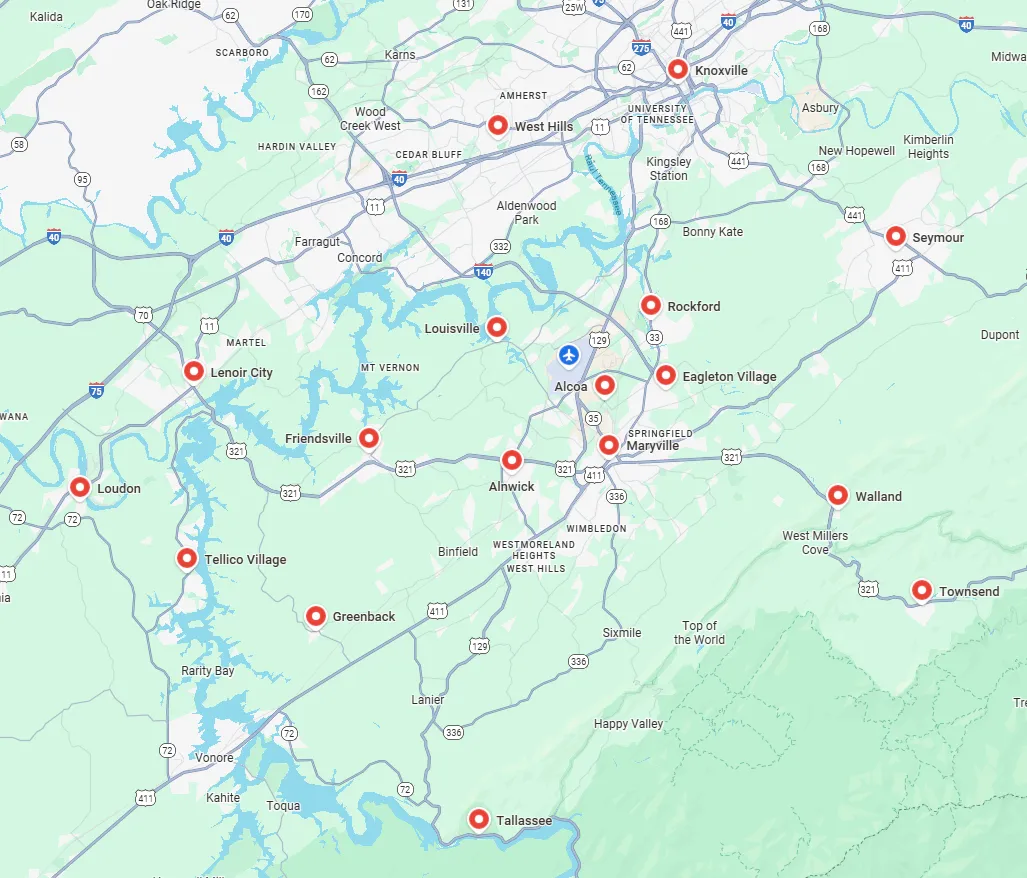
Rockford-area homes often have specific challenges: older construction with unique duct runs, variable elevation and exposure that affect draft and venting, and seasonal pollen challenges that increase filter needs. Everest Air Heating and Cooling has experience across Blount, Loudon, Knox, and Sevier counties and understands these local variables. That local knowledge informs inspections, diagnostic testing, and recommendations that are appropriate for Rockford homes.
Everest Air applies a safety-first, no-hassle approach to Tune-Ups aligned with the values and needs of Rockford residents. The goal is reliable, efficient comfort with straightforward explanations and trustworthy recommendations.
FAQs
Q: What is included in a furnace Tune-Up in Rockford, TN?
A: A complete Tune-Up includes burner cleaning and adjustment, heat exchanger inspection and testing, motor and blower lubrication, thermostat calibration, airflow and filter checks, combustion and efficiency measurements when applicable, electrical and safety control testing, gas pressure and leak checks, exhaust and vent inspection, and a written report of findings and recommendations.
Q: How often should I have my furnace tuned in Rockford?
A: For most Rockford homes, an annual Tune-Up before the heating season is recommended. Homes with older systems, heavy winter use, pets, or high dust may benefit from semi-annual checks or enrollment in a preventive maintenance plan.
Q: Can a Tune-Up reduce my heating bills?
A: Yes. A Tune-Up restores combustion efficiency, corrects airflow problems, and ensures motors and controls operate efficiently. These adjustments often reduce fuel consumption and lower monthly heating costs.
Q: Will a Tune-Up detect carbon monoxide problems?
A: A professional Tune-Up includes combustion testing and assessments designed to detect unsafe combustion, abnormal carbon monoxide levels, and heat exchanger issues that could allow combustion gases into your home.
Q: How long does a furnace Tune-Up typically take?
A: A thorough Tune-Up usually takes 60 to 90 minutes depending on system complexity, accessibility, and whether diagnostic tests reveal additional repairs. Technicians will explain findings and next steps in plain language.
Q: Can I get a Tune-Up if my furnace is making noise or not starting reliably?
A: Yes. Tune-Ups include ignition and blower inspections that often diagnose and correct noises, delayed starts, and intermittent operation. If a needed repair goes beyond Tune-Up tasks, the technician will explain options.
Q: Does a Tune-Up include filter replacement?
A: Filter replacement is a standard part of the airflow assessment. Technicians will replace filters when appropriate and recommend the correct filter type and replacement frequency for your home.
Q: Are combustion efficiency tests always performed?
A: Combustion testing is performed when the furnace design and access allow it. These measurements provide valuable information about efficiency and safety and are part of a comprehensive Tune-Up when possible.
Q: What should I do to prepare my home for a furnace Tune-Up?
A: Clear the area around the furnace for access, ensure vents and returns are unobstructed, note any operational issues you have observed, and provide recent service records if available.
Q: How does Everest Air Heating and Cooling document the Tune-Up?
A: Technicians provide a written summary of inspection results, diagnostic measurements, repairs performed, and recommended future maintenance in clear, non-technical language that homeowners can keep for records.
Q: Can a Tune-Up prevent winter breakdowns?
A: Regular Tune-Ups significantly reduce the risk of unexpected failures by identifying worn components and correcting inefficiencies before they lead to major problems.
Q: What if my furnace is older than 15 years?
A: Older furnaces can still benefit from annual Tune-Ups, but a Tune-Up may also indicate when replacement is the safer, more economical long-term option. The technician will document findings and explain replacement considerations if appropriate.
hear what our satisfied clients have to say

David P.
Service areas