

Heating Repair in Rockford, TN
When the chill sets in around Rockford, TN, a dependable heating system isn't just a luxury – it's crucial for your family's comfort and safety. At Everest Air Heating and Cooling, we genuinely understand how frustrating a furnace, heat pump, ductless unit, or boiler breakdown can be for homes and businesses across eastern Tennessee. That's why we’re committed to a clear, honest approach for heating repair in Rockford, TN. We’ll walk you through our diagnostic process, explain common issues, and discuss on-site repairs, parts replacement, and our emergency response options. You’ll always know what to expect with our transparent pricing and the highly qualified technicians we send to your door. Our aim is simply to help you make the best, most informed decision to get your heat back on quickly and safely.
Why heating repair matters in Rockford, TN
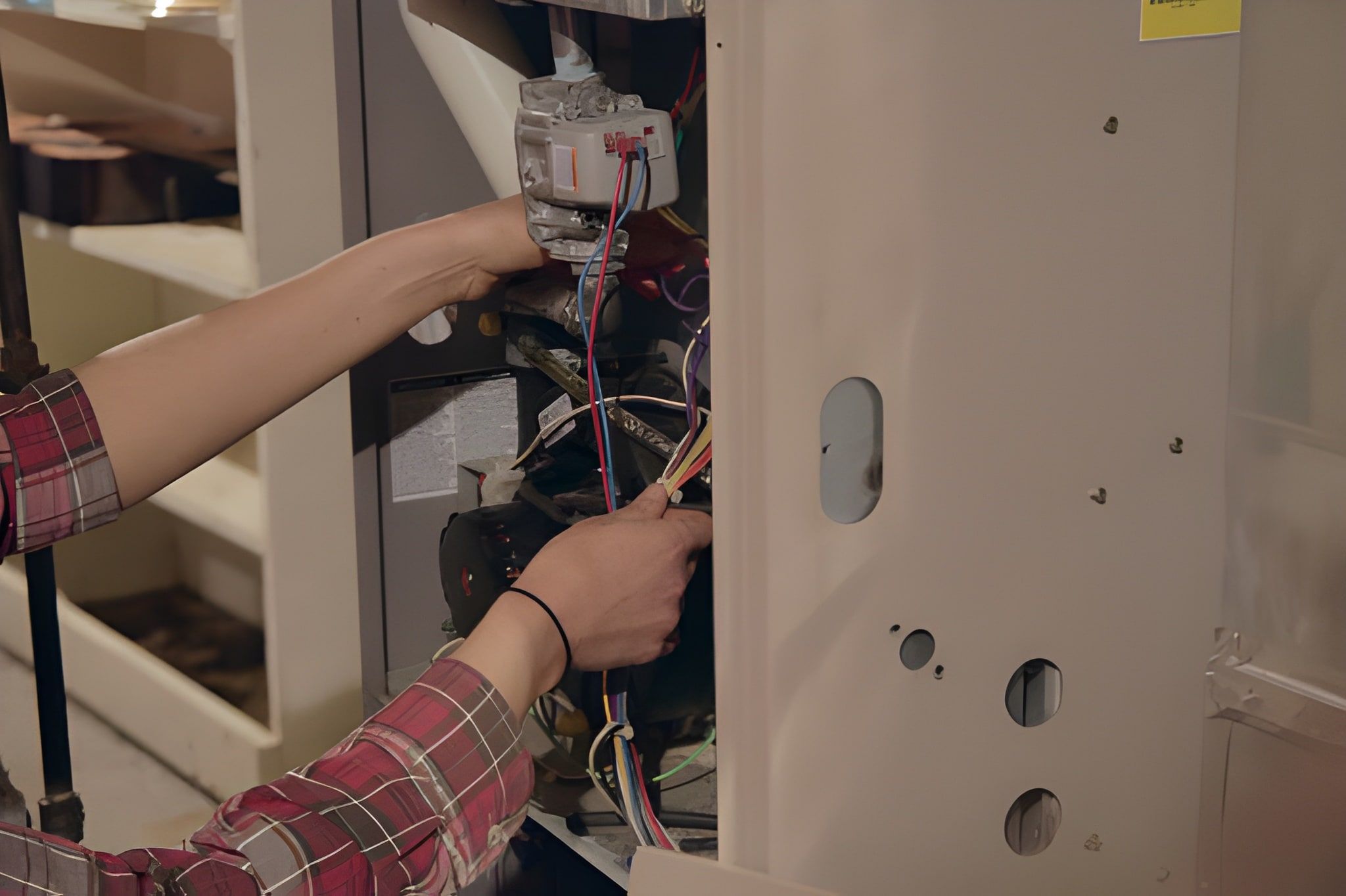
Rockford experiences cold snaps and overnight lows that can dip below freezing during the winter months. Older homes in the area often have aging equipment, undersized ductwork, or insulation challenges that put extra demand on heating systems. When a system fails here, homes can lose safe, even warmth fast. Prompt, thorough heating repair reduces the risk of freeze damage, high energy bills, and safety hazards such as carbon monoxide exposure. Everest Air Heating and Cooling brings local experience to diagnosing problems that are unique to area homes and weather patterns.
Common heating systems we repair in Rockford
We service a wide variety of residential and light commercial heating systems commonly found in Rockford homes:
- Gas furnaces, including single-stage, two-stage, and modulating systems
- Heat pumps and air-source heat pump systems, including cold-climate models
- Ductless Mini Split heat pump systems
- Hydronic boilers and hot water heating systems
- Electric furnaces and baseboard electric heat
- Packaged rooftop units for small commercial properties
Each system type has distinctive failure modes and repair approaches. Understanding the system helps us diagnose problems quickly and recommend the most cost-effective, safe solution.
Common heating problems in Rockford, TN and what causes them
- No heat or intermittent heat: Causes include failed ignition systems, tripped safety switches, failed control boards, thermostat issues, or fuel supply problems. Sudden loss of heat is often an electrical or ignition failure.
- Short cycling: The system turns on and off frequently. Causes include airflow restrictions, improper thermostat placement, clogged filters, failing limit switches, or refrigerant problems in heat pumps.
- Uneven heating or cold rooms: Often due to duct issues, balancing problems, blocked registers, or failing zone controls.
- Strange noises: Rattling, banging, or squealing can point to loose panels, blower motor issues, belt failure, or combustion problems in gas furnaces.
- Rising energy bills: Reduced efficiency caused by dirty heat exchangers, failing blower motors, low refrigerant charge, or closed vents.
- Odors or soot: Could indicate incomplete combustion, cracked heat exchanger, or blocked flues. These require immediate attention because of safety risks.
- Heat pump-specific issues: Loss of heating in low temperatures, frozen outdoor units, failed reversing valve, or defrost control failure.
- Pilot light or ignition problems: Common on older gas furnaces due to thermocouple or hot surface ignitor failure.
- Water or condensate leaks: Common in high-efficiency furnaces, boilers, and ductless systems due to blocked drain lines or cracked heat exchangers.
In Rockford, seasonal factors such as freezing temperatures, humidity cycles, and occasional ice can accelerate wear on outdoor components and condensate lines. Salt and road debris are less of a direct issue inland, but moisture and pollen may still affect outdoor coils and sensors.
Our diagnostic workflow for heating repair
A clear diagnostic process is the foundation of effective repairs. Everest Air Heating and Cooling follows a systematic workflow so repairs are accurate, safe, and transparent:
- Customer intake and system history
- Confirm symptoms, recent changes, any error codes, and past repairs.
- Gather system make, model, age, and maintenance history when available.
- Visual and safety inspection
- Check for obvious hazards, gas leaks, and signs of water, soot, or corrosion.
- Test for carbon monoxide in combustion systems before proceeding.
- Thermostat and control checks
- Verify correct thermostat settings, wiring integrity, and communication with the system.
- Electrical and power diagnostics
- Confirm proper voltage, inspect fuses and breakers, test capacitors and relays, and evaluate control boards.
- Airflow and combustion analysis
- Assess filter condition, blower operation, duct airflow, and flue draft for gas systems.
- Use combustion analyzers on gas appliances to check efficiency and safe combustion.
- Refrigerant and mechanical checks for heat pumps
- Measure refrigerant pressures, inspect outdoor unit, check reversing valve and defrost cycle, and look for leaks.
- Component testing
- Test ignition systems, sensors, limit switches, ignitors, motors, and safety devices with specialized tools.
- Diagnostic summary and estimate
- Provide an itemized explanation of findings, recommended repairs or parts replacement, and expected outcomes.
This step-by-step method reduces guesswork, limits repeat visits, and helps homeowners in Rockford understand what is broken and why.
On-site repairs and parts replacement
When a repair is needed, our technicians perform on-site work using proven procedures and quality replacement parts. Common on-site repairs include:
- Replacing ignitors, thermocouples, and gas valves on furnaces
- Replacing blower motors, belts, and bearings
- Replacing capacitors, contactors, and control boards
- Repairing or replacing thermostats and zone controls
- Repairing refrigerant leaks and recharging heat pumps after locating and repairing leaks
- Swapping failing compressors or reversing valves when repair is feasible
- Clearing condensate lines, replacing drain pans, and repairing condensate pumps
- Repairing or replacing gas burners and cleaning combustion chambers
- Patching duct leaks, replacing dampers, and balancing airflow
Parts sourcing and quality
- We use OEM-equivalent parts or genuine manufacturer components when available. For older systems where parts are obsolete, we recommend safe, code-compliant retrofit options.
- Critical safety components such as heat exchangers and cracked boiler sections are handled with strict safety protocols. If a heat exchanger is cracked or a boiler has serious structural damage, replacement is often the safest long-term option.
Warranty and workmanship
- Repairs include clear documentation of work performed and any applicable parts warranties. Transparency about warranty coverage and expected life after repair is part of the estimate.
Emergency response and temporary solutions
Heating failures do not always happen during business hours. Our emergency response capabilities aim to reduce exposure to cold and protect property:
- Triage and rapid assessment to determine whether immediate temporary measures are required
- Safe temporary heat options to reduce risk of frozen pipes, such as electric space heaters or temporary electric furnace hookups when appropriate and safe
- Prioritization of critical repairs like gas leaks, loss of heat in homes with infants or elderly occupants, and carbon monoxide concerns
- Mobile trucks stocked with common replacement parts to complete many repairs on the first trip
In Rockford, severe cold or storms can increase demand for heating repairs across the region. Our approach includes triage protocols to address the most urgent safety cases first while communicating expected timing and repair steps clearly.
Pricing transparency and how repair estimates are presented
Everest Air Heating and Cooling emphasizes transparent, itemized estimates so customers know what they are paying for:
- Diagnostic fee explanation: A diagnostic visit includes the inspection steps described in the workflow, safety testing, and a written diagnostic summary.
- Itemized estimates: Estimates list parts, labor, and any subcontracted work separately. We explain why each repair is necessary and how it addresses the root cause.
- Repair versus replacement clarity: When both repair and replacement are viable, we present the pros and cons of each option including expected remaining service life and energy impact.
- No hidden fees: All taxes, fees, and warranty terms are listed in the estimate to avoid surprises.
Financing and payment context
- Everest Air provides information about financing options and payment plans where available. This is presented as part of the decision-making process for larger repairs or replacements to help customers evaluate feasibility without pressure.
Technician qualifications and professional standards
Quality heating repair depends on trained, experienced technicians. Everest Air Heating and Cooling hires and trains technicians to meet high standards:
- Manufacturer training: Technicians receive ongoing factory and manufacturer-specific training to service furnaces, heat pumps, and boilers accurately.
- Certification and credentials: Technicians carry EPA 608 certification for refrigerant handling and receive continuing education on gas and electrical safety standards.
- Safety-focused procedures: All work follows code requirements and safety best practices, including carbon monoxide testing on combustion appliances, flue inspection, and proper venting checks.
- Background checks and professionalism: Technicians are background checked and trained to work cleanly and respectfully in customer homes.
- Diagnostic skills and tools: Technicians are equipped with multimeters, combustion analyzers, refrigerant gauges, leak detectors, infrared thermometers, and airflow meters to provide accurate diagnostics and repairs.
These qualifications mean more accurate diagnoses, fewer callbacks, and safer repairs in Rockford homes.
Repair versus replacement: how to decide
Deciding whether to repair or replace depends on multiple factors. Considerations include:
- System age: Typical life expectancies are 15 to 20 years for gas furnaces, 10 to 15 years for heat pumps, and 15 to 25 years for boilers. Older systems are more likely to require frequent repairs and may justify replacement.
- Repair frequency and cost: If a system requires multiple major repairs within a few years, replacement may be more cost-effective in the long run.
- Efficiency and energy savings: Newer systems offer higher efficiency, which can lower monthly energy costs significantly in some cases.
- Safety concerns: Cracked heat exchangers, recurring combustion problems, or flue issues are safety-related reasons to replace rather than repair.
- Comfort and performance needs: If your home needs improved zoning, humidity control, or quieter operation, a replacement may be the best path.
- Availability of parts: For old or discontinued models, parts may be hard to find or expensive; replacement might be the practical choice.
Everest Air Heating and Cooling helps Rockford customers weigh these factors with clear data, comparing the expected remaining life and projected operating costs to recommend the most sensible solution.
Preventive maintenance and the Y.E.T.I Comfort Plan
Regular maintenance extends equipment life and reduces unexpected failures. Everest Air Heating and Cooling offers preventive maintenance that addresses the most common causes of breakdowns:
- Fall heating Tune-Up checklist includes: cleaning burners and combustion areas, testing ignition and safety controls, measuring combustion efficiency, checking heat exchanger integrity, inspecting and lubricating motors, checking thermostat calibration, testing airflow and ductwork, and clearing condensate drains.
- Benefits of maintenance: Lower energy bills, improved reliability, fewer emergency repairs, safer operation, and preserved warranty coverage.
- Y.E.T.I Comfort Plan: Maintenance plans include fall and spring checkups, priority scheduling, and other homeowner benefits. Regular checkups are especially useful in Rockford where seasonal temperature swings can place extra strain on equipment.
Preventive care is a cost-effective way to avoid midwinter emergencies and keep systems running at peak performance.
Safety protocols specific to combustion systems
Gas furnaces and boilers require careful attention to safety:
- Carbon monoxide testing: All combustion repairs include CO testing before and after repairs to ensure safe operation.
- Combustion efficiency testing: Proper combustion reduces soot buildup and improves safety and efficiency.
- Flue and vent inspection: Blocked or corroded vents create dangerous conditions and must be corrected immediately.
- Heat exchanger inspection: A cracked heat exchanger poses a severe safety hazard and typically necessitates replacement. Technicians follow strict procedures when a suspected crack is detected.
Safety is non-negotiable. Everest Air Heating and Cooling documents safety checks and communicates any hazards found during diagnostics.
Typical repair timelines and what to expect during a service visit
- Diagnostic visit: The technician performs the diagnostic workflow, documents findings, and presents repair options.
- Same-day repairs: Many common failures are repaired the same day when parts are available on the truck.
- Parts-ordered repairs: When a specific part must be ordered, the technician provides a timeline and interim safety measures if needed.
- Follow-up and testing: After repairs, systems are tested under operating conditions to verify correct performance and efficiency.
Technicians also provide clear documentation of work performed, parts installed, and any next steps recommended for long-term reliability.
Why local expertise matters in Rockford
Local technicians understand how Rockford-specific factors impact HVAC systems:
- Cold snaps and overnight freezes increase risk of frozen lines and increased system cycling.
- Housing stock in the area includes older homes with ductwork and insulation challenges that affect heating performance.
- Familiarity with local codes and common construction practices speeds up diagnosis and repair.
Everest Air Heating and Cooling blends national best practices with regional know-how to deliver repairs tailored to local homes.
Frequently asked questions
Q: How quickly can you diagnose a heating problem in Rockford, TN?
A: Diagnostic time varies by symptom complexity but most on-site diagnostics are completed in one visit. The process covers safety checks, electrical testing, airflow, and component evaluation before we present an itemized estimate.
Q: Is it ever unsafe to run a furnace if it is making unusual noises or emitting odors?
A: Unusual noises or combustion odors should be treated as a potential safety concern. For powered combustion systems, we recommend shutting down the unit and arranging for a professional inspection to test for carbon monoxide and combustion safety.
Q: How do you determine whether to repair or replace my heating system?
A: We consider system age, repair frequency, repair cost relative to replacement, efficiency loss, safety issues, and parts availability. We present clear pros and cons so you can make an informed choice.
Q: Do your technicians handle heat pumps and ductless systems as well as gas furnaces?
A: Yes. Our technicians are trained on heat pumps, ductless Mini Splits, boilers, and furnaces. They carry the tools and diagnostic equipment to test refrigerant systems, reversing valves, defrost cycles, and electrical controls.
Q: What kinds of temporary heating measures can you provide during emergency repairs?
A: When a safe temporary measure is necessary, technicians can recommend or assist with safe electric heating options and other interim steps to protect against frozen pipes and extreme cold. Permanent repairs are prioritized for safety-related failures.
Q: Will a repair estimate include warranty and parts information?
A: Yes. Estimates list parts and labor, and we explain any parts warranty or workmanship guarantee. Warranties vary by part and manufacturer, so we provide the specifics in writing.
Q: How does preventive maintenance help avoid midwinter failures in Rockford?
A: Regular maintenance catches worn components, ensures proper combustion, clears condensate drains, and optimizes airflow. This reduces the chance of unexpected breakdowns during the coldest weather.
Q: Are your technicians trained to test for carbon monoxide and flue safety?
A: Yes. Combustion systems are checked for proper venting and combustion safety, and carbon monoxide testing is part of our safety protocol during heating repairs.
Q: What should I do if my pilot light keeps going out or my furnace will not ignite?
A: Ignition failure can result from a failing ignitor, thermocouple, gas valve issue, or control board problem. These components require professional testing. Do not attempt to force the unit to operate repeatedly without inspection.
Q: Do you service all major brands of heating equipment?
A: We service most major residential brands and models. If a system is very old and parts are no longer available, we will explain retrofit and replacement options that meet safety and efficiency needs.
Everest Air Heating and Cooling provides experienced, transparent heating repair services tailored to Rockford, TN homes. Our diagnostic rigor, local understanding of weather impacts, professional technicians, and clear estimates are designed to restore reliable heat safely and efficiently while helping you weigh repair and replacement options.
hear what our satisfied clients have to say

David P.
Service areas