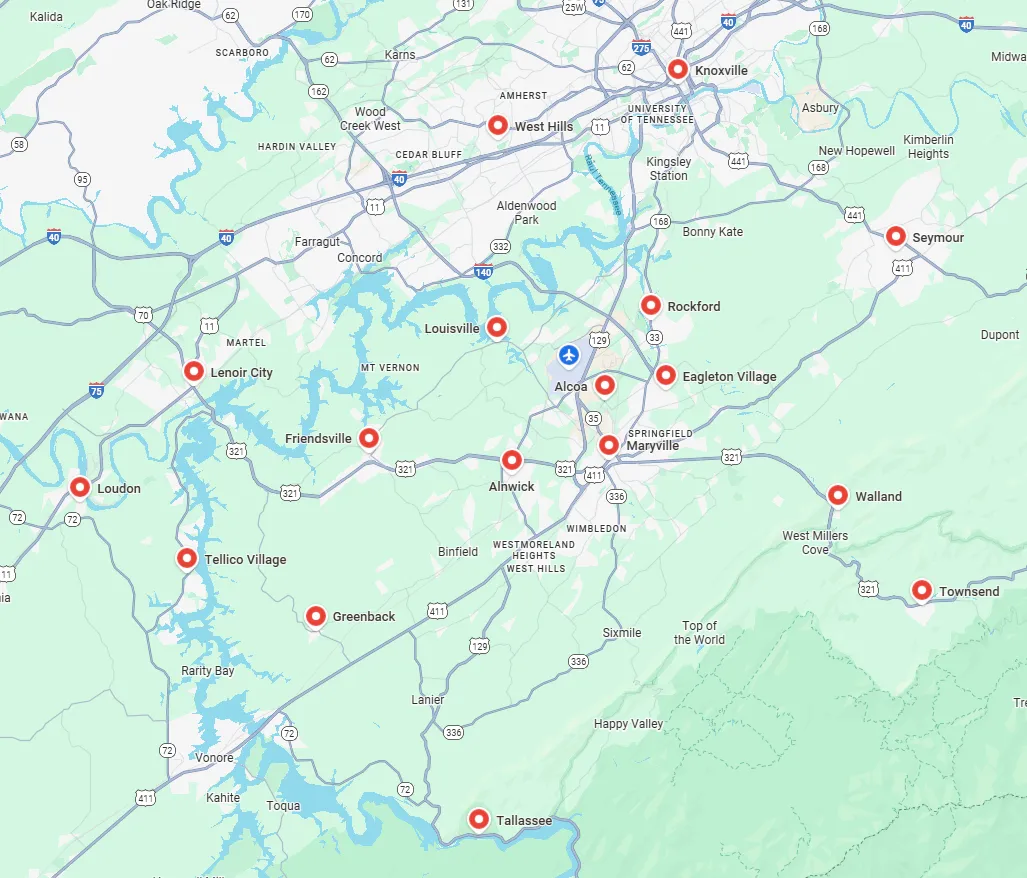


Heating Tune-Up in Lousiville, TN
An annual heating Tune-Up is, without a doubt, one of the smartest investments any homeowner can make before the true cold weather settles in. Here in Lousiville, TN, where winter temperatures can really dip and humid conditions shift rapidly, a properly tuned heating system means safer homes, consistent comfort, and lower energy bills. At Everest Air Heating and Cooling, we bring experienced technicians, conduct thorough inspections, and provide practical recommendations to ensure your furnace, heat pump, or boiler is absolutely ready for the peak heating season. We want you to understand exactly what a professional heating Tune-Up entails, why it’s so crucial for Lousiville homes, the common issues we often uncover, and precisely how these Tune-Ups protect your family, your equipment, and your budget.
.jpeg)
Why a heating Tune-Up matters in Lousiville, TN
Lousiville sits in East Tennessee terrain where seasonal swings and local building characteristics create unique demands on residential heating systems. Winters here are cold enough to stress aging equipment, and high humidity and pollen in other seasons affect indoor air quality and filter loads year round. Older homes with original ductwork, crawlspace installations, or compact attics change how heat moves through the living space and often hide issues until they become failures on a cold night.
A professional heating Tune-Up done before peak season reduces the risk of unexpected breakdowns, lowers carbon monoxide risk from combustion appliances, improves efficiency, and often catches small repairs before they require costly emergency service. For homeowners who rely on gas furnaces, heat pumps, or ductless systems, an annual Tune-Up provides peace of mind and data-driven recommendations for maintenance or replacement.
Common heating problems in Lousiville homes
Everest Air Heating and Cooling routinely sees the same patterns of wear and failure that develop over time. During Tune-Ups we frequently identify:
- Dirty or clogged air filters reducing airflow and forcing the blower to run harder.
- Weak or unbalanced airflow from blocked vents, undersized ducts, or leaking duct seams, leading to uneven heating.
- Worn blower motors and belts producing noisy operation or unstable airflow.
- Ignition failure, stuck gas valves, or pilot problems in gas furnaces that cause intermittent heating or unsafe operation.
- Ignored or cracked heat exchangers in gas furnaces, which are a major safety concern due to carbon monoxide.
- Dirty burners and flame sensors that reduce combustion efficiency and cause short cycling.
- Refrigerant imbalances or compressor strain in heat pumps that reduce heating capacity in colder weather.
- Thermostat miscalibration or outdated controls preventing the system from operating at peak efficiency.
- Condensate drain clogs on high-efficiency furnaces or boilers leading to shutdowns.
- Corroded sensors, loose electrical connections, and unsafe wiring that risk failure or fire.
Identifying and correcting these issues during a scheduled Tune-Up prevents interruptions during the coldest nights and preserves long-term system health.
What a professional heating Tune-Up includes
A thorough heating Tune-Up is a structured, methodical process. Everest Air Heating and Cooling follows a proven checklist to ensure safety, efficiency, and performance. The typical Tune-Up covers these core areas:
Safety inspection
- Visual inspection of the heating appliance and surrounding area to confirm safe clearances and no combustible hazards.
- Heat exchanger inspection for signs of cracks, corrosion, or abnormal wear. Any suspected damage is documented and prioritized for repair.
- Carbon monoxide check at the appliance and in living spaces when applicable to confirm safe combustion.
- Gas line visual check and leak detection where accessible, as well as verification of proper venting and chimney draft.
Component cleaning and adjustments
- Replace or clean the air filter and recommend the correct MERV rating for your home if higher filtration is desired.
- Clean burners, flame sensors, and ignition assemblies to ensure reliable ignition and stable flames.
- Clean condensate trays and drain lines on high-efficiency units to prevent clogs and overflow.
- Remove debris from blower housing and clean blower wheel to restore proper airflow.
- Lubricate motors and bearings where applicable to reduce friction and extend life.
- Tighten electrical connections and inspect capacitors to prevent intermittent failures.
Operational testing and calibration
- Verify thermostat calibration, programming, and communication with the system.
- Measure blower speeds and adjust fan settings for proper airflow and temperature balance.
- For furnaces: measure temperature rise across the heat exchanger and compare to manufacturer specifications to ensure proper operation.
- For heat pumps: test reversing valve operation and confirm adequate refrigerant charge and pressure under heating conditions.
- Test safety controls including limit switches, rollout switches, pressure switches, and emergency shutoffs.
Efficiency optimizations
- Check combustion efficiency with a combustion analyzer on gas appliances to tune air-fuel ratio for cleaner, more efficient burning.
- Verify vent and chimney integrity to prevent backdraft and maximize draft.
- Inspect ductwork for leaks and poor insulation points; recommend sealing and insulation measures where energy loss is high.
- Recommend thermostat upgrades or programmable settings to reduce run times and energy waste.
Testing, reporting, and recommendations
- Record baseline readings: amp draws, static pressures, supply and return temperatures, and combustion metrics where applicable.
- Provide a clear, written report of findings including identified safety issues, recommended repairs, and maintenance items.
- Prioritize recommendations into immediate safety concerns, efficiency improvements, and long-term upgrades that will extend system life.
These steps ensure the system operates safely, reliably, and as efficiently as possible heading into the season of highest demand.
Tune-Ups for different system types
Heating systems vary in design and maintenance needs. A quality Tune-Up adapts to the specific technology in your home.
Gas furnaces
- Focus on combustion safety: heat exchanger inspection, burner cleaning, flame sensor cleaning, gas pressure and valve operation checks, and combustion efficiency testing.
- Confirm venting and draft, test ignition system, and measure temperature rise.
Heat pumps
- Inspect reversing valve and check refrigerant pressures for optimal heat transfer.
- Clean outdoor coils and verify defrost operation.
- Test electrical components under heating load and confirm compressor amp draw within specifications.
Ductless Mini Splits
- Clean indoor evaporator coils and outdoor condenser coils.
- Check drain lines and condensate pan.
- Test remote controls, sensors, and inverter operation.
- Verify refrigerant charge and ensure proper heating capacity.
Boilers and hydronic systems
- Inspect boiler combustion and heat transfer surfaces.
- Test pressure relief valves, expansion tanks, and circulate pump operation.
- Flush and clean condensate traps and check for leaks in the piping system.
Electric furnaces and baseboard systems
- Inspect electrical elements and connections, measure amp draws, and verify thermostat control accuracy.
- Check distribution elements such as breakers, relays, and fan operation.
By targeting the unique requirements of each system type, technicians maximize both safety and performance.
Testing and reporting that matters
A Tune-Up is only as valuable as the information you receive afterward. Everest Air Heating and Cooling documents the critical performance metrics and translates them into practical recommendations.
Typical recorded measurements include:
- Carbon monoxide concentration near the appliance and in living spaces where required.
- Combustion efficiency (CO2 or O2 and CO levels) for gas appliances.
- Supply and return temperature readings and calculated temperature rise across heat exchangers.
- Static pressure and airflow indicators to identify duct restrictions.
- Electrical measurements including voltage and amp draw on motors and compressors.
- Refrigerant pressure readings for heat pump systems during operation.
The technician interprets these numbers in plain language to indicate current condition, expected lifespan, safety concerns, and suggested actions. The report helps homeowners make informed decisions about repairs, part replacements, or system replacement timing.
How Tune-Ups extend system life and lower operating costs
Regular preventive maintenance reduces wear and tear, improves efficiency, and identifies issues before they cause major failures. Key benefits include:
- Improved efficiency: A clean, properly adjusted system uses less fuel or electricity to deliver the same comfort, often reducing monthly energy costs.
- Lower risk of major failures: Regular inspections catch failing components early; replacing a worn part is almost always less expensive than replacing an entire system after catastrophic failure.
- Longer equipment life: Routine lubrication, cleaning, and calibration reduce strain on motors, compressors, and heat exchangers, adding years to system life.
- Better indoor air quality: Replacing filters and repairing duct leaks reduces dust, pollen, and contaminants circulating through your home.
- Enhanced safety: Combustion appliances that are inspected and tested significantly reduce the risk of carbon monoxide exposure and fire hazards.
- Predictable budgeting: With measured performance data, homeowners can plan for repairs or replacement when it is most convenient and cost-effective.
In climates like Lousiville, TN where heating demand can spike unpredictably during cold snaps, these benefits are especially important for avoiding emergency service calls and maintaining comfort for your household.
What to expect during your Tune-Up visit and timeline
A professional Tune-Up is efficient and minimally disruptive. Typical appointment flow:
- Arrival and verification: The technician arrives, introduces themselves, confirms appliance locations, and reviews the service scope.
- Safety first: Initial visual safety checks and system shutdown procedures if necessary.
- System access and cleaning: Filters are replaced, panels removed for internal cleaning, and accessible components are cleaned and inspected.
- Detailed testing: System is started and run through operational checks while instrument readings are taken.
- Documentation: Findings and measurements are documented and explained.
- Recommendations: The technician provides a prioritized list of needed repairs or improvements, with explanations of the benefits and urgency.
Most residential Tune-Ups take between 60 and 90 minutes depending on system complexity and whether additional repairs are required. If immediate repairs are necessary for safety, they are identified and options are presented clearly.
Seasonal tips and maintenance between Tune-Ups
Keeping your system in good shape between professional visits reinforces the effectiveness of an annual Tune-Up:
- Replace or inspect filters every 1 to 3 months during heavy use.
- Keep vents and registers unblocked by furniture or draperies to maintain airflow.
- Ensure outdoor heat pump or furnace intake vents are clear of leaves, debris, and snow.
- Clean around the furnace area to maintain safe clearances and prevent combustible materials buildup.
- Program thermostats sensibly: lower temperatures at night or when away to reduce run time without sacrificing comfort.
- Check for unusual noises, odors, or cycling behavior and log them for the technician to review at the next service.
Small, regular actions help systems run cleaner and reveal developing issues before they escalate.
Why Everest Air Heating and Cooling for your heating Tune-Up in Lousiville, TN
Everest Air Heating and Cooling is a locally rooted, family-operated HVAC provider experienced across Blount, Loudon, Knox, and Sevier counties. Our approach emphasizes straightforward, honest service and thorough attention to detail. Key differentiators include:
- Skilled technicians who work across major brands and system types and who document performance with measurable data.
- A focus on safety and no shortcuts in quality. We inspect for heat exchanger integrity, combustion safety, and proper venting every time.
- Maintenance plans like the Y.E.T.I Comfort Plan for homeowners who want scheduled fall and spring checkups, priority scheduling, and predictable care that keeps systems reliable.
- Clear, prioritized recommendations that help homeowners choose what to fix now, what to monitor, and what to plan for later.
- Respect for your home with professional cleanup after service and explanations delivered in plain language.
Our service philosophy aligns with homeowners who value reliability, safety, and cost-effective performance in Lousiville’s climate and housing stock.
How to prioritize repairs and when to consider replacement
A Tune-Up often reveals small repairs that improve safety and save money. Common examples and guidance include:
- Replace a minor blower motor capacitor if it shows marginal performance before the motor fails. This is usually an inexpensive repair that prevents a costly replacement later.
- Repair a torn or leaking duct in the crawlspace to restore airflow and reduce energy loss rather than increasing system runtime.
- Address a cracked heat exchanger immediately. This is a safety-critical condition and typically means replacement of the furnace is required.
- If a system is older than 15 to 20 years, has repeated failures, and shows poor efficiency in combustion or electric usage, replacement planning should be considered. A well-timed replacement can be more economical over time than continuous major repairs.
Technicians will classify recommendations as immediate safety issues, near-term repairs to restore performance, or longer-term upgrades to consider when budgeting.
Final notes on keeping Lousiville homes comfortable and safe
For homeowners in Lousiville, TN, an annual heating Tune-Up is more than a maintenance task; it is an essential step to prevent cold-season disruptions, safeguard indoor air quality, and extend the life of your heating equipment. Everest Air Heating and Cooling brings disciplined inspections, clear reporting, and tailored recommendations that reflect the realities of East Tennessee homes and weather. Whether you have a gas furnace, heat pump, ductless Mini Split, or boiler, a structured, professional Tune-Up before peak season delivers measurable benefits in safety, comfort, and operating cost.
Frequently Asked Questions
Q: How often should I schedule a heating Tune-Up for my home in Lousiville, TN?
A: Annual Tune-Ups are recommended for most systems, ideally in early fall before heavy use. Homes with high demand, older equipment, or special indoor air needs may benefit from twice-yearly checks.
Q: What happens if my Tune-Up shows a cracked heat exchanger?
A: A cracked heat exchanger is a safety issue. The technician will document the condition, shut down unsafe operation if necessary, and recommend replacement of the furnace to eliminate carbon monoxide risk.
Q: Will a Tune-Up lower my heating bills?
A: Yes. Cleaning, calibration, and simple repairs restore efficiency so the system uses less energy to deliver the same level of comfort. Savings vary, but improved efficiency often reduces monthly fuel or electricity costs.
Q: How long does a professional heating Tune-Up take?
A: Most residential Tune-Ups take 60 to 90 minutes. More complex systems or repairs can extend service time.
Q: Do Tune-Ups include filter replacement and duct inspection?
A: Tune-Ups include filter replacement or cleaning as part of the service. Technicians will visually inspect accessible ductwork and report leaks, insulation gaps, or obstructions with recommendations.
Q: Are Tune-Ups different for heat pumps compared to furnaces?
A: Yes. Heat pump Tune-Ups focus on refrigerant pressures, reversing valve operation, outdoor coil condition, and defrost cycles, while furnace Tune-Ups emphasize combustion, heat exchangers, and burners.
Q: Can a Tune-Up prevent emergency breakdowns during cold snaps?
A: A thorough Tune-Up significantly reduces the chance of breakdowns by identifying and fixing worn components and safety issues before they fail under load.
Q: What safety tests are included in a Tune-Up for gas appliances?
A: Safety tests include heat exchanger inspection, combustion analysis, carbon monoxide checks, gas line inspections where accessible, venting verifications, and testing of safety switches and limit controls.
Q: Does Everest Air Heating and Cooling offer maintenance plans for regular Tune-Ups?
A: Yes. Maintenance plans such as the Y.E.T.I Comfort Plan provide scheduled fall and spring checkups, priority scheduling, and other benefits that make regular maintenance convenient and reliable.
Q: Should I be home during a Tune-Up appointment?
A: It is helpful for someone to be home to grant access, point out comfort concerns, and review findings. If arrangements are made, service can sometimes be completed with coordinated access.
Q: If my system is old, will a Tune-Up tell me if it is time to replace it?
A: A Tune-Up provides performance metrics and repair histories that help determine whether continued repairs make sense or full replacement is more economical in the long run.
Q: Will a Tune-Up improve indoor air quality?
A: Yes. Replacing filters, cleaning blower components, and spotting duct leaks reduce airborne dust and pollen and improve overall circulation of clean air in the home.
hear what our satisfied clients have to say

David P.
Service areas