

Heating Repair in Lousiville, TN
When your heating system fails in Louisville, TN, you need reliable, knowledgeable service that gets your home warm again quickly and safely. Everest Air Heating and Cooling provides expert heating repair in Louisville, TN, tailored to the unique needs of East Tennessee homes. Winters here can swing from mild to sudden cold snaps, and humidity combined with seasonal temperature shifts puts extra strain on both furnaces and heat pumps. That's why our team at Everest Air Heating and Cooling focuses on fast diagnostics, experienced technicians, and repair choices that prioritize safety, efficiency, and long-term value.
.jpeg)
Common heating problems in Lousiville, TN homes
Home heating systems in Lousiville most commonly present with a handful of repeat issues. Recognizing these helps you understand what a technician will inspect and why timely service matters.
- Furnace does not produce heat
- Possible causes: pilot or ignition failure, faulty gas valve, tripped safety limit, failed control board, clogged air filter, or blocked flue.
- Furnace runs but cycles on and off frequently (short cycling)
- Possible causes: overheating due to poor airflow, failing blower motor, dirty burners, or incorrect thermostat placement.
- Uneven heating between rooms
- Possible causes: duct leaks, improper balancing, closed or blocked vents, failing zone controls, or undersized equipment.
- Heat pump not producing warm air or producing ice on outdoor unit
- Possible causes: low refrigerant, faulty reversing valve, stuck defrost control, outdoor coil airflow obstruction, or compressor problems.
- Weak or no airflow from registers
- Possible causes: failed blower motor or capacitor, duct restrictions, closed dampers, or blower wheel issues.
- Unusual noises or smells when heating runs
- qPossible causes: failing bearings, cracked heat exchanger, loose components, a burned-out motor, or an electrical issue.
- Frequent pilot light or ignition-related issues
- Possible causes: dirty flame sensor, faulty ignitor, gas supply issues, or venting problems.
Those patterns are common across many homes, but local factors in Lousiville such as seasonal humidity, older home construction in parts of the service area, and homes with mixed heating equipment make thorough diagnostics especially important.
Types of heating systems we service
Everest Air Heating and Cooling repairs and maintains all major residential heating systems found in Lousiville, TN homes:
- Gas furnaces: single stage, two stage, and modulating systems
- Electric furnaces and baseboard electric systems
- Heat pumps: air source, ductless Mini Split systems, and hybrid systems with auxiliary heat
- Dual fuel systems combining heat pumps and gas furnaces
- Oil furnaces where present
- Thermostats and zone controls, including smart thermostats
Each system has specific failure modes and repair needs. Our technicians are trained on brand-specific components and modern control systems so we can deliver accurate repairs the first time.
Prompt diagnostics for no-heat calls
When you report a no-heat condition, an organized diagnostic approach saves time and prevents unnecessary parts replacement. Everest Air Heating and Cooling follows a structured process for every service call in Lousiville, TN:
- Confirm symptoms and environment: We start by asking what you see and hear, whether lights or controls are working, and whether there are safety concerns such as odors or gas smells.
- Visual safety check: We inspect for obvious hazards such as disconnected wires, gas leaks, blocked vents, or signs of overheating before energizing any equipment.
- Thermostat and control checks: We verify thermostat settings, batteries, wiring, and control board responses to rule out simple causes.
- Electrical and power diagnostics: We test breakers, fuses, transformer output, and incoming electrical supply to confirm system power reliability.
- Airflow and filter inspection: Dirty filters, blocked return grilles, or closed dampers are common causes of overheating and short cycling; these are checked early.
- Fuel system and ignition testing: For gas furnaces we test gas pressure, valve operation, ignitor function, and flame characteristics. For oil systems we inspect burners and fuel delivery.
- Heat exchanger and combustion inspection: We inspect the heat exchanger for cracks or corrosion, and verify proper combustion and venting to ensure safety.
- Refrigerant and outdoor unit assessment: For heat pumps we examine refrigerant levels, outdoor coil condition, compressor operation, and defrost controls.
- System controls and safety devices: We test limit switches, pressure switches, flame sensors, capacitors, relays, and control boards to identify failing components.
This methodical diagnostic process reduces guesswork and enables transparent repair recommendations. Diagnostics are documented so you know what was tested and why a repair is recommended.
Common repairs and parts replacement
Most heating repairs in Lousiville fall into repeatable categories. Understanding common repairs helps homeowners evaluate repair vs replacement decisions.
- Ignitor and pilot system repairs
- Replace hot surface ignitors, pilot assemblies, or flame sensors when sticking or failure prevents ignition.
- Gas valve and regulator replacement
- Faulty gas valves or pressure regulators can lead to no heat or unsafe operation and are replaced with the correct OEM-equivalent parts.
- Blower motor and capacitor replacement
- Motors and start/run capacitors wear out over time. Replacing these restores proper airflow and stops short cycling.
- Control board and relay replacement
- Failure of control boards or relays can cause intermittent operation. Replacing the control restores consistent system sequencing.
- Limit switch and safety device replacement
- Limit switches that trip too readily indicate airflow problems or component failure and are replaced to restore safe operation.
- Heat exchanger repair and evaluation
- Cracked heat exchangers are a safety concern. We evaluate and document findings and provide options. In most cases heat exchanger cracks require system replacement due to safety and cost.
- Condensate and drainage repairs
- Blocked condensate drains or failed condensate pumps can cause shutdowns or water damage; clearing or replacing components is a common service.
- Refrigerant leak repair and recharge for heat pumps
- Heat pumps with low refrigerant require leak detection, repair, and proper recharge. Environmental and performance considerations guide repair decisions.
- Compressor, reversing valve, and defrost control repairs on heat pumps
- Compressor failures and reversing valve issues are major repairs; we assess remaining system life, energy efficiency, and replacement options when major components fail.
We use manufacturer-specified parts whenever possible and replace with high-quality components to extend service life and maintain system efficiency.
Emergency response practices and safety-first repairs
Cold weather events and system failures do not always happen during business hours. Everest Air Heating and Cooling maintains emergency response practices designed to protect customers in urgent situations while following safe, code-compliant procedures.
- Rapid assessment for safety risks: On emergency calls we prioritize gas or electrical hazards, carbon monoxide concerns, and conditions that could damage property.
- Temporary safe operation solutions: When immediate repair is not possible, technicians will secure the system and provide safe temporary heating recommendations that do not create additional risk.
- Documented findings and next steps: Emergency visits include clear documentation of what was inspected, immediate actions taken, and recommended follow-up repairs.
- Code compliance and ventilation checks: For combustion appliances we inspect venting and combustion air to avoid deadly back drafting and carbon monoxide risks.
- Experienced technicians: Our crew is trained on industry safety protocols, carbon monoxide testing, and safe gas work procedures, ensuring emergency repairs are performed correctly.
In Lousiville, where older homes and varied installations are common, a safety-first approach reduces risk and preserves long term comfort.
Transparent pricing and repair vs replacement guidance
Making the right choice between repairing a failing system and replacing it is one of the most important decisions a homeowner faces. Everest Air Heating and Cooling provides clear, evidence-based guidance to help you decide.
- Transparent repair estimates
- We itemize parts, labor, and diagnostics so you understand exactly what you are paying for. Our estimates explain why each item is needed and how it will restore performance.
- Evaluate system age and expected remaining life
- Furnaces and heat pumps have typical lifespans. Age, prior repair history, and current efficiency are considered when assessing repair value.
- Energy efficiency and operating costs
- Older systems often cost more to operate. We provide comparisons of expected annual operating costs so you can weigh short term repair savings against long term energy bills.
- Reliability and frequency of past repairs
- If the system has required multiple recent repairs, replacement may be a more cost-effective choice for consistent comfort and lower emergency risk.
- Safety and code compliance
- Safety issues such as cracked heat exchangers or improper venting cannot be ignored. We clearly state when replacement is the only safe or code-compliant option.
- Matching system size and ductwork condition
- Installing new equipment without addressing undersized ductwork or poor insulation can limit performance. We evaluate whole-house factors and note any needed improvements.
- Financing and ownership considerations
- We explain options for spreading replacement investment over time and the long term value of newer, more efficient systems.
Our repair vs replacement advice is not a sales pitch. It reflects what delivers the best value and peace of mind for Lousiville homeowners based on technical facts and local conditions.
Why heat pumps need extra attention in Lousiville
Heat pumps are popular in East Tennessee because they deliver efficient heating and cooling in moderate climates. However, local humidity and occasional cold temperatures require careful attention.
- Outdoor coil icing and defrost cycles
- Frequent humidity and fluctuating temperatures can cause outdoor coils to ice. Proper defrost control operation and clean coils are essential.
- Low refrigerant symptoms
- Low refrigerant reduces heating capacity and increases compressor wear. Early leak detection avoids costly compressor failure.
- Reversing valve and defrost control failures
- These components are unique to heat pumps and can create no-heat conditions or excessive cycling when they fail.
- Auxiliary electric heat staging
- Many heat pumps have electric strip heaters that engage during severe cold. Failing controls or stuck relays can cause unnecessary high electric bills.
Recognizing these patterns helps technicians perform targeted repairs that restore efficiency and reliability.
Preventive maintenance and the Y.E.T.I Comfort Plan
Preventive maintenance reduces emergency repairs and extends equipment life. Everest Air Heating and Cooling’s approach to maintenance focuses on predictable performance and lower total cost of ownership.
- Seasonal Tune-Ups
- Fall and spring inspections include cleaning, filter checks, combustion testing, refrigerant checks, lubrication, and performance verification.
- Priority scheduling and discounts for plan members
- Regular customers receive priority during peak seasons and benefits that reduce unexpected expenses.
- Safety checks and carbon monoxide testing
- We test combustion appliances for safe operation and proper venting to protect your family.
- Filter and airflow optimization
- Replacing filters and verifying airflow prevents overheating, improves comfort, and lowers energy use.
- Early detection of wear items
- Routine maintenance reveals failing capacitors, belts, or electrical components before they cause system failures.
Regular maintenance is especially valuable in Lousiville where seasonal weather shifts and humidity can accelerate wear on components.
What to expect during a heating repair visit
A professional, thorough service visit is methodical, respectful of your home, and designed to leave you with a clear understanding of repairs performed and recommendations.
- Arrival and system history review: The technician confirms the symptoms and reviews any past service history before starting.
- Safety and pre-check inspection: Visual and safety checks are performed to identify hazards and obvious failures.
- Diagnostic testing: We run diagnostics on electrical, fuel, airflow, and control components, documenting results.
- Explanation of repair options: Technicians explain findings, list repair options, estimate parts and labor, and discuss expected outcomes.
- Performing approved repairs: We use quality parts and follow industry best practices to complete repairs neatly and efficiently.
- Post repair testing and education: After repairs we test system operation, verify performance, and explain any homeowner maintenance to prevent recurrence.
- Written documentation: You receive written notes of work performed, parts replaced, and recommendations for future service.
This predictable process helps you feel confident in the work performed and in the long term operation of your heating system.
Long term benefits of timely heating repair and maintenance
Timely repairs and regular maintenance deliver predictable household comfort and measurable benefits.
- Improved energy efficiency: Properly tuned systems use less energy, reducing monthly bills.
- Extended equipment life: Addressing wear components early prevents cascading failures that shorten system life.
- Fewer emergency calls: Preventive work reduces the risk of breakdowns during cold snaps.
- Safer operation: Regular checks catch combustion and venting problems that can lead to carbon monoxide exposure.
- Better indoor comfort: Balanced airflow and properly functioning controls eliminate cold spots and cycling issues.
- Higher resale value: Documented maintenance and recent repairs add value for future buyers.
Investing in professional heating repair services from a trusted company like Everest Air Heating and Cooling protects comfort and household finances over time.
Practical homeowner tips while waiting for service
If you experience a heating failure in Lousiville, these practical steps can help maintain safety and comfort before a technician arrives.
- Check and replace the air filter: A clogged filter is a common, easily fixable cause of heating problems.
- Verify thermostat settings and batteries: Make sure the thermostat is calling for heat and is set to the correct mode.
- Inspect the furnace switch and breakers: Ensure the furnace switch is on and breakers are not tripped.
- Keep the area around the indoor and outdoor units clear: Remove debris, snow, or vegetation that could restrict airflow.
- Use secondary safe heat sources if needed: Space heaters can be used with caution and only in attended areas to provide temporary warmth.
- Watch for warning signs: If you detect a gas smell or suspect carbon monoxide, leave the home immediately and seek emergency assistance.
These steps reduce risk and can sometimes restore partial function while you await professional repair.
FAQs
Q: How long will a typical furnace repair take?
A: Most common repairs such as replacing an ignitor, capacitor, or motor take one to three hours, depending on parts availability and complexity; major component failures or access challenges can extend the job.
Q: Will you replace parts with OEM components?
A: When available, we use manufacturer recommended parts or high quality equivalents selected for compatibility and durability; we document replaced parts on your service record.
Q: How do I know if I should repair or replace my heating system?
A: We evaluate age, repair history, energy cost, efficiency, safety concerns, and ductwork condition to offer an objective recommendation tailored to your situation.
Q: Do you service heat pumps during winter freezes?
A: Yes, our technicians are trained to diagnose heat pump specific issues such as low refrigerant, defrost control problems, and reversing valve failures that become apparent during colder periods.
Q: Are your technicians trained on all brands?
A: Our team services all major residential brands and receives ongoing training to stay current on diagnostics, controls, and modern HVAC technologies.
Q: Do you offer maintenance plans that help prevent emergency repairs?
A: Everest Air Heating and Cooling offers regular maintenance plans designed to keep systems tuned, safe, and efficient, with priority scheduling and documented inspections.
Q: Will a cracked heat exchanger always require a system replacement?
A: In most cases a cracked heat exchanger is a safety issue that leads to system replacement recommendations because repair is unsafe or not cost effective; we provide full explanation and options.
Q: What should I do if I smell gas?
A: If you smell gas leave the home immediately and follow local emergency procedures. Technicians will perform a safety inspection and only restore service after confirming safety and code compliance.
Everest Air Heating and Cooling combines local knowledge of Lousiville climate and construction with technical expertise to deliver clear, reliable heating repair in Lousiville, TN. Our goal is to restore safe, efficient operation, educate homeowners about options, and provide maintenance strategies that reduce future interruptions. Regular service and honest, documented diagnostics protect comfort and reduce overall costs so your home stays warm when it matters most.
hear what our satisfied clients have to say

David P.
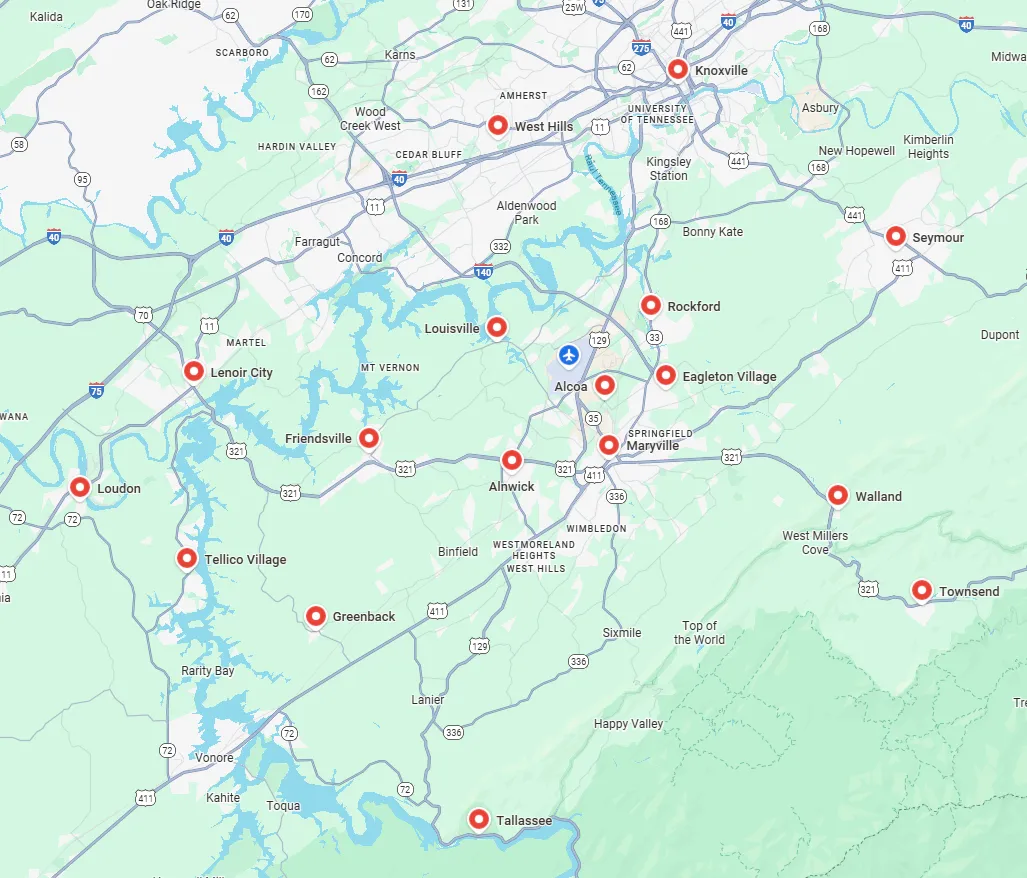
Service areas