

Heating Installation in Lousiville, TN
Choosing the right heating system for your Louisville, TN home is one of the most important decisions you'll make for year-round comfort, managing energy costs, and ensuring long-term reliability. At Everest Air Heating and Cooling, we provide expert guidance and professional installation for furnaces, heat pumps, and ductless systems designed to perfectly suit our local weather patterns, various home construction types, and your unique household needs. We'll clearly explain all the options available, walk you through the diagnostic and sizing steps we use, detail the installation process and timeline, cover permitting and code considerations for Louisville homes, and outline what to expect from warranties and financing so you can make a truly informed and confident decision. With Everest Air Heating and Cooling, comfort is assured.
-min.jpeg)
Why a local-focused heating installation matters
- Lousiville sees a full range of seasons: cold snaps in winter, mild to chilly shoulder seasons, and humid summers that influence how your home retains heat. Selecting the right system for local conditions improves comfort and reduces energy bills.
- Many area homes are older with crawlspaces, mixed ductwork, or nonstandard layouts. Local installers like Everest Air Heating and Cooling understand common regional construction details and can tailor solutions to fit existing infrastructure.
- Fuel availability and pricing in East Tennessee can vary between natural gas, propane, and electric options. An installation that considers local utility patterns helps optimize operating cost over the system life.
Introduction to heating system options for Lousiville, TN homes
Everest Air Heating and Cooling installs three primary categories of heating systems suited to Lousiville residences and small commercial spaces:
- High-efficiency furnaces
- Gas furnaces: Common in the region due to efficiency and robust heat output on very cold days. Measured by AFUE (Annual Fuel Utilization Efficiency). Modern condensing furnaces deliver AFUE ratings of 95 percent or higher.
- Electric furnaces: Simpler design, reliable, and appropriate where gas or propane is not available. Electric heat can be paired with time-of-use strategies but generally carries higher operating costs.
- Furnace selection should weigh fuel availability, duct system condition, and budget.
- Heat pumps
- Air-source heat pumps: Provide both heating and cooling in one system. Modern units perform well down to lower temperatures and are increasingly efficient for Lousiville winters, especially when paired with supplemental heat.
- Cold-climate heat pumps: Designed to maintain capacity in below-freezing temperatures. These are a strong option where homeowners want to reduce fossil fuel reliance.
- Geothermal heat pumps: Higher initial cost but the most efficient over time. Viable for properties with space for ground loops.
- Ductless Mini Split systems
- Ideal for additions, zoned rooms, older homes without ductwork, or targeted comfort control. Mini Splits deliver high efficiency and precise zone-level temperature control.
- Multi-zone systems can heat several rooms independently, which is valuable for homes with inconsistent usage patterns.
Common heating installation goals in Lousiville homes
- Consistent comfort during cold spells and rapid recovery after setbacks.
- Lower monthly heating costs through higher efficiency and correct sizing.
- Reduced maintenance and longer equipment life through proper installation practices.
- Improved indoor air quality and even temperature distribution when addressing ductwork and zoning.
Consultation and assessment: what Everest Air does first
Every quality installation starts with a thorough on-site consultation and assessment. Everest Air Heating and Cooling follows a structured approach:
- Home survey and layout review: We examine the home layout, insulation levels, windows, orientation, and existing ductwork or electrical service. Many Lousiville homes have unique features such as older framing, crawlspaces, or combined HVAC closets which influence system choice.
- Review of current utilities: We evaluate whether natural gas, propane, or electric service is present and the condition of fuel lines or supply systems, which can affect cost and installation logistics.
- Occupant comfort needs: We discuss your typical schedules, comfort preferences, and any rooms with special needs such as nurseries, home offices, or finished basements.
- Budget and lifecycle expectations: We cover short-term budget constraints and long-term ownership plans so the recommended system aligns with your financial and performance goals.
Load calculations and proper sizing
Correct sizing is critical. Oversized or undersized equipment causes comfort issues, inefficiency, and premature wear.
- Manual J load calculation: Everest Air performs a Manual J calculation to estimate the exact heating load of your home. This method factors in square footage, insulation levels, window types, local climate data for Lousiville, air infiltration estimates, and more.
- Distribution assessment: For ducted systems, we pair Manual J with Manual D duct design verification to ensure the ductwork can deliver the required airflow to each room.
- Right-sizing benefits: Properly sized equipment minimizes short cycling, reduces energy waste, improves humidity control, and extends lifespan.
Comparing system types and efficiencies
We provide side-by-side comparisons of realistic options for your property, using these performance metrics:
- AFUE for furnaces: Higher AFUE means more of the fuel becomes heating energy. Modern gas furnaces between 90 and 98 AFUE are common for those seeking strong winter performance.
- HSPF and SEER for heat pumps: Heating Seasonal Performance Factor (HSPF) measures heating efficiency for heat pumps, while Seasonal Energy Efficiency Ratio (SEER) describes cooling performance. High-efficiency heat pumps are a top choice for balanced heating and cooling needs.
- Coefficient of Performance (COP): For geothermal systems and some heat pump models, COP indicates how many units of heat are produced per unit of electricity.
- Electrical vs fuel cost perspective: Efficiency numbers are relative; the true operating cost depends on local electricity and fuel prices as well as how much heating you need during Lousiville winters.
Ductwork, zoning, and indoor air distribution
Your heating system selection often depends on the condition of your ductwork and whether zoning is advisable.
- Duct inspection and cleaning: Older ducts in Lousiville homes can be leaky, poorly insulated, or obstructed. Everest Air reviews duct condition and recommends repairs, sealing, or replacement as needed.
- Zoning systems: Zoning with dampers or multiple thermostats allows tailored heating by area, reducing waste and improving comfort in multi-level or irregularly used homes.
- Ductless alternatives: Mini Splits eliminate duct losses entirely and are a great choice where duct remediation is too costly or impractical.
Installation process and typical timeline
Everest Air Heating and Cooling follows a transparent and efficient installation process. Typical phases include:
- Pre-installation planning: Confirm equipment selection, delivery logistics, necessary permits, and any required subcontractors (electrical or gas service enhancements).
- Site preparation: Protect floors and furnishings, prepare working access, and stage equipment. For furnace installs, this may include flue or venting modifications. For heat pumps, slab or pad placement outside is prepared.
- Equipment removal and disposal: Old units are safely disconnected and removed. Materials are recycled or disposed of in accordance with local regulations.
- System installation: New unit installation includes duct connections, refrigerant charge for heat pumps, combustion venting for furnaces, safety controls, and electrical connections. Everest Air adheres to manufacturer installation guidelines and code requirements.
- Commissioning and balancing: After installation, the system is charged, controls are configured, and airflow is balanced so every room receives proper heating. Thermostat programming and user orientation are provided.
- Final inspection and paperwork: Everest Air prepares any documentation needed for local inspections or utility rebate applications and ensures all required permits are closed.
Typical timeline estimates
- Simple furnace replacement with compatible existing connections: 1 day.
- Heat pump or multi-piece changeout that requires exterior pad placement, refrigerant work, and possible line set replacement: 1 to 2 days.
- Major system changes involving duct redesign, structural modifications, or new gas line installations: several days to a week depending on scope.
Permits, codes, and safety considerations for Lousiville installations
Local permitting and code compliance protect your home, ensure safety, and can affect resale value.
- Permits: Permitting requirements vary by municipality and county within the Lousiville service area. Everest Air coordinates permit pulls and schedules inspections as part of the installation process.
- Fuel safety: For gas or propane systems, proper venting, combustion air, and leak testing are mandatory. Everest Air performs thorough testing and follows all code requirements.
- Electrical and structural: New heat pump installations may require updated electrical service or concrete pads. Any structural modifications are done to code and inspected when required.
- Warranty preservation: Proper permitting and manufacturer-compliant installation are often necessary to maintain full warranty coverage.
Warranties, manufacturer protections, and service agreements
Understanding what protections you receive is essential when investing in a new heating system.
- Manufacturer warranties: New equipment typically includes a base warranty on parts, and some models offer extended parts and labor coverage when installed by a licensed contractor. Everest Air explains each manufacturer warranty and what actions may void coverage.
- Labor and workmanship: Everest Air provides workmanship guarantees on installations performed by our technicians. This covers installation defects and workmanship issues separate from manufacturer parts warranties.
- Y.E.T.I Comfort Plan: Ongoing preventive maintenance helps keep warranties intact and preserves system efficiency. Regular Tune-Ups and inspections reduce the risk of breakdowns and prolong equipment life.
- Transferable warranties: If you plan to sell your home, some warranties can transfer to the new owner, which can be a selling point.
Financing options and budgeting for your Lousiville installation
Replacing a heating system is a significant investment. Everest Air informs customers about financing options typically available for HVAC installations without promoting specific lenders.
- Financing structures: Common options include low-interest loans, deferred payment plans, and seasonal financing that spreads cost over time.
- Long-term savings view: Higher-efficiency systems often have greater upfront cost but produce lower monthly energy bills and can increase home resale value.
- Incentives and rebates: Utility rebates, manufacturer promotions, and federal or state incentives may be available at times for high-efficiency equipment. Everest Air evaluates potential savings and helps document installations for rebate applications when applicable.
Common concerns and how Everest Air addresses them
- Concern: Will the new system really lower my bills?
Explanation: Correct sizing and a high-efficiency unit reduce wasted energy. Combined with duct sealing and thermostat optimization, many homeowners see meaningful savings. - Concern: How disruptive is installation?
Explanation: Everest Air minimizes disruption by protecting floors, using containment practices, and coordinating work to limit the time technicians are in your home. - Concern: My home is older. Can modern systems work with it?
Explanation: Yes. We evaluate duct layout, insulation, and structural factors and recommend practical solutions like ductless systems, zoned approaches, or targeted duct improvements. - Concern: What if the system is noisy?
Explanation: Proper installation includes vibration isolation, correct placement of outdoor units, and selecting models rated for quiet operation. Noise concerns are addressed during equipment selection.
Maintenance and care after installation
An installed system performs best when maintained. Everest Air advises the following straightforward practices for Lousiville homeowners:
- Seasonal Tune-Ups: Twice-yearly inspections (fall for heating, spring for cooling) catch small issues before they become major problems and help maintain efficiency.
- Filter replacement: Replace or clean filters regularly per manufacturer guidance to protect indoor air quality and reduce strain on the system.
- Keep outdoor units clear: For heat pumps and outdoor components, keep vegetation trimmed and ensure airflow around the unit is unobstructed.
- Thermostat programming: Use programmable or smart thermostats to reduce runtime when the home is unoccupied and to optimize comfort schedules.
- Monitor performance: Note gradual changes in comfort, rising bills, or unusual noises. Early service is usually less costly than major repairs.
Why Everest Air Heating and Cooling is a good fit for Lousiville installations
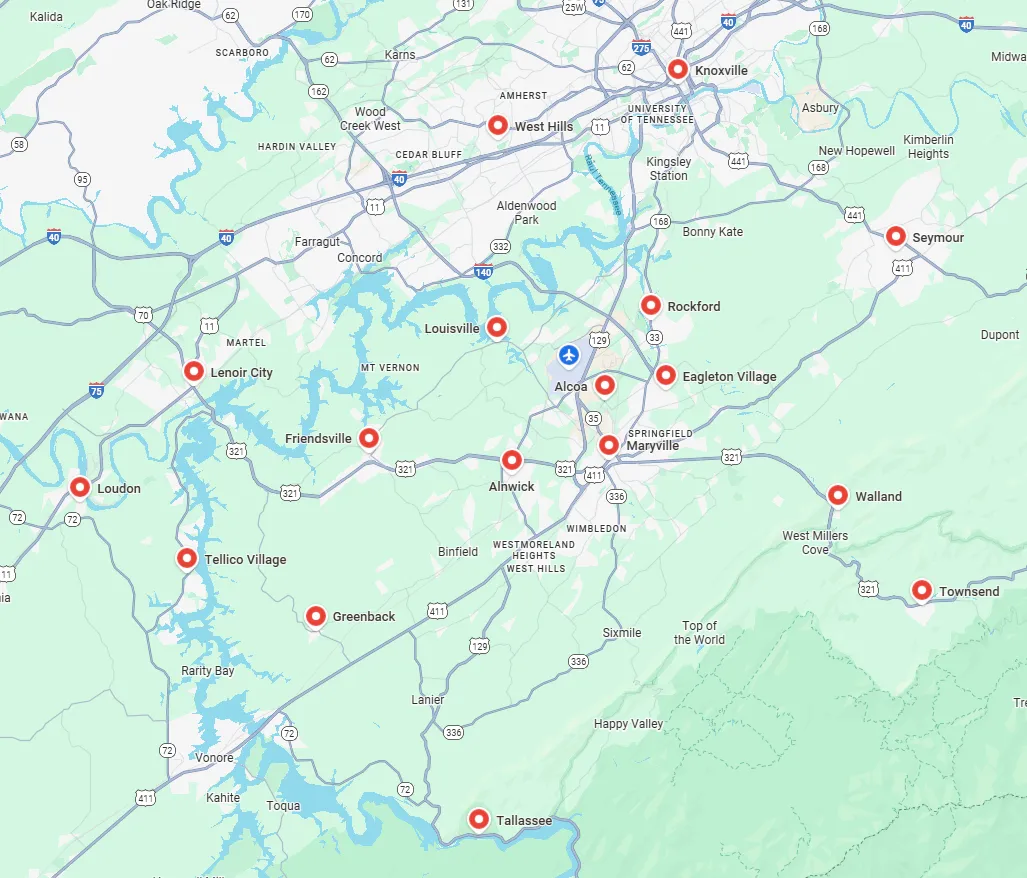
- Local expertise: Serving Blount, Loudon, Knox, and Sevier counties gives Everest Air a strong understanding of East Tennessee home construction and climate impacts.
- Transparent process: From load calculations to code compliance and warranty explanations, Everest Air provides clarity so you know what to expect at each stage.
- Focus on long-term value: Recommendations balance immediate budget concerns with total cost of ownership, energy savings, and durability.
- Family-owned approach: Our team treats customers like neighbors, aiming for practical, honest solutions rather than high-pressure sales.
Energy efficiency and long-term performance considerations
- Envelope improvements first: Insulation, air sealing, and window improvements reduce the size of the heating load, sometimes allowing a smaller, less expensive system to meet needs more efficiently.
- Controls and zoning: Smart thermostats, demand-controlled ventilation, and zoning strategies help align energy use with actual occupancy patterns in Lousiville homes.
- Lifecycle planning: Expect modern HVAC systems to last 15 to 20 years with proper maintenance. Investing in higher-efficiency equipment can be cost-effective when considering reduced energy consumption and tax or rebate incentives that may be available.
- Fuel transitions: Heat pumps present a pathway to electrification for homeowners wanting to reduce reliance on fossil fuels as local electrical grids decarbonize.
Real-world installation examples and what they demonstrate
- Example 1: Historic bungalow with no ductwork — A multi-head ductless Mini Split provided zone-specific comfort, avoided the cost of duct installation, and reduced heating bills compared to space heaters.
- Example 2: Split-level home with leaky ducts — Swapping an aging gas furnace for a high-efficiency condensing furnace and sealing the ductwork improved comfort on upper floors and cut fuel use.
- Example 3: New construction or major renovation — A cold-climate heat pump paired with a zoned control strategy achieved strong winter performance and delivered efficient cooling in summer.
What to expect on installation day
- Technicians arrive knowing your home assessment and plan.
- Work areas are protected and kept clean throughout the job.
- The old equipment is safely removed; new equipment is installed to manufacturer and code standards.
- Final checks include safety testing, airflow verification, thermostat setup, and homeowner orientation.
- Paperwork for warranties, permits, and maintenance recommendations is provided.
FAQs
Q: How do I know whether a furnace, heat pump, or ductless system is best for my Lousiville home?
A: The right system depends on your existing ductwork, fuel availability, comfort priorities, and budget. Everest Air conducts a home survey and Manual J load calculation to compare options based on efficiency ratings, operating cost estimates for local energy prices, and the structural specifics of your home.
Q: What is a Manual J load calculation and why is it necessary?
A: Manual J is the industry-standard method for calculating the heating and cooling load of a home. It considers square footage, insulation, window sizes, orientation, air leakage, and local climate data to determine the correct system size. Proper sizing prevents short cycling, improves comfort, and extends equipment life.
Q: Will installing a new heating system require permits or inspections in Lousiville?
A: Most equipment replacements and new installations do require permits and may need inspections to comply with local codes. Everest Air coordinates permit pulls and handles inspection scheduling to ensure the installation meets all code and safety requirements.
Q: How long does a typical heating installation take?
A: Simple replacements typically take a single day. Heat pump installs, multi-piece system swaps, or projects requiring duct modifications or gas line work can take one to several days. The final timeline is provided after the initial assessment and scope determination.
Q: What warranties are included with a new heating system?
A: Manufacturer parts warranties vary by brand and model; some offer extended parts coverage for higher-efficiency units. Everest Air also provides workmanship guarantees on installations. We explain all warranty terms, what actions preserve coverage, and maintenance requirements linked to warranty validity.
Q: Can I finance a new heating system?
A: Financing options are commonly available through a variety of lenders and manufacturers. Everest Air outlines typical financing structures and helps you understand how different payment options change monthly cost and long-term investment.
Q: How often should I schedule maintenance after a new installation?
A: Regular maintenance is recommended twice yearly — once in the fall for heating and once in the spring for cooling. Routine service includes filter checks, safety tests, component inspections, and airflow adjustments to keep the system operating efficiently and to protect warranty coverage.
Q: Will a high-efficiency system reduce my energy bills immediately?
A: You will likely see lower energy consumption compared to older, less efficient equipment. The degree of savings depends on local utility rates, system sizing, overall envelope efficiency, and how you use the system. Combining a high-efficiency system with proper insulation and thermostat habits maximizes savings.
Q: Are ductless systems noisy or unsightly?
A: Modern ductless Mini Splits are designed for quiet operation, and indoor units are low-profile. Installation locations can be chosen for minimal visual impact while preserving efficient airflow and comfort.
Q: What should I do if I have an old heating system but cannot replace it immediately?
A: Interim care includes scheduling a thorough Tune-Up, replacing filters, addressing leaks or draft sources, and considering temporary supplemental heat to maintain comfort while planning a replacement. Everest Air provides guidance on short-term steps to stay safe and comfortable until a full replacement is feasible.
hear what our satisfied clients have to say

David P.
Service areas