

Heating Tune-Up in Eagleton Village, TN
A heating Tune-Up isn't just a service; it's that essential step that keeps your home warm, safe, and efficient right when you need it most. Here in Eagleton Village, TN, where winters can dramatically swing from mild to brisk, and humidity and pollen actively influence your indoor air and equipment, a truly thorough heating Tune-Up is key. It's what prevents those inconvenient mid-season breakdowns, significantly boosts your comfort, and extends the overall life of your system. At Everest Air Heating and Cooling, we specialize in comprehensive heating Tune-Ups specifically designed for our local conditions, meticulously focusing on inspecting and cleaning core components, performing crucial safety and efficiency checks, calibrating your thermostat, making minor adjustments, and providing practical recommendations that drastically reduce the likelihood of seasonal failures.
Why a heating Tune-Up matters for Eagleton Village homes
Homes in Eagleton Village face unique HVAC challenges tied to East Tennessee climate and housing stock. Cold snaps are common, outdoor units may accumulate leaves and pollen in spring and fall, and older homes often have aging ductwork or insulation issues that increase the heating load. A Tune-Up addresses those variables by optimizing system performance before demand rises, which helps avoid emergency repairs in the coldest months and protects indoor air quality when allergens are active.
Common reasons homeowners choose a Tune-Up:
- Prevent seasonal breakdowns during peak heating demand
- Improve energy efficiency and lower monthly heating costs
- Confirm safe operation and reduce carbon monoxide risk
- Identify minor issues before they become costly repairs
- Maintain manufacturer requirements for warranties and ensure long equipment life
Common heating system issues in Eagleton Village, TN
Residents typically bring these problems to our attention during fall and early winter checkups:
- Uneven heating between rooms, often due to restricted airflow or duct leaks
- Short cycling on furnaces or heat pumps caused by dirty filters, improper thermostat settings, or electrical issues
- Weak airflow resulting from clogged filters, blocked vents, or failing blower motors
- Pilot failure, ignition issues, or delayed starts in gas furnaces
- Increased allergy or respiratory symptoms from accumulated dust and pollen in ducts and filters
- Corrosion or moisture-related wear from humid summers and fluctuating temperatures
Understanding these common problems helps a technician prioritize inspection items during a Tune-Up and tailor maintenance for your home.
What a detailed heating Tune-Up covers
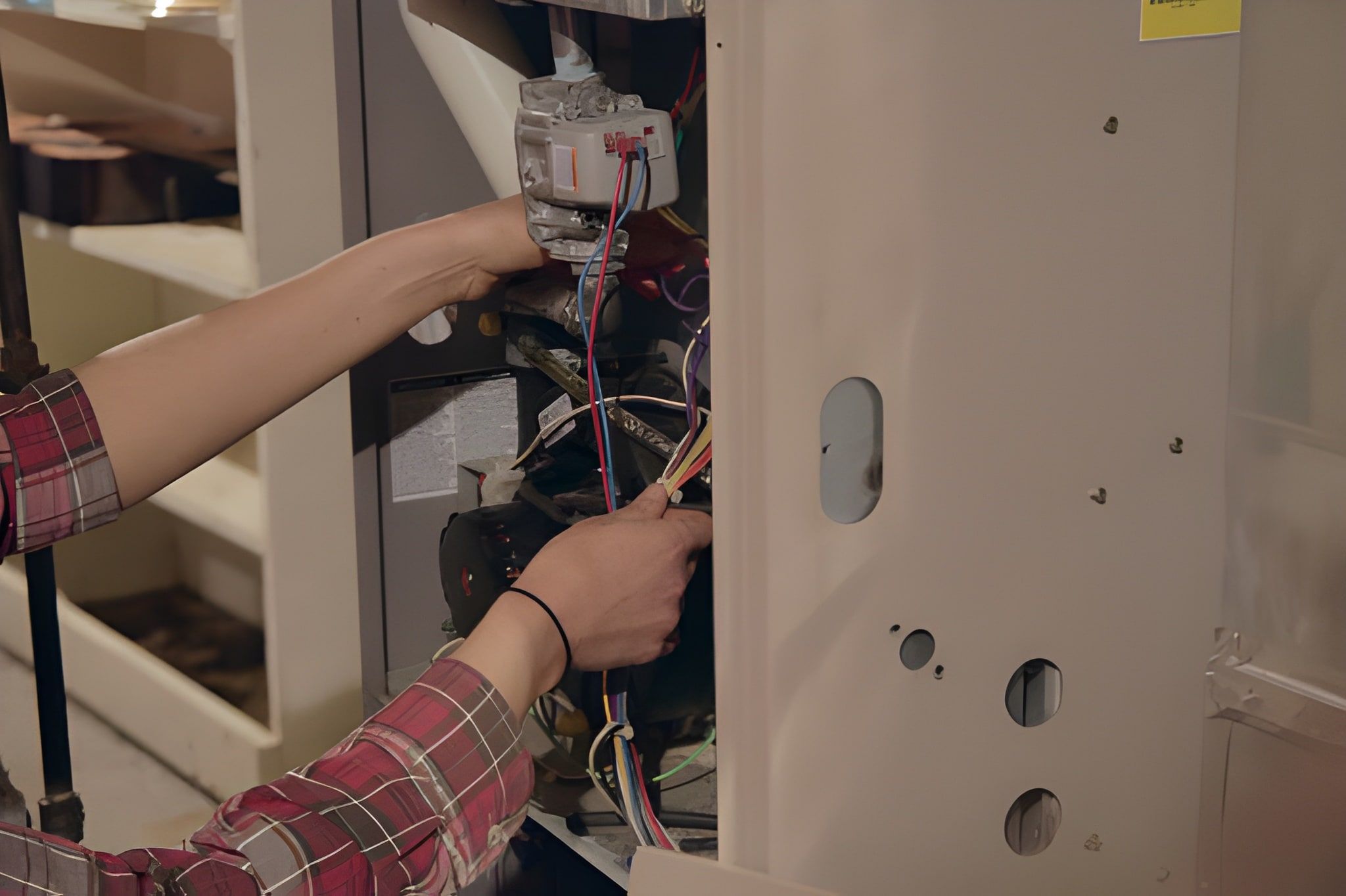
A professional Tune-Up is more than a filter swap. Everest Air Heating and Cooling follows a detailed, systematic checklist that covers safety, efficiency, and performance. Below is what a comprehensive visit typically includes for residential heating systems in Eagleton Village.
Visual inspection and system health assessment
- Check system age, model, and recent service history
- Inspect visible ductwork and registers for damage, insulation gaps, and debris
- Evaluate thermostat type and placement for accurate readings
Safety checks (critical priorities)
- Inspect heat exchanger for cracks, corrosion, or signs of leakage that could allow carbon monoxide into the home
- Test carbon monoxide and combustion safety where applicable
- Verify proper venting and flue condition to ensure exhaust gasses are leaving safely
- Inspect gas lines for leaks and correct pressure ranges on gas-fired systems
- Confirm safe operation of ignition systems or pilot assemblies
Electrical and control inspection
- Tighten all electrical connections and terminals to prevent arcing and premature failures
- Test voltage and amperage on motors and compressors to verify proper load
- Inspect and test safety switches, limit controls, and relays
- Confirm thermostat control signals and check for correct wiring and battery status if applicable
Airflow and distribution
- Measure and evaluate blower motor performance and fan speeds
- Inspect and clean blower wheel and housing to restore optimal airflow
- Check and adjust belt tension on systems that use belts
- Inspect supply and return registers for restrictions; recommend a zoning assessment if needed
Combustion and efficiency checks (gas systems)
- Observe ignition cycle and flame characteristics to ensure proper combustion
- Check burner operation and clean burners if necessary
- Verify proper draft and flue temperatures to ensure efficient venting
Heat pump specific tasks (if applicable)
- Inspect reversing valve and test defrost control operation
- Check refrigerant lines for signs of wear or leaks
- Measure superheat and subcooling where needed to infer refrigerant charge health
- Verify outdoor coil cleanliness and clear surrounding area of debris or vegetation
Cleaning core components
- Replace or clean air filters; when reusable filters are present, they are cleaned and inspected
- Clean the indoor coil and accessible cabinet areas to remove dust and pollen buildup
- Clean burners, pilot assemblies, and ignition components on gas units
- Remove debris from the outdoor unit, clear condensate drains and pan, and ensure proper drainage
Thermostat calibration and control optimization
- Calibrate thermostats to ensure temperature readings match actual indoor conditions
- Evaluate programmable or smart thermostats and recommend settings to balance comfort and efficiency
- Inspect wiring and check for interference with remote sensors or zoning controls
Minor adjustments and on-the-spot repairs
- Tighten loose fasteners and mounting hardware
- Lubricate motors and moving parts where required
- Re-secure duct connections and install temporary fixes for small gaps that hamper airflow
- Replace minor consumables like filters and single-use safety fuses when appropriate
Final performance checks and homeowner briefing
- Run the system through full heating cycles to confirm steady operation and even temperatures
- Compare before-and-after performance observations related to airflow, temperature rise, and system noise
- Provide clear recommendations for items needing attention in the near term and outline maintenance intervals
Typical small repairs and adjustments performed during a Tune-Up
A proactive Tune-Up often includes minor repairs that are quick to perform but yield big benefits:
- Replacing a clogged filter and cleaning the filter housing
- Tightening loose electrical connections or replacing contactors showing wear
- Lubricating motor bearings and replacing worn belts
- Adjusting flame sensor or pilot assemblies for reliable ignition
- Re-securing duct tape and insulating exposed duct segments
- Clearing condensate line blockages to prevent water overflow and microbial growth
These minor fixes reduce system strain, improve reliability, and often prevent a service call during extreme weather.
How Tune-Ups tie into preventative maintenance plans
A single Tune-Up is valuable, but consistent seasonal maintenance provides the greatest protection. Everest Air Heating and Cooling integrates Tune-Ups into the Y.E.T.I Comfort Plan, which includes fall and spring checkups designed to address seasonal transitions. Regular maintenance offers advantages that are especially meaningful in Eagleton Village:
- Predictable, scheduled checkups align with local seasonal cycles: fall heating prep eliminates surprises during early cold snaps; spring cooling prep preserves summer performance
- Priority scheduling and routine inspections reduce response time when issues arise
- Tracking service history helps identify slow-developing problems like a compressor losing efficiency or a heat exchanger developing hairline cracks
- Small, regular investments in Tune-Ups reduce the total cost of ownership by catching issues early and maintaining efficiency
Preventive maintenance also supports warranty requirements on many HVAC systems. Following a documented Tune-Up schedule keeps equipment manufacturer warranties valid and protects homeowners from denied claims.
Recommendations to avoid seasonal breakdowns in Eagleton Village
Preventive action at home complements professional Tune-Ups. These recommendations reflect local conditions and common failure triggers:
- Replace or clean filters every 1 to 3 months during high-use seasons to prevent airflow restriction from pollen and dust
- Keep outdoor units clear of leaves, mulch, and overgrowth; establish a 2 to 3 foot clearance zone to reduce airflow restriction and debris ingestion
- Seal and insulate attic and crawlspace ductwork to reduce heat loss and keep the blower from overworking
- Schedule pre-winter Tune-Ups to inspect heat exchangers and gas components before extended cold periods
- Install a programmable thermostat and set reasonable setbacks to reduce runtime without sacrificing comfort
- Check attic and crawlspace insulation levels; improving insulation reduces demand on the heating system
- Address persistent hot or cold spots with a duct inspection and possible sealing or balancing
These steps reduce the chance of avoidable mid-winter failures and keep energy costs under control.
Expected benefits and return on a professional heating Tune-Up
A well-executed heating Tune-Up delivers measurable benefits:
- Improved energy efficiency: homeowners often see reduced energy usage because systems run more efficiently after cleaning and calibration
- Increased comfort: consistent temperatures and better airflow reduce cold spots
- Enhanced safety: combustion and carbon monoxide checks mitigate serious safety risks
- Fewer breakdowns: proactive repairs and inspections greatly decrease emergency service calls during cold weather
- Extended equipment life: routine maintenance reduces wear and preserves major components longer
- Better indoor air: cleaner filters and coils reduce dust, pollen, and allergens circulating in the home
While exact savings vary by system age and condition, maintaining clean, properly adjusted equipment typically reduces avoidable energy waste and repair expenses over time.
What makes a quality Tune-Up: Everest Air Heating and Cooling approach
Everest Air Heating and Cooling brings a local, family-operated perspective to each Tune-Up. The approach emphasizes:
- Thoroughness: every system is inspected and tested systematically, not just superficially checked
- Safety-first mindset: technicians prioritize combustion safety and electrical integrity
- Local knowledge: technicians understand how East Tennessee climate cycles, pollen seasons, and older housing affect HVAC performance
- Documentation: service findings and recommendations are recorded so homeowners have a clear history of work performed
- Integration with preventative plans: Tune-Ups are designed to align seamlessly with ongoing maintenance programs like the Y.E.T.I Comfort Plan
This combination of technical care and local insight helps Eagleton Village homeowners feel confident their systems are prepared for the season ahead.
Frequently asked questions
Q: How often should I schedule a heating Tune-Up for my Eagleton Village home?
A: Annual Tune-Ups are recommended for most residential heating systems. For older systems or homes with pets, allergies, or high dust levels, twice-a-year visits (fall and spring) provide extra protection and align with the Y.E.T.I Comfort Plan schedule.
Q: Will a Tune-Up fix heating that is uneven or rooms that stay cold?
A: A Tune-Up will diagnose airflow and distribution issues and often resolve minor causes like clogged filters, dirty blower wheels, or duct leaks. For persistent uneven heating, additional services such as duct sealing or system balancing may be recommended.
Q: How long does a professional heating Tune-Up usually take?
A: A comprehensive residential Tune-Up typically takes between 60 and 90 minutes depending on system type and condition. If additional repairs are needed, that can extend the time.
Q: Is a Tune-Up worth it for an older furnace or heat pump?
A: Yes. Tune-Ups for older equipment can improve performance and safety, and help homeowners decide if repair or replacement is more cost effective. Regular maintenance can extend usable life and ensure safe operation.
Q: Do technicians check for carbon monoxide and combustion safety?
A: Yes. Safety checks including heat exchanger inspection, venting verification, and combustion testing are core components of a professional Tune-Up to protect household safety.
Q: Can a Tune-Up improve my system efficiency and lower heating bills?
A: Yes. Cleaning coils, replacing filters, and calibrating controls reduce system strain and typically improve efficiency. While results depend on system condition and insulation, many homeowners see measurable improvements.
Q: Does a Tune-Up include filter replacement?
A: Filter replacement is part of a Tune-Up when filters are accessible and appropriate. For specialty or hard-to-find filters, a technician will recommend the right size and type for ongoing replacement.
Q: Are Tune-Ups part of the Y.E.T.I Comfort Plan?
A: Yes. Tune-Ups are integrated into preventive maintenance plans like the Y.E.T.I Comfort Plan to provide scheduled fall and spring checkups, helping maintain peak performance and reliability.
Q: What are signs my heating system needs a Tune-Up right now?
A: Signs include unusual noises, higher energy bills, frequent cycling, uneven heating, visible dust accumulation on vents, and any odor of gas or persistent combustion smell. These warrant prompt inspection.
Q: Will a Tune-Up disturb my home?
A: Professional technicians perform Tune-Ups with care to minimize disturbance. The work is normally performed with the homeowner present or with clear report-back, and technicians leave work areas clean.
A well-executed heating Tune-Up is an investment in comfort, safety, and long-term savings for Eagleton Village homes. Everest Air Heating and Cooling combines local expertise and systematic service to make each visit meaningful: cleaning and inspecting core components, verifying safety and efficiency, calibrating controls, making minor adjustments, and offering practical recommendations that reduce seasonal failures. Regular Tune-Ups, paired with sensible homeowner practices, keep your heating system reliable through East Tennessee winters and protect your home against avoidable emergencies.
hear what our satisfied clients have to say

David P.
Service areas