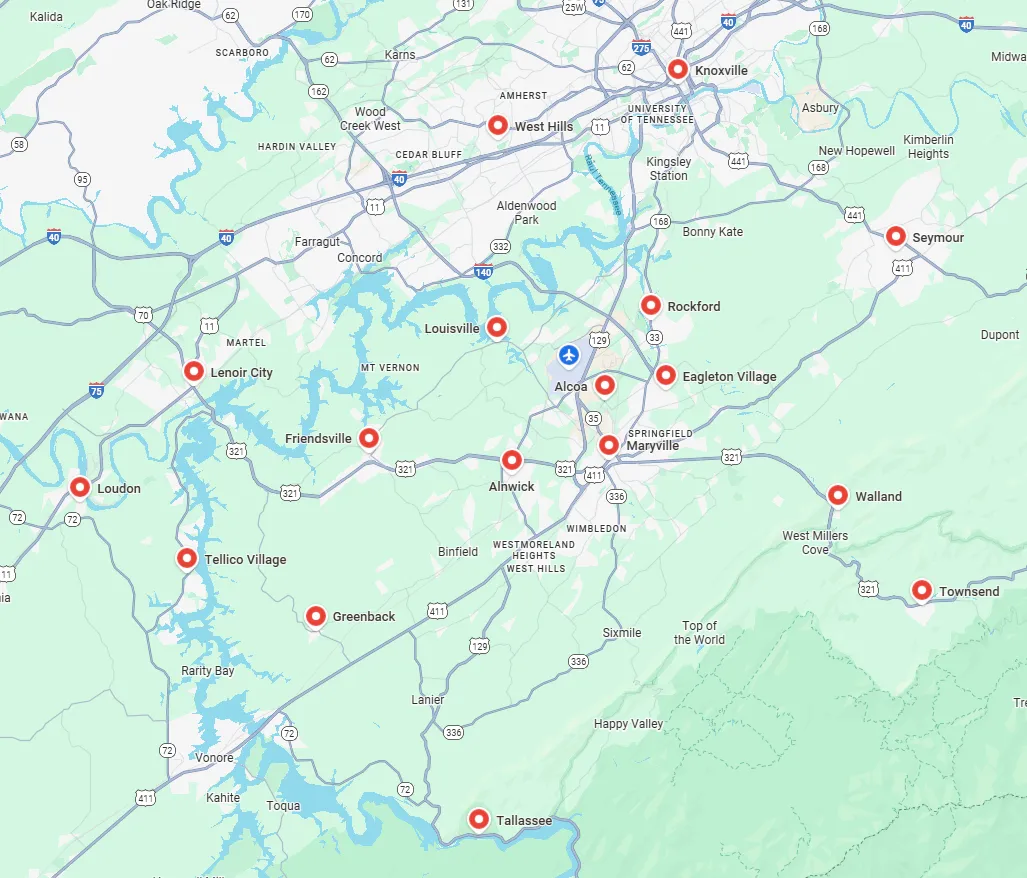


Heating Replacement in Eagleton Village, TN
When your heating system just isn't keeping your Eagleton Village home comfortable anymore, deciding to replace it is truly one of the most important investments you'll make for your home. Everest Air Heating and Cooling brings experienced, local HVAC expertise to heating replacement right here in Eagleton Village, TN. Our focus is on providing lasting comfort, improved energy efficiency, and solutions specifically built for our regional climate. We'll walk you through the key signs it's time for a replacement, compare the available heating technologies and their efficiencies, explain the replacement workflow step by step, summarize commonly available financing and rebate options, and outline the real comfort and cost-saving benefits you can truly expect after a replacement with us.
.jpeg)
Why heating replacement matters in Eagleton Village, TN
- Eagleton Village sits in a climate with moderate winters and occasional cold snaps. While winters are not as severe as in the Northeast, prolonged chilly nights and damp conditions can make inefficient systems struggle.
- Aging or failing systems produce uneven heating, higher energy bills, and comfort gaps between floors and rooms. Replacing an outdated system often reduces operating costs while delivering steadier warmth and better indoor air quality.
- Modern systems are designed to perform efficiently in our climate and to integrate with zoned controls, humidification, and improved filtration for whole-home comfort that matches local needs.
Common signs it is time to replace your heating system
- System age: Most gas furnaces last 15 to 20 years. Heat pumps typically last 10 to 15 years depending on usage. If your unit is in or beyond these ranges, replacement should be strongly considered.
- Rising utility bills despite routine maintenance: Declining efficiency means more energy is required to reach the same temperature.
- Frequent repairs: When repair costs add up year after year, replacement may be more cost effective.
- Uneven heating or rooms that never get warm: This can indicate the system is underpowered, the ductwork is compromised, or the equipment no longer performs to spec.
- Short cycling: The system turns on and off frequently. This stresses components and reduces efficiency.
- Strange odors, excessive dust, or visible rust and corrosion: These are signs of deterioration that can affect safety and indoor air quality.
- Safety indicators: Cracked heat exchangers, pilot problems, or elevated carbon monoxide readings are immediate reasons to retire a system.
Comparing heating technologies and efficiencies for Eagleton Village homes
Choosing the correct replacement technology depends on your home, budget, and comfort goals. Below are the common options and how they perform in our area.
Gas furnaces
- How they work: Burn natural gas to heat air, which is distributed through ducts.
- Efficiency metric: AFUE (Annual Fuel Utilization Efficiency). Older furnaces may be 60 to 80 percent AFUE; modern high-efficiency condensing furnaces reach 95 percent AFUE or higher.
- Pros: Strong performance in cold snaps, familiar technology for many Eagleton Village homes, and fast recovery times.
- Cons: Requires gas line and ventilation; higher initial cost for condensing models; combustion appliances require annual safety checks.
- Typical benefits after replacement: Reduced gas usage with high AFUE units, quieter operation, and better temperature consistency.
Air-source heat pumps (including ducted and ductless Mini Splits)
- How they work: Move heat between indoor and outdoor units. Modern heat pumps can both heat and cool.
- Efficiency metric: HSPF for heating performance; EER and SEER for cooling. Coefficient of performance (COP) is another measure of heating effectiveness.
- Pros: Excellent year-round efficiency in mild to moderate climates like East Tennessee; lower operating costs when replacing electric resistance systems; ductless options offer room-by-room control.
- Cons: Performance can drop in extreme cold. Cold-climate heat pumps and hybrid systems address this.
- Typical benefits after replacement: Significant reductions in electricity used for heating compared to electric furnaces, plus integrated cooling with one system.
Hybrid systems (dual fuel)
- How they work: Combine a heat pump with a gas furnace. The system switches to the most efficient fuel source based on outdoor temperatures.
- Pros: Best of both worlds for regions with variable winters. Heat pump handles mild temps; furnace engages in very cold weather.
- Cons: Higher upfront cost and more complex controls.
- Typical benefits after replacement: Optimized efficiency across seasons and improved comfort during cold snaps.
Electric furnaces and baseboard
- How they work: Resistive electric elements produce heat.
- Efficiency metric: Nearly 100 percent conversion of electricity to heat, but high electricity cost makes them expensive to operate.
- Pros: Simple installation, safe for homes without gas.
- Cons: High operating costs in Tennessee unless paired with low-cost electricity plans or solar.
- Typical benefits after replacement: When replaced with a heat pump, homeowners often see large operating cost reductions.
Boilers
- How they work: Hot water or steam circulates through radiators or radiant floors.
- Efficiency metric: AFUE rating for boilers.
- Pros: Comfortable radiant heat and long equipment life.
- Cons: Higher upfront cost for hydronic systems; requires piping and boiler room space.
- Typical benefits after replacement: Improved zone control and steady radiant comfort.
How to evaluate efficiency claims
- Look for AFUE on furnaces and boilers, HSPF and SEER/EER on heat pumps, and ENERGY STAR ratings where applicable.
- Equipment efficiency is one part of the picture. Proper sizing and installation, matched components, and ductwork condition make a larger real-world difference than a few percentage points on paper.
The replacement workflow: Step-by-step so you know what to expect
- Initial assessment and estimate
- A trained technician inspects your existing system, reviews your comfort concerns, and evaluates the home. This includes verifying equipment age, ductwork condition, combustion safety, and fuel availability.
- A Manual J load calculation is performed to determine the correct system size based on square footage, insulation, windows, orientation, and occupancy. Proper sizing prevents short cycling and improves comfort.
- The technician presents equipment options with efficiency comparisons, lifecycle expectations, and an outline of the installation plan.
- Equipment selection and system design
- Select the technology that best matches your home and climate needs: high-efficiency furnace, heat pump, hybrid, or boiler.
- Choose matched components: air handler, outdoor unit, controls, and compatible thermostats. Include filtration and humidity control options if desired.
- If necessary, plan for ductwork upgrades, zoning, or modifications for a ductless solution.
- Permitting and scheduling
- Local permits and inspection may be required for combustion appliances or refrigerant work. This step ensures installations meet code and safety standards.
- Preparation and removal
- On installation day, technicians protect floors and furnishings and disconnect the old equipment safely.
- Old equipment is removed and responsibly disposed of according to regulations.
- Installation of new equipment
- Technicians install the new furnace, heat pump, or boiler and set up related components like condensate drains, flue piping, refrigerant lines, and electrical connections.
- Ductwork repairs, sealing, and insulation are completed if part of the scope.
- Thermostats and controls are wired and programmed.
- System start up and calibration
- The system is charged, powered up, and initial settings are verified.
- For gas appliances, combustion testing and CO checks confirm safe operation.
- For heat pumps, refrigerant charge, defrost controls, and reversing valve operation are confirmed.
- Performance testing and documentation
- Airflow, static pressure, temperature rise (for furnaces), and temperature split (for heat pumps) are measured.
- Electrical loads, safety switches, and refrigerant pressures are verified.
- Installers document serial numbers and warranty registration details.
- Homeowner orientation and cleanup
- The installer reviews operation, filter replacement schedules, thermostat programming, and maintenance needs.
- Work areas are cleaned and waste removed.
- Follow up and maintenance recommendations
- A post-install performance verification or seasonal check ensures the system continues to meet expectations. Enrollment in a maintenance plan extends equipment life and sustains efficiency.
Key performance and safety tests performed at installation
- Combustion and CO testing for gas systems
- Temperature rise across the heat exchanger
- Static pressure and airflow measurements
- Refrigerant charge and superheat/subcooling verification
- Electrical amperage and voltage checks
- Thermostat calibration and control logic verification
Expected comfort improvements and cost-saving benefits
- Lower energy bills: Replacing an old furnace with a modern 95 percent AFUE model can reduce gas usage noticeably. Replacing electric resistance or an inefficient heat pump with a modern high-efficiency heat pump can lower heating electricity by 30 to 60 percent depending on usage patterns and rates.
- More even temperatures: Properly sized equipment, matched components, and duct sealing reduce hot and cold spots.
- Faster recovery times: New equipment often brings quicker warm-up cycles and improved humidity control.
- Improved indoor air quality: New air handlers can support higher-efficiency filters and UV or electronic air cleaners to reduce dust and allergens.
- Reduced repair expense and increased reliability: New systems come with warranty protections and reduced likelihood of unexpected failures.
- Long term value: A modern, efficient system increases home resale appeal and reduces lifetime operating costs.
Realistic savings estimates and variables
- Savings depend on current system type, fuel costs, home envelope efficiency, thermostat settings, and occupancy.
- Example ranges:
- Replacing a 60 percent AFUE furnace with a 95 percent AFUE unit: 15 to 30 percent reduction in heating fuel consumption depending on climate severity and thermostat habits.
- Replacing electric resistance heating with an efficient heat pump: 30 to 60 percent reduction in heating energy use in many cases.
- Replacing an older heat pump with a modern cold-climate heat pump: 10 to 40 percent savings depending on the age and performance of the original unit.
- Duct leakage, poor insulation, and thermostat setbacks can erode savings if not addressed.
Financing and rebate information for Eagleton Village residents
- Financing options: Many homeowners finance HVAC replacements through installment loans, home improvement loans, or manufacturer and dealer financing programs. Terms vary by lender and credit profile. Financing spreads upfront cost over time while new system savings can offset monthly payments.
- Utility rebates and local incentives: Local utilities, state programs, and regional energy providers sometimes offer rebates or incentives for high-efficiency furnaces, heat pumps, and insulation or duct sealing. These incentives vary in availability and eligibility.
- Federal tax incentives: From 2022 onward, federal energy incentives have supported certain high-efficiency heat pumps and electrification projects. Eligibility, qualifying equipment lists, and credit amounts change over time, so verify current rules when planning a replacement.
- Manufacturer rebates: Equipment manufacturers periodically offer rebates for qualifying units and configurations.
- Important note: Incentives and financing offer significant opportunities to reduce net cost, but availability and terms change. It is common for installers and dealers to help homeowners identify applicable rebates and to provide documentation necessary for applications and tax credits.
Preparing your Eagleton Village home for replacement day
- Clear the work area: Move items away from furnaces, air handlers, and outdoor condensing units for technician access and protection.
- Provide safe access: Ensure crawlspaces, basements, and outdoor units are accessible; remove pets from work areas.
- Identify preferences: Decide on thermostat locations and desired control features beforehand to avoid delays.
Common replacement add-ons and upgrades to consider
- Variable speed or two-stage blowers for improved comfort and quieter operation
- Zoning systems for multi-level or irregularly used homes to reduce energy waste
- High-efficiency filtration to improve indoor air quality
- Smart thermostats or Wi-Fi controls for better scheduling and monitoring
- Duct sealing and insulation to maximize system performance
- Attic and wall insulation improvements to reduce heating load
Long term care and maintenance to protect your investment
- Annual or biannual Tune-Ups: Combustion systems and heat pumps perform best with scheduled inspections and cleanings.
- Replace filters regularly: Every 1 to 3 months depending on filter type and household factors.
- Keep outdoor units clear: Clear leaves, debris, and snow from heat pump condensing units for proper airflow.
- Monitor for unusual sounds, odors, or changes in comfort and address early to prevent larger failures.
- Consider enrollment in a maintenance plan to ensure seasonal checks and priority service.
Common heating replacement issues in Eagleton Village, TN and how to avoid them
- Oversizing the replacement unit: Oversized furnaces and heat pumps short cycle, reduce comfort, and increase wear. Always require a Manual J load calculation.
- Ignoring ductwork condition: New high-efficiency equipment cannot deliver expected savings if ducts leak or are poorly insulated.
- Skipping permits and inspections: Proper permitting ensures safety and code compliance.
- Not matching components: Mixing incompatible outdoor and indoor units or mismatched controls reduces performance and can void warranties.
- Underestimating additional needs: Radiant systems, hydronic piping, or distribution upgrades may be needed in older homes.
How Everest Air Heating and Cooling approaches heating replacement in Eagleton Village
- Local knowledge: We understand East Tennessee weather patterns and common home construction in Eagleton Village, TN, including how humidity and night time temperature swings affect system selection.
- Thorough diagnostics: We perform full system assessments, load calculations, and duct inspections before recommending equipment.
- Transparent system choices: We explain the benefits and tradeoffs of furnaces, heat pumps, hybrids, and boilers so homeowners can decide with confidence.
- Professional installation standards: Proper installation is essential for achieving rated efficiencies and longevity. Extensive startup testing and safety checks are part of the process.
- Ongoing support: Maintenance plans and documented service recommendations help preserve performance and extend equipment life.
FAQs
Q: How long does a heating replacement typically take?
A: Most straightforward furnace or heat pump replacements are completed in one day, typically 4 to 10 hours depending on complexity. More involved jobs that require duct modifications, electrical upgrades, or new flue connections can take 1 to 2 days.
Q: Will replacing my heating system save money right away?
A: You can expect immediate improvements in comfort and often lower monthly energy bills. The size of savings depends on your previous system efficiency, fuel costs, and home insulation. In many cases, homeowners see a noticeable drop in heating costs the first season after replacement.
Q: Should I choose a heat pump or a gas furnace for my Eagleton Village home?
A: The choice depends on your priorities. Heat pumps offer high year-round efficiency and lower electricity usage in mild winters, while gas furnaces provide rapid heat during very cold spells. Hybrid systems combine both. Your home layout, existing ductwork, and fuel availability influence the best option.
Q: Are there rebates for upgrading to a high-efficiency system in Tennessee?
A: Rebates and incentives are available from utilities, manufacturers, and at the federal level from time to time. They change frequently, so check current programs when planning a replacement. Documentation from your installer will be necessary for most rebate claims.
Q: What maintenance does a new system require to keep warranty valid?
A: Most manufacturers require annual or biannual professional maintenance to maintain warranty coverage. Filter changes, visual inspections, and documented Tune-Ups are standard requirements.
Q: Can you improve a poorly performing duct system during replacement?
A: Yes. Duct sealing, insulation, and targeted repairs are common parts of a replacement project. Improving ducts can increase comfort and maximize system efficiency, often delivering a better return on investment than equipment upgrades alone.
Q: How can I get the most efficient configuration for my home?
A: Require a Manual J load calculation, consider matched components, address ductwork, and include zoning or variable speed options when appropriate. A system designed to your house, not a generic recommendation, delivers the best long-term efficiency.
Q: What safety checks are performed on gas furnace installations?
A: Technicians perform combustion efficiency testing, inspect venting and clearances, test for carbon monoxide, verify pilot or ignition systems, and check gas pressure and connections to ensure safe operation.
Q: How do heat pump defrost cycles affect comfort in winter?
A: Modern heat pumps use occasional defrost cycles to remove frost buildup on the outdoor coil. These cycles are brief and automatic. Properly sized units and cold-climate models minimize defrosting impact on indoor comfort.
Q: How long will a new heating system last?
A: With proper maintenance, gas furnaces typically last 15 to 20 years, heat pumps 10 to 15 years, and boilers 15 to 25 years. Component quality, installation, and care influence lifespan.
hear what our satisfied clients have to say

David P.
Service areas