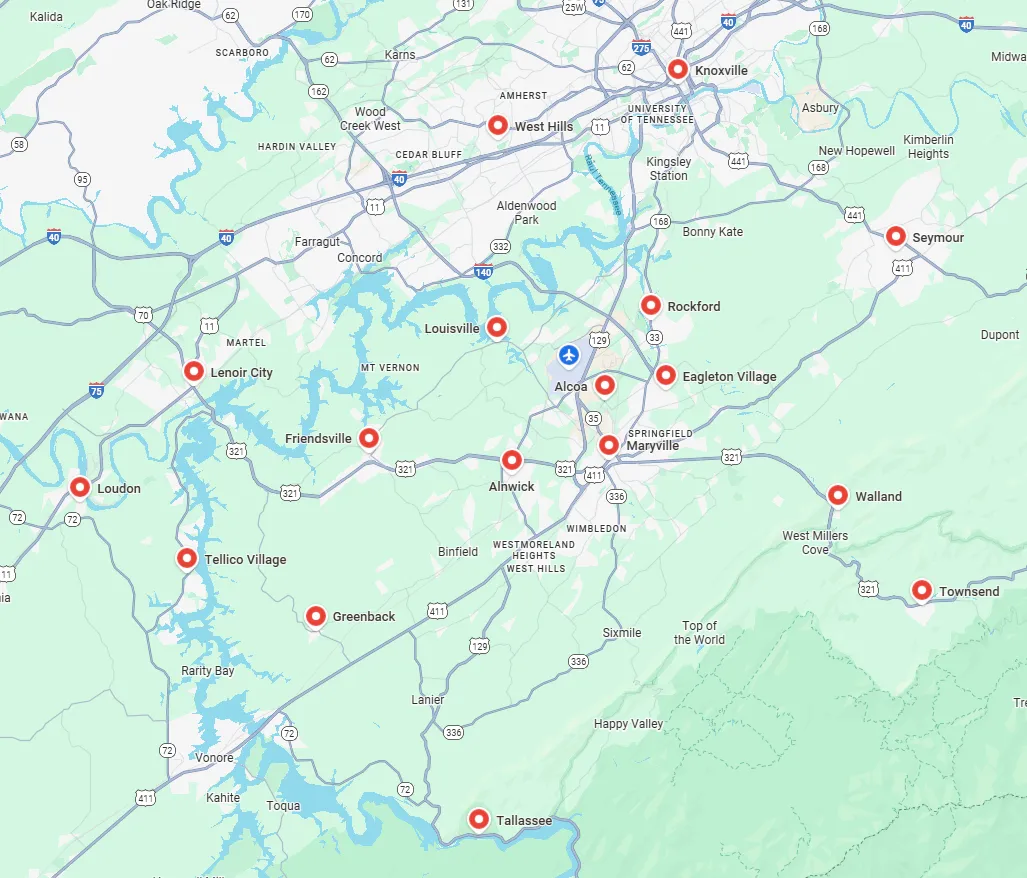


Heating Service in Eagleton Village, TN
Keeping your home or business perfectly comfortable through those cold snaps and unpredictable Tennessee winters really hinges on reliable, well-maintained heating equipment. That's why Everest Air Heating and Cooling offers comprehensive heating service in Eagleton Village, TN, for both residential and commercial customers. This includes routine maintenance, in-depth system diagnostics, expert repairs, thorough duct checks, and personalized recommendations for ongoing service agreements. We'll walk you through common heating problems we see in Eagleton Village homes and businesses, explain the diagnostic process our skilled technicians use, detail your repair and replacement options, discuss ductwork considerations, and show you how a proactive maintenance plan from Everest Air Heating and Cooling significantly improves comfort, enhances safety, and saves you money in the long run.
.jpeg)
Why focused heating service matters in Eagleton Village, TN
Eagleton Village and the surrounding Knoxville area experience humid summers and cool to cold winters with occasional subfreezing nights. That mix puts specific demands on heating systems: heat pumps often work year round for cooling and heating, gas furnaces cycle through heavy loads during cold snaps, and older homes with crawlspaces or uninsulated ducts can lose a lot of heat. Seasonal pollen and higher indoor humidity in spring and fall also affect indoor air quality and HVAC performance.
Local housing stock in Eagleton Village ranges from newer subdivisions to older homes with aging ductwork and insulation. That means common issues here include duct leaks, blocked return air pathways, and systems that are undersized or improperly balanced for today’s comfort expectations. Addressing these location-specific conditions through targeted heating service in Eagleton Village, TN prevents emergency breakdowns and keeps systems running efficiently when you need them most.
Common heating service issues in Eagleton Village, TN
- Uneven heating between rooms, often caused by duct leaks, closed or blocked vents, or poor system zoning
- Frequent cycling on and off, indicating thermostat, control board, or airflow problems
- Reduced heat output from furnaces or heat pumps due to dirty filters, worn components, or low refrigerant in heat pumps
- Strange sounds such as rattling, banging, or high-pitched squeals that point to loose parts, failing bearings, or airflow restrictions
- Rising energy bills without an increase in comfort, often the result of declining system efficiency or duct losses
- Pilot light or ignition failures on older gas furnaces and safety switch issues on modern units
- Carbon monoxide risk from cracked heat exchangers, blocked flues, or improper combustion on gas-fired equipment
- Poor indoor air quality tied to dirty ducts, high humidity, and contamination from attic or crawlspace air
Types of heating services offered
Everest Air Heating and Cooling delivers a full range of heating services in Eagleton Village, TN for both homes and businesses:
- Routine maintenance and seasonal Tune-Ups (fall heating inspections and spring cooling checks)
- Comprehensive system diagnostics and performance testing
- Emergency and scheduled repairs for furnaces, heat pumps, boilers, ductless Mini Split systems, and packaged rooftop units
- Duct inspections, sealing, insulation, and balancing
- Thermostat calibration and smart thermostat upgrades
- Safety checks including carbon monoxide testing and combustion analysis for gas equipment
- Recommendations for system replacement and equipment sizing when repair is not cost effective
- Service agreements such as the Y.E.T.I Comfort Plan to keep equipment maintained year round
What a diagnostic visit looks like
A structured diagnostic process saves time and uncovers root causes rather than applying temporary fixes. Typical steps during a heating service diagnostic in Eagleton Village include:
- Visual inspection of equipment, thermostat, and visible ductwork to identify leaks, corrosion, loose panels, or animal damage.
- Filter and airflow check to determine if restricted airflow is contributing to inefficiency or component stress.
- Measurement of supply and return temperatures to assess heat rise and system performance against manufacturer specifications.
- Combustion analysis on gas furnaces when indicated to verify proper fuel-to-air ratio and safe venting.
- Refrigerant charge and component checks for heat pumps, including compressor amps, reversing valve function, and defrost controls.
- Electrical inspection for voltage, amp draw, and worn or failing components such as capacitors, motors, and relays.
- Duct leakage and pressure testing when uneven heating or high energy use is suspected.
- Thermostat and control verification to confirm proper set points, wiring, and communications with equipment.
- Prioritization of repairs with explanations of safety issues, cost-efficient fixes, and longer term replacement considerations.
Diagnostics are explained in plain language so homeowners and building managers in Eagleton Village understand the problem, the urgency, and the most practical solutions.
Common repair solutions explained
- Filter and airflow repairs: Replacing clogged filters, cleaning blower fans, and clearing return pathways restores airflow and reduces excessive cycling and component stress.
- Ignition and control repairs: Replacing faulty ignitors, flame sensors, or control boards often resolves intermittent starting problems on gas furnaces.
- Heat exchanger inspection and repair: Cracked heat exchangers are a serious safety concern. When identified, technicians will explain options and next steps, including replacement recommendations.
- Heat pump repairs: Diagnosing refrigerant leaks, reversing valve issues, or compressor strain. Repairs may include leak repair, recharge, and component replacement when necessary.
- Motor and blower repairs: Replacing worn motors or bearings and adjusting fan speeds improves airflow and system balance.
- Duct sealing and insulation: Applying mastic, using UL 181 tape, and insulating accessible ducts in crawlspaces or attics reduces heat loss and improves comfort.
- Zoning adjustments and damper repairs: Fixing or installing zoning controls to even out temperatures across the house or building.
All repair options are presented with the expected benefits, life expectancy changes, and energy implications so decision makers in Eagleton Village can choose the most appropriate, long term solution.
When repair is not enough: replacement guidance
There comes a point when continued repairs cost more than replacement. Key indicators that replacement should be considered include:
- System age: Furnaces older than 15 to 20 years or heat pumps beyond 12 to 15 years often justify replacement due to declining reliability and efficiency.
- Repeated costly repairs within a short timeframe.
- Efficiency gap: New equipment can offer substantially lower operating costs if your current system is low efficiency or incorrectly sized.
- Safety concerns such as a cracked heat exchanger or unsafe venting scenarios.
- Comfort requirements: If you need improved zoning, quieter operation, or lower humidity control, replacing with modern equipment can deliver those benefits.
Everest Air Heating and Cooling provides honest assessment and sizing recommendations based on load calculations that account for Eagleton Village home construction, insulation levels, and typical occupancy patterns. Replacement options are explained in terms of efficiency, expected performance, and how they address local needs such as humidity control and duct integration.
Duct inspections and corrections: often the overlooked solution
Many comfort problems in Eagleton Village are duct related. Ductwork that runs through unconditioned attics, basements, or crawlspaces can leak conditioned air into those spaces, allowing cold drafts, dust infiltration, and energy waste. Important duct services include:
- Visual and smoke testing to locate major leaks and disconnected sections
- Duct sealing with mastic or UL 181 tape and mechanical fasteners for durability
- Insulating ducts located in unconditioned spaces to prevent heat loss
- Balancing supply and return flows to reduce hot and cold spots
- Replacing damaged flex duct sections and improving register placement
- Adding return air pathways to prevent negative pressure issues that pull in contaminants from attics or crawlspaces
Sealing and balancing ducts often provides dramatic comfort improvements at a fraction of the cost of new equipment and is especially relevant for Eagleton Village homes with older or poorly insulated duct runs.
Heating service agreements and the Y.E.T.I Comfort Plan
Ongoing maintenance prevents costly failures and extends equipment life. Service agreements like the Y.E.T.I Comfort Plan bundle the preventive steps that matter most for reliability and efficiency. Typical benefits of a planned maintenance agreement include:
- Scheduled fall heating inspections and spring cooling checks to catch problems before peak seasons
- Priority scheduling windows and routine Tune-Ups that reduce emergency calls
- Filter reminders and routine parts inspections to protect key components
- Reduced service fees or discounts on repairs as part of the agreement
- Documented maintenance history that supports warranty compliance and resale value
For Eagleton Village families and business owners, consistent maintenance reduces the chance of system failure during cold periods and helps manage operational budgets through predictable servicing.
Energy efficiency and safety best practices for Eagleton Village homes
- Replace disposable filters every 1 to 3 months depending on occupancy, pets, and pollen seasons to keep airflow and efficiency up.
- Consider upgrading to a programmable or smart thermostat to reduce wasted runtime when spaces are unoccupied and to prevent short-cycling that stresses equipment.
- Ensure venting and combustion air pathways for gas equipment remain unobstructed; perform carbon monoxide checks annually when using gas furnaces or boilers.
- Seal obvious air leaks around windows, doors, and sill plates to reduce heating load and improve comfort.
- Insulate attic and basement spaces and seal duct boots at the plenum to prevent heat loss in ductwork running through unconditioned areas.
- If you have a heat pump, maintain outdoor unit clearance and keep coils clean to improve defrost cycles and heating performance in cool weather.
Simple preventive steps combined with professional maintenance deliver reliable comfort without unnecessary energy expense.
Commercial heating considerations in Eagleton Village
Commercial systems can include rooftop packaged units, boilers, and zoned forced air systems. These systems require specialized maintenance and may need:
- Regular boiler water treatment and pressure checks
- Rooftop unit inspections for curb flashing and weatherproofing
- Multi zone balancing and building automation system interface support
- Increased emphasis on redundancy and scheduled downtime planning
- Regulatory compliance checks for ventilation rates and safety devices
Everest Air Heating and Cooling works with property managers and business owners in Eagleton Village to tailor maintenance plans that align with operational requirements and building occupancy patterns.
Seasonal checklist for Eagleton Village homeowners
Fall heating checklist:
- Replace filter and inspect furnace or heat pump before heating season
- Test thermostat and recalibrate if the temperature reading differs from a room thermometer
- Inspect vents for blockages and ensure registers are fully open
- Check for drafts and seal visible air leaks
- Verify the outdoor heat pump unit is free of debris
Winter monitoring:
- Run a carbon monoxide detector to confirm safety when using gas equipment
- Observe for unusual noises or cycling and arrange inspection if observed
- Keep outdoor heat pump units clear of heavy snow and ice to allow proper defrost
Spring transition:
- Schedule cooling system inspection to prepare for summer
- Clean or replace air filters and check refrigerant levels for heat pumps
- Inspect and clean ducts if dust or particulate build up was noted over winter
Why homeowners and businesses trust local expertise
Local technicians understand the interplay of regional climate, typical building practices, and the common equipment brands used in the Eagleton Village area. The combination of local knowledge and structured maintenance delivers predictable comfort and safety results. Everest Air Heating and Cooling emphasizes transparent explanations, straightforward recommendations, and workmanship that follows manufacturer specifications and local code considerations.
Broader benefits of professional heating service
- Improved safety: Regular inspections catch combustion and ventilation problems that present carbon monoxide risks.
- Lower operating costs: Efficient systems and sealed ductwork reduce energy waste.
- Fewer emergency repairs: Proactive maintenance identifies worn parts before catastrophic failure.
- Longer equipment life: Routine lubrication, cleaning, and adjustments reduce wear and keep components operating within design tolerances.
- Better indoor air quality: Clean ducts, fresh filters, and balanced ventilation reduce dust, pollen, and allergens in the home or office.
Consistent attention to heating equipment performance delivers peace of mind and predictable comfort for Eagleton Village residents and business owners.
FAQs
Q: How often should I have my heating system serviced in Eagleton Village, TN?
A: You should schedule a professional heating inspection at least once a year, ideally in the fall before the cold season begins. Homes with older equipment, high usage, pets, or occupants with allergies may benefit from semiannual checks.
Q: What are the signs my furnace or heat pump needs service?
A: Common signs include reduced heat output, uneven temperatures between rooms, louder than normal operation, increased energy bills, frequent cycling, or the presence of a strong gas or burning odor. Any of these warrant prompt diagnostic attention.
Q: Can duct sealing really improve my heating performance?
A: Yes. Duct sealing and insulation can significantly reduce heat loss, improve room-to-room balance, and lower energy bills, especially in homes where ducts run through unconditioned attics, basements, or crawlspaces.
Q: How do I know if repair or replacement is the better option?
A: Consider age, frequency and cost of recent repairs, changes in energy bills, and safety concerns. If a system is near the end of its expected life, needs frequent expensive repairs, or cannot meet current comfort needs, replacement is often more economical long term.
Q: Are heat pumps a good option for Eagleton Village homes?
A: Heat pumps are well suited for much of Tennessee because they provide both efficient cooling and heating. Modern heat pumps perform effectively in cool weather and often reduce energy costs compared to older electric resistance systems.
Q: What safety checks are performed on gas furnaces?
A: Safety checks include inspecting the heat exchanger for cracks, testing burner and ignition performance, verifying proper venting and combustion gases, and performing carbon monoxide testing when appropriate.
Q: Does regular maintenance reduce emergency repairs?
A: Regular maintenance lowers the risk of unexpected failures by identifying worn components and operational issues early. Preventive service helps avoid emergency breakdowns during cold weather periods.
Q: What is included in a typical maintenance Tune-Up?
A: A Tune-Up commonly includes filter inspection and replacement, combustion and safety checks for gas equipment, electrical and component inspections, blower and coil cleaning, refrigerant checks for heat pumps, thermostat calibration, and operational testing.
Q: How important is thermostat placement and calibration?
A: Thermostat location and calibration are crucial for accurate temperature control and efficient operation. A poorly placed thermostat can cause short cycling or uneven comfort, and calibration ensures set temperatures match actual room conditions.
Q: Can improved insulation and sealing reduce the size of heating equipment I need?
A: Improving insulation and reducing air leakage can reduce heating load, which may allow for smaller, more efficient equipment. A professional load calculation will determine the correct sizing based on actual building conditions.
hear what our satisfied clients have to say

David P.
Service areas