

Furnace Tune-Up in Eagleton Village, TN
Protecting your home's comfort, safety, and heating budget in Eagleton Village, TN, starts with a professional furnace Tune-Up. It's truly one of the smartest investments you can make. Here at Everest Air Heating and Cooling, we don't just do a quick filter swap; our comprehensive seasonal Tune-Ups dive deep. We focus on crucial aspects like combustion safety, optimizing efficiency, and implementing preventative measures that not only cut down on unexpected breakdowns but also help extend the lifespan of your heating equipment. So, if your home relies on a furnace to get through those chilly Tennessee winters, making an annual Tune-Up with Everest Air Heating and Cooling a part of your routine just makes sense.
Why a Furnace Tune-Up Matters in Eagleton Village
Eagleton Village experiences cool to cold winters with temperature swings that place frequent demand on residential furnaces. Local factors that make Tune-Ups especially important here include:
- Seasonal temperature swings that increase cycling and wear
- High spring pollen and fall leaves that contribute to clogged filters and restricted airflow
- Older homes in the region that may have aging ductwork, reduced insulation, or legacy gas furnaces
- Humidity and condensation-related corrosion in high-efficiency systems
A Tune-Up addresses safety and performance concerns caused by these local conditions. It reduces the chance of a midwinter breakdown, corrects inefficient combustion that wastes fuel, and helps ensure safe venting to the outdoors.
What a Comprehensive Furnace Tune-Up Includes
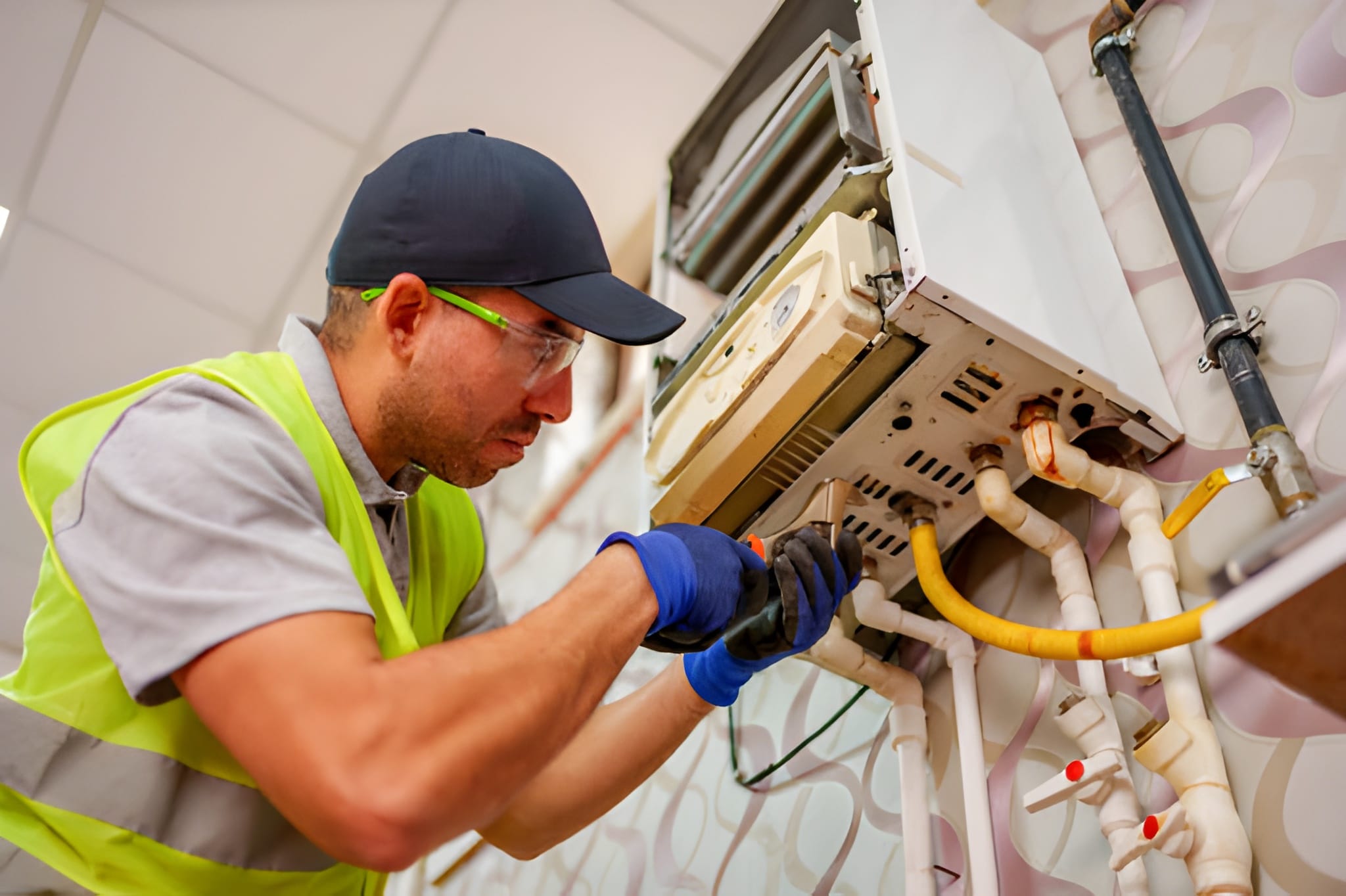
A full Everest Air Heating and Cooling furnace Tune-Up is methodical and documented. Technicians inspect, clean, adjust, and test critical components so your system runs safely and efficiently. Key Tune-Up tasks include:
- Visual and mechanical inspection of the furnace cabinet and surrounding area for obstructions, corrosion, or pests
- Cleaning burners and the combustion chamber to ensure proper flame pattern and fuel combustion
- Heat exchanger inspection for visible cracks, corrosion, or stress indicators that could lead to carbon monoxide risk
- Combustion safety testing and CO screening to confirm safe exhaust and combustion efficiency
- Flame sensor and ignition system cleaning or adjustment for reliable starts
- Verifying correct gas pressure and valve operation on gas-fired furnaces
- Checking and calibrating the thermostat for accurate temperature control and proper fan/limit switch operation
- Cleaning or inspecting the blower wheel and motor for balance, debris, and proper airflow
- Lubricating motor bearings, fan bearings, and moving parts where applicable
- Tightening electrical connections and inspecting wiring for signs of wear or heat damage
- Inspecting the flue and venting system for blockages, leaks, or incorrect pitch
- Evaluating air filters and recommending replacement type and frequency
- Inspecting condensate drains and traps on high-efficiency units to prevent blockages
- Verifying blower speed and airflow to optimize system efficiency
- Testing safety controls, limit switches, pressure switches, and rollout switches for correct operation
- Performing an overall efficiency and performance check and providing homeowner-facing notes
Each step focuses on safety, reliability, and efficiency. Everest Air Heating and Cooling documents findings so you understand what was checked and any recommended follow-up.
Detailed Tune-Up Checklist — What We Inspect and Service
The Tune-Up checklist is designed to identify current problems and prevent future ones. Typical checklist items include:
- Furnace model and serial verification
- Visual inspection of cabinet and mounting
- Heat exchanger inspection
- Burner and combustion chamber cleaning
- Flame pattern and ignition verification
- Combustion analysis and CO concentration testing
- Gas valve and gas pressure check
- Venting and flue integrity check
- Blower motor operation and amp draw measurement
- Motor lubrication where appropriate
- Blower wheel cleaning and alignment
- Filter size, type, and condition inspection
- Airflow measurement and duct connection inspection
- Thermostat calibration and cycle testing
- Limit control and safety switch testing
- Electrical connection tightening and control board inspection
- Condensate drain inspection (if applicable)
- Draft inducer motor and pressure switch test
- Heat exchanger mount and gasket inspection
- Overall system performance and efficiency notes
This checklist helps homeowners in Eagleton Village know exactly what was examined and why certain repairs or adjustments might be recommended.
How the Tune-Up Process Works (What to Expect During the Visit)
A professional Tune-Up follows a predictable, homeowner-friendly process so you can plan around the visit:
- Arrival and system review: The technician confirms system type, age, and any homeowner concerns.
- Safety shut down and access: The furnace is safely powered down and external panels removed for inspection.
- Cleaning and inspection: Burners, combustion chamber, blower, and accessible internal parts are cleaned and inspected.
- Tests and measurements: Combustion testing, airflow checks, electrical measurements, and thermostat calibration are completed.
- Adjustments and lubrication: Controls, pilot/ignition systems, blower speeds, and motor lubrication are performed as needed.
- Reassembly and system start-up: The furnace is reassembled and put through a full-cycle start-up to verify proper operation.
- Documentation and homeowner review: Findings, recommendations, and notes are recorded and reviewed with the homeowner in plain language.
Technicians carry diagnostic tools such as combustion analyzers, multimeters, manometers, and basic leak detection equipment. These tools allow objective measurements rather than guesswork, ensuring accuracy in safety and efficiency assessments.
Common Furnace Problems Found During Tune-Ups and Their Fixes
During Tune-Ups in Eagleton Village homes, some issues appear repeatedly. Understanding these helps homeowners make informed decisions.
- Dirty burners or restricted combustion: Causes inefficient burning and rough operation. Cleaning and adjustment typically restore proper flame pattern.
- Clogged air filters: Restrict airflow, causing overheating and reduced efficiency. Regular filter replacement prevents many performance problems.
- Faulty thermostat or miscalibration: Results in incorrect indoor temperatures or short-cycling. Calibration or thermostat replacement fixes the issue.
- Worn blower motors or belts: Cause noisy operation or low airflow. Replacement or lubrication improves function and efficiency.
- Cracked or corroded heat exchangers: Serious safety concern that often requires furnace replacement depending on severity and age.
- Ignition or flame sensing issues: Dirty sensors and electrodes can cause intermittent starting; cleaning or replacing parts restores reliability.
- Blocked flue or venting issues: Can lead to dangerous exhaust buildup; vent cleaning or correction is essential for safety.
- Condensate blockages (high-efficiency units): Lead to shutdowns and water damage; clearing drains and checking traps resolves these issues.
- Loose electrical connections: Cause intermittent failures and potential safety hazards; tightening and inspecting prevents future problems.
- Duct restrictions or leaks: Reduce delivered heat and cause uneven temperatures; identifying and sealing leaks improves comfort and efficiency.
Technicians will explain repair options, including which issues are urgent for safety and which are recommended for efficiency and longevity.
Safety and Carbon Monoxide Considerations
Safety is central to a professional Tune-Up. Gas-fired furnaces require careful inspection of combustion and venting to ensure combustion byproducts are safely exhausted. During the Tune-Up, Everest Air Heating and Cooling performs combustion testing and carbon monoxide screening to detect dangerous conditions early.
Heat exchanger integrity is checked visually and with appropriate testing tools. If a cracked heat exchanger is suspected, technicians will explain the risk and typical solutions. Because carbon monoxide has no color or odor, these preventive tests are essential for household safety.
How Tune-Ups Improve Efficiency and Reduce Bills
A well-executed Tune-Up improves fuel-to-heat conversion and maintains proper airflow, which directly impacts energy use. Key efficiency improvements achieved during a Tune-Up:
- Improved burner combustion reduces wasted fuel
- Proper blower operation and clean filters ensure optimal airflow and heat transfer
- Accurate thermostat operation prevents unnecessary runtime and short cycling
- Correct venting and sealed ducts reduce heat loss before it reaches living spaces
- Identifying and correcting small issues before they escalate prevents emergency repairs that can be more costly than routine maintenance
While specific savings vary with system age and home characteristics, homeowners typically notice steadier performance and fewer surprise repair bills after regular maintenance.
Timing: When to Schedule a Tune-Up in Eagleton Village
Annual Tune-Ups timed to seasonal demand make the most sense:
- Fall or early autumn: Ideal timing for gas furnaces, before heavy winter use begins. This catch prevents emergency failures on the coldest days.
- Spring: For homes that use heat pumps or other systems, spring checkups keep cooling components ready. For households with combined HVAC systems, a fall Tune-Up for heat and a spring check for cooling keeps both sides ready.
- Twice-yearly: Homes on a Y.E.T.I Comfort Plan or with heavy system use benefit from two checkups per year (fall and spring).
Scheduling before peak season helps ensure parts availability and avoids wait times during cold snaps.
Preparing Your Home for a Furnace Tune-Up
A few simple steps from homeowners help the visit run smoothly:
- Clear a few feet of working space around the furnace to allow safe access
- Point out any areas of concern to the technician (noises, odors, cycling)
- Ensure safe access to the utility area and thermostat
- Replace disposable filters if they are extremely dirty; technician will inspect and advise
- Turn off pets or secure them during the visit for safety
Technicians will handle protective measures for floors and will review results and recommendations with you at the end of the visit.
Maintenance Programs and Long-Term Care
Everest Air Heating and Cooling supports homeowners who want consistent, documented maintenance through programs like the Y.E.T.I Comfort Plan. Regular membership-style maintenance delivers documented inspections, seasonal Tune-Ups, priority scheduling, and other benefits that help maintain system warranties and reduce the total cost of ownership over time. Consistent maintenance also creates a documented record that is useful if warranty claims or equipment evaluations are needed.
Routine maintenance and proper documentation are often required by manufacturers to maintain certain warranty provisions. Technicians can explain what your warranty requires and how annual Tune-Ups fit into those requirements.
Efficiency Upgrades Worth Considering in Eagleton Village
During a Tune-Up, technicians may identify opportunities to improve performance and comfort. Common efficiency upgrades include:
- Replacing one-inch fiberglass filters with high-quality pleated filters for better filtration and longer life
- Installing a programmable or smart thermostat to reduce runtime during unoccupied hours
- Sealing ducts where accessible to reduce heat loss
- Adjusting blower speeds or replacing motors with higher-efficiency ECM types in compatible systems
- Insulating exposed ducts in crawlspaces or attics to reduce heat loss
- Addressing insulation or air sealing issues in the home envelope that cause excessive furnace cycling
These upgrades vary by home and system age, but they often yield measurable comfort and efficiency improvements.
Practical Tips to Keep Your Furnace Running Between Tune-Ups
- Change or clean air filters every 1 to 3 months depending on use and filter type
- Keep vents and returns unobstructed by furniture or curtains
- Maintain a consistent thermostat setback schedule to reduce unnecessary cycling
- Keep the area around the furnace clean and free of stored items, leaves, or debris
- Watch for warning signs such as odd noises, soot on burner surfaces, persistent odor, or unusual cycling and request service if they appear
Being proactive about these small tasks reduces stress on the system and lowers the likelihood of midwinter failures.
FAQs
Q: How long does a professional furnace Tune-Up typically take?
A: Most comprehensive Tune-Ups take between 60 to 90 minutes, depending on the system type and condition. Older or severely neglected systems may require more time for cleaning and inspection.
Q: How often should I have my furnace tuned up?
A: Annual Tune-Ups are recommended for most gas and electric furnaces. Homes with higher usage, pets, or poor indoor air quality may benefit from twice-yearly checks, especially if the same technician also services the cooling system in spring.
Q: Will a Tune-Up check for carbon monoxide and safe venting?
A: Yes. A professional Tune-Up includes combustion safety testing and basic carbon monoxide screening of the furnace area to detect potential safety hazards.
Q: Does a Tune-Up extend the life of my furnace?
A: Regular maintenance helps reduce wear and catch small problems before they escalate, which can add operational years to your furnace compared with neglected equipment. While exact life extension depends on system age and use, maintenance is a proven way to preserve value and reliability.
Q: What if the technician finds a cracked heat exchanger?
A: A cracked heat exchanger is a serious safety concern. The technician will document the condition, explain the implications, and recommend the safest course of action, which can include system replacement depending on the extent of damage and the system age.
Q: Will a Tune-Up improve my heating bills?
A: A properly performed Tune-Up optimizes combustion and airflow, which improves efficiency. This can reduce fuel consumption relative to an unmaintained system, though the exact savings depend on your system efficiency, fuel costs, and home characteristics.
Q: Is a Tune-Up required to keep my manufacturer warranty valid?
A: Many manufacturers require routine annual maintenance to keep certain warranty provisions active. A documented Tune-Up performed by a licensed technician can help satisfy these requirements. Technicians can record service details that align with warranty needs.
Q: Do you inspect and service electric furnaces and heat pumps as well?
A: Yes. Tune-Up principles such as cleaning, electrical inspection, airflow checks, and control testing are applicable to electric furnaces and heat pump systems, though some specific combustion tests are only relevant for gas-fired equipment.
Q: Should I be home during the Tune-Up?
A: It is usually preferable for someone to be home to answer questions and review the technician's findings. If that is not possible, technicians can still perform the service and leave documentation for the homeowner.
Q: What tools are used for a modern furnace Tune-Up?
A: Technicians typically use combustion analyzers, multimeters, manometers or pressure testers, thermometers, basic mechanical tools, and carbon monoxide detectors. These tools allow accurate measurements for safety and performance.
hear what our satisfied clients have to say

David P.
Service areas