

Furnace Replacement in Rockford, TN
If your furnace isn't keeping your Rockford, TN home cozy anymore, figuring out whether to repair or replace it is a big decision. Everest Air Heating and Cooling is here to help with expert evaluations and clear, experience-based guidance. We'll ensure you understand the true lifecycle costs, potential energy savings, and practical implications of replacing your furnace. You'll learn when furnace replacement makes more sense than a repair, how we thoroughly evaluate your current equipment, and the efficiency and cost tradeoffs of modern, high-efficiency upgrades. We'll also cover the replacement timeline, logistics, proper disposal, and any available rebates, financing, or warranty considerations — all specifically tailored for homes in Rockford and the surrounding East Tennessee foothills, courtesy of Everest Air Heating and Cooling.
.jpeg)
Why furnace replacement matters in Rockford, TN
Rockford experiences cold winter nights and occasional extended cold snaps due to its proximity to the Smoky Mountain foothills. That climate means your heating system does more heavy lifting than in milder regions. An underperforming furnace in Rockford can lead to:
- Higher monthly fuel bills during long heating seasons
- Cold rooms and uneven comfort because of undersized or inefficient equipment
- Increased risk of emergency failures on the coldest nights
- Potential safety concerns if combustion components or the heat exchanger are compromised
Replacing an old or failing furnace can restore dependable warmth, reduce fuel usage, and improve indoor air quality and humidity control when paired with modern controls and system upgrades. Everest Air Heating and Cooling combines local knowledge of Rockford homes and climate with industry best practices to recommend the solution that provides the best long-term value for your situation.
When to repair versus when to replace
Deciding between repair and replacement depends on condition, age, performance, and your plans for the home. Use these guidelines to assess which path likely makes the most sense.
Common reasons to repair (when replacement is not yet necessary)
- Unit is less than 10 years old and otherwise in good mechanical condition
- Problem is isolated (failed blower motor, ignition module, control board)
- Repair cost is a small fraction of the unit value and expected remaining life
- System has been well maintained and components are readily available
Signs it is time to consider replacement
- Furnace is older than 15 to 20 years
- Heat exchanger corrosion or cracks (safety issue)
- Frequent repair calls or rising repair frequency and costs
- AFUE rating below 80 percent with high fuel bills compared to similar homes
- Inconsistent temperatures, excessive noise, or chronic short cycling
- Home renovation or increased comfort expectations (finished basement, added rooms)
In cold-weather communities like Rockford, reliability is crucial. For older units or systems that fail multiple times per season, replacement often prevents costly emergency service and ensures steady heating through prolonged cold spells.
How Everest Air evaluates your existing equipment
A thorough evaluation is the foundation of a trustworthy replacement recommendation. Everest Air Heating and Cooling performs a step-by-step inspection and analysis so you understand the condition of your current system and potential replacement outcomes.
Key evaluation steps
- Visual inspection of the furnace, heat exchanger, burners, and venting
- Operational testing: startup behavior, ignition, airflow, and cycling
- Measurement of combustion efficiency and flue gases when applicable
- Verification of ductwork condition and airflow at supply registers
- Assessment of thermostat compatibility and control wiring
- Review of maintenance history, repair records, and age
- Manual J load calculation to determine correct furnace size for the home
The evaluation identifies safety concerns (for example, cracked heat exchangers or improper venting), quantifies performance problems, and reveals opportunities for improving comfort with better zoning or ductwork sealing.
Comparing energy savings and lifecycle costs
A decision to replace a furnace is often an investment in future savings. Comparing lifecycle costs means looking beyond the upfront price and weighing fuel use, repairs, and expected lifespan.
Understanding efficiency: AFUE
- AFUE (Annual Fuel Utilization Efficiency) is the percentage of fuel converted into heat. Older furnaces may be in the 60 to 80 percent range; modern high-efficiency condensing furnaces commonly achieve 90 to 98 percent AFUE.
- Higher AFUE means less fuel consumed to produce the same heat, so annual utility bills fall even though the equipment cost can be higher.
Estimating lifecycle cost
- Lifecycle cost equals purchase and installation cost plus fuel and maintenance costs over expected life, minus any resale or salvage value.
- In practical terms, a higher-efficiency furnace often reduces yearly fuel expense by a measurable percentage. For Rockford homes that run heating through long winters, the cumulative savings can offset the higher initial investment over several years.
- Consider repair frequency: if an aging furnace needs multiple repairs per season, those repair bills accelerate the case for replacement.
Payback and value
- Simple payback estimates compare the annual fuel savings to the incremental cost of a higher-efficiency unit. Homes in Rockford that experience below-freezing temperatures for extended periods typically see a shorter payback horizon for efficiency upgrades compared with milder climates.
- Non-energy benefits matter too: improved comfort, quieter operation, better humidity control, and increased home resale value are part of the lifecycle return.
Everest Air will provide a clear, customized comparison using expected fuel prices and local heating load factors so you can see estimated annual operating costs and approximate payback timelines for different equipment choices.
High-efficiency upgrade options
When you choose replacement, multiple upgrades can improve comfort and lower operating costs. Below are common options considered for Rockford homes.
Modern furnace features to consider
- Condensing furnaces: These capture more heat from combustion gases and routinely achieve AFUE ratings above 90 percent. They require a condensate drain and PVC venting.
- Modulating or two-stage burners: These improve comfort by running at lower output when demand is low and ramping to full capacity only when needed, reducing cycling and temperature swings.
- Variable-speed ECM blower motors: These offer more precise airflow control, improved comfort, and lower electricity use; they also enhance air filtration performance and quiet operation.
- Sealed combustion systems: These draw combustion air from outside, improving safety and indoor air quality while increasing efficiency.
- High-efficiency air filtration and humidity control: Better filtration improves indoor air quality in Rockford, where seasonal allergens and humidity variations are common.
- Smart thermostats and zoning: Zoned systems or smart controls allow different areas of the home to be managed separately, improving comfort and reducing unnecessary heating.
- Duct sealing and insulation: Even a high-efficiency furnace cannot deliver comfort if ducts lose heat; sealing and insulating ducts can improve system performance significantly.
Everest Air Heating and Cooling will review these options in context of your home layout, existing ductwork, and comfort goals to recommend a package that balances efficiency and upfront investment.
Replacement timeline and installation logistics
Understanding the replacement process reduces disruption and sets realistic expectations. Typical replacement projects for a furnace fall into these stages.
Pre-installation: assessment and selection
- Site visit and Manual J load calculation
- Equipment selection including efficiency rating, capacity, and optional upgrades
- Permit verification and planning for venting, gas piping, and electrical work
- Scheduling a convenient installation window
Installation day(s)
- Power and gas are safely shut off and the old furnace is removed
- Inspection of the existing venting and flue; modifications made if needed
- New furnace set in place, connected to gas line, electrical, thermostat, and ductwork
- For condensing units: installation of condensate drain and PVC venting
- Startup and commissioning tests: flame inspection, combustion analysis, airflow measurement, and thermostat calibration
- Verification of carbon monoxide levels and safety controls
- Cleanup and disposal of the old unit according to local regulations
Typical duration
- Most straightforward furnace replacements in single-family Rockford homes take a single day from tear-out to startup.
- Projects requiring duct modifications, gas line upgrades, or additional electrical work may take longer and are scheduled and explained in advance.
Permits and inspections
- Many jurisdictions require permits and post-installation inspections for gas-fired appliance replacements. Everest Air will coordinate necessary paperwork and comply with local code requirements.
Disposal of old equipment
Responsible disposal is part of professional service. Old furnaces contain metals and components that are recyclable; gas-fired equipment may require special handling due to residual fuel lines and combustion debris.
Common disposal steps
- Safe removal and transportation of the old furnace away from the property
- Draining and proper handling of any residual fluids when applicable
- Recycling of scrap metal and proper disposal of electronic components
- Documentation of disposal if required by local authorities
Everest Air Heating and Cooling follows local disposal regulations and recycling best practices when removing old equipment from Rockford homes.
Rebates, incentives, and financing
Replacing a furnace may qualify for multiple cost reduction programs. While specifics change over time, homeowners should know what to look for and how these programs affect the decision.
Types of incentives that may apply
- Manufacturer rebates: Some manufacturers offer rebates for installing qualifying high-efficiency equipment.
- Local utility incentives: Natural gas or electric utilities sometimes provide rebates to encourage energy-saving upgrades.
- Government incentives: Periodic regional or federal programs may offer tax credits or direct incentives for certain high-efficiency equipment.
- Financing options: Third-party financing or manufacturer-financed plans can help spread the cost of a replacement over time.
How to evaluate incentives
- Incentive availability and amounts often depend on model numbers, installation documentation, and energy-efficiency ratings. Proper documentation and equipment registration are usually required to claim rebates.
- Everest Air can identify likely incentive opportunities for Rockford homeowners, explain qualification criteria, and help prepare the necessary paperwork so you understand the net cost picture before committing.
Warranty information and what it means for you
Warranties are a critical part of protecting your investment. There are two primary warranty types to understand: manufacturer warranties and labor or workmanship guarantees.
Manufacturer warranties
- Parts warranty: Covers replacement of defective components for a specified time period, commonly 5 to 10 years for many parts on modern furnaces.
- Heat exchanger warranty: Often the most valuable component warranty; many manufacturers provide limited lifetimes or extended terms on the heat exchanger for qualifying models.
- Warranty specifics can vary between models and manufacturers and may require timely registration and proof of periodic maintenance to remain valid.
Labor and workmanship warranties
- Labor warranties cover the installation work and vary by contractor. These may cover installation defects for a stated period following installation.
- Labor warranties are separate from manufacturer warranties on parts and typically require the installer to perform any labor covered under that guarantee.
Maintaining your warranty
- Most warranties require regular preventive maintenance to remain valid. Enrollment in a service or maintenance plan, such as the Y.E.T.I Comfort Plan offered by Everest Air, helps ensure required maintenance is performed on schedule.
- Keep copies of invoices, maintenance records, and the equipment serial number in a safe place for future warranty claims.
Everest Air Heating and Cooling will review the warranty terms of any recommended equipment and explain what is required to keep warranties intact, including recommended maintenance schedules.
Safety and code compliance
Furnace replacement is not only about efficiency and comfort; safety is a top priority. Proper venting, combustion air, and carbon monoxide safety measures are essential in gas furnace installations.
Safety checks during replacement
- Verification that the heat exchanger is intact and not compromised by corrosion or cracks
- Correct sizing and installation of venting or chimney connections
- Proper combustion air supply to prevent backdrafting
- Carbon monoxide (CO) testing after installation to ensure safe operation
- Installation of CO detectors in compliance with local code recommendations
Everest Air follows code-compliant installation practices and performs all necessary safety checks to protect your household.
Long-term benefits of timely replacement
Replacing an aging, inefficient, or unreliable furnace yields multiple long-term benefits beyond immediate comfort.
Tangible homeowner benefits
- Lower annual heating bills through improved AFUE and better controls
- Greater system reliability during Rockford’s cold periods
- Improved indoor air quality and reduced drafts when paired with ductwork improvements and filtration
- Increased comfort and noise reduction with variable-speed blowers and modulating burners
- Potential increase in home value and buyer appeal for sellers
Intangible benefits
- Peace of mind from fewer emergency repairs and modern safety features
- Predictable operating costs and fewer surprise breakdowns in the dead of winter
Everest Air Heating and Cooling frames replacement options to emphasize lifetime value and reliability for Rockford households.
Maintenance to protect your investment
Ongoing maintenance preserves efficiency and extends equipment life. Preventive upkeep is also often a condition of manufacturer warranties.
Recommended maintenance tasks
- Annual Tune-Ups and safety inspections before the heating season
- Filter replacement every 1 to 3 months depending on filter type and household conditions
- Periodic duct inspections and sealing to maintain airflow and efficiency
- Checking thermostat calibration and control settings
- Cleaning blower assembly and verifying proper airflow
Enrollment in a maintenance program like the Y.E.T.I Comfort Plan helps ensure regular service, priority scheduling, and reduced likelihood of mid-winter failures.
What to expect from a professional consultation
A professional consultation with Everest Air Heating and Cooling yields a clear, no-pressure plan tailored to your Rockford home. Expect expert equipment recommendations, transparent comparisons of costs and savings, and documentation of estimated operating costs for the options you are considering.
Elements included in a thorough consultation
- Condition report on your existing system with clear repair versus replacement analysis
- Manual J load calculation and explanation of recommended furnace size
- Comparison of lifecycle cost scenarios for different AFUE levels and equipment features
- List of optional upgrades (smart thermostats, zoning, filtration) and their benefits for your home
- Overview of likely permits, timeline, and any expected ductwork or venting work
Everest Air provides experienced, family-owned service and honest recommendations designed to match your comfort goals and budget while meeting Rockford regional needs.
FAQs
Q: How do I know if my furnace in Rockford should be replaced instead of repaired?
A: If your furnace is older than 15 years, needs frequent repairs, shows signs of heat exchanger corrosion or poor combustion, or has an AFUE below typical modern equipment, replacement is often the safer and more cost-effective option. A professional evaluation including a combustion and safety check plus a Manual J load calculation will confirm the best path.
Q: Will a new high-efficiency furnace save money in Rockford’s climate?
A: Yes. Rockford’s cold winters mean your furnace runs more hours, so the fuel savings from moving to a high-efficiency condensing furnace with higher AFUE can be significant. Exact savings depend on fuel type, current unit efficiency, and household heating needs. A lifecycle comparison will show estimated annual savings and payback range.
Q: What does the furnace replacement process look like and how long will it take?
A: After an initial evaluation and equipment selection, most straightforward replacements are completed in one day, including teardown, installation, venting adjustments, start-up, and safety testing. Jobs requiring ductwork or gas line upgrades may take longer. Permits and inspections are handled as required.
Q: Are there rebates or financing options for furnace replacement?
A: There are often manufacturer rebates, utility incentives, and financing programs that can reduce the effective cost of a high-efficiency replacement. Eligibility varies by equipment and program; Everest Air can identify likely opportunities and assist with required documentation.
Q: What warranties come with a new furnace and how do I keep them valid?
A: Furnaces typically include manufacturer parts warranties and a heat exchanger warranty for longer terms. Labor warranties vary by installer. Warranties commonly require regular maintenance and timely registration. Keeping up with annual Tune-Ups and following the manufacturer’s instructions preserves warranty coverage.
Q: Will my ductwork need to be replaced when I get a new furnace?
A: Not always. Many systems can use existing ductwork, but ducts should be inspected for leaks, insulation, and proper sizing. Sealing and insulating ducts often improves performance and can be a cost-effective complement to a new furnace.
Q: How does Everest Air Heating and Cooling ensure safe furnace installations?
A: Everest Air follows code-compliant installation practices that include combustion testing, venting evaluation, carbon monoxide checks, proper gas and electrical connections, and verification of combustion air supply. Safety testing is completed before the system is considered operational.
Q: Does a new furnace require different maintenance than my old one?
A: The basic maintenance tasks are similar: annual Tune-Ups, filter changes, and periodic inspections. Newer systems with variable-speed blowers or condensing components may require occasional condensate line checks and additional checks, and sticking with a proactive maintenance plan is recommended.
Q: Can I upgrade to a heat pump instead of a gas furnace in Rockford?
A: Heat pumps are a viable option in many situations and offer high efficiency, especially in milder winter conditions. In Rockford’s climate, cold-climate heat pump models can perform well, but suitability depends on your home’s insulation, ductwork, and heating load. Everest Air can evaluate whether a heat pump or a modern high-efficiency furnace is the better long-term choice.
Q: How does a warranty registration or maintenance plan like the Y.E.T.I Comfort Plan affect my replacement?
A: Registering your equipment and enrolling in a maintenance plan typically helps meet warranty conditions and ensures the system is serviced regularly. Programs like the Y.E.T.I Comfort Plan help maintain efficiency, protect warranties, and provide scheduled inspections to catch issues early.
hear what our satisfied clients have to say

David P.
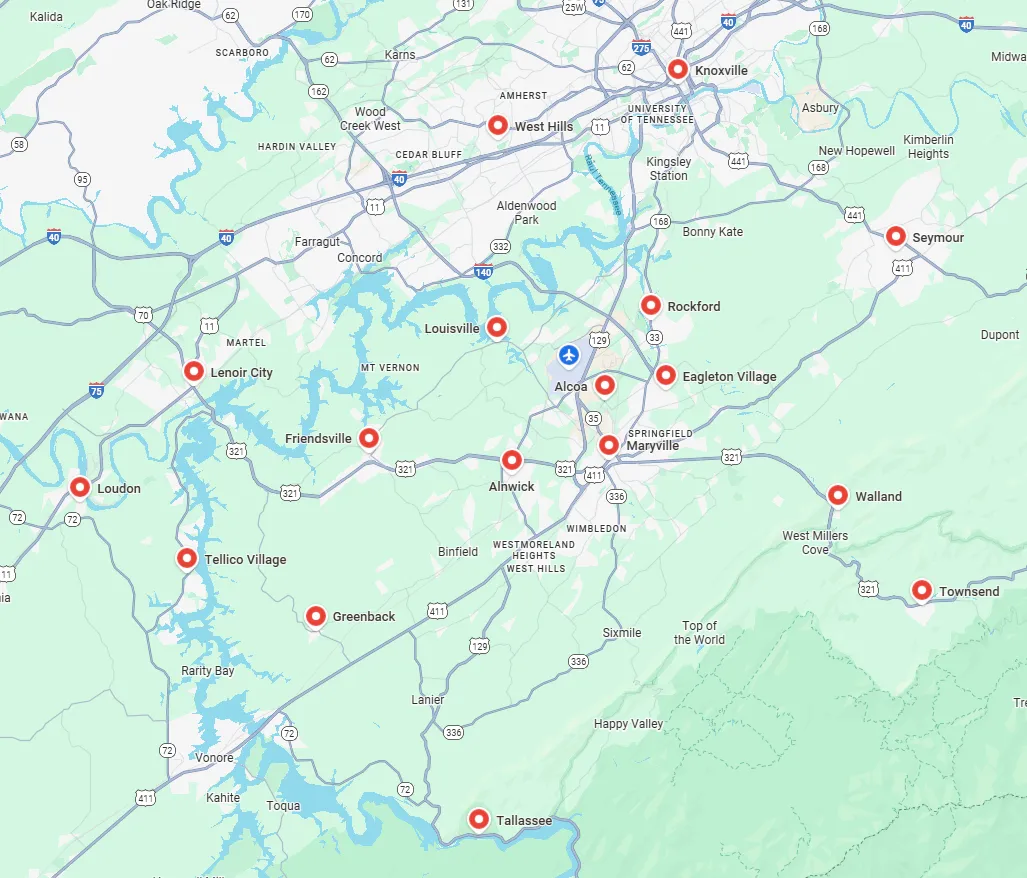
Service areas