

Furnace Repair in Lousiville, TN
When your furnace gives out in Lousiville, TN, the impact is instant and unwelcome. Tennessee winters can throw chilly nights and unexpected cold snaps our way, making a dependable heating system absolutely crucial for your home's comfort and safety. Everest Air Heating and Cooling is here with professional furnace repair in Lousiville, TN. We focus on fast, accurate diagnostics and dependable repairs, always using OEM or high-quality aftermarket parts. More importantly, we offer clear guidance on whether a repair or a full replacement from Everest Air Heating and Cooling makes the most sense for your unique situation. We're happy to walk you through common issues, what to expect during a visit from our team, your repair options, and how to weigh the pros and cons of repairing versus replacing your furnace.
.jpeg)
Why prompt furnace repair matters in Lousiville, TN
Lousiville homes face seasonal swings that put strain on heating systems. Humidity, occasional freeze-thaw cycles, and older housing stock with aging ductwork all increase the likelihood of furnace issues. Delaying repairs can lead to higher energy bills, uneven heating, and safety hazards such as carbon monoxide exposure. Everest Air Heating and Cooling emphasizes prompt diagnostics and efficient repairs to restore reliable heat, reduce wasted energy, and protect equipment life.
Common furnace issues in Lousiville and how they present
Below are the most frequent failure modes we see in the region, with symptoms and typical causes to help homeowners recognize problems early.
- Ignition issues
- Symptoms: Furnace fails to light, repeated attempts to start, clicking or sparking but no sustained flame.
- Causes: Failed hot surface ignitor, dirty pilot orifice, faulty ignition control board, or intermittent gas valve problems. In older units, moisture and corrosion from seasonal humidity can accelerate ignitor and connection failures.
- Pilot light and standing pilot problems
- Symptoms: Pilot won’t stay lit, frequent pilot outages, yellow or weak flame.
- Causes: Faulty thermocouple, clogged pilot tube, draft affecting the pilot assembly, or improper gas pressure. Homes with older furnaces or infrequent use often see pilot-related failures.
- Blower motor and fan failures
- Symptoms: Furnace runs but no warm air circulates, strange noises from the air handler, reduced airflow, overheating and cycling off.
- Causes: Worn bearings, motor capacitor failure, belt failure (in older belt-drive systems), clogged blower wheel, or electrical supply issues. Dust and pollen in Tennessee’s warm months can accumulate on blower components and reduce performance when heat is needed.
- Thermostat problems
- Symptoms: Furnace does not respond to thermostat setpoint changes, short cycling, or incorrect temperature readings.
- Causes: Dead batteries, loose wiring, incorrect thermostat placement, or failing control electronics. Smart thermostats may require firmware updates or pairing checks after power outages.
- Flame sensor and control board faults
- Symptoms: Furnace lights briefly then shuts down, repeated lockouts, or error codes displayed.
- Causes: Dirty or failing flame sensor, weak flame signals, failing control board, or sensor wiring issues. Regular maintenance helps keep flame sensors clean and reliable.
- Airflow and duct issues
- Symptoms: Uneven heating across rooms, dusty registers, higher-than-normal energy usage.
- Causes: Dirty filters, blocked vents, collapsed or leaking ductwork, or closed dampers. Older Lousiville homes with attics or crawlspaces can develop duct issues from settling and temperature-related expansion.
- Safety component failures
- Symptoms: Furnace cycles on and off unpredictably, trips breakers, or shows visible corrosion.
- Causes: Faulty limit switches, cracked heat exchanger, gas leaks, or electrical shorts. Any sign of odor, soot, or continuous cycling requires immediate diagnostic attention for safety reasons.
On-site diagnostics: what our technicians do
A thorough diagnostic is the foundation of any reliable furnace repair. Everest Air Heating and Cooling follows a systematic process to identify root causes quickly and accurately while observing strict safety protocols.
- Initial safety and visual inspection
- Verify proper shutoff, inspect for gas leaks, check venting and exhaust for obstructions, examine heat exchanger and burners for visible corrosion or cracks.
- Thermostat and control checks
- Confirm thermostat wiring and settings, read stored error codes from the control board, check transformer output, and test sequence of operation.
- Ignition and combustion testing
- Inspect hot surface ignitor or pilot assembly, measure flame quality and flame sensor response, assess gas pressure to the valve, and check for delayed ignition events.
- Electrical and motor testing
- Test blower motor and capacitor, measure voltages and amperages, examine relays and contactors, and verify proper fan operation at the air handler.
- Airflow and filter evaluation
- Check filters and register flow, measure static pressure if necessary, inspect duct access points for leaks or disconnections.
- Diagnostic reporting
- After testing, the technician explains findings in plain language, outlines repair options with pros and cons (including OEM vs aftermarket parts where relevant), and provides a written estimate for recommended work.
Everest Air Heating and Cooling offers a flat-fee diagnostic for furnace evaluations, so you receive transparent expectations about the inspection cost up front. Typical response times in the Lousiville area vary by season; during peak cold snaps the team prioritizes safety issues and will aim for same-day or next-day visits when possible. Priority scheduling is available through service plans, which can reduce wait times for season-critical repairs.
Troubleshooting steps you can check first
Before the technician arrives, these simple checks can help narrow the problem or speed diagnostics, but they are not substitutes for professional inspection when safety or gas components are involved.
- Check and replace a dirty filter. Restricted airflow causes many blower-related issues.
- Confirm thermostat batteries and settings. Ensure the thermostat is set to Heat and the temperature is above room temperature.
- Look for tripped breakers or a blown fuse at the electrical panel that serves the furnace.
- Inspect the pilot area on older units for visible blockage or soot. Do not attempt to relight complex burners without experience.
- Ensure vents and returns are open and unobstructed for proper circulation.
If you smell gas, detect carbon monoxide symptoms, or see signs of combustion problems, discontinue use and seek professional diagnostics immediately.
OEM parts versus aftermarket replacements
When components fail, you have options. Everest Air Heating and Cooling repairs furnaces using both OEM and high-quality aftermarket parts depending on availability, compatibility, and customer priorities.
- OEM parts
- Pros: Exact fit, manufacturer-tested compatibility, preserves original system performance, may retain certain warranty benefits.
- Cons: Often higher cost and sometimes longer lead times for older or discontinued models.
- Aftermarket parts
- Pros: Often less expensive, widely available, suitable for common components like capacitors, belts, filters, and some motors.
- Cons: Quality and fit can vary. Choosing reputable aftermarket brands minimizes risk.
Technicians will explain which part is recommended and why, including warranty expectations and long-term implications for system efficiency and reliability. For critical safety or system longevity components such as heat exchangers or gas valves, OEM replacements are frequently recommended. For wear-and-tear items like filters or standard capacitors, trusted aftermarket options are commonly chosen.
Typical response times and diagnostic fees
Everest Air Heating and Cooling operates with a transparent flat-fee diagnostic policy to assess furnaces quickly. In Lousiville, standard scheduling aims to balance fast response with thorough inspection. During regular weekdays response often falls within one business day, while winter service peaks can move timelines. The company provides priority scheduling for customers with active service plans, which helps secure earlier appointments when weather demands increase. After diagnostics, a clear written estimate outlines repair timeframes and parts lead times so homeowners can plan accordingly.
Common repairs and expected timelines
Repair time depends on the component and complexity. The following are common services with general time frames that technicians use for planning. Actual times depend on unit accessibility and parts availability.
- Hot surface ignitor replacement: 1 to 2 hours
- Flame sensor cleaning or replacement: 1 hour
- Pilot assembly or thermocouple replacement: 1 to 2 hours
- Blower motor or capacitor replacement: 2 to 4 hours
- Gas valve replacement: 2 to 4 hours, plus gas safety checks
- Control board replacement: 2 to 3 hours, plus configuration and testing
- Heat exchanger assessment and repair decisions: longer diagnostic and evaluation; heat exchanger replacement is often a multi-day job depending on accessibility and parts
Technicians carry common replacement parts for quick repairs but may need to order specific OEM components for less common models or discontinued parts. When parts must be ordered, Everest Air provides estimated arrival times and keeps customers informed of status.
Repair versus replacement: how to decide
Deciding whether to repair a furnace or replace it is a frequent and important question. Everest Air Heating and Cooling helps homeowners weigh the tradeoffs using clear, practical criteria.
Key factors to consider:
- Age of the furnace
- Furnaces older than 15 to 20 years generally have reduced efficiency and increasing repair frequency. If major components like the heat exchanger or blower require replacement, installing a new unit may be more cost effective long term.
- Cost of repair relative to replacement
- A rule of thumb is to consider replacement if repair costs approach 50 percent or more of a new system. However, local energy prices, home plans, and expected remaining life affect that decision.
- Frequency of breakdowns
- Frequent repairs indicate rising reliability risks. Multiple service calls within a season often justify replacement for predictable comfort and lower lifetime cost.
- Efficiency and energy savings
- Modern high-efficiency furnaces can significantly reduce heating bills in Tennessee’s variable winters. If the current system is old and inefficient, replacement delivers ongoing savings.
- Safety concerns
- A cracked heat exchanger, recurring combustion problems, or unresolved carbon monoxide indicators are strong reasons to replace rather than repair.
- Homeownership plans
- If you plan to stay in the home long term, investing in a new, efficient system often pays off. If selling soon, targeted repairs to ensure safe operation may be preferable.
Everest Air provides clear estimates for both repair and replacement paths, including projected operating costs, efficiency comparisons, and expected lifespan, so you can make an informed decision that suits your budget and comfort needs.
Preventive maintenance and the value of regular service
Routine furnace maintenance prevents many common failures, improves system efficiency, and extends equipment life. Everest Air Heating and Cooling recommends seasonal checkups to catch problems before they become emergencies. A typical maintenance visit includes cleaning burners and flame sensors, inspecting the heat exchanger and venting, testing the thermostat and safety controls, checking blower operation and belts, and measuring combustion or electrical performance where applicable.
Service plan benefits include priority scheduling and reduced response times during high-demand periods. Regular maintenance also reduces energy waste and improves indoor air quality—important in Lousiville homes that may experience seasonal allergies and dust build-up.
Safety considerations and carbon monoxide
Carbon monoxide is a colorless, odorless gas that can result from incomplete combustion in furnaces. Symptoms of CO exposure include headaches, nausea, dizziness, and flu-like signs that improve away from the home. Protect your household by ensuring furnace venting is inspected, burners are adjusted properly, and heat exchangers are free from cracks. Everest Air Heating and Cooling performs combustion analysis and vent checks as part of thorough diagnostics and recommends immediate evaluation if any CO concerns exist. Installing and maintaining CO detectors is an essential safety layer in any home.
What to expect when Everest Air technicians arrive
Everest Air Heating and Cooling sends trained, licensed technicians who follow a consistent process to deliver professional, respectful service in your home.
- Prompt diagnosis and safety-first inspection
- Clear explanation of findings in plain language
- Written repair estimate including parts options (OEM vs aftermarket)
- Transparent timelines for repairs and parts sourcing
- Clean work practices and respect for your home environment
- Post-repair testing and verification of safe operation
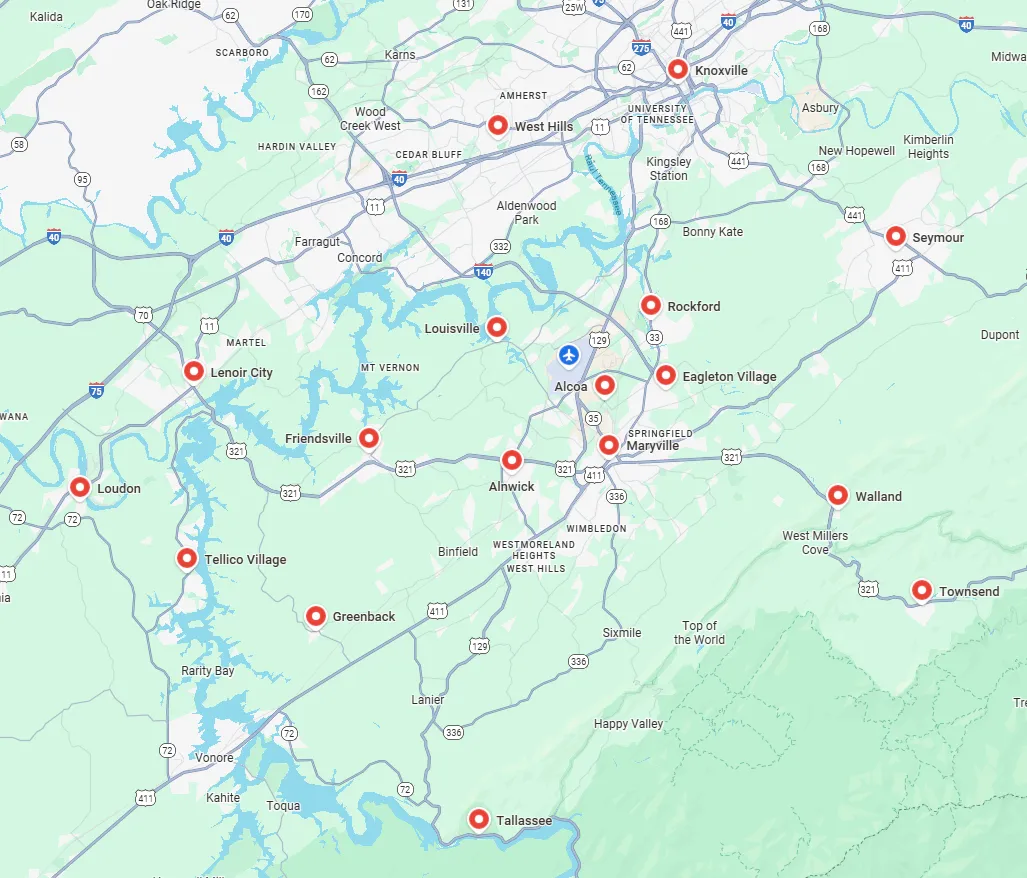
Technicians are familiar with furnace brands commonly found in the Lousiville area and the surrounding counties of Blount, Loudon, Knox, and Sevier. As a locally owned family business, Everest Air understands local equipment histories and climate influences that affect system performance.
Long-term value: efficiency, reliability, and comfort
Timely furnace repair in Lousiville, TN reduces energy waste, prevents unexpected failures, and preserves indoor comfort during critical cold periods. Investing in diagnostic evaluation and targeted repairs can extend the life of an existing furnace while ensuring safe operation. For older systems or those with recurring problems, replacement with a modern, high-efficiency model may deliver meaningful savings and improved comfort consistency.
Everest Air Heating and Cooling approaches every furnace repair with the goal of maximizing long-term value for homeowners: accurate diagnosis, the right parts, and sensible recommendations tailored to local needs and home usage patterns.
Frequently Asked Questions
Q: How quickly can a furnace diagnostic be scheduled in Lousiville, TN?
A: Typical scheduling aims for same-day or next-day service during normal demand periods, with priority scheduling available through maintenance plans. Response times can vary during peak cold weather.
Q: What does a flat-fee diagnostic include?
A: A flat-fee diagnostic covers a comprehensive safety inspection, operational testing of the ignition and control systems, blower and airflow checks, thermostat verification, and a written summary with repair options.
Q: Are OEM parts always required for furnace repairs?
A: OEM parts are recommended for critical components where exact fit and manufacturer compatibility matter, such as gas valves and control boards. For less critical or standard components, high-quality aftermarket parts are often acceptable and cost effective.
Q: When is it better to replace rather than repair a furnace?
A: Consider replacement when the furnace is older than 15 to 20 years, repair costs approach half the price of a new system, failures are frequent, or safety-critical components like the heat exchanger are compromised.
Q: How long does a typical blower motor replacement take?
A: Most blower motor replacements take between 2 and 4 hours, depending on unit accessibility and whether additional components like a capacitor or blower wheel cleaning are required.
Q: What are early warning signs that my furnace needs attention?
A: Watch for weak or uneven heating, strange noises, repeated short cycling, frequent pilot or ignition failures, higher energy bills, and any signs of soot or unusual odors around the furnace.
Q: Can thermostat issues mimic a furnace failure?
A: Yes. Thermostat wiring problems, incorrect settings, or failed controls can prevent the furnace from starting. Technicians will test the thermostat as part of the diagnostic.
Q: Does regular maintenance reduce emergency repairs?
A: Regular seasonal maintenance significantly reduces emergency visits by keeping burners, sensors, blower assemblies, and venting in good condition while catching component wear early.
Q: What are the safety checks performed for combustion systems?
A: Safety checks include inspecting venting and flues, testing for proper combustion and exhaust flow, measuring carbon monoxide levels when indicated, and checking heat exchanger integrity for cracks or leaks.
Q: Will repairs come with any warranty?
A: Repair warranties vary depending on the parts used and the type of work. Everest Air Heating and Cooling provides clear warranty information on parts and labor with each repair estimate.
Q: Do you service all major furnace brands in Lousiville?
A: Everest Air Heating and Cooling services and repairs all common residential furnace brands and models found in the local market, with experience in both newer and older equipment.
Q: How can I reduce the likelihood of furnace breakdowns between seasons?
A: Replace filters regularly, keep vents clear, enroll in a seasonal maintenance plan for fall inspections, and ensure the area around the furnace is clean and free from debris that could restrict airflow.
Everest Air Heating and Cooling is committed to delivering dependable furnace repair in Lousiville, TN through accurate diagnostics, professional repairs, and practical guidance for homeowners. Whether you need an urgent repair, help choosing between repair and replacement, or a seasonal checkup to prevent future issues, the goal is consistent: safe, efficient, and reliable home heat that meets local needs and expectations.
hear what our satisfied clients have to say

David P.
Service areas