

Furnace Maintenance in Lousiville, TN
When Lousiville, TN winters hit, keeping your home warm, safe, and efficient really comes down to reliable furnace maintenance. You need technicians who truly understand our local climate challenges and the common conditions in East Tennessee homes. At Everest Air Heating and Cooling, we offer professional, routine furnace maintenance designed to catch those small issues before they become big headaches, boost your system's efficiency, extend its lifespan, and drastically cut down the risk of emergency breakdowns. We'll walk you through what a thorough furnace maintenance visit includes, common furnace problems we see in Lousiville homes, our diagnostic process, the preventative repairs you can expect, and the long-term benefits of regular service, especially when you're part of a preventive maintenance plan.
Why furnace maintenance matters in Lousiville, TN
- Lousiville experiences humid summers and cold winters with occasional freezes, temperature swings in fall and spring, and seasonal pollen and dust. These conditions stress heating systems and affect indoor air quality.
- Furnaces that are not maintained run less efficiently, cost more to operate, and face higher failure risk during peak cold days when you need heat most.
- Regular maintenance reduces safety risks associated with combustion equipment, including carbon monoxide leaks, cracked heat exchangers, and improper venting.
- Keeping your furnace tuned protects home comfort, lowers energy bills, and preserves the lifespan of the system, especially for older units common in the region.
Common furnace issues in Lousiville homes
- Dirty or clogged filters: Pollen, dust, and household debris accumulate quickly in the area. Restricted airflow reduces efficiency and stresses the blower motor.
- Ignition and pilot problems: Standing pilot lights or electronic igniters fail more frequently as systems age.
- Cracked or corroded heat exchangers: Freeze-thaw cycles and long operating hours can accelerate wear on metal components.
- Burner inefficiency and soot buildup: Restricted burners or poor combustion cause yellow flames, soot, or reduced heat output.
- Faulty blower motors and belts: Worn bearings, loose belts, and capacitor failures lead to noisy operation and reduced airflow.
- Thermostat and control issues: Incorrect calibration, wiring faults, or outdated controls create comfort and cycling problems.
- Blocked venting and flue issues: Leaves, bird nests, or debris can block exhaust, risking carbon monoxide buildup.
- Duct leaks and insulation problems: Leaky ducts in crawlspaces or attics common to Tennessee homes reduce system performance and indoor air quality.
- Electrical failures: Loose connections or failing control boards can cause inconsistent operation or no heat.
What a comprehensive furnace maintenance check includes
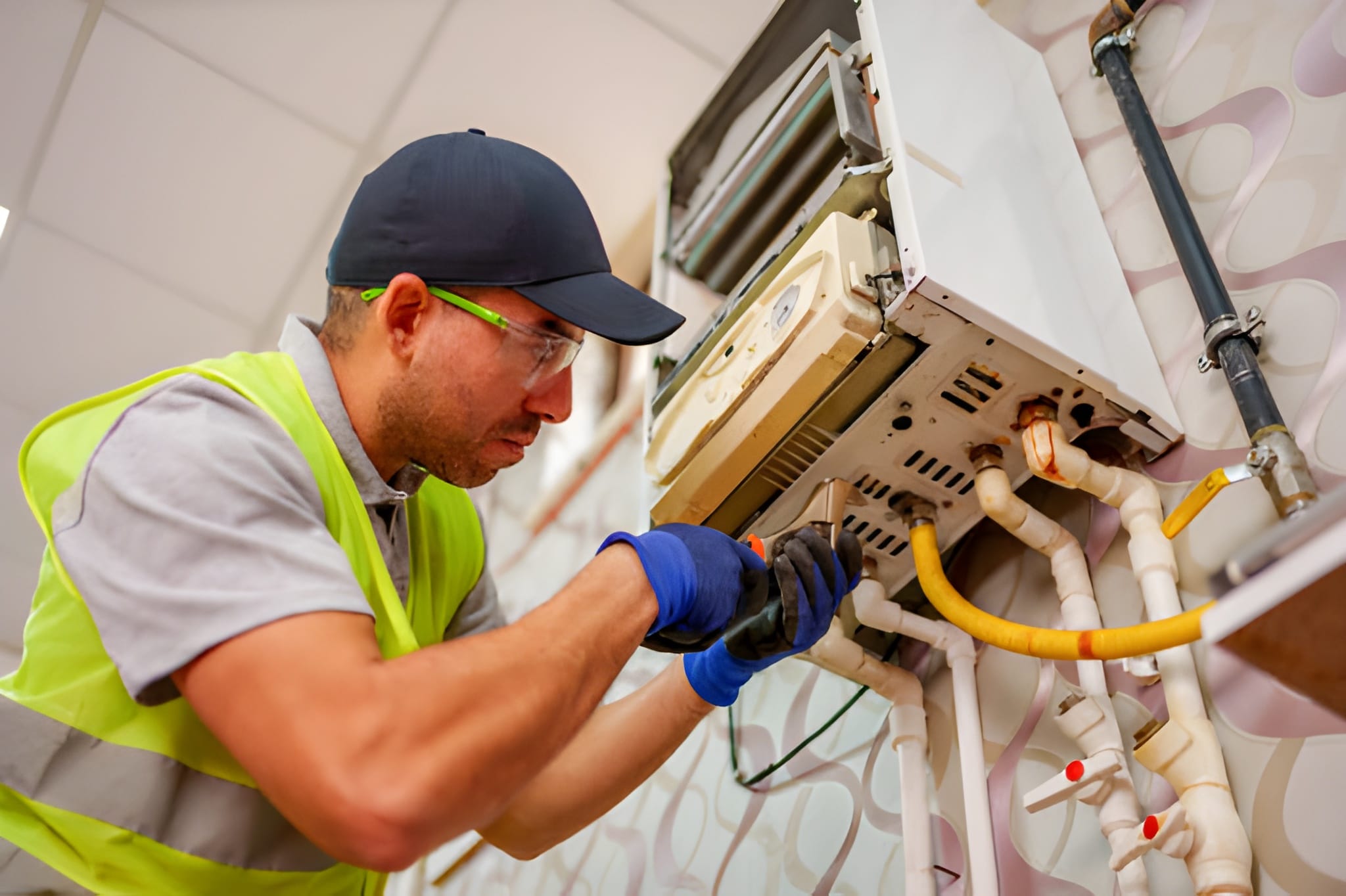
A skilled technician conducts a system-by-system inspection and service routine designed to identify issues before they become major repairs. Typical items covered during a seasonal fall or spring furnace maintenance visit:
- Visual inspection and homeowner review
- Walkthrough of system history and recent symptoms you have observed.
- Visual check for signs of corrosion, rust, water, or pest intrusion around the furnace and ducts.
- Filter inspection and replacement
- Inspect filter type and condition.
- Replace standard 1-inch filters, media, or high-efficiency filters as specified by your plan or homeowner preference.
- Provide guidance on optimal filter replacement intervals for your home and usage.
- Burner and combustion inspection
- Clean burners and verify proper flame pattern and color.
- Check for soot, misalignment, or burner corrosion.
- Inspect ignition components, including pilot systems or electronic igniters.
- Heat exchanger evaluation
- Carefully inspect the heat exchanger for cracks, rust, or signs of stress.
- Use recommended procedures to detect leaks that might lead to carbon monoxide.
- Advise on repair or replacement options if heat exchanger integrity is compromised.
- Safety and efficiency testing
- Perform carbon monoxide testing at the furnace and recommended living spaces.
- Test system safety switches and limit controls.
- Conduct combustion analysis where applicable to measure efficiency and combustion quality.
- Airflow and blower system service
- Measure airflow and static pressure to detect restrictions.
- Clean blower assembly, lubricate motor bearings where applicable, and tighten mounting hardware.
- Inspect and replace belts and pulleys if worn.
- Electrical and control checks
- Inspect and tighten electrical connections.
- Check control board operation and thermostat communication.
- Test relays, capacitors, and transformer's voltage.
- Venting and flue inspection
- Inspect flue pipe and vent terminations for leaks, rust, or obstructions.
- Verify proper draft and venting clearances for safe operation.
- Ductwork assessment
- Visual inspection of accessible ductwork in attics, basements, and crawlspaces.
- Identify major leaks, damaged insulation, or debris accumulation that will impact performance.
- System calibration and final performance check
- Calibrate thermostat and ensure proper cycling.
- Verify system starts, runs, and shuts off correctly within manufacturer specifications.
- Present findings and documented recommendations.
How diagnostic testing works and what technicians document
A methodical diagnostic approach avoids guesswork and ensures transparent recommendations:
- Baseline measurements: Technicians record temperatures, pressures, and electrical readings to create a performance baseline.
- Safety verification: Carbon monoxide and combustion tests document safe operation before completing other work.
- Condition reporting: Each inspection point is documented with observed condition, risk level, and recommended action.
- Repair options: For any issues found, a clear list of repair options is provided, explaining the urgency, expected outcomes, and how each option affects safety and efficiency.
- Maintenance record: Your furnace maintenance visit is logged with date, services performed, parts replaced, and performance numbers to help track system health over time.
Preventative repairs commonly performed during maintenance visits
Many small repairs prevent larger failures. Technicians typically address or recommend:
- Filter upgrades and filter rack adjustments to improve efficiency and protect components.
- Igniter or pilot assembly replacement when intermittent ignition is detected.
- Minor motor refurbishments or capacitor replacements to restore reliable blower operation.
- Tightening or replacing electrical connections and terminal blocks to prevent power issues.
- Adjusting gas pressure or cleaning and tuning burners for correct combustion.
- Sealing minor duct leaks with mastic or approved tape to improve airflow.
- Replacing belts, bearings, or pulleys to stop noise and restore proper fan speeds.
- Corrosion treatment and paint touch-ups around vents and flue to slow further deterioration.
Specific safety checks for gas and combustion systems
Gas furnaces require targeted safety procedures:
- Gas leak inspection: Check fittings, valves, and connectors for odor or detection-based leaks.
- Combustion analysis: Measure oxygen, carbon monoxide levels, and flue gas temperature to confirm safe and efficient combustion.
- Heat exchanger integrity: Because a cracked heat exchanger can allow combustion gases into the home, inspecting and documenting heat exchanger condition is critical.
- Venting and draft testing: Ensure exhaust gases are venting properly to the outdoors.
Electric furnace and hybrid systems
For electric furnaces and heat pumps with auxiliary electric heat:
- Inspect heating elements and contactors for wear and continuity.
- Test control sequencing between heat pump and auxiliary heat to ensure efficiency.
- Verify the condition of relays and safety controls that protect the system.
Benefits of seasonal fall and spring checkups
- Lower energy bills: A tuned furnace runs more efficiently, using less fuel to maintain comfort during Lousiville winters.
- Fewer emergency repairs: Identifying worn parts and addressing them proactively reduces the chance of a mid-winter breakdown.
- Longer equipment life: Routine maintenance slows component wear and delays the need for costly system replacement.
- Improved indoor air quality: Clean filters and maintained ductwork reduce dust, pollen, and allergens circulating through your home.
- Verified safety: Regular testing detects carbon monoxide and combustion issues before they pose a risk.
- Documentation for warranties and resale: Ongoing service records help maintain manufacturer warranty compliance and support home resale disclosures.
Why membership and preventive plans matter: Y.E.T.I Comfort Plan details
Everest Air Heating and Cooling builds preventive maintenance into a membership model to deliver consistent value to homeowners:
- Fall and spring checkups included: Two scheduled maintenance visits per year to align with seasonal transitions in Lousiville.
- Priority scheduling: Members receive priority scheduling, including earlier appointment availability on busy cold or hot days.
- Service discounts: Members receive a 10 percent discount on eligible service calls and repairs as part of ongoing preventive support.
- Filter or consumable reminders: Membership often includes reminders and guidance for filter replacements to keep airflow optimized.
- Maintenance history and tracking: Centralized records make warranty compliance and performance tracking simple for homeowners.
- Peace of mind: Membership reduces uncertainty and ensures a proactive approach to system care versus reactive emergency repairs.
How often should you have furnace maintenance?
- Biannual checks: The industry standard and Everest Air recommendation for most homes is two visits per year: one fall heating check and one spring cooling check. These season-specific inspections prepare your system for the upcoming load and catch startup issues early.
- Filters: Replace 1-inch fiberglass or pleated filters every 1 to 3 months; higher efficiency filters can last up to 6 to 12 months depending on type, occupancy, and pet or pollen conditions.
- Aging systems: For systems over 10 to 15 years old, consider more frequent inspections or a detailed annual review due to increased risk of wear.
Signs your furnace needs immediate attention
Contact your maintenance provider if you notice:
- A persistent sulfur or rotten egg smell indicating a gas leak.
- Yellow or flickering burner flame instead of a steady blue flame.
- Strange noises such as banging, rattling, or squealing during operation.
- Sudden increases in energy bills or irregular temperature swings.
- Visible soot, black residue, or water pooling around the furnace.
- CO detector alerts or symptoms of carbon monoxide exposure: headaches, nausea, dizziness, or flu-like symptoms.
Local considerations for Lousiville, TN homeowners
- Seasonal pollen and high humidity increase filter loading and call for more frequent filter changes to maintain efficiency.
- Older homes in the region often have ductwork in crawlspaces or attics that are prone to leaks and insulation loss; include duct inspection as part of regular maintenance.
- Cold snaps and occasional freezing temperatures place stress on older furnaces and demand prompt winter preparations to avoid failed igniters or cracked heat exchangers when temperatures drop quickly.
- Wood-burning appliances, fireplaces, and home renovations can affect indoor combustion dynamics; disclosing these to technicians helps ensure proper testing and venting checks.
What to expect after a maintenance visit
- A clear maintenance report outlining what was inspected, what was performed, and any recommended future repairs.
- Baseline performance numbers, including temperature rise, airflow notes, and combustion test results where applicable.
- Recommended timeline for any follow-up repairs or replacement parts, prioritized by safety and impact on efficiency.
- Membership notes if enrolled in the Y.E.T.I Comfort Plan, including next scheduled visit and membership benefits applied.
Choosing the right furnace maintenance provider
- Look for documented experience servicing a wide range of brands and systems, and technicians who can explain findings in plain language.
- Ensure the provider performs safety testing such as carbon monoxide checks and combustion analysis for gas systems. Everest Air Heating and Cooling includes these procedures in standard maintenance visits to protect Lousiville homes.
- Verify that the company documents work and offers a consistent preventive plan that includes scheduling flexibility for seasonal peaks.
Long-term value of preventive furnace maintenance
- Systems that receive regular maintenance tend to maintain higher efficiency ratings year after year, offsetting maintenance costs with energy savings.
- Preventative care reduces the frequency of large repairs and sudden replacement needs, making household budgeting more predictable.
- A well-maintained heating system contributes to better indoor air quality, improved comfort, and a safer home environment for families.
Everest Air Heating and Cooling approach to furnace maintenance
Everest Air Heating and Cooling brings a homeowner-focused approach rooted in transparency and technical thoroughness. Maintenance visits are structured, safety-first, and designed to educate homeowners so they understand the condition of their system and the rationale behind recommended actions. Members of the Y.E.T.I Comfort Plan receive scheduled seasonal service, priority scheduling, and a 10 percent discount on service calls to help make preventive care practical and accessible.
FAQs
Q: How often should I have furnace maintenance in Lousiville, TN?
A: Plan on biannual maintenance: a fall heating check to prepare for winter and a spring inspection for the cooling season. Homes with heavy pollen, pets, or older systems may need more frequent checks.
Q: What does Everest Air Heating and Cooling include in a furnace maintenance visit?
A: Standard service includes filter inspection and replacement as appropriate, burner and heat exchanger inspections, safety and combustion testing, airflow and blower service, electrical checks, vent and flue inspections, and a full condition report with recommendations.
Q: Will maintenance reduce my energy bills?
A: Yes. A properly maintained furnace operates more efficiently, which typically reduces fuel consumption and can lower monthly heating costs compared with a neglected system.
Q: Are carbon monoxide tests part of regular maintenance?
A: Yes. Carbon monoxide testing and combustion analysis are included for gas-fired systems to verify safe operation and detect potential hazards like cracked heat exchangers or improper venting.
Q: How often should I change my furnace filter?
A: For most 1-inch filters, every 1 to 3 months. Pleated or higher efficiency filters may last 6 to 12 months depending on home conditions such as pets, occupancy, and pollen levels.
Q: What are the benefits of joining the Y.E.T.I Comfort Plan?
A: The plan provides fall and spring checkups, priority scheduling during peak seasons, reminders for maintenance, and a 10 percent discount on eligible service calls to encourage proactive system care.
Q: My furnace is noisy and cycles frequently. Is that a maintenance issue?
A: Yes. Noisy operation and short cycling often indicate airflow restriction, a failing blower motor, improper thermostat settings, or early component failure, all of which can be diagnosed and addressed during maintenance.
Q: Can maintenance prevent a mid-winter furnace breakdown?
A: Regular maintenance significantly reduces the risk by identifying worn components and safety issues early, allowing repairs or adjustments before extreme cold increases demand on the system.
hear what our satisfied clients have to say

David P.
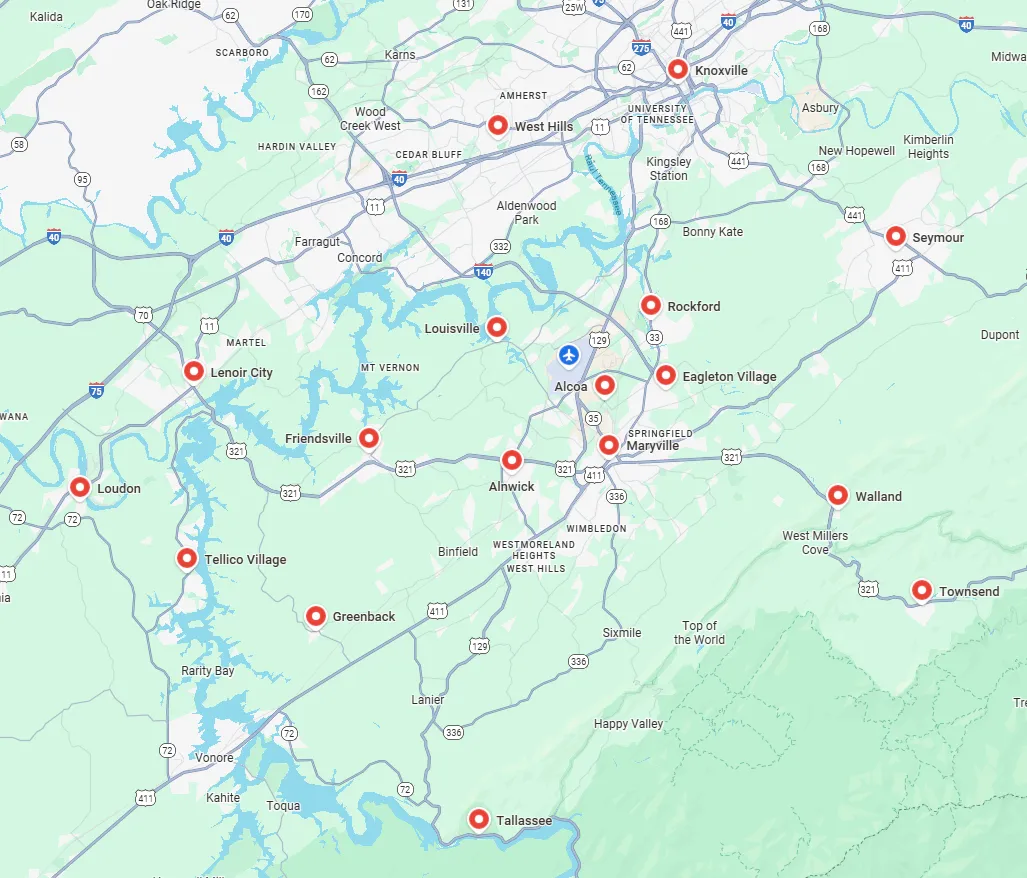
Service areas