

Water Heater Replacement in Townsend, TN
Replacing a water heater is a significant step for your home's comfort. Especially in Townsend, TN, where those cold winter mornings, charming cabin-style homes, and even hard water can really put your equipment to the test, getting the right replacement and a smooth installation is key. At Everest Air Heating and Cooling, we understand this completely. Our experienced technicians follow a structured, full-system replacement process, making sure your new water heater is perfectly sized, installed to code, and optimized for peak long-term performance and efficiency.
.avif)
Why consider full-system replacement now
Many homeowners put off replacing a failing water heater because repair seems cheaper. However, repeated repairs, rising energy bills, and the growing risk of leaks or catastrophic tank failure make replacement the smarter decision at a certain point. Full-system replacement addresses:
- Persistent or recurring failures and leaks
- Sharp declines in capacity or recovery time
- Corrosion or visible rust on tank components
- Rising energy costs from an aging, inefficient unit
- Desire to upgrade to a tankless, high-efficiency, or heat pump model
In Townsend homes, where many properties are older or see seasonal occupation (vacation cabins, rental properties), replacing an aging water heater proactively avoids frozen-pipe related damage and sudden cold-weather outages.
Common water heater problems and replacement triggers
When evaluating whether to repair or replace, technicians look for clear signs that replacement is the best long-term option. Frequent issues include:
- Leaks around the tank or fittings indicating imminent tank failure
- Rusty or discolored hot water from corrosion inside the tank
- Strange noises such as banging or rumbling caused by sediment build-up
- Not enough hot water or long recovery times despite working heating elements or burners
- Pilot light issues or gas control failures on gas units
- Recurrent electrical problems or tripped breakers for electric heaters
- Frequent burner or element replacements in older systems
For Townsend residents, mineral-rich well water often accelerates sediment buildup. If your home relies on well water or you notice hard water scaling, replacement paired with water treatment can dramatically extend the life of a new heater.
Types of replacement options: tank, tankless, and high-efficiency models
Choosing the right type of water heater depends on household hot water demand, space constraints, energy priorities, fuel availability, and budget. Everest Air Heating and Cooling helps explain differences and recommend the best fit for Townsend homes.
Tank water heaters
- Pros: Lower upfront cost, simple installation, reliable for high simultaneous demand
- Cons: Larger footprint, standby heat loss, shorter lifespan than some alternatives
- Best for: Households with high simultaneous hot water use and where budget or replacement simplicity matters
Tankless (on-demand) water heaters
- Pros: Compact footprint, no standby heat loss, longer expected service life, better continuous supply for small to medium households
- Cons: Higher upfront cost, may require upgraded gas line or electrical service, potential upfront complexity for multiple high-demand points
- Best for: Smaller homes, efficient cabins, homeowners wanting a continuous supply without a large tank, and those prioritizing energy savings
Heat pump and hybrid water heaters
- Pros: Significantly higher efficiency for electric systems, lower operating costs in mild climates, eligible for certain rebates or incentives
- Cons: Larger installation space with proper ventilation, performance can drop in very cold spaces
- Best for: Homeowners seeking long-term energy savings and environmental benefits; works well in conditioned spaces or milder areas of Tennessee
High-efficiency gas condensing units
- Pros: Very efficient for gas applications, great for homes that run gas heating and want to maximize fuel use
- Cons: Require proper condensate disposal and may be more expensive initially
- Best for: Gas-fed Townsend homes seeking top gas efficiency
How technicians evaluate your existing unit
A thorough evaluation drives the replacement recommendation. Everest Air Heating and Cooling technicians perform a complete inspection that includes:
- Age and model assessment to gauge expected remaining life
- Visual and pressure checks for leaks, corrosion, and venting integrity
- Anode rod inspection for tank corrosion protection
- Draft, venting, and combustion safety checks for gas units
- Electrical panel and breaker capacity check for electric and tankless installs
- Flow rate and household demand analysis to size tankless systems properly
- Water quality and sediment assessment, especially for well water or older plumbing systems
- Space, venting, and code constraints analysis to determine installation logistics
This evaluation ensures the recommended replacement aligns with your household needs and Townsend-specific conditions like seasonal occupancy, water quality, and home layout.
Sizing and selection guidance
Proper sizing prevents undersized systems and avoids wasting money on an oversized unit. Key considerations include:
- Peak hot water demand: how many fixtures may run at once (showers, dishwasher, washing machine)
- Recovery rate for tanks or gallons per minute (GPM) for tankless units
- Long-term household changes: additions, rental use, or future remodeling
- Space available for installation and venting
- Fuel type availability and local costs
Everest Air Heating and Cooling uses field measurements and usage profiles to recommend models that match both capacity and efficiency goals for Townsend homes.
Removal and environmentally responsible disposal
Old water heaters must be removed carefully to avoid water damage, contamination, and code violations. Everest Air Heating and Cooling follows a responsible removal process:
- Drain and neutralize remaining water, capturing sediment and contaminants for proper disposal
- Isolate and cap gas, water, and electrical connections per code
- Detach venting and flue components safely for gas units
- Recycle metals when possible and dispose of nonrecyclable parts according to regional regulations
- For heat pump or hybrid units that contain refrigerant or specialized components, reclaim refrigerant using certified technicians and follow EPA handling requirements
- Document disposal to ensure compliance with local Townsend and county regulations
Responsible disposal protects your property and the local environment while ensuring that the replacement starts on a clean, code-compliant foundation.
Step-by-step replacement and testing process
A transparent, stepwise replacement process minimizes surprises and downtime. Typical steps include:
- Final evaluation and permit check
- Confirm model selection, site prep, and whether a permit is required by local authorities or codes
- Preparation and protection
- Protect work area with drop cloths; shut off water, gas, and power safely
- Safely disconnect and remove the old unit
- Drain the tank, disconnect lines, and carefully extract the unit from the installation location
- Site prep for the new unit
- Repair or modify piping, update venting or electrical as needed, install drain pans or floor protection where required
- Install new unit per manufacturer instructions and local code
- Properly size and install venting for gas, or ensure correct electrical service for electric and tankless units
- Connect fixtures and auxiliary equipment
- Add expansion tanks, pressure relief valves, dielectric unions, condensate drains, or water treatment equipment as applicable
- Start-up and commissioning
- Fill and purge air from the system, establish proper gas pressure or electrical connections, set temperature controls
- Performance testing
- Leak checks, combustion efficiency or CO testing for gas units, flow and temperature verification, and safety device function tests
- Customer walk-through and documentation
- Explain new controls, warranty registration details, maintenance recommendations, and provide paperwork showing compliance checks and testing
This step-by-step approach reduces installation errors and ensures your new water heater performs reliably from day one.
Specific checks for gas vs electric vs tankless systems
- Gas units: verify proper venting, check for combustion byproducts and CO levels, test gas pressure and burner operation, and ensure flue termination complies with local codes.
- Electric tanks: confirm breaker sizing, wire gauge, and element operation; check for proper bonding and grounding.
- Tankless units: verify minimum flow activation, install dual units or recirculation if needed for simultaneous high demand, and ensure incoming water temperature and gas or electrical supply meet manufacturer requirements.
Everest Air Heating and Cooling technicians are trained in each system type to handle the technical nuances and safety checks that matter for Townsend homes.
Warranty coverage and what it means for you
Warranty protection has two parts: the manufacturer warranty and the installer or workmanship warranty. Typical warranty elements to understand:
- Manufacturer warranty: covers specific components, often with different terms for the heat exchanger, burner, or tank. Tank warranties commonly range from 6 to 12 years for larger components; tankless systems often carry longer heat exchanger warranties but shorter parts warranties.
- Workmanship warranty: covers installation-related issues and improper setup. These warranties can vary widely by installer; typical lengths might range from 1 to 10 years.
- What voids warranties: improper installation, lack of routine maintenance, and failing to register the unit with the manufacturer can impact coverage.
- Transferability: some manufacturer warranties transfer to new owners, others do not; review terms if you plan to sell the property.
Everest Air Heating and Cooling documents the installation, provides warranty registration guidance, and outlines maintenance requirements to keep warranties valid.
Financing and rebate options for Townsend homeowners
Replacing a water heater can be a significant investment, but there are commonly available ways to reduce upfront costs and improve lifecycle savings:
- Manufacturer financing: Many manufacturers and lenders offer special financing for equipment purchases. Terms vary, so review the duration and interest conditions.
- Local utility rebates: Some utility companies and regional programs provide rebates for high-efficiency water heaters, heat pump models, or energy-saving upgrades. Townsend homeowners should check local programs and regional utility incentives that apply to Blount and surrounding counties.
- State and federal incentives: From time to time, federal tax credits or energy tax incentives are available for qualifying high-efficiency equipment. Check current eligibility and documentation requirements.
- Payment plans: Some HVAC companies offer internal financing or payment plans to spread installation costs over time.
- Rebate stacking: Combining manufacturer rebates with utility incentives and tax credits can materially lower net costs for high-efficiency or heat pump water heaters.
Everest Air Heating and Cooling helps identify potential rebates and financing avenues and provides the necessary documentation to apply, so you can make a financially informed decision.
Minimizing downtime during replacement
Downtime is a major concern for households that rely on continuous hot water. To minimize disruption during the swap:
- Schedule replacement for times of lowest household demand, such as mid-day or when occupants are out
- Pre-plan showers and laundry to avoid peak demand during replacement day
- Use alternative hot water sources temporarily, such as a small point-of-use electric heater or stove-top heating for washing dishes
- For vacation homes or rentals, coordinate replacement during unoccupied periods to avoid inconvenience to guests
- Ensure quick access to a temporary heating method if replacing a single large tank in a house with multiple occupants
Technicians typically complete a standard water heater swap within a business day, but complexity (electrical upgrades, gas line work, venting changes, or permitting) can extend timelines. Planning and preparation help minimize the inconvenience.
Maintenance to extend the life of your new water heater
After replacement, regular maintenance preserves efficiency and prevents premature failures. Recommended tasks include:
- Annual drain and flush to remove sediment, especially important in hard water or well water areas like Townsend
- Inspect and replace sacrificial anode rods as needed to prevent internal corrosion
- Schedule annual combustion and safety checks for gas models
- Check pressure relief valves and expansion tanks for proper operation
- For tankless systems, periodic descaling or descaling systems if water hardness is high
- Regular inspection of venting and condensate lines for clogs or damage
Enrollment in a preventive maintenance plan, such as the Y.E.T.I Comfort Plan offered by Everest Air Heating and Cooling, can capture these tasks in scheduled service visits and helps maintain warranty compliance.
Upgrades and add-ons to consider at replacement
When replacing your water heater, this is an ideal time to address related items that improve performance and durability:
- Water softening or filtration to reduce scaling and sediment
- Recirculation pumps for faster hot water delivery in larger homes
- Expansion tanks to protect plumbing from thermal expansion and pressure spikes
- Smart temperature controls and timers to optimize energy use
- Insulation upgrades for accessible hot water pipes or reconsidering tank insulation for increased efficiency
- CO alarms near gas-fired appliances for added safety
These upgrades often increase comfort and reliability, reduce long-term energy bills, and protect your investment.
Why local expertise matters in Townsend, TN
Townsend sits in the foothills of the Great Smoky Mountains and features a mix of older homes, cabins, and modern constructions. Local factors that affect water heater selection and installation include:
- Water quality: well water and mineral content can accelerate tank and element wear
- Seasonal occupancy: cabins and rentals require controls to prevent freeze damage and balance energy use when unoccupied
- Limited space or nonstandard installations in older homes that require creative venting or equipment placement
- Local permitting and code nuances that vary by county and municipality
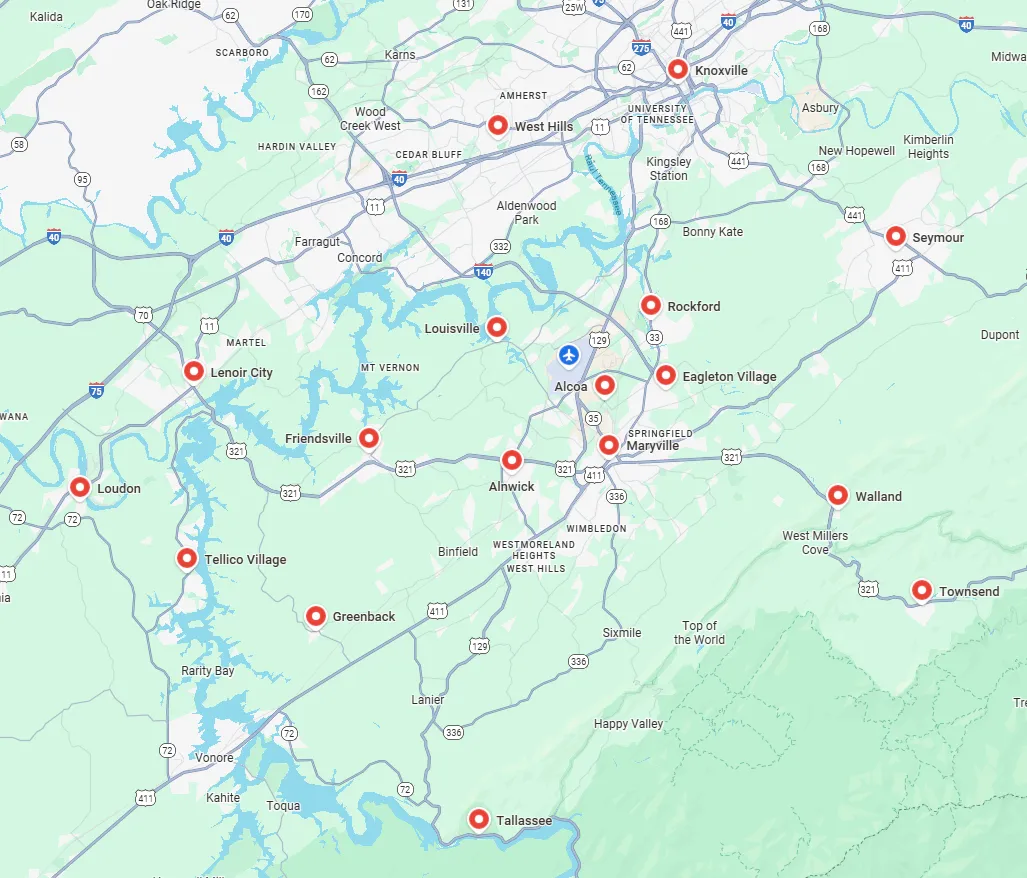
Everest Air Heating and Cooling has hands-on experience in Blount, Loudon, Knox, and Sevier counties and understands the local building practices and environmental conditions that affect equipment choice and installation technique.
Final considerations when making a decision
When deciding on replacement, weigh immediate installation costs against long-term operating expenses, reliability, and the particular needs of your Townsend household. Consider:
- How many people and fixtures regularly need hot water at the same time
- Whether you want the compact footprint and efficiency of tankless or the predictability and lower initial cost of a tank
- Your tolerance for maintenance and potential need for water treatment
- Availability of local rebates, tax incentives, and financing options
- Warranty breadth and installer workmanship guarantees
Selecting the right combination of equipment, installation quality, and ongoing maintenance will deliver reliable hot water for years and reduce the risk of unexpected failures.
FAQs
Q: How long does a typical water heater replacement take?
A: A straightforward replacement often takes a single work day, but jobs requiring electrical upgrades, gas line work, venting modifications, or permits may take longer.
Q: Should I choose tankless or tank for my Townsend home?
A: It depends on household demand, simultaneous fixture use, budget, and space. Tankless is efficient and compact but may require electrical or gas upgrades; tanks are simple and cost effective for high simultaneous demand.
Q: Will my insurance require a permit for replacement?
A: Many localities require permits for water heater replacement. Permits ensure installation meets code and may affect insurance coverage. Installer familiarity with local permitting is important.
Q: Are there rebates or tax credits available in Tennessee?
A: Rebates and tax incentives vary by utility and time. High-efficiency units and heat pump water heaters often qualify for rebates or incentives. Check current local and federal programs for eligibility.
Q: How does hard water affect my new water heater?
A: Hard water increases sediment and scale that reduce efficiency and lifespan. Consider a water softener, regular flushing, and maintenance to mitigate effects.
Q: What warranties should I expect?
A: Manufacturer warranties vary by model and component. Tank warranties often range from 6 to 12 years, while tankless heat exchangers may have longer terms. Installer workmanship warranties vary and should be confirmed in writing.
Q: Can I keep my old plumbing and just swap the tank?
A: Often yes, but older plumbing may not meet current codes or could limit efficiency. Technicians evaluate piping, venting, and electrical systems and advise on necessary upgrades.
Q: How can I minimize downtime on the day of replacement?
A: Schedule during low-demand times, plan alternate hot water use, and discuss temporary solutions with your installer. Proper planning typically limits downtime to hours rather than days.
Q: Do tankless systems need maintenance?
A: Yes. Tankless units require periodic descaling in hard water areas and regular service to maintain efficiency and prevent premature wear.
Q: Will replacing the water heater improve my energy bills?
A: Replacing an old, inefficient unit with a high-efficiency or heat pump model can lower operating costs. Savings depend on usage patterns, fuel costs, and the efficiency of the new unit.
Everest Air Heating and Cooling provides the local experience and technical knowledge to guide Townsend homeowners through evaluation, selection, installation, and post-installation care so the new water heater meets your household needs reliably and efficiently.
hear what our satisfied clients have to say

David P.
Service areas