

Water Heater Repair in Townsend, TN
Water heaters are absolutely essential in Townsend, TN – whether it's your family home, a cozy cottage, or a rental property. When one fails, daily life grinds to a halt: no hot showers, dirty dishes piling up, and even the risk of water damage. Thankfully, Everest Air Heating and Cooling is here with experienced diagnostic and repair services, specifically designed for the unique conditions in Townsend and the beautiful Great Smoky Mountains area. We'll walk you through common issues, how we accurately diagnose problems, our straightforward repair process, and what to expect for emergency versus routine service. Our team at Everest Air Heating and Cooling also handles parts replacement, ensures safety and code compliance, provides clear timelines, and offers smart maintenance tips to help your water heater last longer.
.avif)
Why water heater repair matters in Townsend, TN
Townsend experiences humid summers, cold spells in winter, and water quality that can include mineral buildup. Those regional conditions increase the likelihood of corrosion, sediment accumulation, and stress on components. Many homes in the area are older or serve as seasonal rentals and cabins, where equipment is exposed to variable loads and periodic vacancy. Prompt, professional water heater repair reduces energy waste, prevents property damage, and keeps homes compliant with gas and electrical safety standards common to Tennessee residences.
Common water heater issues in Townsend homes
Understanding frequent failure modes helps homeowners identify when to call for professional repair. The most common issues we see in Townsend include:
- No hot water or insufficient hot water
- Intermittent hot water, rapid temperature fluctuations
- Water leaks around the tank, valves, or connections
- Pilot light or ignition failures on gas units
- Faulty heating elements or thermostats on electric units
- Strange noises such as popping or rumbling from sediment buildup
- Discolored or foul-smelling water caused by corrosion or bacterial growth
- Pressure relief valve drips or catastrophic valve failures
- Corroded anode rods and tank corrosion
- Failed dip tubes causing cold water at the top of the tank
Each symptom points to a targeted diagnostic path. Everest Air Heating and Cooling technicians use systematic troubleshooting to determine whether repair, component replacement, or full system replacement is the most cost effective and safe option.
How we diagnose water heater problems
Professional diagnosis begins with a structured inspection and testing routine to isolate the root cause. Our diagnostic checks include:
- Visual inspection for leaks, rust, corrosion, and signs of overheating
- Confirming power supply: gas line integrity, pilot status, thermocouple function, and electrical feed
- Thermostat and heating element testing on electric tanks using multimeters
- Gas valve and burner assembly inspection on gas units for soot, flame quality, and proper venting
- Pressure relief valve operation and plumbing connection checks
- Sediment assessment by sampling the tank drain and inspecting the dip tube
- Temperature and pressure (T P) measurements to confirm accurate thermostat settings and domestic hot water delivery
- Combustion and venting tests to ensure safe exhaust flow and carbon monoxide risk mitigation
- Leak source identification to distinguish between tank failure, external plumbing connections, and internal component leaks
Our technicians explain findings in plain language, outline possible repair paths, and identify safety concerns that require immediate attention.
Typical repairs and solutions
Repairs are selected based on diagnosis, age of the unit, and homeowner priorities. Common repair and replacement actions include:
- Replacing heating elements and thermostats on electric water heaters
- Cleaning or replacing burners, thermocouples, and gas valves on gas units
- Repairing or replacing leaking inlet/outlet fittings, pressure relief valves, and drain valves
- Installing new temperature and pressure relief valves where required
- Flushing tanks to remove sediment and improve heat transfer efficiency
- Replacing corroded anode rods to extend tank life
- Repairing or replacing dip tubes to restore proper cold water delivery
- Correcting venting and combustion air issues to meet safety standards
- Addressing thermostat calibration to restore accurate temperature control
- Replacing control modules or ignition assemblies for modern gas or hybrid units
If the tank itself is compromised by corrosion or has developed a crack, replacement is often recommended for safety and long term reliability. Everest Air Heating and Cooling evaluates each situation and explains why a repair or a replacement best meets the homeowner’s needs.
Emergency repairs vs routine service
Water heater problems are not all created equal. Some require immediate attention, while others can be scheduled for routine service.
Emergency scenarios that need immediate response:
- Active tank leaks or major water loss threatening property
- No hot water in freezing conditions that risk pipe freezing or occupant safety
- Gas odor or suspected gas leak originating from the water heater
- Carbon monoxide concerns from blocked venting or combustion issues
- Rapidly rising pressure or a failed pressure relief valve
Routine repairs and maintenance:
- Intermittent heating problems that allow temporary use
- Minor drips from valves that can be monitored until a scheduled repair
- Sediment buildup causing inefficiency but not immediate safety risk
- Thermostat inaccuracies or gradual performance decline
Everest Air Heating and Cooling handles both emergency response and planned maintenance, prioritizing safety and minimizing disruption to your household or rental property in Townsend.
Troubleshooting steps you can perform safely
Before a technician arrives, a few homeowner checks can help narrow the issue without risking safety. Only perform electrical or gas checks if you are comfortable and follow local safety norms. If you suspect gas leaks or carbon monoxide, evacuate and contact appropriate emergency services.
Simple safe checks:
- Confirm the circuit breaker for the water heater is on for electric units
- Check the gas supply valve is open for gas units and ensure no strong gas odor is present
- Inspect the area around the unit for visible leaks, corrosion, or moisture
- Check the temperature setting on the thermostat; set to 120 degrees Fahrenheit for safety and efficiency
- Drain a small amount of water from the drain valve into a bucket to assess sediment and flow
- Observe the pilot light area (gas units) for a steady blue flame; a yellow or flickering flame can indicate combustion issues
- Listen for unusual noises during operation that may indicate sediment or failing components
If any check reveals serious problems (gas smell, active leak, nonfunctional electrical breaker that trips repeatedly), stop and wait for professional service.
Parts replacement and component considerations
When a repair requires parts, technicians follow industry best practices to ensure longevity and compatibility. Common parts we replace include:
- Heating elements and thermostats for electric water heaters
- Thermocouples, gas control valves, ignition modules, and burners on gas units
- Temperature and pressure relief valves, drain valves, and inlet/outlet fittings
- Anode rods to slow tank corrosion
- Dip tubes to maintain proper water layering inside the tank
- Expansion tanks or pressure control devices when required by local plumbing conditions
We use OEM-equivalent parts or manufacturer-recommended components that meet performance and safety standards. For older systems where replacement parts are no longer available or repairs would only delay an inevitable failure, we clearly explain the tradeoffs and replacement options.
Safety and code compliance in Townsend
Safety is the top priority for any water heater repair. Townsend homes often have varied venting arrangements and older plumbing, so adherence to local and national codes is essential. Key safety and code checks include:
- Combustion air and venting inspections to prevent carbon monoxide backdraft
- Gas line connections and leak checks using approved methods
- Electrical wiring inspections to verify proper gauge, grounding, and breaker sizing
- Proper installation and testing of temperature and pressure relief valves
- Verification of seismic strapping or anchoring where applicable in local building codes
- Ensuring appropriate clearances from combustible materials for gas water heaters
- Proper condensate and drainage management for high-efficiency models
Everest Air Heating and Cooling performs these checks and documents compliance as part of the service. When a repair requires permitting or relocation for code compliance, we explain the requirements and next steps to meet local standards in Townsend and Blount County.
Expected repair timelines
Repair timelines vary based on diagnosis, parts availability, and job complexity. Typical timeframes we observe include:
- Simple thermostat or heating element replacement: most completed within 1 to 3 hours
- Pilot light assembly, thermocouple, or small gas control repairs: 1 to 4 hours
- Replacing dip tube, anode rod, or drain valve: 1 to 3 hours depending on access
- Sediment flush and minor plumbing repairs: 1 to 3 hours
- Replacement of burners, valves, or more complex gas system repairs: 2 to 6 hours
- Full water heater replacement and proper venting/electrical hookups: generally half a day to a full day depending on installation complexity and necessary plumbing or venting modifications
Factors that affect timelines:
- Accessibility of the unit in basements, crawlspaces, or utility closets
- Need for specialty fittings or conversion kits
- Permitting or code compliance work required by local authorities
- Condition of surrounding plumbing and whether additional repairs are needed
Everest Air Heating and Cooling provides clear timelines once diagnostics are complete and keeps homeowners informed about any changes that affect scheduling.
Pricing expectations without specific figures
While exact pricing depends on the specific issue and parts required, the main cost drivers are:
- Diagnostic complexity and time on site
- Cost of replacement parts and whether they are OEM or aftermarket
- Labor time required for isolation, repair, and safety testing
- Any necessary plumbing, venting, or electrical modifications
- Whether a full unit replacement is more economical than a series of repairs given the unit age and condition
Homeowners in Townsend often weigh repair cost against the age of the water heater and future reliability. Everest Air Heating and Cooling evaluates long term value versus immediate repair to recommend the most economically sensible option.
Preventive maintenance to extend equipment life
Regular maintenance is the single most effective way to prevent emergency failures and extend the life of a water heater. A maintenance routine includes:
- Annual or biannual tank flushes to remove sediment, especially in areas with hard water
- Inspecting and replacing anode rods every 2 to 5 years depending on condition and water chemistry
- Testing the temperature and pressure relief valve annually
- Verifying thermostat accuracy and adjusting to 120 degrees Fahrenheit for safety and energy savings
- Checking for leaks, corrosion, and insulation condition
- Inspecting gas burners and venting pathways for soot and proper operation
- Adding insulation to older tanks and piping to reduce standby heat loss
- Winterizing vacation properties or seasonal rentals to prevent freeze damage
For Townsend properties subject to seasonal occupancy, preparing the water heater before vacancy and recommissioning properly upon return prevents many common problems.
Special considerations for Townsend rentals and cabins
Properties that function as short-term rentals or seasonal cabins create unique demands on water heaters: occasional heavy use during peak seasons, long idle periods, and higher expectations for reliability from guests. Best practices include:
- Scheduling inspections before high season to identify weak components
- Installing tanks or tankless systems sized for peak demand to avoid hot water shortages
- Ensuring guest-accessible Kicks or shutoff instructions are clearly posted
- Using robust components and protective measures like secondary leak detection or overflow containment
- Considering hybrid or higher-efficiency models for energy savings in long-term rental operations
Everest Air Heating and Cooling understands the operational needs of Townsend property owners and offers repair and maintenance options tailored for rental reliability.
When replacement becomes the better option
Sometimes repeated repairs are a sign that replacement is the more prudent choice. Indicators that a new water heater may be the better long term investment include:
- Recurrent leaks or multiple simultaneous component failures
- Tank corrosion visible at fittings, floor seams, or the bottom of the tank
- Anode rod consumption that recurs rapidly despite replacement
- Older units that have exceeded typical useful life spans and show decreased efficiency
- Rising repair costs that approach a significant fraction of replacement cost
- Safety issues related to outdated venting or combustion technologies
When replacement is recommended, we explain system sizing, energy efficiency options, venting considerations, and how a new installation can reduce long term operating costs.
Benefits of timely water heater repair and maintenance
Prompt and professional attention to water heater issues provides several clear benefits:
- Prevents water damage from leaks and reduces risk of catastrophic tank failure
- Restores reliable hot water for comfort and hygiene
- Improves energy efficiency and reduces utility bills
- Extends equipment life through proper component care
- Ensures safe operation with combustion and electrical systems checked for hazards
- Maintains compliance with local plumbing and building codes
- Reduces unexpected downtime for rental and seasonal properties
Everest Air Heating and Cooling approaches each job with an eye toward lasting solutions that match the homeowner’s budget and long term goals.
FAQs
Q: What are the first signs that my water heater needs repair?
A: Common early signs include reduced hot water capacity, inconsistent temperatures, odd noises like popping or rumbling, visible corrosion or small drips around the tank, and discolored water. Prompt inspection prevents minor issues from escalating.
Q: How long will a typical water heater repair take?
A: Simple component replacements often take a few hours. More complex repairs or replacements with venting or plumbing work can take half a day or more. Accessibility and parts availability are the primary factors.
Q: Can I do anything to troubleshoot a cold water problem before a technician arrives?
A: For electric units, check the breaker and confirm the thermostat settings. For gas units, ensure the gas valve is open and observe the pilot or ignition. If you smell gas or suspect a leak, evacuate and get professional help immediately.
Q: Is it worth repairing an older water heater?
A: It depends on the age, condition, and pattern of failures. If the tank is corroded or repairs are frequent and costly, replacement typically yields better reliability and efficiency. We help homeowners weigh repair versus replacement options.
Q: How often should I flush my tank?
A: In Townsend, where mineral content can be moderate to high, flushing at least once a year is recommended. Properties with heavier mineral buildup may benefit from more frequent flushing.
Q: Are there safety checks performed after repairs?
A: Yes. After repairs we test for proper temperature control, pressure relief valve operation, combustion quality for gas units, venting integrity, and gas or electrical connection safety. We document findings and recommend follow up if needed.
Q: What maintenance steps extend tank life on rental properties?
A: Regular scheduled flushes, periodic anode rod checks, winterization procedures when vacant, and verifying thermostat and valve functionality before peak rental seasons all improve longevity and reduce guest complaints.
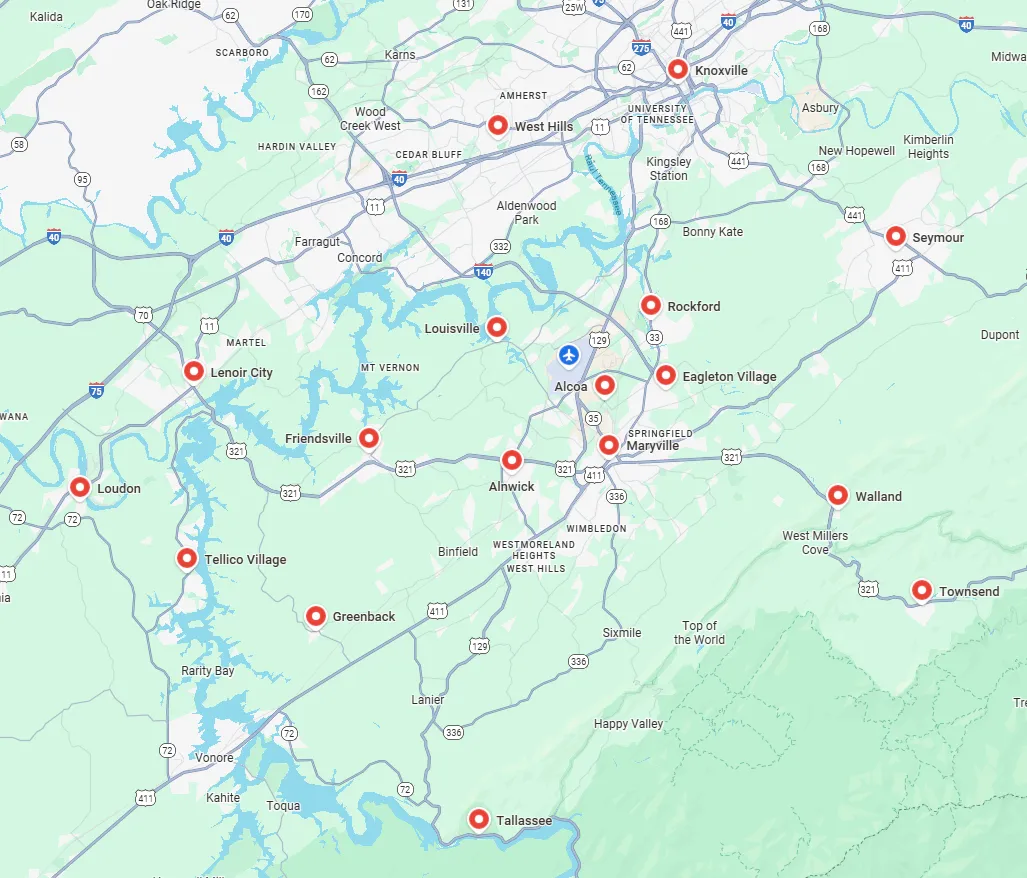
Everest Air Heating and Cooling combines local Townsend knowledge with proven diagnostic and repair techniques to restore safe and efficient hot water service. Our approach emphasizes clear explanations of problems and practical recommendations that fit the needs of homeowners and rental property operators in the Townsend area. Regular maintenance, timely repairs, and code-conscious installations protect your home and help avoid costly emergency situations.
hear what our satisfied clients have to say

David P.
Service areas