

Water Heater Replacement in Seymour, TN
Deciding to replace a failing water heater is one of the most important choices a homeowner makes for their comfort, energy use, and long-term budget. Here at Everest Air Heating and Cooling, we provide thorough, straightforward water heater replacement services in Seymour, TN, always focused on finding the absolute right solution for your home. We'll start with a careful look at your current equipment, lay out clear options between high-efficiency tank models and modern tankless systems, give you a transparent installation timeline, responsibly remove and dispose of your old unit, and offer practical guidance on energy savings, warranties, financing, and ongoing maintenance. Our goal is to ensure you feel confident and fully informed to make a replacement decision that truly fits your Seymour home's unique needs.
.avif)
Common water heater problems in Seymour, TN homes
- Leaks or pooling around the tank: often a sign the tank corrosion has progressed to failure.
- Reduced hot water supply: older tanks lose capacity, heating elements fail on electric units, or burners weaken on gas models.
- Rusty, metallic, or discolored hot water: indicates internal corrosion and the need for replacement.
- Strange noises: popping or rumbling typically caused by sediment buildup common in areas with hard water.
- Rising operating costs: older systems run less efficiently and may cost significantly more to operate.
- Pilot light or ignition issues on gas units: can indicate failing components or vents that need updating.
Understanding these problems helps determine whether repair is a short-term fix or replacement is the prudent long-term choice.
Initial evaluation: what we check
Everest Air Heating and Cooling begins each replacement with a thorough evaluation of your existing system. That assessment typically includes:
- Age and model of the water heater and documented service history.
- Visual inspection for leaks, rust, and venting condition.
- Measurement of incoming water quality and sediment levels when indicated.
- Fuel type and supply: natural gas, propane, or electric; verifying line capacity and pressure.
- Current output capacity and household hot water usage patterns (number of occupants, peak times, appliances).
- Venting, combustion air, and safety features for gas models.
- Space constraints and installation access, including attic or crawlspace considerations.
- Local building code and permit requirements for Seymour and surrounding counties.
This evaluation establishes whether a like-for-like replacement is appropriate or whether a high-efficiency upgrade or conversion to tankless makes better sense for long-term savings and performance.
Replacement options: tank, high-efficiency tank, and tankless
Everest Air presents replacement recommendations that balance upfront cost, operating efficiency, lifetime, and your household needs. Primary options include:
- Conventional tank water heaters
- Common, reliable, and lower initial cost.
- Available in gas, propane, and electric models.
- Typical lifespan 8 to 15 years depending on water quality and maintenance.
- Best for simple installations where space and budget are primary constraints.
- High-efficiency tank models
- Improved insulation, higher recovery rates, and higher energy factors than older units.
- Condensing gas tanks and heat pump water heaters are options that can dramatically lower operating costs.
- Heat pump water heaters are extremely efficient in moderate climates and for homes with space for the unit and adequate ventilation.
- Require slightly higher upfront investment but can reduce annual running costs substantially.
- Tankless (on-demand) water heaters
- Provide continuous hot water with no standby heat loss.
- Long service life (often 20 years or more with proper maintenance).
- Ideal for homeowners wanting smaller footprint, higher efficiency, and the potential to eliminate tank failures.
- Performance depends on proper sizing for flow rate (gallons per minute) and impact of incoming water temperature during Seymour winters.
- May require electrical upgrades, venting changes, or additional gas line capacity for gas-fired tankless units.
Selecting the right system is a balance of household hot water demand, existing infrastructure, space constraints, and long-term energy goals. Everest Air explains these tradeoffs in plain language and helps match the model to your priorities.
Sizing and performance considerations for Seymour homes
Correct sizing is critical. Oversized tanks waste energy and space while undersized tanks or undersized tankless units produce poor performance and user frustration. Key considerations:
- Household size and hot water usage patterns: morning showers, dishwasher cycles, laundry loads.
- Peak demand flow for tankless systems: total GPM required for simultaneous fixtures.
- Incoming groundwater temperature in Seymour: colder incoming water in winter increases the heating load for tankless units and affects required unit sizing.
- Future needs: planned home renovations or additional bathrooms.
Everest Air uses industry-standard calculations and local experience to recommend an appropriately sized solution that avoids undersizing in winter and oversizing year-round.
Typical replacement timeline and what happens each step
A standard water heater replacement project with Everest Air follows a consistent, transparent timeline:
- On-site evaluation and recommendation
- Duration: about 30 to 60 minutes for a single-family home.
- Deliverables: recommendation of replacement options, estimated timelines, and an overview of required permits or modifications.
- Selection and scheduling
- Duration: scheduling depends on homeowner choice and parts availability; typically 1 to 14 days.
- Deliverables: confirmed equipment choice, installation window, and permit submission as required.
- Preparation
- Pre-install checklist: confirm fuel type, electrical capacity, venting needs, and clear access.
- Everest Air verifies model delivery and prepares materials.
- Installation day
- Conventional tank swap: 3 to 6 hours for standard installs.
- High-efficiency/tankless installs: 6 to 12 hours for installations requiring new venting, gas line upgrades, or electrical work.
- Complex installs with structural or plumbing modifications may extend to 1 to 2 days.
- Inspection and startup
- Everest Air tests for leaks, confirms proper venting and combustion, verifies thermostat settings, and demonstrates operation.
- If local permits are required, allow time for municipal inspection and sign-off.
- Clean-up and removal
- Old unit is disconnected, properly drained, and removed from the property for disposal or recycling.
- Work area is cleaned and left ready for regular use.
This timeline varies based on model choice, whether venting or fuel conversions are required, and permit processing by local building departments. Everest Air lays out realistic expectations up front so you can plan.
Removal and disposal of old water heaters
Responsible disposal is part of a professional replacement:
- Tanks are drained, disconnected, and transported off-site.
- Metal parts are recycled where possible; hazardous materials such as old anode rods and insulating materials are handled per local regulations.
- If the old unit contains refrigerants (as in some heat pump models), Everest Air ensures certified recovery.
- Everest Air documents disposal and recycling as required by local codes.
Local building codes in Seymour and surrounding counties sometimes require proof of proper disposal and may have specific requirements when switching fuel types or modifying venting. Everest Air manages those details as part of the replacement.
Safety, permits, and code compliance
Water heater replacements must meet building and safety codes. Everest Air ensures:
- Proper permits are obtained when required by local authorities.
- Gas connections, venting, combustion air, and electrical connections meet current code.
- Pressure relief valves, expansion tanks, and seismic strapping where applicable are installed correctly.
- Combustion and carbon monoxide safety checks are performed on gas or propane systems.
Compliance provides peace of mind and prevents costly rework or legal issues during future inspections or home sales.
Expected energy and cost savings
Replacing an old water heater with a newer high-efficiency tank or tankless system typically yields noticeable savings. Typical outcomes:
- Upgrading from a 12-15 year old conventional gas tank to a modern high-efficiency gas tank or condensing model can reduce water heating energy use by 10 to 25 percent depending on model and usage.
- Switching from an old electric tank to a heat pump water heater can reduce water heating energy use by 50 to 70 percent in favorable conditions.
- Installing a properly sized tankless system can reduce energy use by 20 to 40 percent versus older tanks, largely by eliminating standby heat loss.
- Exact savings depend on household hot water habits, fuel prices, incoming water temperature, and local utility rates in Tennessee.
Example illustration: if a household spends about 15 percent of their energy bill on water heating and annual water heating costs are $600, a 30 percent reduction could save about $180 per year. Over the life of the unit, these savings can offset higher upfront costs of high-efficiency options. Everest Air provides tailored estimates based on your current usage and local fuel rates so you can compare payback scenarios.
Warranties and what they cover
Understanding warranty coverage is important for long-term peace of mind:
- Manufacturer warranties: typical coverage ranges from 6 to 12 years for tanks and up to 10 to 15 years or more for critical components like heat exchangers on tankless units. Coverage depends on model and correct installation.
- Labor warranties: Everest Air stands behind installation workmanship with a labor warranty for a specified period. Labor warranties differ from manufacturer parts warranties.
- What to watch for: warranty transferability, required registration within a given time following installation, and maintenance requirements that can affect warranty validity.
- Proper maintenance: following recommended maintenance schedules preserves manufacturer warranty coverage and extends unit life.
Everest Air reviews warranty details with you, documenting manufacturer requirements and what is covered by labor warranties.
Financing information and options
Investing in a higher-efficiency water heater can be easier with financing. General financing considerations include:
- Typical financing terms: variable by lender and program; options may include fixed monthly payments over 12 to 84 months.
- What to check: interest rate, total interest paid over the term, any prepayment penalties, and whether promotional 0 percent offers have deferred interest clauses.
- Loan type choices: unsecured personal loans, home improvement loans, or equipment financing for energy-efficient systems.
- Tax incentives and rebates: availability varies by time and local utilities; Everest Air can help identify potential incentives that may improve the project economics.
Everest Air provides information about common financing structures to help you compare options and make an informed decision without pressure.
Post-replacement maintenance tips for longevity
Maintaining your new water heater extends life and improves performance. Recommended practices include:
- Annual visual inspection for leaks and corrosion.
- Flushing the tank once a year to remove sediment, or more frequently in homes with hard water.
- Checking and replacing sacrificial anode rods on tank systems as needed to prevent internal corrosion.
- For heat pump water heaters, ensure adequate airflow and seasonal checks of refrigerant circuits by a qualified technician.
- For tankless units, periodic descaling is essential in hard water regions to maintain flow and efficiency.
- Verify pressure relief valve operation annually.
- Keep the immediate area around the unit clean and accessible.
Everest Air offers ongoing maintenance plans through the Y.E.T.I Comfort Plan, designed to ensure systems operate efficiently and warranties remain in force. Regular preventive maintenance reduces the risk of sudden failures and unexpected repair bills.
Benefits beyond energy savings
A proper water heater replacement delivers benefits that go beyond monthly energy bills:
- Improved reliability: fewer cold showers and emergency repairs.
- Better water quality and reduced risk of tank failure and water damage.
- Smaller footprint and flexible placement options with tankless systems.
- Increased home value: properly installed, documented, and permitted systems are an asset in the housing market.
- Lower environmental impact: modern high-efficiency units reduce greenhouse gas emissions for gas-fired systems and lower electricity consumption for electric models.
These long-term advantages often make replacement a sound financial decision for homeowners planning to remain in their home for several years.
Making the right choice with local expertise
Seymour homeowners benefit from a local approach. Local technicians understand seasonal temperature swings that affect incoming water temperature, typical house sizes and layouts in the area, and common plumbing and venting configurations in older East Tennessee homes. Everest Air Heating and Cooling brings that local knowledge to every replacement, pairing it with manufacturer-approved installation practices to ensure safe, efficient operation.
FAQs
Q: How long will the new water heater last compared to my old one?
A: Lifespan varies by type and maintenance. Conventional tanks typically last 8 to 15 years; high-efficiency tanks can last a similar period with better insulation and components; tankless units commonly last 15 to 25 years with proper maintenance.
Q: Will a tankless system save me money right away?
A: Tankless systems often show substantial energy savings over time by eliminating standby losses. Immediate savings depend on your household usage and local fuel costs. Upfront costs are higher, but lifetime operating savings often offset the initial investment.
Q: Do I need a permit to replace my water heater in Seymour?
A: Many replacements require permits, especially when changing fuel type, modifying venting, or altering gas or electrical connections. Local codes and inspections ensure safe installation. Everest Air handles permit requirements as part of the replacement process.
Q: How do I know if a heat pump water heater is a good fit for my home?
A: Heat pump water heaters are highly efficient in moderate climates and require space with adequate air circulation and ambient temperatures. They are a strong option for many Seymour homes, but Everest Air evaluates space and usage to determine suitability.
Q: What maintenance is required for tankless systems?
A: Regular descaling and flushing are critical in hard water areas to prevent scale buildup. Tankless systems generally require a qualified maintenance visit every 12 to 24 months depending on water hardness and usage.
Q: Will replacing my water heater disturb my daily routine?
A: A typical replacement is completed in one day for standard tank swaps and in one to two days for more complex installs. Everest Air coordinates scheduling and performs cleanup so disruption is minimized.
Everest Air Heating and Cooling combines local knowledge, transparent information, and experienced installation to deliver reliable water heater replacement in Seymour, TN. Replacing a water heater is a major home service decision; understanding options, timelines, and long-term benefits helps you choose a system that matches your household needs and budget. Our approach emphasizes safety, efficiency, and longevity so your home’s hot water is dependable year-round.
hear what our satisfied clients have to say

David P.
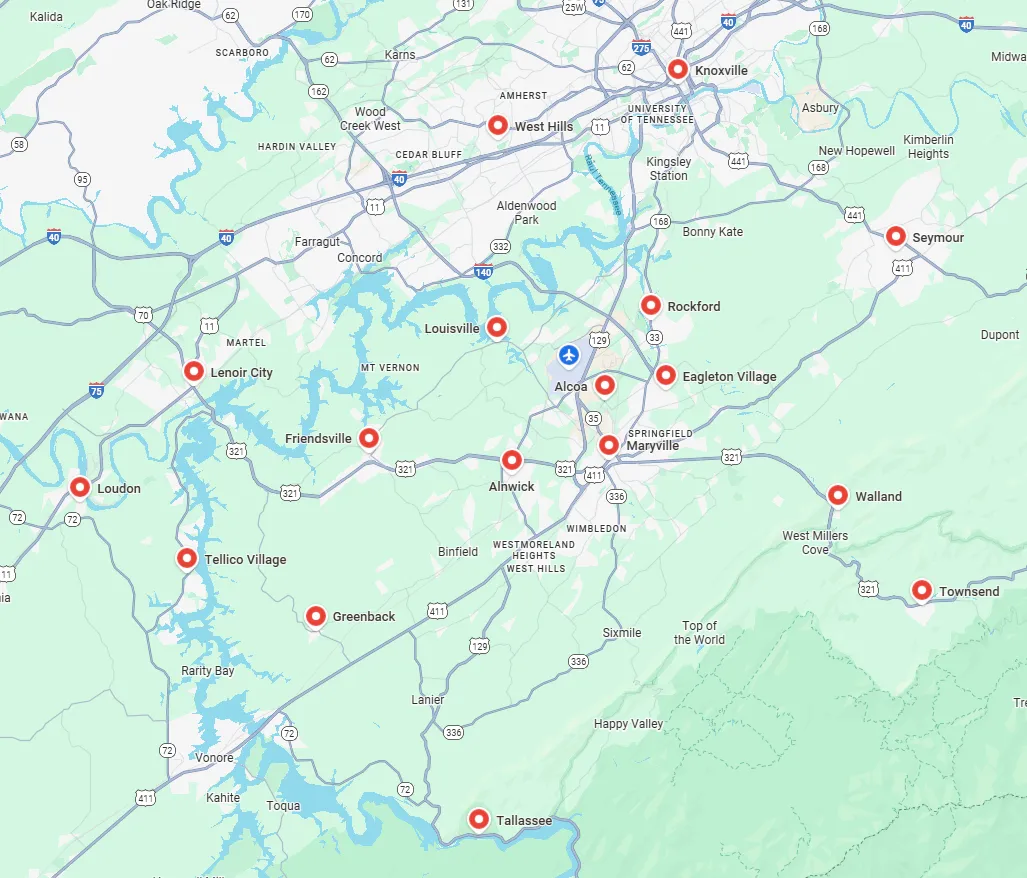
Service areas