

Water Heater Installation in Seymour, TN
Deciding on a new water heater is a major home improvement choice that directly impacts your comfort, safety, and energy bills. Here in Seymour, TN, with its chilly winters and varied local water quality, selecting the right system and ensuring it's installed correctly is especially crucial. Everest Air Heating and Cooling offers an expert, code-conscious approach to water heater installation in Seymour, TN. We focus on accurate sizing, smart equipment selection, safe installation practices, and long-term performance, ensuring your household always has reliable hot water when you need it most.
.avif)
Why a professional water heater installation matters in Seymour, TN
A correct installation prevents safety hazards, improves energy efficiency, extends equipment life, and helps you avoid repeated repairs. Homeowners in Seymour face some specific considerations:
- Cold snaps in winter increase hot water demand for showers and household chores.
- Many Seymour homes have older plumbing and limited mechanical space that require customized installation plans.
- Local water quality often contains minerals that accelerate sediment buildup in tank units and can degrade tankless units without proper filtration.
- Compliance with local Seymour and Tennessee state codes ensures inspections pass and homeowners avoid rework.
Everest Air Heating and Cooling balances safety, performance, and local code compliance so your new water heater meets your household needs now and for years to come.
Common water heater situations we solve in Seymour homes
- Replacing an old or leaking tank water heater
- Upgrading from a tank to a tankless system to save space and increase energy efficiency
- Converting from electric to gas or vice versa (when utilities and venting allow)
- Installing a heat pump water heater for maximum energy savings in suitable locations
- Sizing and installing a secondary or point-of-use unit for large families or remote bathrooms
- Addressing water quality problems with pre-filters or softeners to protect new equipment
On-site assessment and accurate sizing
A successful installation starts with a thorough on-site assessment. Everest Air Heating and Cooling technicians evaluate:
- Household hot water usage profile: number of occupants, typical simultaneous uses (multiple showers, dishwasher, washing machine)
- Existing plumbing layout, available space, and access, including attic, garage, closet, or crawl space constraints
- Fuel type availability: natural gas, propane, or electric service capacity
- Venting and combustion air availability for gas systems
- Water quality and pressure; presence of sediment, hardness, or corrosive water that could reduce equipment life
Sizing basics we use during the assessment:
- For tank water heaters: calculate the First Hour Rating (FHR) needed based on peak demand and fixture usage. We match the FHR to a tank with adequate capacity to avoid running out of hot water during busy periods.
- For tankless water heaters: calculate required flow rate in gallons per minute (GPM) for simultaneous fixtures and the necessary temperature rise based on incoming groundwater temperature in Seymour.
- For heat pump water heaters: verify available space and ambient conditions because these units pull heat from surrounding air and perform best in unheated basements, garages, or conditioned spaces with stable temperatures.
Accurate sizing prevents short cycling, inadequate hot water, and inefficient operation.
Tank vs tankless comparison: which is right for your Seymour home?
Choosing between a traditional tank, tankless, or heat pump model depends on your priorities: upfront cost, energy savings, space, hot water consistency, and water quality.
Tank water heater
- Pros: Lower upfront cost, simple installation in many cases, consistent supply of hot water stored on demand.
- Cons: Higher standby heat loss, larger footprint, limited recovery rate if demand exceeds tank capacity, sediment buildup in areas with hard water.
Tankless (on-demand) water heater
- Pros: Higher energy efficiency for households with lower to moderate intermittent hot water use, virtually unlimited hot water, smaller footprint, longer typical lifespan.
- Cons: Higher upfront cost and installation complexity, performance affected by high simultaneous demand or low incoming water temperature, sensitive to hard water without pre-treatment.
Heat pump water heater
- Pros: Best energy efficiency for suitable spaces, significantly lower operating costs, environmentally friendly.
- Cons: Higher upfront cost, requires adequate ambient air volume and temperature, may not be ideal for small closets or uninsulated locations during cold winters.
Everest Air Heating and Cooling will walk you through pros and cons for your specific Seymour property, including estimated operating costs and lifecycle comparisons so you can make an informed decision.
Energy-efficiency considerations for Seymour homeowners
Energy-efficient water heaters reduce monthly utility bills and lower environmental impact. Key factors we review:
- Energy Factor (EF) and Uniform Energy Factor (UEF) ratings to compare efficiency across models.
- Gas vs electric operating costs based on local utility rates.
- Heat pump water heaters as the highest efficiency option in appropriate locations.
- Insulation and standby loss reduction for tank units, including insulating jackets and pipe insulation to reduce heat loss in garages or crawl spaces common in Seymour homes.
- Smart controls and timers to limit heating during low-use periods.
- Proper venting and combustion setup to ensure gas units operate efficiently and safely.
Because water temperature rise in Seymour can be higher in winter due to colder ground water, energy usage estimates should reflect seasonal variations. We model expected annual energy use based on local conditions.
Addressing local water quality: filters and protection
Seymour area water often carries mineral content that leads to sediment buildup and scaling. This affects tank longevity and tankless heat exchangers. Recommended protections:
- Sediment filters on municipal or well supplies to remove particulate matter.
- Water softeners or scale reduction systems before tankless units to prevent scale buildup that reduces efficiency and voids some warranties.
- Regular flushing of tank units to remove sediment and prolong heat exchanger life.
- Installation of sacrificial anode rods in tanks and periodic inspection to combat corrosion.
Everest Air Heating and Cooling evaluates your water supply and recommends the appropriate pre-treatment to protect your new equipment.
Permit and code compliance in Seymour, TN
A professional installation includes ensuring your new water heater meets local and state codes. Everest Air Heating and Cooling handles:
- Securing the necessary permits required by Seymour building department and Tennessee state plumbing codes.
- Ensuring proper venting and combustion air for gas appliances to meet safety standards.
- Correct discharge piping for temperature and pressure relief (TPR) valves and proper termination in accordance with code.
- Installation of required expansion tanks on closed systems, proper seismic strapping where applicable, and dielectric unions where dissimilar metals are joined.
- Coordination with local inspectors when needed to complete final approvals.
Following code reduces safety risks and protects your property during resale. We document installations to meet inspection requirements.
Professional installation steps
Our installation process follows a disciplined workflow to ensure safety, efficiency, and cleanliness:
- Pre-installation confirmation: verify fuel, electrical, venting, and space requirements from the on-site assessment. Confirm model and accessories.
- Disconnect and removal: safely disconnect power or gas, drain and disconnect the old unit, cap or remove flues and vents, and responsibly dispose of the old water heater per local regulations.
- Rough-in preparations: modify plumbing, venting, and gas or electrical connections to fit the new unit. Reinforce platform or pad where required.
- Mounting and mechanical connections: install the new unit, making required connections for cold and hot water, gas or electrical feed, pressure relief valve with proper discharge, and expansion tank if needed.
- Venting and combustion setup: for gas units, install approved venting system with proper slope and support, ensure combustion air pathways, and complete any required flue transitions.
- Electrical work: for electric and heat pump models, hardwire per manufacturer specifications and local electrical code. Install dedicated circuits and breakers where required.
- Leak and pressure testing: fill the system, check for leaks at all fittings and valves, and verify pressure stability.
- Functional testing: set thermostat or control to recommended temperature, verify hot water delivery across fixtures, and perform combustion analysis on gas units to confirm safe operation.
- Safety verification: confirm TPR valve function and discharge path, verify vent termination clearances, and ensure anti-scald settings if requested.
- Final walkthrough: explain unit operation, maintenance schedule, and warranty coverage to the homeowner.
Every step is performed with attention to protecting your home from damage and ensuring long-term reliability.
Warranty and financing options
We review manufacturer warranty details and labor coverage so you understand what is protected. Typical warranty considerations:
- Manufacturer limited warranties vary by product type and model. Tankless units often have longer heat exchanger warranties, while tanks may have shorter coverage plus warranties on parts.
- Labor warranties offered by installers can cover workmanship for a specified period separate from the manufacturer warranty.
- Void conditions: improper installation, lack of required water treatment, or failure to perform recommended maintenance can affect warranty status.
Everest Air Heating and Cooling explains warranty terms clearly and documents installation details to support any future claims. Financing options are available through third-party programs to spread the cost of equipment and installation when desired. We provide financing details and help you understand typical terms so you can choose the best financial path without surprises.
Post-installation testing and homeowner orientation
After installation, we perform a thorough set of checks:
- Temperature verification at multiple fixtures to ensure consistent performance.
- Leak checks for all plumbing and connections.
- Combustion and vent testing for gas appliances to confirm safe exhaust and correct burner operation.
- Electrical load testing for electric or hybrid units to ensure correct circuit performance.
- Verification that expansion tanks, TPR valves, and shutoff valves are functioning properly.
We walk homeowners through basic operation: setting temperature, recognizing warning signs, and basic maintenance tasks. Everest Air Heating and Cooling leaves clear documentation of model numbers, serial numbers, and warranty information for homeowner records.
Recommended maintenance to preserve efficiency and longevity
Regular maintenance keeps your water heater operating reliably and efficiently. Typical recommendations:
- Tank water heaters: annual flushing to remove sediment, inspection and replacement of the sacrificial anode rod every 3 to 5 years depending on water quality, check and test the TPR valve annually, and inspect for leaks and corrosion.
- Tankless water heaters: regular descaling or flushing every 6 to 12 months in hard water areas, clean inlet filters and screens, inspect venting and combustion components for deposits or blockages.
- Heat pump water heaters: clean air filters and ensure adequate clearance around the unit, check refrigerant circuit and fan operation annually, and verify condensate drainage.
- All systems: maintain recommended thermostat settings (commonly 120 degrees Fahrenheit for safety and efficiency), pipe insulation on hot water lines, and consider installing a water alarm or automatic shutoff device in vulnerable locations.
Everest Air Heating and Cooling offers routine maintenance plans tailored to water heaters and broader HVAC systems to reduce the risk of unexpected failures and maintain peak performance.
Common questions and decision points for Seymour homeowners
Q: Should I replace my water heater now or repair it?A: If your tank is older than 8 to 12 years, showing signs of leakage, or requiring frequent repairs, replacement is typically the more cost-effective and reliable choice. For tankless units, age, decreased flow, or repeated service issues signal replacement may be warranted. Everest Air Heating and Cooling evaluates repair versus replacement based on condition, expected lifespan, and cost tradeoffs.
Q: Is tankless a good investment in Seymour, TN?A: Tankless systems can offer energy savings and endless hot water for homes with moderate steady hot water demand and proper incoming water treatment. In Seymour, consider simultaneous demand patterns and whether your home has hard water that requires pre-treatment to protect a tankless heat exchanger.
Q: Can I switch from electric to gas or vice versa?A: Conversion is possible, but it involves evaluating gas line availability and capacity, venting for gas units, and electrical service for electric or heat pump units. Physical space and local code requirements will influence whether conversion is practical and cost-effective.
Q: How often should I flush my tank water heater?A: In Seymour homes, annual flushing is a common recommendation. If your water has higher sediment levels, more frequent flushing may be beneficial.
Q: What temperature should I set my water heater to?A: 120 degrees Fahrenheit is recommended for most households to balance safety and energy savings. Higher temperatures increase scald risk and energy use.
Q: Will a new water heater lower my utility bills?A: A properly sized, efficient water heater generally reduces operating costs compared with an old or failing unit. Heat pump water heaters and ENERGY STAR rated models offer the greatest reductions, but savings depend on local utility rates and household usage patterns.
Long-term benefits of professional installation in Seymour, TN
A professional installation by Everest Air Heating and Cooling provides:
- Peace of mind that the system meets local code and safety requirements.
- Optimized performance and efficiency tailored to your household needs.
- Proper protection from water quality issues that commonly affect Seymour homes.
- Clear warranty documentation and work records that protect your investment.
- Fewer unexpected repairs and longer equipment life when combined with routine maintenance.
Selecting the right equipment and ensuring precise installation is the best way to avoid common problems like inadequate hot water, premature failure, safety risks, or voided warranties.
Q: How long does a professional water heater installation take?A: Typical installations range from a few hours for a straightforward like-for-like tank replacement to a full day or longer for conversions, tankless installations requiring venting modifications, or installations that require additional plumbing or electrical work.
Q: Will installing a new water heater require a permit in Seymour?A: Yes, most water heater replacements and new installations require permits and inspections in Seymour and under Tennessee plumbing codes. Everest Air Heating and Cooling handles permit submission and coordinates inspections as part of the installation.
Q: What maintenance plan should I consider?A: An annual service visit that includes flushing, inspection, and function checks for tank systems, or descaling and filter cleaning for tankless systems, is a common baseline. Everest Air Heating and Cooling can recommend a maintenance frequency based on your water quality and household usage.
Everest Air Heating and Cooling brings local experience, code knowledge, and careful workmanship to every water heater installation in Seymour, TN. Our goal is to ensure your home has reliable, efficient hot water with the right equipment, properly sized and installed for your needs.
hear what our satisfied clients have to say

David P.
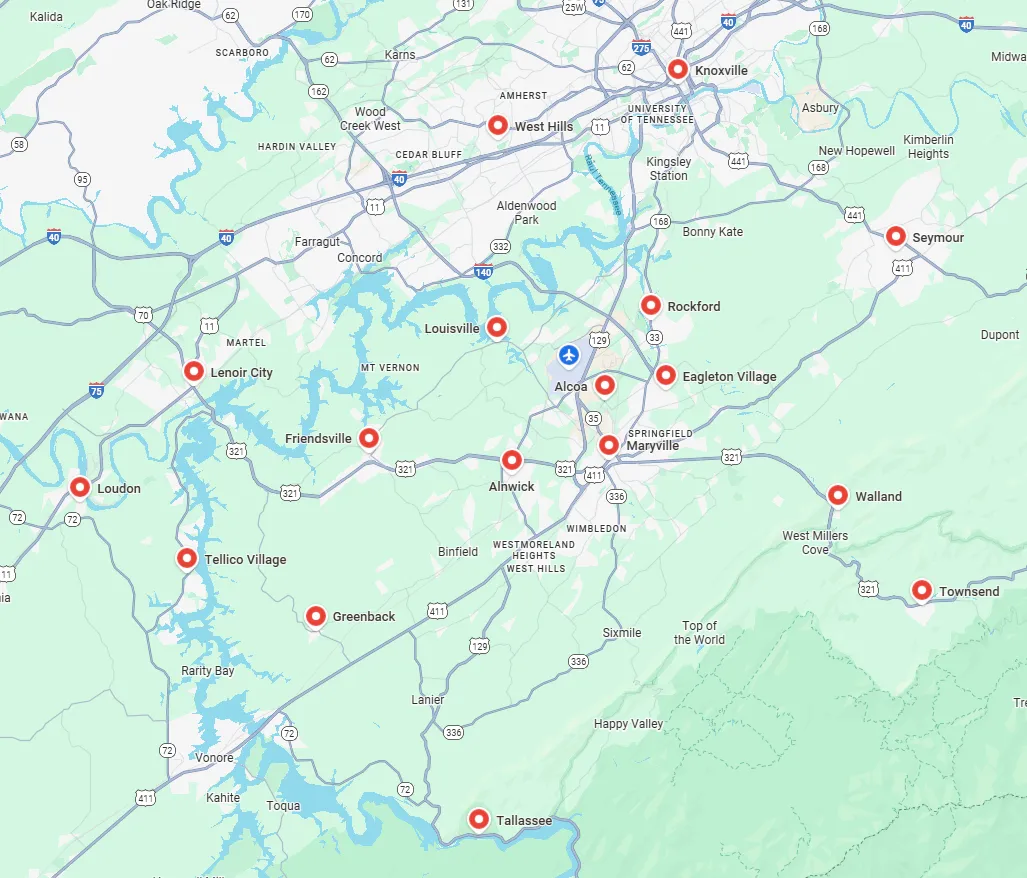
Service areas