

Water Heater Replacement in Maryville, TN
Replacing a failing or outdated water heater is a big deal for your home, impacting comfort, safety, and those monthly energy bills. Here in Maryville, TN, with our humid summers and chilly winters, you really need a hot water supply you can count on all year long. At Everest Air Heating and Cooling, we walk Maryville homeowners through the entire water heater replacement process. We'll help you figure out if repair or replacement is truly the smarter choice, guide you in selecting the perfect capacity and fuel type, handle the removal and responsible disposal, and clarify all your warranty and financing options. We want to be your clear, expert roadmap for a seamless replacement, helping you make a confident final decision.
.avif)
Why replace instead of repair: common signs your unit needs replacement
Deciding between repairing an existing water heater and replacing it starts with a careful evaluation of age, performance, and safety risks. Common water heater replacement issues in Maryville include:
- Frequent leaks or corrosion around the tank indicating imminent failure.
- Brown or metallic-tasting water from rusted internal components.
- Sediment-driven noise and reduced hot water capacity caused by mineral buildup, particularly in areas with hard water.
- Repeated burner or heating-element failures that make repair costs add up.
- Rapidly rising energy bills or a tank that cannot keep up with household demand.
- Visible signs of venting problems, odors, or gas-related issues that compromise safety.
- Units older than 10 to 15 years (storage tanks typically last 8 to 12 years; tankless units often last longer but may need element or board replacements).
In Maryville, hard water and seasonal temperature swings accelerate wear. If your water heater is more than a decade old, has multiple service calls in a short period, or shows severe rust, replacement is often the most cost-effective, long-term solution.
Repair vs replacement: a practical evaluation framework
When weighing repair versus replacement, consider these practical factors:
- Age of the unit: Older tanks nearing the end of life are best replaced to avoid emergency failures.
- Cost of the repair vs remaining lifespan: If a repair is a large percentage of a new unit’s cost and only extends life briefly, replacement is the smarter investment.
- Frequency of repairs: Multiple recent repairs indicate declining reliability and rising lifetime cost.
- Efficiency and fuel costs: Older units are less efficient; new models can significantly lower monthly utility bills, especially important in Maryville’s climate.
- Safety concerns: Leaks, gas smells, corroded vents, or pressure issues are reasons to replace immediately.
- Future needs: Growing families or remodeling may require a larger capacity or different configuration.
Everest Air Heating and Cooling evaluates these factors during an initial inspection to provide an objective recommendation: repair if it restores reliable, efficient performance for a reasonable period; replace if costs, risk, or age indicate replacement will be better long term.
Choosing the right capacity and fuel type for Maryville homes
Selecting the correct size and fuel for your new water heater ensures consistent hot water, good efficiency, and reduced long-term costs. Key considerations include:
- Household size and hot water demand: Calculate peak hour demand (showers, dishwasher, washing machine running simultaneously). Typical guidelines:
- 1 to 2 people: 30–40 gallon tank or small tankless unit sized to 6–8 GPM (gallons per minute).
- 3 to 4 people: 40–50 gallon tank or tankless at 8–10 GPM.
- 5+ people: 50–80 gallon tank or higher-capacity tankless with possible parallel units.
- Recovery rate: How quickly a tank refills with hot water matters for back-to-back showers. Higher recovery requires higher BTU input for gas units or higher kW for electric.
- Incoming water temperature: In Maryville winters, groundwater is colder, which increases the heating demand; tankless sizing must account for colder inlet temperatures.
- Fuel type options:
- Natural gas: Common in many Maryville neighborhoods; offers strong recovery rates and lower operating cost per BTU in many cases.
- Propane: Used in areas without natural gas service; similar performance to natural gas but with different supply logistics.
- Electric: Simpler installation and no combustion venting; best for homes without gas lines or where ventilation is challenging. Electric resistance tanks are less efficient, while electric heat pump water heaters are significantly more efficient but require adequate space and moderate ambient temperatures.
- Tankless (natural gas, propane, or electric): Compact, on-demand hot water with higher first-hour efficiency and lower standby losses.
- Hybrid/heat pump water heaters: Use heat-pump technology to achieve 2–3 times the efficiency of conventional electric tanks in appropriate spaces.
For Maryville homes with older plumbing and occasional cold groundwater, gas-fired tanks or properly sized tankless systems are common choices. Everest Air Heating and Cooling assists homeowners in matching capacity and fuel type to household use patterns, local fuel availability, and space constraints.
High-efficiency, tankless, and hybrid upgrades: benefits and trade-offs
Upgrading to a high-efficiency storage tank, tankless, or hybrid water heater can deliver long-term savings and better performance. Consider these benefits and trade-offs:
- Energy savings: Tankless and heat pump models avoid standby heat loss and can reduce water heating costs substantially. In Maryville, where heating demands vary seasonally, efficiency gains translate to noticeable monthly savings.
- Longer lifespan: Tankless units typically last 15–20 years, and heat pump systems often outlast conventional electric tanks, reducing replacement frequency.
- Space savings: Tankless units mount on walls and free up closet or garage space—valuable in older Maryville homes with cramped utility areas.
- Continuous hot water: Tankless provides endless hot water when sized correctly, ideal for households with staggered high-demand use.
- Higher upfront cost: Advanced systems cost more to purchase and may require upgraded gas lines, venting, or electrical service. However, energy savings, rebates, and longer lifespans offset initial costs over time.
- Water quality sensitivity: Tankless units can be more sensitive to hard water buildup; Maryville’s mineral content may require a water softener or routine descaling program.
- Location and climate fit: Heat pump water heaters perform best in temperate spaces like conditioned basements; Maryville’s winters can be cold, so placement and ambient temperature need careful planning.
Everest Air Heating and Cooling helps homeowners weigh these trade-offs based on local climate, household usage, and site conditions to select the most cost-effective, comfortable solution.
Removal and disposal of the old unit: safe, code-compliant handling
Old water heaters must be removed and disposed of safely and in compliance with local regulations. The replacement process includes:
- Full drain and depressurization: Technicians drain the tank, flush sediments, and make the unit safe to handle.
- Disconnecting utilities: Gas lines are shut off and capped properly; electrical service is disconnected and made safe by a licensed technician.
- Vent removal and inspection: Gas venting components are disconnected and inspected for corrosion or blockages.
- Safe transport and disposal: Tanks are typically recycled for scrap metal when possible. Insulation, anode rods, and any residual water are handled per local disposal rules.
- Permit and inspection considerations: In Maryville and Blount County, permits and inspections may be required for gas, electrical, or structural work. Proper removal and disposal documentation helps during inspections and property transfers.
Proper removal avoids environmental hazards and ensures the new installation starts from a clean, safe base.
Typical installation timeline and what to expect on replacement day
A professional water heater replacement follows a predictable sequence that minimizes disruption to the household. Typical timeline elements:
- Pre-installation evaluation: A technician assesses access, venting, fuel supply, and drainage ahead of the replacement to verify parts and scope.
- Site preparation: Area cleared, floor or platform inspected, and any necessary minor adjustments made for safe installation.
- Old unit removal: Draining and disconnecting the old unit generally takes 1 to 2 hours depending on tank size and site access.
- New unit setup: Positioning, connecting water lines, gas or electrical connections, venting, and pressure/temperature relief valve installation. This typically requires 2 to 4 hours for a standard tank unit; tankless or complex venting can add time.
- Initial testing and commissioning: Pressure tests, leak checks, burner or element testing, and temperature calibration. Technicians run water and verify safe operation.
- Final inspection and documentation: Technicians complete installation paperwork, verify warranty registration details, and document code compliance. If permits were required, an inspector may visit afterward.
Most replacements are completed in a single business day. Complex projects involving relocation, gas line upgrades, or electrical service changes may require multiple visits and coordination with local inspectors.
Venting, combustion air, and safety considerations for Maryville homes
Proper venting and combustion-air management are critical for gas-fired water heaters. Key considerations:
- Direct-vent vs atmospheric venting: Modern units may require power-vent or direct-vent systems to safely expel combustion gases. Existing chimneys or flues in older Maryville homes should be inspected for integrity and compatibility.
- Combustion air requirements: Closely sized utility closets must receive adequate fresh air; confined spaces may require ducted combustion air or conversion to power-vented units.
- Carbon monoxide safety: Combustion appliances require properly installed vents and carbon monoxide detectors in the home for occupant safety.
- Exterior installations: Outdoor units are an option in warmer areas but must be protected against freezing in Maryville winters, with freeze protection kits or indoor placement preferred in cold seasons.
- Electrical and gas clearances: Local code prescribes minimum clearances for electrical components and gas piping; a licensed technician ensures compliance.
Everest Air Heating and Cooling ensures installation meets all safety standards and local codes in Maryville, protecting your household from combustion and venting hazards.
Warranty coverage: what to expect and how to compare
Understanding warranty terms protects your investment. Warranty coverage typically includes:
- Manufacturer warranty: Covers parts and the tank (for storage units) or heat exchanger (for tankless). Common ranges:
- Conventional tanks: 6 to 12 years on tank and major components depending on model.
- Tankless systems: 10 to 15 years on the heat exchanger, with shorter terms on other components.
- Heat pump hybrids: Manufacturer warranties on compressor and parts vary widely.
- Labor warranty: Covers the installation workmanship. Labor warranties range from 1 year to multiple years depending on installer policies.
- What voids warranties: Improper installation, lack of required maintenance (for example, periodic flushing or descaling), and failure to use qualified technicians can void warranties. Maintain documentation of service visits and adhere to maintenance intervals.
- Transferability: Some manufacturer warranties are transferable to a new homeowner; check terms if selling the property.
Ask for written warranty specifics at purchase and keep registration and service records. Everest Air Heating and Cooling provides documentation of installed equipment and typically outlines both manufacturer and labor warranty ranges for each model.
Financing and budget planning for replacement projects
Replacement projects can vary widely in cost depending on equipment choice and scope. Common financing structures and planning tips include:
- Loan financing: Many homeowners use home improvement loans or personal loans through banks or specialized HVAC lenders. Understand interest rates, terms, and total repayment amounts.
- Deferred interest or promotional financing: Some lenders and contractors offer promotional plans. Always read terms carefully, particularly end-of-promotion balances and deferred interest clauses.
- Energy-efficiency incentives and rebates: Local utilities or federal programs sometimes provide rebates for high-efficiency models or heat pump installations. Research availability and eligibility before purchase.
- Budgeting for additional work: Factor in potential gas-line upgrades, venting modifications, permit fees, and any required electrical service upgrades.
- Lifecycle cost analysis: Compare upfront cost plus operating cost over expected lifespan. Higher-efficiency units often recoup extra cost through lower monthly bills.
Everest Air Heating and Cooling can outline typical financing pathways and help homeowners plan a replacement that fits their budget while maximizing value through efficiency and longevity considerations.
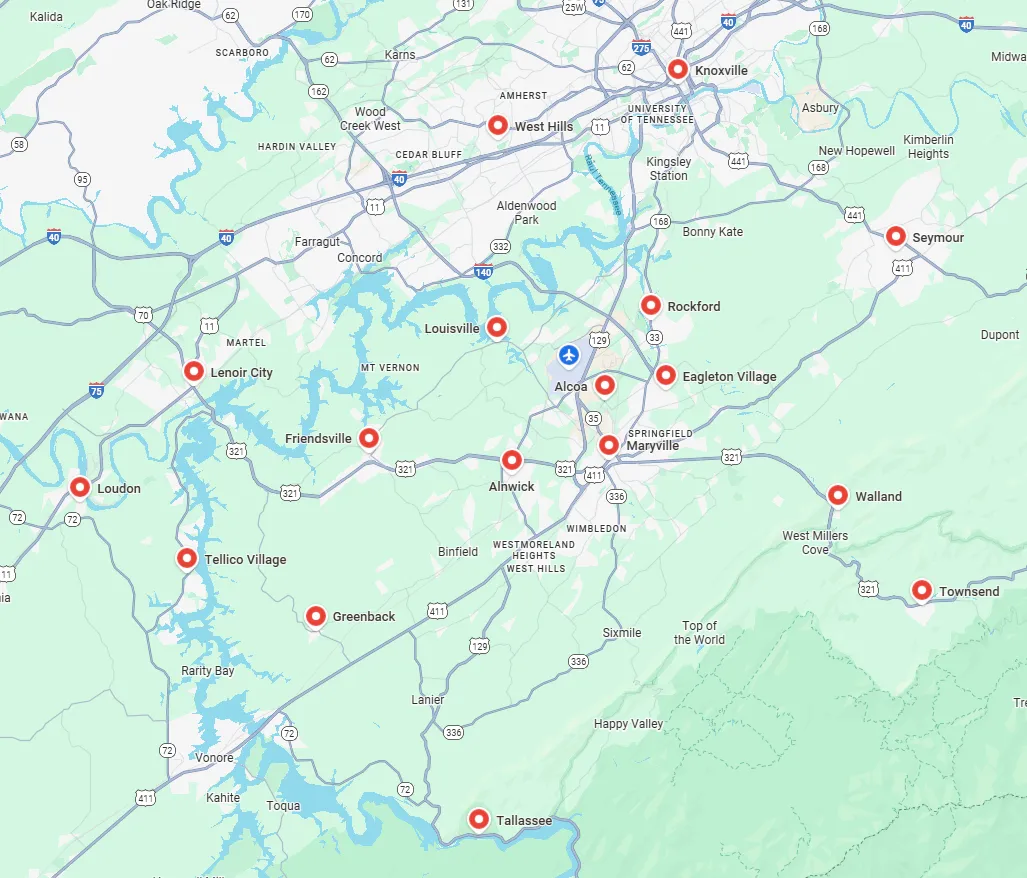
Local considerations specific to Maryville, TN
Maryville’s climate and housing stock influence water heater choices and installation details:
- Hard water: Blount County and adjacent areas can present mineral-heavy water that accelerates sediment buildup. Options include regular flushing, sacrificial anode maintenance, or water softening systems to prolong water heater life.
- Seasonal extremes: Cold winter groundwater in Maryville increases the BTU or kW demand to deliver hot water. Tankless systems must be sized with winter inlet temperatures in mind, while storage tanks with good insulation retain heat well.
- Older homes and tight utility spaces: Many Maryville homes have compact utility closets or crawlspace installations that may restrict equipment size or require relocation for proper venting and service access.
- Propane use in rural areas: Where natural gas piping is not available, propane systems are common. Propane storage and delivery logistics should be considered during equipment selection.
- Local permitting and inspections: Work within Maryville and Blount County jurisdiction requires compliance with local codes. Proper permits and inspection scheduling ensure code compliance and safe operation.
Accounting for these local factors leads to a more reliable, efficient, and long-lasting water heating solution for Maryville homeowners.
Maintenance after replacement: ensuring long-term performance
A new water heater performs best when maintained properly. Recommended maintenance includes:
- Annual inspection and flush: Drain and flush sediment from storage tanks annually; tankless units benefit from descaling in hard-water areas on a schedule recommended by the manufacturer.
- Anode rod checks: Replace sacrificial anode rods before they are fully depleted to prevent tank corrosion.
- Pressure relief valve testing: Confirm proper operation annually to prevent over-pressurization.
- Venting and combustion checks: Inspect gas-fired venting and combustion performance annually for safe operation.
- Filter and softener maintenance: If a water softener or pre-filter is installed, maintain it to reduce mineral impact on the water heater.
- Y.E.T.I Comfort Plan: For homeowners wanting a structured maintenance routine, the Y.E.T.I Comfort Plan from Everest Air Heating and Cooling offers scheduled checkups, priority scheduling, and discounts on service that help preserve system reliability and warranty compliance.
Routine maintenance extends lifespan, maintains efficiency, and reduces the likelihood of unexpected failures.
The broader benefits of timely replacement
Replacing an outdated water heater delivers multiple long-term benefits:
- Improved reliability: Avoid cold showers and emergency replacements by investing before total failure.
- Enhanced safety: New units eliminate leaks, venting issues, and gas-related risks present in aging equipment.
- Lower operating costs: High-efficiency models and properly sized systems reduce monthly energy bills.
- Increased home value: Modern mechanical systems are an advantage when selling, and documented recent replacements reassure buyers.
- Environmental impact: More efficient units lower fuel consumption and greenhouse gas emissions.
- Better comfort and performance: Correctly sized systems deliver stable hot water for simultaneous uses without temperature fluctuations.
Everest Air Heating and Cooling approaches each replacement with an eye toward long-term value, safety, and performance, ensuring Maryville homeowners get the most from their investment.
FAQs
Q: How do I know whether my water heater should be repaired or replaced?
A: Evaluate age (over 10 years for conventional tanks), frequency and cost of repairs, visible rust or leaks, reduced hot water capacity, and safety concerns like gas smells or venting issues. If repairs are frequent or costly relative to the unit value, replacement is usually the better option.
Q: What size water heater do I need for my Maryville home?
A: Size depends on household peak hour demand, number of occupants, and appliances. Typical guidance: 30–40 gallons for 1–2 people, 40–50 gallons for 3–4 people, and 50–80 gallons for larger households. Tankless units are sized by flow rate (GPM) and temperature rise, with cold winter inlet temps in Maryville requiring higher capacity.
Q: Are tankless water heaters a good fit for Maryville’s climate?
A: Tankless units can be an excellent option, offering endless hot water and higher efficiency. However, they must be properly sized for winter inlet temperatures and maintained to manage hard water buildup common in the region.
Q: What should I expect during the removal and disposal of my old water heater?
A: Technicians will drain and depressurize the tank, disconnect utilities safely, remove the unit, and recycle or dispose of components in compliance with local regulations. Any required permits or inspections will be noted and documented.
Q: How long does a water heater replacement typically take?
A: Most standard replacements are completed in one business day—often 4 to 8 hours. Complex projects involving relocations, gas or electrical upgrades, or new venting may require additional time or follow-up inspections.
Q: What warranties should I look for when replacing a water heater?
A: Check manufacturer warranties on the tank or heat exchanger and parts (ranging from 6 years to 15 years or more depending on model) and the installer’s labor warranty. Maintain service records to avoid voiding warranties.
Q: Do you offer maintenance plans to protect my investment?
A: Regular maintenance is essential. The Y.E.T.I Comfort Plan offered by Everest Air Heating and Cooling provides scheduled checkups, priority scheduling, and preventive services that help preserve system efficiency and warranty compliance.
Q: Will hard water in Maryville affect my new water heater?
A: Yes. Hard water increases sediment buildup and scale, reducing efficiency and lifespan. Consider periodic descaling, installing a water softener, or following a maintenance regimen to mitigate effects.
Q: What financing options are available for water heater replacement?
A: Common options include personal loans, home improvement loans, promotional financing plans, and energy-efficiency incentives. Evaluate interest rates, term lengths, and any promotional conditions before committing.
Q: Is a permit required to replace a water heater in Maryville?
A: Permitting requirements vary by project and local code. Gas, electrical, and structural changes typically require permits and inspections in Maryville and Blount County; a licensed installer can advise and secure necessary permits.
Replacing your water heater is a decision with long-term consequences for comfort, energy use, and safety. Everest Air Heating and Cooling offers experienced, local guidance tailored to Maryville homes, helping you choose the right equipment, navigate installation and code requirements, and plan for efficient, reliable hot water for years to come.
hear what our satisfied clients have to say

David P.
Service areas