

Water Heater Installation in Maryville, TN
Installing a new water heater is a significant upgrade that brings comfort, energy savings, and long-term reliability to your home. In Maryville, TN, where seasonal humidity and growing household demands can really challenge home systems, choosing the right water heater and having it professionally installed makes all the difference. Everest Air Heating and Cooling believes you should know exactly what to expect. We'll explain our complete water heater installation process, including how decisions are made, and why a properly sized, code-compliant installation is key to protecting your investment and your home.
.avif)
Why a professional water heater installation matters in Maryville homes
A water heater is more than a box that heats water. It interacts with your home plumbing, gas or electrical systems, combustion ventilation if gas is used, and local building codes. Improper sizing, incorrect venting, or poor electrical and gas connections create safety risks, wasted energy, and premature failure. Maryville households often experience these common pain points:
- Fluctuating hot water during high demand periods such as mornings and evenings in larger families
- High energy bills from oversized or inefficient units
- Shortened service life due to hard water and sediment buildup
- Safety issues from improper gas hookups or venting
Everest Air Heating and Cooling brings experienced technicians to every installation with the goal of delivering safe, efficient, and long-lasting results tailored to Maryville homes.
Types of water heaters: tank, tankless, and hybrid options
Choosing the right type is step one. Each type has tradeoffs in cost, efficiency, space, and performance.
- Tank water heaters
- Conventional storage tanks hold 30 to 80 gallons. They are simple and reliable for homes with predictable, simultaneous hot water needs.
- Pros: Lower upfront cost for basic models, straightforward replacement installation, familiar maintenance.
- Cons: Standby heat loss, larger footprint, shorter lifespan than some alternatives.
- Tankless water heaters
- On-demand systems heat water as it flows. Ideal for continuous hot water and energy savings if household demand patterns fit the unit capacity.
- Pros: Higher energy efficiency for many households, virtually unlimited hot water supply, smaller footprint.
- Cons: Higher upfront cost, need to size for peak flow rates, potential need for upgraded gas lines or electrical service.
- Heat pump water heaters (hybrid)
- Use electricity to move heat from the surrounding air into the water. Best in moderate-to-warm spaces with room for airflow.
- Pros: Very efficient, lower operating cost in many climates, good for homes with space in conditioned areas or basements.
- Cons: Higher upfront cost, needs ambient air space and moderate ambient temperatures for best efficiency.
- Indirect water heaters
- Use heat from an existing boiler or furnace via a heat exchanger. Efficient where a hydronic heating system is present.
- Pros: Long service life and good efficiency if paired with a boiler.
- Cons: Requires compatible hydronic system.
Selecting the right system depends on household size, peak hour hot water demands, available fuel source, physical installation constraints, and energy goals.
Site assessment and accurate sizing for Maryville conditions
Proper sizing prevents underperformance and unnecessary expense. Everest Air performs a detailed site assessment that includes:
- Peak hour demand analysis
- Calculate simultaneous hot water needs for showers, laundry, dishwasher, and other uses. Tankless systems are sized by gallons per minute - GPM. Storage tanks are sized by first hour rating and recovery rate.
- Fuel source availability and supply capacity
- Verify natural gas line size and pressure or electrical panel capacity. Many older Maryville homes have limited electrical service that may need upgrades for electric or hybrid units.
- Venting and combustion clearance checks
- For gas units, evaluate existing venting, chimney condition, and required clearances. Some tankless installations need stainless steel venting or new routes.
- Location constraints and access
- Assess basement, garage, utility closet, or attic space. Tankless units offer flexibility where space is tight, while tanks need adequate drainage and TPR valve discharge routing.
- Water quality and hardness
- Many Blount County homes have moderate to hard water. Hard water increases scale buildup, reduces efficiency and lifespan. Assessing hardness guides recommendations for water treatment, sacrificial anode selection, or maintenance schedules.
- Local climate influence
- Maryville experiences warm humid summers and cool winters. Heat pump water heaters perform well if installed in conditioned or consistently warm spaces. Cold crawlspaces can reduce hybrid efficiency and may favor conventional or properly insulated tank systems.
Accurate sizing and site planning prevent common installation issues like inadequate hot water, reduced efficiency, and code violations.
Energy-efficient model selection and long-term cost considerations
Energy efficiency reduces ongoing operating costs and helps the environment. When choosing models, consider:
- Uniform Energy Factor - UEF
- UEF is the modern metric for water heater efficiency. Higher UEF means less energy wasted. Compare similar types using UEF to evaluate operating costs.
- Fuel cost comparison
- Electricity, natural gas, propane, and heat pump operation have differing costs in Tennessee. Consider local utility rates and usage patterns when evaluating lifecycle costs.
- Insulation and standby loss
- Well-insulated tanks and low-standby loss designs help reduce waste. Tankless systems eliminate standby loss but may have other efficiency impacts based on usage patterns.
- Features that improve efficiency and convenience
- Condensing tankless units, modulating burners, electronic ignition, smart controls, vacation modes, and recirculation pump compatibility can all affect performance.
- Lifecycle and maintenance needs
- Consider replacement parts availability, recommended maintenance frequency for descaling or anode replacement, and expected lifespan. Tankless systems often last longer but require descaling in hard water areas.
Everest Air Heating and Cooling evaluates life cycle costs and local performance expectations to recommend models that balance upfront cost, operating expenses, and reliability for Maryville homeowners.
Permitting and code compliance in Maryville, TN
Permits ensure installations meet safety and building standards. While specifics can vary, typical permitting steps include:
- Pulling required plumbing, mechanical, and electrical permits
- Most municipal jurisdictions including Maryville and Blount County require permits for water heater replacements that alter fuel, venting, or electrical configurations.
- Compliance with manufacturer installation instructions and local codes
- Proper venting, combustion air, seismic straps where applicable, TPR valve discharge routing, and electrical work must match code and manufacturer requirements to keep warranties valid.
- Inspections
- Inspections by local building departments may be required after rough-in and at final stages. Everest Air coordinates permitting and works to ensure installations pass inspections.
Everest Air Heating and Cooling includes code-compliant installation practices and typically handles permit coordination, so the system meets municipal requirements and factory warranty conditions.
Professional installation procedures explained
A professional installation follows a methodical approach to ensure safety and performance. Typical steps include:
- Pre-installation preparation
- Verify the chosen equipment matches the sizing plan and site assessment. Confirm fuel, electrical, and venting needs. Prepare the work area with floor protection and containment to minimize disruption.
- Safe removal of the old unit
- Drain, disconnect, and remove the existing water heater while observing water and gas safety protocols. Proper disposal or recycling of old equipment is arranged.
- Drain, disconnect, and remove the existing water heater while observing water and gas safety protocols. Proper disposal or recycling of old equipment is arranged.
- Structural and plumbing modifications
- Install appropriate drain pans and routing for TPR discharge. Upgrade piping and fittings as required. Install an expansion tank when needed for closed systems to manage thermal expansion.
- Gas or electrical connections
- Gas lines are sized and pressure-tested. Electrical connections are made to code with proper breakers, disconnects, and grounding. If additional electrical service is necessary for a hybrid or electric tankless unit, the scope is defined during the assessment.
- Venting and combustion air
- For gas units, install or modify venting to meet clearances and draft requirements using approved materials. Ensure adequate combustion air per code.
- Mounting and final connections for tankless units
- Secure wall-mounted units, install indoor condensate drains if required, and connect supply and return lines. For models requiring stainless steel venting, follow manufacturer specs.
- Insulation and accessibility
- Insulate accessible hot water lines to decrease heat loss. Leave service clearances per code and manufacturer requirements for maintenance access.
- Safety device installation
- Install and test temperature-pressure relief valve, pressure regulators, and shutoff devices. Add leak detection or automatic shutoff devices where appropriate for added protection.
Everest Air Heating and Cooling technicians follow a checklist-driven process to ensure nothing is overlooked and the system operates safely from day one.
Warranty, manufacturer registration, and documentation
Keeping warranties valid requires correct installation and registration. Key points:
- Manufacturer warranty coverage
- Many manufacturers require professional installation and registration to honor full warranty terms. Proper parts, venting, and certified installation documentation are often conditions.
- Labor warranties
- Beyond manufacturer warranties, installers often provide workmanship warranties for a specified period. Clarify what is covered and how claims are handled.
- Maintenance schedules
- Routine maintenance such as anode replacement, flushing tanks, or descaling tankless units prolongs warranty-eligible life. Keep records of maintenance to support warranty claims if needed.
Everest Air Heating and Cooling documents installations and assists with manufacturer registration and warranty transfer when applicable, helping protect your long-term investment.
Post-installation testing and what is checked
After installation, a thorough testing protocol confirms the unit is operating correctly and safely. Typical tests include:
- Leak tests for plumbing and gas connections
- Pressurize lines and check for any leaks. Gas connections are tested using approved methods to ensure no leaks are present.
- Combustion and carbon monoxide checks for fuel-burning units
- Combustion analysis and CO testing confirm safe venting and combustion efficiency.
- Electrical checks
- Verify proper voltage, breaker settings, and grounding for electric or hybrid units.
- Verify proper voltage, breaker settings, and grounding for electric or hybrid units.
- Temperature and pressure calibration
- Confirm thermostat settings, verify TPR valve operation, and ensure proper relief valve discharge routing.
- Flow and recovery verification
- For tankless units, verify GPM under expected conditions. For storage tanks, confirm recovery time meets manufacturer specs.
- User orientation and documentation
- Provide a clear walkthrough of operation, controls, and recommended maintenance tasks. Leave copies of manuals and warranty certificates.
After testing, you should have full confidence the system meets performance and safety expectations for your Maryville home.
Common installation challenges in Maryville and how they are solved
Maryville homes often present specific challenges. Experienced installers anticipate and address them:
- Limited space in older homes
- Tankless or compact high-efficiency tanks may be the best option. Reconfiguring closets or relocating the unit to garages or basements is sometimes the solution.
- Hard water and scale buildup
- Recommend water softening, descaling schedules, or sacrificial anode selection to extend service life. Tankless units may need more frequent descaling plans.
- Inadequate gas or electrical service
- Upgrading gas lines or electrical panels may be required. Everest Air coordinates with licensed electricians and gas technicians as needed for safe upgrades.
- Venting complications
- Rerouting vents, adding power vents, or using special venting materials for condensing units solves clearance and draft issues.
- Insulation and energy loss in older plumbing
- Adding pipe insulation and recirculation controls can improve delivery times and reduce energy waste.
Addressing these challenges during the planning stage avoids costly changes during installation and ensures a smooth project.
Rebates, incentives, and financing options for Maryville homeowners
Energy-efficient upgrades often qualify for rebates and incentives that lower lifecycle costs. Typical opportunities include:
- Manufacturer promotions and rebates for high-efficiency models
- Utility rebates from regional providers or TVA programs for qualifying equipment
- Federal incentives for certain energy-efficient technologies, particularly heat pump water heaters
- Local financing options or payment plans to spread the upfront cost over time
Everest Air Heating and Cooling helps homeowners identify potential incentives and ensures equipment choices meet program requirements.
Maintenance best practices to maximize lifespan and efficiency
Regular maintenance keeps your water heater running reliably. Recommended practices include:
- Annual inspection and flushing for tank units
- Draining and flushing to remove sediment improves efficiency and reduces corrosion.
- Scheduled descaling for tankless units
- In areas with hard water like many Maryville neighborhoods, descaling every 6 to 12 months may be necessary.
- Anode rod inspection and replacement
- For tanks, check the sacrificial anode every 1 to 3 years depending on water quality.
- Periodic TPR valve testing and visual checks for leaks
- Verify the TPR valve functions and observe for any external leaks or corrosion.
- Monitor for signs of performance loss
- Reduced flow, sputtering, discolored water, or frequent cycling can indicate issues that require service.
A proactive maintenance plan extends equipment life and keeps operating costs down.
How Everest Air Heating and Cooling approaches installations in Maryville
Everest Air Heating and Cooling is family owned and established in Maryville, TN. Our approach emphasizes:
- Thorough assessments that reflect local needs and water conditions
- Transparent explanations of tradeoffs between tank, tankless, and hybrid systems
- Code-compliant installations with permit coordination
- Detailed documentation, manufacturer registration, and maintenance guidance
- Focus on long-term performance and energy savings tailored to Maryville homes
Our goal is to leave your home safer, more efficient, and more comfortable with a water heating system that matches your usage patterns and budget preferences.
FAQs
Q: How do I know if my home should get a tank or tankless water heater?
A: Evaluate peak hour demand, space, and fuel availability. Tank systems are simple and cost effective for predictable demand. Tankless systems work well for continuous demand and where space is limited, but must be sized for peak flow rates. Everest Air Heating and Cooling performs a peak demand analysis to recommend the best fit for your Maryville home.
Q: Will I need a permit to replace my water heater in Maryville?
A: Most water heater replacements that alter gas, venting, or electrical configurations require permits in municipal jurisdictions including Maryville. Permits and inspections ensure safety and code compliance. Everest Air Heating and Cooling typically handles permit coordination as part of the installation process.
Q: How does hard water in Maryville affect my new water heater?
A: Hard water increases scale and sediment buildup, which reduces efficiency and shortens lifespan. For tank units, regular flushing and anode rod checks help. For tankless units, scheduled descaling is essential. Considering a water softener or targeted maintenance plan is often recommended for Blount County homes.
Q: Are there rebates for energy-efficient water heaters in Tennessee?
A: Rebates and incentives vary over time and by program. High-efficiency heat pump water heaters and certain ENERGY STAR models may qualify for utility or federal incentives. Everest Air Heating and Cooling can help identify current programs and ensure chosen equipment meets eligibility requirements.
Q: What safety checks are performed after installation?
A: Post-installation checks include leak testing for gas and plumbing, combustion analysis and carbon monoxide testing for fuel-burning units, electrical verification, temperature and pressure tests, and confirmation of proper venting and TPR valve installation. Documentation and manufacturer registration are provided to support warranties.
Q: How often should a new water heater be serviced?
A: Storage tank heaters typically benefit from an annual inspection and flush. Tankless units in hard water areas often need descaling every 6 to 12 months. Heat pump units may need periodic filter checks and airflow clearance. A maintenance schedule tailored to your model and water quality is recommended.
Q: Can a tankless water heater supply several fixtures at once?
A: It depends on the unit capacity and the simultaneous demand. Tankless units are sized by GPM. If multiple high-flow fixtures run at once, you may need a larger unit or multiple units. Proper sizing during the site assessment ensures your tankless system meets peak household needs.
Q: Will installing a new water heater require electrical or gas service upgrades?
A: Some installations do require upgrades. Electric or hybrid heat pump models may need additional electrical capacity. High-performance tankless units may need larger gas lines or higher pressure. These needs are identified during the assessment and addressed through code-compliant upgrades if necessary.
hear what our satisfied clients have to say

David P.
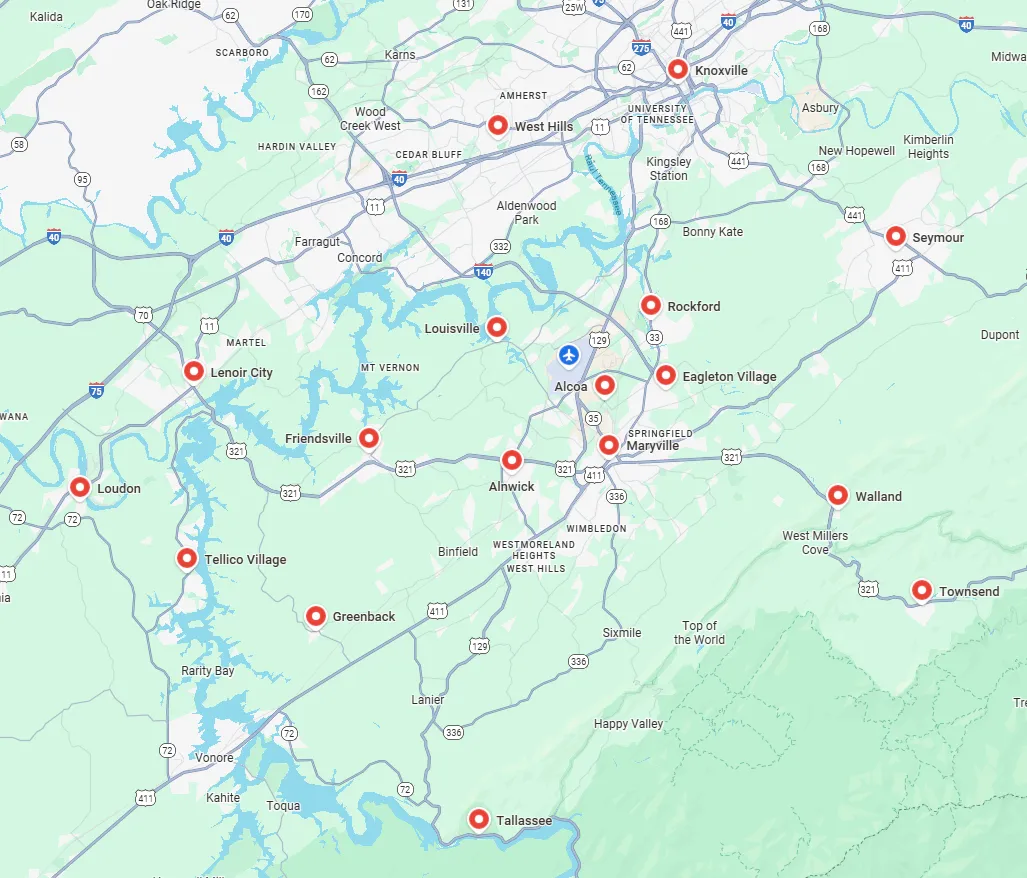
Service areas