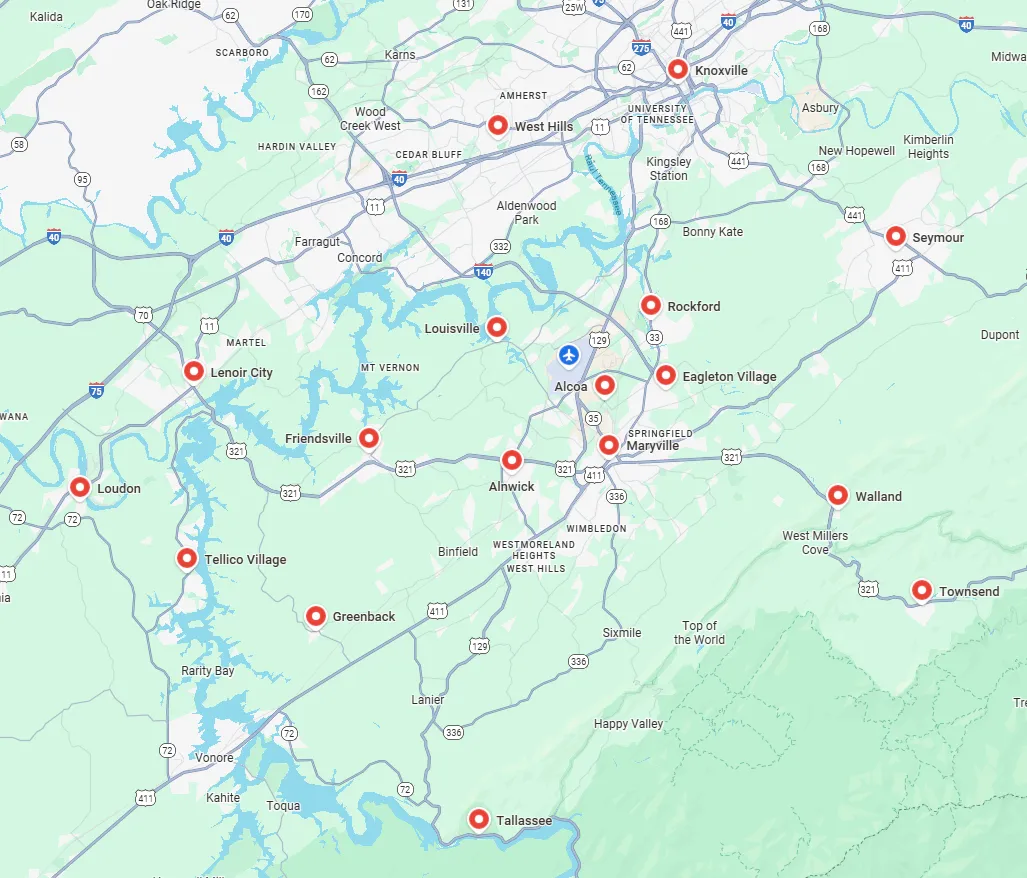


Mini Split Service in Lousiville, TN
More and more folks in Louisville, TN are choosing Mini Split systems for their homes, and it's easy to see why! They offer efficient, zoned comfort without all the fuss of ductwork. With Blount County's hot, humid summers and those chilly, often wet winters, a Mini Split that's properly cared for is a game-changer. It keeps your living spaces perfectly comfortable, helps trim down those energy bills, and even prevents moisture issues that can sadly shorten your system's life. That's where Everest Air Heating and Cooling comes in. We pride ourselves on bringing experienced, methodical Mini Split service to Louisville residents who really want reliable performance, a longer-lasting system, and far fewer unexpected repair headaches. Count on Everest Air Heating and Cooling to keep your system running smoothly.
.avif)
Why Mini Split maintenance matters in Lousiville, TN
Lousiville sits in a climate that stresses HVAC equipment in predictable ways. Summers are humid and encourage mold, pollen and airborne debris that clog filters and coils. Fall brings leaves and yard debris that can obstruct outdoor units. Winter temperatures can dip below freezing and lead to defrost cycles and condensate issues. Routine service addresses these local stressors by keeping refrigerant charge correct, coils clean, drainage paths clear, and electrical systems reliable. Regular maintenance also preserves efficiency and comfort in homes with zone control needs such as finished basements, additions, or rooms that see wide temperature swings.
Common Mini Split issues in Lousiville, TN homes
- Poor cooling or heating performance
- Clogged filters, dirty evaporator or condenser coils, low refrigerant, or failing compressors reduce capacity.
- Short cycling or frequent on/off cycles
- Caused by incorrect refrigerant charge, oversized unit, thermostat or control board faults, or blocked airflow.
- High energy bills
- Dirty components, refrigerant leaks, or failing motors make systems work harder and use more electricity.
- Water leaks or condensation near indoor unit
- Blocked condensate drain, improper installation slope, or overflowing drain pans.
- Ice buildup on refrigerant lines or outdoor coil
- Low refrigerant, restricted airflow, or malfunctioning defrost control.
- Strange noises or vibration
- Loose mounting, failing fan motors, worn bearings, or refrigerant flow issues.
- Poor indoor air quality
- Dirty filters, mold on coils, or inadequate maintenance allow dust, pollen, and allergens to recirculate.
- Remote or control connectivity issues
- Faulty remote sensors, wireless interference, or control board failures.
Understanding these common issues helps homeowners in Lousiville recognize when to schedule service and what to expect from a professional inspection.
Types of Mini Split services Everest Air Heating and Cooling provides
- Seasonal Tune-Ups and full-system inspections
- Filter cleaning and replacement guidance
- Evaporator and condenser coil cleaning
- Refrigerant leak detection and recharge
- Electrical and safety checks, including contactors and capacitors
- Drain pan and condensate line cleaning and verification
- Airflow and blower motor service
- Thermostat, remote, and controller troubleshooting
- Line set insulation checks and repairs
- Outdoor unit care after storms and during fall leaf season
- Preventative maintenance plans with priority scheduling and discounts
Each service is performed with an emphasis on reliability and longevity. Technicians use proven diagnostic methods and industry best practices to identify current faults and prevent future failures.
How our technicians diagnose Mini Split problems
Diagnosing a Mini Split starts with a clear symptom review and systematic inspection. Everest Air Heating and Cooling technicians follow a consistent process:
- Visual inspection
- Check indoor and outdoor units for visible damage, debris, clogged filters, and proper mounting.
- Airflow measurement and temperature split
- Measure supply and return temperatures, and note airflow strength to confirm proper performance.
- Electrical testing
- Verify voltage, amperage, capacitor health, and integrity of control circuits to rule out electrical faults.
- Refrigerant system checks
- Use gauges and temperature measurements to check pressures, superheat and subcooling where appropriate to detect leaks or improper charge.
- Coil and condensate inspection
- Inspect evaporator and condenser coils for dirt, corrosion, and blockages; verify condensate drains are clear and properly pitched.
- Control and sensor verification
- Test thermostats, remotes, and sensors for accurate readings and proper communications.
- Operational testing
- Run the unit through heating and cooling cycles, listen for abnormal noises, and confirm defrost operation in heat pump models.
This method reduces unnecessary part replacements and provides clear recommendations for repair or maintenance tailored to the system condition and homeowner goals.
What a comprehensive seasonal Tune-Up includes
A seasonal Mini Split Tune-Up is more than a quick once-over. Everest Air Heating and Cooling's service covers the critical items that affect performance, reliability, and warranty compliance:
- Inspect and vacuum or clean indoor filters; advise on replacement schedule based on usage and local pollen seasons
- Clean evaporator and condenser coils to restore heat transfer efficiency
- Check refrigerant pressures and system charge; locate and document any leaks if found
- Inspect and clean condensate pan and drain lines to reduce risk of water damage and microbial growth
- Test electrical components including contactors, relays, capacitors, and wiring for safety and performance
- Measure airflow and temperature differentials across the coil to verify proper operation
- Verify outdoor unit clearance and remove debris, leaves, and nestable materials common in fall
- Check line set insulation integrity and recommend replacement where degraded
- Test remote and control board functions and update settings for optimal efficiency
- Lubricate fan motors and moving components as required by manufacturer guidelines
- Provide a written service report with findings, recommended repairs, and energy saving suggestions
These Tune-Ups should be scheduled at least once a year, and ideally twice for systems in heavy-use or high pollen/humidity environments common in Lousiville.
Refrigerant checks and leak management
Low refrigerant is one of the most common reasons for underperforming Mini Splits. Technicians measure pressures and temperatures to calculate superheat and subcooling, which indicates whether the system is properly charged. If a leak is suspected, the technician will locate and repair the source and then recover, evacuate, and recharge the system to manufacturer specifications.
Because refrigerant regulations and blends have changed in recent years, technicians verify the correct refrigerant type (such as R410A or R32 for newer systems) and follow environmental best practices for recovery and disposal. Timely leak repair not only restores performance but prevents compressor damage that can result from running with low charge.
Preventative maintenance plans and priority scheduling
Everest Air Heating and Cooling offers preventative maintenance plans modeled on the trusted Y.E.T.I Comfort Plan approach to give Lousiville homeowners predictable upkeep and peace of mind. Key benefits typically included:
- Scheduled fall and spring checkups to prepare your Mini Split for seasonal demands
- Priority scheduling that helps you get service earlier on busy days
- Discounts on diagnostic fees and repairs, helping lower total lifetime operating cost
- Automatic reminders for recommended service intervals to keep maintenance consistent
- Detailed service records that support warranty compliance and resale value
For homes in Lousiville, where humidity and seasonal pollen can accelerate wear on components, joining a maintenance plan is an effective way to protect your investment, reduce emergency calls during peak heat or cold, and keep systems operating at peak efficiency.
Repairs and replacement guidance
Not all Mini Split problems justify replacement. Technicians look at age, repair history, frequency of failures, and expected efficiency gains before recommending replacement. Common repairs that can restore reliable performance include:
- Refrigerant leak repair and recharge
- Fan motor and blower wheel replacement or repair
- Control board or PCB replacement
- Fan blade or compressor component repair
- Expansion valve or metering device maintenance
- Line set re-insulation and repair
Replacement becomes a practical option when:
- The system is reaching or past typical service life for its class
- Multiple major components have failed or are near failure
- The system uses obsolete refrigerant or lacks parts availability
- Energy savings and improved comfort from a newer, higher-efficiency unit justify the investment
When replacement is recommended, technicians can explain efficiency metrics such as SEER and HSPF and how a new system would perform in Lousiville climate conditions.
How regular service protects warranties and resale value
Manufacturers often require routine maintenance to keep warranties valid. Keeping documented service records shows that the system was maintained according to guidelines, which is essential if a major component fails under warranty. Regular service also preserves resale value; prospective buyers often look for systems with clear maintenance histories and preventive care.
Tips homeowners can use between service visits
Simple homeowner actions extend system life and maintain efficiency between professional visits:
- Clean or replace filters every 1 to 3 months depending on usage and local pollen
- Keep indoor units free of dust and avoid placing objects too close to airflow
- Keep the outdoor unit clear of leaves, grass clippings, and debris, especially after seasonal storms and during fall leaf drop
- Protect outdoor unit from falling limbs and heavy snow accumulation with a breathable cover only when properly instructed by a technician
- Maintain a consistent thermostat schedule and avoid extreme temperature swings that force short cycling
- Inspect line set insulation annually and have any brittle or missing insulation replaced
- Ensure condensate lines are not kinked or crushed and that drainage areas remain clear
- Use ceiling fans or zone scheduling to reduce load on the Mini Split during peak summer heat
Because Lousiville experiences high humidity in summer, pay particular attention to condensation and drainage to prevent microbial growth around indoor units.
Energy and comfort benefits of an optimized Mini Split
When a Mini Split is properly serviced and charged, homeowners in Lousiville can expect:
- Improved cooling and heating capacity during peak heat and cold spells
- Lower monthly electric bills due to restored efficiency
- Better zone comfort and tighter temperature control
- Reduced allergy symptoms through cleaner filters and coils
- Fewer emergency repairs and lower total cost of ownership
- Extended equipment life by preventing stress on mechanical components
These performance gains translate directly into a more comfortable home, especially in a climate where humidity and temperature swings are common.
Scheduling regular service visits and maintenance planning
Regular service visits are typically planned around seasonal needs: spring checkups before summer cooling season and fall checkups prior to winter heating. For Lousiville homes, additional visits may be wise after major storms, heavy pollen seasons, or if the system serves high-demand areas like finished basements or attics. Preventive maintenance plans provide the advantage of predictable scheduling and documented service history, making it easier to stay ahead of problems rather than reacting to them.
Technicians can tailor a maintenance cadence to your home and usage patterns. For example, homes with pets, open windows, or high occupancy may benefit from more frequent filter changes and mid-season inspections.
What to expect from Everest Air Heating and Cooling service
Everest Air Heating and Cooling provides thorough, transparent service focused on diagnosing root causes and delivering durable repairs. Our approach emphasizes:
- No unnecessary upsells; recommendations are based on system condition and homeowner goals
- Clear explanations of findings and options for repair or replacement
- Attention to details that matter in Lousiville, such as humidity control and seasonal debris
- Documentation of services and recommendations for future maintenance
The goal is to keep your Mini Split running efficiently, safely, and reliably through Lousiville seasons.
Benefits of timely Mini Split service in Lousiville, TN
- Reduced energy consumption and lower utility bills during hot, humid summers
- Improved system reliability during temperature extremes
- Less risk of mold or moisture damage indoors thanks to clear drains and clean coils
- Minimized need for emergency repair calls during peak seasons
- Better overall indoor air quality for allergy and asthma sufferers
- Longer useful life for your Mini Split investment
Regular maintenance pays dividends in comfort, energy savings, and avoiding costly component failures.
Frequently Asked Questions
Q: How often should I have my Mini Split serviced in Lousiville, TN?
A: Plan for at least one professional inspection annually, with two visits preferred for homes with heavy seasonal use, high pollen, or pets. Spring and fall Tune-Ups are the most common cadence to prepare the system for summer cooling and winter heating.
Q: What does a Mini Split Tune-Up cost?
A: Costs vary by scope, system size, and condition. A professional Tune-Up typically includes filter inspection, coil cleaning, refrigerant check, electrical tests, and a written report. Ask about preventative maintenance plans that can reduce overall expense over time.
Q: Can I clean the Mini Split filters myself?
A: Yes. Many indoor Mini Split filters are designed to be removed, vacuumed, or rinsed and air-dried. Follow the manufacturer instructions for your model and avoid running the unit with wet filters. Replace filters if they are damaged or overly worn.
Q: My Mini Split is making a loud buzzing noise. Is that an emergency?
A: Loud buzzing can indicate loose panels, mounting issues, failing fan motors, or electrical problems. It should be inspected promptly to prevent further damage. While not always an emergency, avoid prolonged operation until a technician evaluates the source.
Q: How long will my Mini Split system last with regular maintenance?
A: With proper service and care, Mini Split heat pumps often last 12 to 20 years depending on usage, model quality, and installation. Regular maintenance helps achieve the upper end of that range by preventing wear and damage.
Q: Will maintenance help lower my electric bill?
A: Yes. Cleaning coils, ensuring correct refrigerant charge, and resolving airflow restrictions restore the system to designed efficiency, which reduces run time and electric consumption during peak cooling and heating seasons.
Q: How do I know if my system has a refrigerant leak?
A: Signs include reduced cooling capacity, ice buildup on lines or coils, hissing sounds, and longer run times without reaching set temperatures. A qualified technician will test pressures and inspect lines to confirm and repair leaks.
Q: Are there special considerations for Mini Splits during Lousiville winters?
A: Yes. Heat pump Mini Splits have defrost cycles in cold conditions; keep outdoor units free of ice and snow buildup and ensure proper airflow. If you expect extended freezing weather, verify that controls and defrost functions are operating properly.
Q: What should I do if my indoor unit is dripping water?
A: Turn off the system and inspect the indoor unit for obvious clogs or visible overflow. Do not run the unit if water is present until a technician checks the condensate drain, drain pan, and tilt of the indoor assembly, as continued use can cause water damage.
Q: Is it better to repair or replace an older Mini Split?
A: Consider repair when the problem is a single failed component and the system is relatively young. Replacement may be more cost effective when multiple major failures exist, the system is inefficently sized, parts are obsolete, or you can realize significant energy savings with a new high-efficiency model.
hear what our satisfied clients have to say

David P.
Service areas