

Mini Split Repair in Lousiville, TN
In Louisville, TN, Mini Split systems are a smart, efficient way to keep your home comfortable year-round. From tackling our hot, humid summers with reliable cooling to providing cozy warmth in cooler months, a well-functioning ductless system is non-negotiable for your peace of mind. At Everest Air Heating and Cooling, we deeply understand the unique Mini Split challenges posed by East Tennessee's climate and diverse home styles. When you need Mini Split repair in Louisville, you can count on us for thorough diagnostics and effective solutions for a wide range of issues. We're here to ensure your system runs smoothly, discussing everything from typical repairs to how they impact your warranty, all to keep your home comfortable and energy-efficient with Everest Air Heating and Cooling.
Why Mini Split repair matters in Lousiville, TN
Lousiville and surrounding East Tennessee communities experience high humidity in summer and fluctuating shoulder-season temperatures. These conditions place extra stress on Mini Split systems in two ways:
- High humidity leads to more condensate and a greater risk of clogged drain lines, condensate pump failures, and mold growth inside indoor units.
- Frequent on/off cycling during shoulder seasons and mild winters can accelerate wear on electronic controls, compressor starts, and fans.
Timely Mini Split repair prevents small issues from becoming major failures, preserves energy efficiency, and helps avoid indoor comfort interruptions when you need cooling or heating most.
Common Mini Split problems in Lousiville homes
Most service calls fall into a handful of repeatable categories. Recognizing symptoms early helps technicians diagnose and resolve issues faster.
- Loss of cooling or heating
- Weak airflow, warm air from indoor head, or system running but not meeting set temperature.
- Refrigerant leaks
- Reduced capacity, frosting on lines or indoor coil, hissing sounds, or oil stains at line connections.
- Compressor or outdoor unit failures
- Loud clanking, unit not starting, frequent short cycling, or outdoor unit running but not cooling.
- Fan motor or blower issues
- Reduced indoor airflow, strange noises (squeal, grind, rattle), or indoor fan not running.
- Control faults and communication errors
- Remote control non responsive, indoor and outdoor unit communication errors, erratic behavior, or system error codes.
- Electrical and component failures
- Burned capacitors, failed contactors, tripped breakers, or damaged circuit boards.
- Frozen evaporator coil
- Ice build up on indoor unit, often caused by airflow restriction or low refrigerant.
- Drain and condensate problems
- Water leaking inside, overflowing drain pans, or condensate pump malfunctions leading to water damage and mold.
- Sensor and thermostat malfunctions
- Incorrect temperature readings, short cycling, or unit refusing to reach setpoint.
How a professional diagnostic is performed
A thorough diagnostic isolates root causes so repairs are accurate and lasting. Everest Air Heating and Cooling follows a methodical process on every Mini Split call:
- Initial interview and symptom log
- Technician documents homeowner observations: when problem started, any recent events (power outages, construction, pets), and symptom patterns.
- Visual inspection
- Check indoor and outdoor units for physical damage, oil stains (indicating refrigerant leaks), corrosion on fittings, and debris blocking airflow.
- Electrical inspection
- Verify power supply, test breakers and fuses, measure incoming voltage and current draw, and inspect capacitors and contactors for visible failure.
- Refrigerant system evaluation
- Measure refrigerant pressures and temperatures, check for abnormal superheat or subcooling, and inspect service ports and line sets for leaks.
- Leak detection
- Use electronic leak detector, bubble test at suspect fittings, or UV dye when appropriate to pinpoint refrigerant leaks.
- Component testing
- Test compressor operation and contactor function, measure fan motors and indoor blowers for proper RPM and amperage, and test sensors and thermostats for accuracy.
- Control and communication checks
- Read error codes from indoor unit and outdoor inverter, test communication lines, and verify remote and control board functions.
- Airflow analysis
- Test static pressure and airflow, inspect and clean filters, and check for blocked vents or ductless head obstructions.
- Drainage and condensation inspection
- Verify condensate drain line integrity, test the condensate pump if present, and inspect for mold or standing water.
- Written diagnostic report
- Technician provides a clear summary of findings, prioritized repairs, parts needed, and estimated repair timeline.
This diagnostic routine reduces guesswork and helps minimize repeat trips.
Emergency repairs vs scheduled service
Knowing when a repair is an emergency helps protect your home and prevents permanent damage.
Emergency scenarios that require immediate attention
- No cooling during heatwave conditions that pose health risk
- Refrigerant leak accompanied by oil stains or strong odors
- Compressor seizing or loud failing motor noises suggesting imminent mechanical failure
- Water actively leaking into living space from indoor unit
- Electrical burning smell, smoke, or repeated tripping breakers
What happens on an emergency call
- Rapid triage to make the environment safe (isolate electrical power, stop leaks)
- Temporary measures to restore partial comfort if possible (resetting breakers, bypassing failed components temporarily)
- Priority ordering of parts and scheduling for full repair
When scheduled repairs are appropriate
- Intermittent performance issues or error codes without immediate hazard
- Planned replacement of failed components or upgrades
- Preventive repairs identified during seasonal maintenance
Scheduled work allows time for proper parts sourcing, refrigerant recovery and recharging, and thorough testing.
Typical parts replaced during Mini Split repairs
Mini Splits contain several serviceable components. Replacing the right parts restores reliability and efficiency.
- Refrigerant lines and fittings
- Replace corroded or damaged lines, flare fittings, or isolation valves. Proper brazing and pressure testing is required.
- Compressor
- Compressor replacement is a major repair that involves recovering refrigerant, replacing the compressor and possibly the suction accumulator or drier, and vacuuming and recharging the system.
- Indoor fan motor and blower assembly
- Worn or noisy motors are often replaced to restore airflow.
- Outdoor fan motor and blades
- Damaged blades or failing motors reduce heat exchange and efficiency.
- PCB and inverter control boards
- Control boards fail from power surges, moisture, or age and can cause erratic operation.
- Capacitors and contactors
- Common causes of hard starts or non starting units; quick and high-value repairs.
- Expansion valve or metering device
- Faulty valves lead to improper refrigerant flow and poor performance.
- Thermistors and temperature sensors
- Bad sensors cause wrong temperature readings and cycling issues.
- Drain pumps and pans
- Condensate pump replacement prevents indoor leaks in units installed above a drain level.
- Remote control and wall controller modules
- Replacing unresponsive remotes or wall controls resolves communication issues.
- Filters and washable components
- Cleaning or replacing filters restores airflow and prevents coil icing.
Everest Air Heating and Cooling stocks common service parts and source OEM components when manufacturer compatibility is required.
Repair processes explained (step by step)
Below are common repair workflows so you know what to expect when a technician arrives.
Replacing a capacitor or fan motor
- Confirm failure with electrical testing
- Turn off and lock out power
- Remove access panels, replace capacitor or motor with properly rated part
- Verify voltage, reconnect wiring, and run system to confirm restored operation
- Timeframe: typically 1 to 3 hours depending on accessibility
Fixing a refrigerant leak and recharging system
- Locate leak with detector or dye
- Repair leak using brazing or fitting replacement
- Replace drier and other inline service parts as required
- Evacuate system to proper vacuum level to remove moisture
- Recharge to factory-specified refrigerant charge using weigh-in method and verify proper superheat/subcooling
- Timeframe: same-day for simple leaks; multi-day if parts need to be ordered or extensive line replacement is required
Compressor replacement
- Secure replacement compressor and any required matching parts (accumulator, filter-drier, service valves)
- Recover refrigerant into certified recovery cylinder
- Remove and replace compressor, perform vacuum and leak tests
- Recharge with correct refrigerant quantity, test performance under load
- Timeframe: typically half day to full day; may extend if custom parts or special ordering is needed
Control board replacement and communication fault repair
- Retrieve error codes and document fault history
- Verify sensors and wiring integrity to avoid replacing board unnecessarily
- Replace control board when defective, update firmware if required and reprogram settings
- Timeframe: 1 to 4 hours depending on complexity
Drain pump replacement or condensate repair
- Inspect drain lines and condensate pan for clogs or mold
- Replace in-line pumps or clean and clear drain lines
- Flush drain line and test pump operation
- Timeframe: 1 to 3 hours
Throughout each repair, the technician performs leak checks, system performance verification, and documents before and after measurements to confirm the system is working to specification.
Estimated repair timelines and factors that affect duration
Actual repair times vary based on the issue, parts availability, and unit accessibility. Typical ranges:
- Minor electrical or control repairs: 1 to 3 hours
- Fan motor or capacitor replacement: 1 to 4 hours
- Leak repair and refrigerant recovery/recharge: half day to multi-day if parts are onsite
- Compressor replacement or major refrigerant system overhaul: half day to full day, sometimes longer for parts procurement
- Control board or communication fixes: 1 to 4 hours
Factors that extend timelines
- Need to order OEM or obsolete parts
- Complex line set routing or difficult rooftop/attic access
- Multi-unit systems with matched refrigerant circuits
- Permitting or safety clearances for gas or high voltage work
- Weather or hazardous conditions affecting outdoor unit access
Everest Air Heating and Cooling documents estimated timelines during diagnosis so homeowners have realistic expectations.
What affects repair cost (without numbers)
While specific cost values are not provided here, repairs are influenced by clear variables. Understanding these helps explain why estimates can vary:
- Parts required and whether they are OEM or aftermarket
- Labor time, including access challenges and permitting
- Complexity of refrigerant work and whether recovery, evacuation, or total system replacement is required
- Whether repairs are temporary triage (emergency measures) versus long-term solutions
- Age and condition of the Mini Split system; older systems often have harder-to-source parts
- Diagnostic effort needed to locate intermittent or hidden faults
A transparent diagnostic and written estimate helps homeowners weigh repair versus replacement decisions based on the system age, expected remaining life, and energy efficiency.
Warranty and guarantee policies
Everest Air Heating and Cooling stands behind repair work with clear workmanship assurances and respects manufacturer warranties.
- Workmanship guarantee
- Repairs performed by our technicians include a workmanship guarantee that covers the repaired portion of the system for a stated period. This covers labor and the way components were installed to prevent premature failure due to installation error.
- Parts warranty
- Replaced parts carry their own manufacturer warranty when available. Everest Air Heating and Cooling will document and supply warranty information for replaced components and guide homeowners through manufacturer warranty claims if needed.
- Manufacturer warranty retention
- When parts are replaced with OEM components and procedures align with manufacturer service requirements, manufacturer warranties remain intact. In some cases, third-party parts may affect manufacturer warranty terms; the technician will explain implications before proceeding.
- Service documentation
- Every repair includes a written service record documenting diagnostic findings, parts replaced, refrigerant charges, and test measurements. Proper documentation helps expedite any future warranty claim.
- Post-repair verification
- Technicians test performance after repair and leave a clear record of expected operation and follow-up recommendations.
Specific warranty durations and terms depend on the parts manufacturer and the type of repair performed. Everest Air Heating and Cooling provides the relevant warranty details with each job.
Preventive maintenance to minimize repairs
Regular maintenance significantly reduces the likelihood of emergency Mini Split repairs and extends unit life. Key preventive steps include:
- Twice-yearly inspections
- Clean indoor units, check filters, inspect outdoor coils, and verify electrical components before high use seasons.
- Keep outdoor unit clear
- Maintain at least 2 to 3 feet of clearance around outdoor units to prevent restricted airflow and debris buildup.
- Regular filter cleaning or replacement
- Dirty filters restrict airflow, reduce efficiency, and contribute to coil icing.
- Check condensate drains and pumps
- Clear clogs and test pumps to prevent water intrusion in the home.
- Monitor refrigerant charge and pressures
- Early detection of slow leaks prevents compressor damage and performance loss.
- Schedule professional Tune-Ups
- A trained technician inspects and calibrates sensors, checks for developing electrical issues, and provides recommended repairs before failures occur.
Everest Air Heating and Cooling offers the Y.E.T.I Comfort Plan described on our homepage which bundles seasonal checkups and priority scheduling to keep Mini Split systems running reliably.
Signs you should call for professional Mini Split repair now
If you notice any of the following, arrange professional service rather than continuing to run the system:
- Warm air blowing from the indoor head when set to cool
- Unusual loud noises like grinding, rattling or banging
- Visible refrigerant oil or hissing sounds near lines
- Ice accumulation on the indoor coil
- Water dripping into living space
- Tripped breakers immediately after unit starts
- Persistent error codes or communication failure between indoor and outdoor units
Prompt repairs reduce risk of more extensive damage and help keep indoor comfort consistent.
Why choose an experienced local technician in Lousiville, TN
Local Mini Split technicians bring regional experience that matters:
- East Tennessee climate knowledge helps focus on humidity-related condensate issues and appropriate refrigerant management.
- Familiarity with common installation practices in local homes and access challenges (attics, vaulted ceilings, shed-mounted outdoor units).
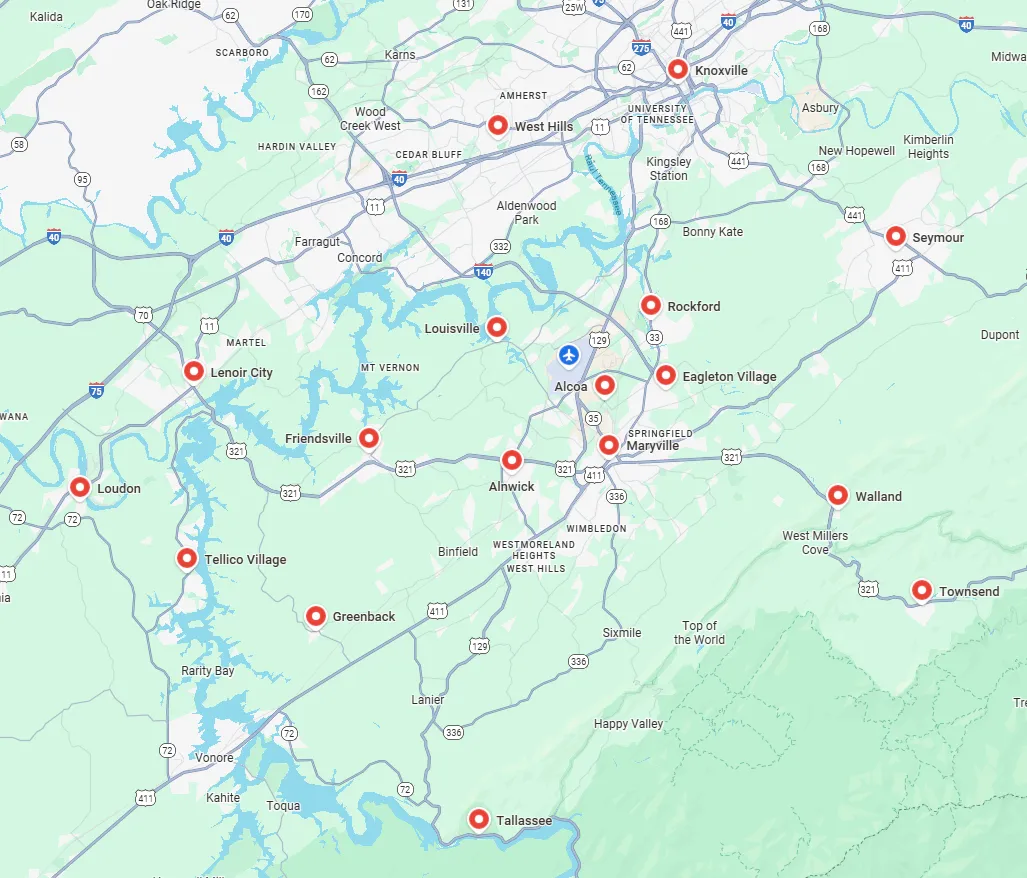
- Proximity allows faster emergency response within Blount, Loudon, Knox, and Sevier vicinity when time matters.
- Understanding of local codes and safety standards to ensure work meets requirements.
Everest Air Heating and Cooling combines family-owned service values with experienced technicians who document work and explain findings in clear terms.
What to expect after a repair
After repair, technicians perform a full verification of system operation, including:
- Performance checks at different setpoints to confirm capacity and stability
- Airflow and temperature differential measurements to confirm cooling/heating is restored
- Leak tests and pressure verification if refrigerant work was performed
- Clean up of work area and removal of replaced parts and shop waste
- Written service report with notes on potential future concerns and maintenance recommendations
Keeping the service report helps you track past repairs and supports future warranty claims.
Frequently asked questions
Q: How long will a diagnostic take and do you charge for it?
A: A thorough diagnostic typically takes one to two hours on site depending on accessibility and the complexity of symptoms. Diagnostic fees cover the time and testing equipment necessary to isolate root causes. The technician will present findings and recommended next steps in writing after the diagnostic.
Q: Can a Mini Split be fixed if the compressor is damaged?
A: Yes, compressors are replaceable. Compressor replacement is a major repair that requires recovering refrigerant, replacing the compressor and associated components, performing vacuum and recharge procedures, and properly testing. In some cases, if the system is older or parts are unavailable, replacement of the outdoor unit or entire system may be a more practical option.
Q: How long will I be without heating or cooling during repairs?
A: Repair time varies by the issue. Minor electrical or control repairs often can be completed the same day. Major refrigerant system repairs, including compressor replacement or extensive line set work, can take a half day to a full day or longer if parts must be ordered. Your technician will outline estimated timelines during the diagnosis.
Q: Will repairing my Mini Split affect the manufacturer warranty?
A: Using OEM parts and following manufacturer-recommended service procedures preserves manufacturer warranty coverage. Everest Air Heating and Cooling documents all work and will advise if any proposed repair could affect existing warranties.
Q: What are the most common causes of Mini Split problems in Lousiville?
A: In Lousiville, common causes include high humidity leading to clogged drains and condensate pump failures, reduced airflow from dirty filters, refrigerant leaks from corroded fittings, electronic control failures from power surges, and mechanical wear from frequent cycling during shoulder seasons.
Q: How often should I schedule maintenance for my Mini Split?
A: Professional maintenance at least once a year is recommended, with two visits per year preferred for systems used heavily in both heating and cooling seasons. Regular maintenance reduces emergency repairs and maintains efficiency.
Q: Can you repair all brands and models?
A: Technicians trained by Everest Air Heating and Cooling service the major brands and many model types of ductless Mini Split systems. If a specific OEM part is required, we will source OEM components as needed and explain any lead times.
Q: What documentation do I receive after a repair?
A: You will receive a written service report detailing diagnostic findings, parts replaced, refrigerant details if applicable, test measurements and suggested follow-up or maintenance actions. Warranty information for replaced parts is also provided when available.
Everest Air Heating and Cooling brings experienced, regionally informed Mini Split repair services to Lousiville, TN homeowners wanting reliable, lasting solutions. With a methodical diagnostic approach, transparent documentation, and a commitment to workmanship and manufacturer warranty adherence, our goal is to restore comfort quickly and prevent repeat failures. Maintaining your Mini Split with timely repairs and seasonal checkups is the best way to protect indoor comfort and system longevity in Lousiville homes.
hear what our satisfied clients have to say

David P.
Service areas