

Mini Split Installation in Lousiville, TN
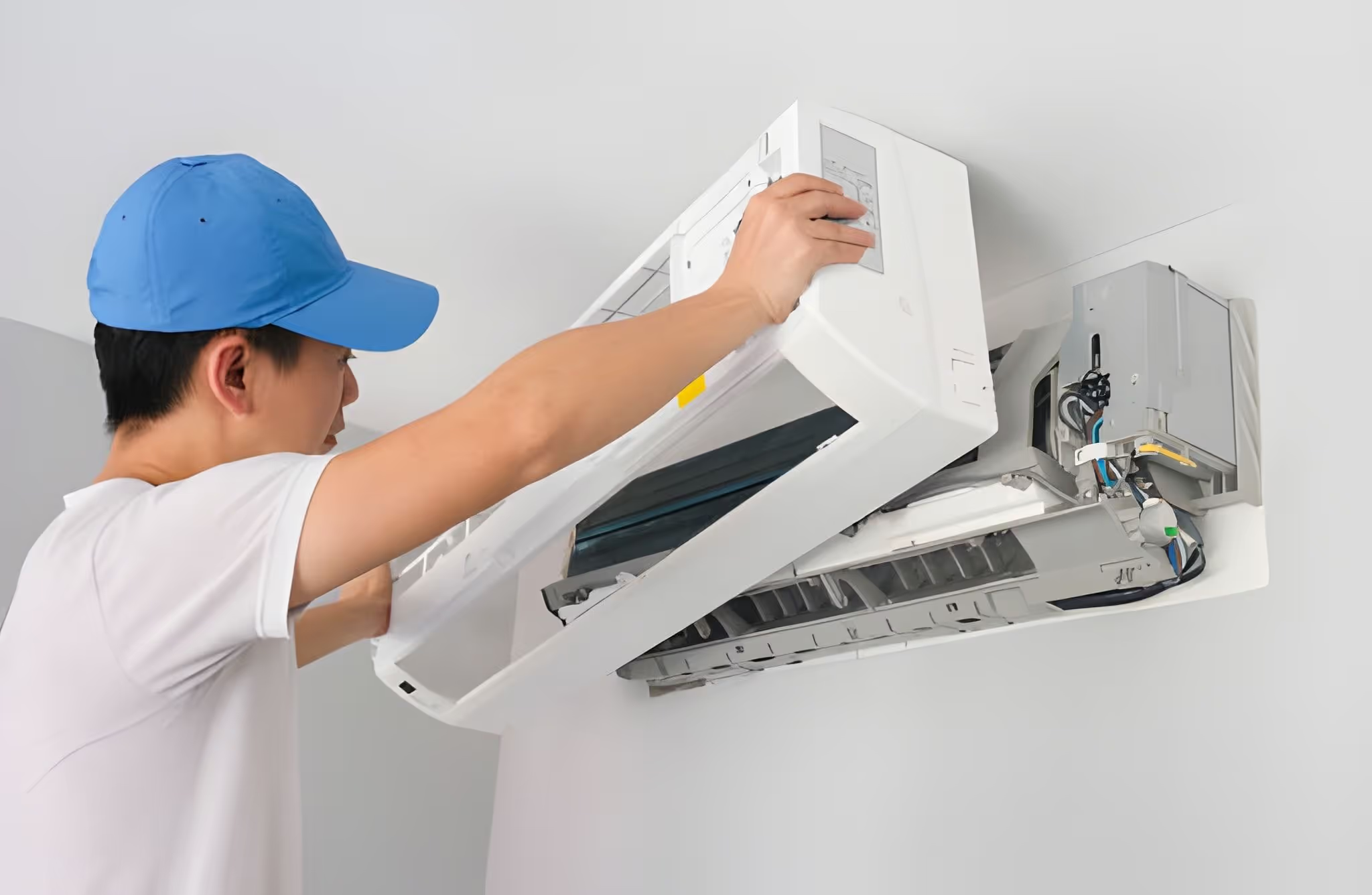
For homeowners and small businesses in Louisville, TN, a Mini Split installation offers a truly smart, energy-efficient solution, perfect for tackling our region's hot, humid summers and variable shoulder seasons. At Everest Air Heating and Cooling, we pride ourselves on bringing experienced, code-conscious installation practices to every ductless project. This ensures your new system is sized correctly, installed to meet all local standards, and perfectly optimized for your comfort and energy efficiency. We're here to walk you through the entire Mini Split installation process, so you know exactly what to expect – from the initial site assessment and load calculations to final testing, understanding your warranty, navigating permits, and getting you fully oriented with your new system.
Why a Mini Split makes sense in Lousiville, TN
Lousiville and surrounding East Tennessee communities face warm, humid summers where traditional central systems must work hard to maintain comfort. Mini Splits offer several advantages for local homes:
- Targeted cooling and heating for rooms that are hard to condition with ducts, such as additions, sunrooms, garages converted to living space, and older homes with limited or inefficient ductwork.
- Zoned control reduces wasted energy by letting you condition only occupied spaces.
- High seasonal energy efficiency ratios (SEER) and inverter-driven compressors that adapt power to load, which helps with both comfort and utility bills during long warm periods.
- Quiet operation inside living spaces, a benefit for bedrooms or home offices.
- Flexible indoor unit styles that work with low ceilings or limited wall space common in historic Tennessee houses.
Everest Air Heating and Cooling understands the regional climate and common local building challenges. We provide installations that consider humidity control, insulation levels, window orientation, and room usage to ensure the system performs reliably year after year.
Common Mini Split applications in Lousiville homes
- Single-room or multi-room additions where extending central ducts is impractical.
- Whole-home ductless conversions for older houses with limited attic or crawlspace for new duct runs.
- Supplemental heating and cooling for basements, finished attics, garages, or sunporches.
- Zoning problems: rooms that are too hot or too cold despite a working central system.
- Small commercial spaces such as offices, studios, retail bays, and waiting rooms.
Typical problems a professional installation solves
- Oversized or undersized systems that short cycle or fail to reach setpoints.
- Improper refrigerant charge leading to poor efficiency and premature wear.
- Inadequate refrigerant line routing that risks leaks and complicates future service.
- Electrical not sized or protected correctly, creating safety concerns and voiding warranties.
- Lack of proper condensate management that leads to water damage or mold risk.
Everest Air addresses these issues with thorough planning, correct component selection, and industry best practices.
Step 1: Site assessment and load calculations
A reliable Mini Split installation starts with a detailed site assessment. Everest Air technicians perform a room-by-room analysis that includes:
- Measuring square footage, ceiling height, window area, and insulation levels.
- Identifying heat sources and occupancy patterns.
- Assessing sun exposure, shading, and window types that affect cooling load.
- Inspecting existing electrical service, breaker capacity, and potential mounting locations for outdoor units.
- Evaluating structural mounting points for indoor units and routing paths for refrigerant and condensate lines.
From this information we run Manual J load calculations to determine accurate heating and cooling requirements. Manual J is the industry standard for sizing HVAC equipment, and correct sizing prevents short cycling, improves humidity control, and prolongs equipment life. In Lousiville, where humidity can drive latent load, we factor latent capacity so your system not only reaches temperature but also keeps relative humidity comfortable.
Step 2: Unit selection and sizing
Unit selection goes beyond a simple tonnage number. We choose systems based on:
- Calculated load for each zone or room.
- Desired indoor unit style and location constraints.
- Efficiency targets for seasonal performance and cost of operation.
- Compatibility with multi-zone outdoor units if you plan to serve multiple rooms from a single condenser.
- Manufacturer features such as variable-speed compressors, dehumidification modes, filtration options, and smart controls.
Sizing considerations unique to Lousiville homes include higher sensible versus latent loads during humid months and lower overnight temperatures in winter. For many projects, an inverter-driven Mini Split sized to the Manual J results delivers the best balance of comfort, humidity control, and running cost.
Step 3: Indoor unit options — wall-mount, floor-mount, or ceiling cassette
Mini Split indoor units come in several styles. Everest Air consults with you on the best aesthetic and functional choice:
- Wall-mounted units: The most common, offering efficient airflow and simple installation on interior walls. Ideal for bedrooms, living rooms, and offices.
- Ceiling cassette units: Installed flush with the ceiling and distribute air in multiple directions. Best for open floor plans, finished basements, and commercial spaces where wall mounting is not practical.
- Floor or low-wall units: Suitable when wall height is limited or for rooms where ceiling installation is impossible.
- Concealed duct units: Small internal units paired with short, flexible ducts to multiple grills for a minimal look while retaining ducted airflow.
We consider room layout, furniture placement, sightlines, and the homeowner’s preference for visible indoor equipment.
Step 4: Refrigerant line and electrical work
Proper refrigerant line and electrical installation are critical to system performance and warranty compliance. Everest Air follows manufacturer and code requirements:
- Refrigerant piping is routed to minimize bends and maintain proper line lengths. Lines are insulated, and protective conduit is used for exterior runs.
- A dedicated electrical circuit or circuits are wired and connected to a correctly sized disconnect near the outdoor unit.
- Outdoor units are mounted on a level pad, wall bracket, or rooftop curb as required for stable operation and proper drainage.
- Condensate lines are routed with an appropriate slope and may include a pump if gravity drain is not possible. We protect penetrations and flash exterior holes to prevent water intrusion.
- A thorough leak test and evacuation with a vacuum pump ensure proper refrigerant system evacuation before charging.
- If converting from existing refrigerant types, we ensure compatibility or recommend replacement equipment that meets current refrigerant standards and regulations.
All electrical and refrigerant work is performed to local electrical code and HVAC code, and Everest Air documents installations in case future permitting inspections require details.
Step 5: Installation timeline and what to expect
Each project is different, but a typical single-zone Mini Split installation in a residential setting usually follows this timeline:
- Day 0: Final planning and delivery of equipment.
- Day 1: Mount indoor unit, drill small penetration through wall or ceiling, install outdoor unit pad or brackets, run refrigerant and condensate lines and electrical conduit.
- Day 1 afternoon to Day 2: Evacuate refrigerant lines, charge system to manufacturer specification, complete electrical connections, and secure all lines and covers.
- Day 2: System start-up, operational checks, and user orientation.
Multi-zone systems or jobs requiring structural modifications, electrical panel upgrades, or permits may extend the timeline to several days. Everest Air provides an estimated schedule based on the site assessment and keeps the approach transparent. Install teams work to minimize dust and disruption and protect flooring and furnishings during work.
Step 6: Permitting and inspections
Most municipalities in Tennessee require permits for HVAC installations, especially if electrical work or new refrigerant lines are involved. Everest Air handles:
- Preparing permit applications and equipment specifications.
- Submitting to local building departments when required.
- Coordinating with inspectors for system sign-off.
Handling permitting upfront avoids delays and ensures installations meet local safety and code requirements. We document permit numbers and inspection results as part of our install paperwork.
Step 7: Warranty, manufacturer coverage, and installer responsibilities
Understanding warranty coverage is essential. There are usually two separate warranties to be aware of:
- Manufacturer warranty: Covers defects in the equipment itself (compressor, circuit boards, fan motors). These terms vary by brand and model and often require registration within a set timeframe.
- Installer workmanship warranty: Covers the quality of installation work performed by Everest Air, such as correct charging, electrical connections, and condensate routing.
Everest Air informs customers about warranty registration requirements, what actions might void warranties (improper DIY repairs, unauthorized service, or failure to maintain), and the importance of regular maintenance to preserve warranty eligibility. We provide documentation showing unit model numbers, serial numbers, and warranty durations. For refrigerant-related work, we follow current EPA rules regarding refrigerant handling and disposal.
Step 8: Post-installation testing and commissioning
A competent installation is validated through systematic testing. Everest Air conducts a comprehensive commissioning checklist that includes:
- Verifying proper refrigerant charge and superheat/subcooling values where applicable.
- Confirming airflow patterns and room temperature delta between supply and return.
- Testing electrical connections for correct voltages and ensuring breakers and disconnects operate properly.
- Checking condensate flow and pump operation when installed, and verifying exterior penetrations are sealed.
- Verifying all indoor units respond to controls and that zone settings operate independently where applicable.
- Performing leak detection using electronic tools to ensure line-set integrity.
- Observing system operation through at least one full cooling and heating cycle when practical to verify stable operation.
This testing ensures your Mini Split performs to manufacturer specifications and delivers the comfort results expected from a properly sized and installed system.
Step 9: User orientation and system controls
After installation and testing, Everest Air provides a hands-on orientation so homeowners understand how to get the most from their new Mini Split:
- How to use remote controls and wall controllers, including scheduling, temperature setpoints, and fan modes.
- Best practices for humidity control and comfort—for example, setting modest setpoints and letting the inverter technology modulate output rather than drastically changing temperatures.
- Maintenance basics: cleaning or replacing filters, basic condensate care, and keeping outdoor units clear of debris and vegetation.
- How zoning works: balancing comfort across rooms and tips for managing multiple indoor units efficiently.
- Troubleshooting basics and when to call a licensed technician for service.
This orientation empowers users to operate the system efficiently while protecting warranty coverage through proper care.
Ongoing maintenance and care
Protect your investment with regular maintenance tailored to the Mini Split design:
- Clean or replace washable filters monthly during heavy use; disposable filters on the schedule the manufacturer recommends.
- Annual professional check-ups that include refrigerant checks, electrical testing, condensate inspection, and performance verification.
- Seasonal inspections before peak cooling and heating seasons, especially important in humid Lousiville summers to ensure dehumidification performance.
- Clearing debris and foliage from around outdoor units and checking for insect nests or rodent damage to wiring and linesets.
Routine maintenance extends equipment life, maintains efficiency, and can prevent small issues from becoming costly repairs.
Benefits specific to Lousiville properties
- Improved comfort in rooms affected by sun exposure from southern or western-facing windows common in local housing.
- Better humidity control during muggy summer months, reducing the feeling of stickiness and protecting wood floors and furnishings.
- A practical solution for older homes where adding or repairing ductwork is cost prohibitive or structurally invasive.
- Reduced energy waste through zoning, especially for households that use certain rooms for work or leisure at different times of day.
- Quiet operation that is ideal for neighborhoods where interior noise reduction is a priority.
Everest Air integrates local home knowledge into system design, recommending configurations that address Lousiville’s climate and typical building construction.
Choosing Everest Air Heating and Cooling for your Mini Split project
Everest Air Heating and Cooling brings a combination of local experience, code knowledge, and customer-focused installation practice. Our approach emphasizes:
- Accurate load calculations and transparent equipment selection.
- Clean, code-compliant refrigerant and electrical installations.
- Thorough commissioning and clear user training.
- Proper handling of permits and documentation.
- Manufacturer-authorized practices that protect warranty coverage.
We understand the specific demands of East Tennessee climate and housing stock, and we plan installs to deliver long-term comfort and performance.
Frequently asked questions
Q: How long does a single-zone Mini Split installation typically take?
A: A straightforward single-zone installation is often completed within one to two days, including mounting indoor and outdoor units, running lines, charging the system, and basic commissioning. Jobs requiring structural work, electrical panel upgrades, or permits can take longer.
Q: Will I need a new electrical panel for a Mini Split?
A: Many modern Mini Splits require a dedicated circuit. If your existing panel has available capacity and the circuit can be installed safely, a full panel replacement is not always necessary. Everest Air assesses electrical capacity during the site evaluation and advises if a panel upgrade is recommended.
Q: Do Mini Splits require regular maintenance?
A: Yes. Homeowners should clean or replace filters regularly, and schedule annual professional maintenance to check refrigerant charge, electrical connections, condensate drainage, and overall system performance.
Q: Can a single outdoor unit support multiple indoor units?
A: Yes. Multi-zone outdoor units are available that can support two to eight indoor units, depending on model. Proper sizing and load calculations for each zone are essential to ensure balanced performance.
Q: Are Mini Splits noisy?
A: Indoor units are designed to be quiet, with many models operating at whisper-quiet levels during low-speed operation. Outdoor units produce sound but are typically sited away from living areas to minimize disturbance.
Q: How does humidity control compare to central air?
A: Properly sized inverter-driven Mini Splits provide good humidity control by running longer at lower power levels, which improves latent removal. However, in extremely humid conditions, additional dehumidification strategies or sizing considerations may be needed.
Q: Will installation require holes in exterior walls?
A: Yes, a small penetration is required to pass the refrigerant and condensate lines and electrical conduit between the indoor and outdoor units. Installers seal and flash the penetration to prevent air or water intrusion.
Q: What permits are required for installation in Lousiville, TN?
A: Permit requirements vary by local jurisdiction. Typically, HVAC and electrical permits are needed for new refrigerant and electrical installations. Everest Air prepares and submits permit paperwork as part of our installation process when required.
Q: How long are warranties on Mini Splits?
A: Warranties vary by manufacturer and model. Most manufacturers offer parts warranties and extended coverage on major components like compressors, while installer workmanship warranties are issued by the installing contractor. Proper registration and regular maintenance are often conditions for full warranty coverage.
Q: Can I use a Mini Split for whole-house conditioning?
A: Mini Splits can be configured for whole-house use with multiple indoor units and a larger multi-zone outdoor unit, but system design must account for load, zoning, and distribution to ensure even comfort. In some homes, a hybrid approach combining central systems and ductless zones is the most efficient solution.
Everest Air Heating and Cooling treats each Mini Split installation with a homeowner-first approach: precise calculations, careful installation, and clear documentation to protect your investment and ensure lasting comfort in Lousiville, TN homes. If you are considering a ductless solution, this page outlines what professional installation entails so you can make an informed decision that matches your home and lifestyle.
hear what our satisfied clients have to say

David P.
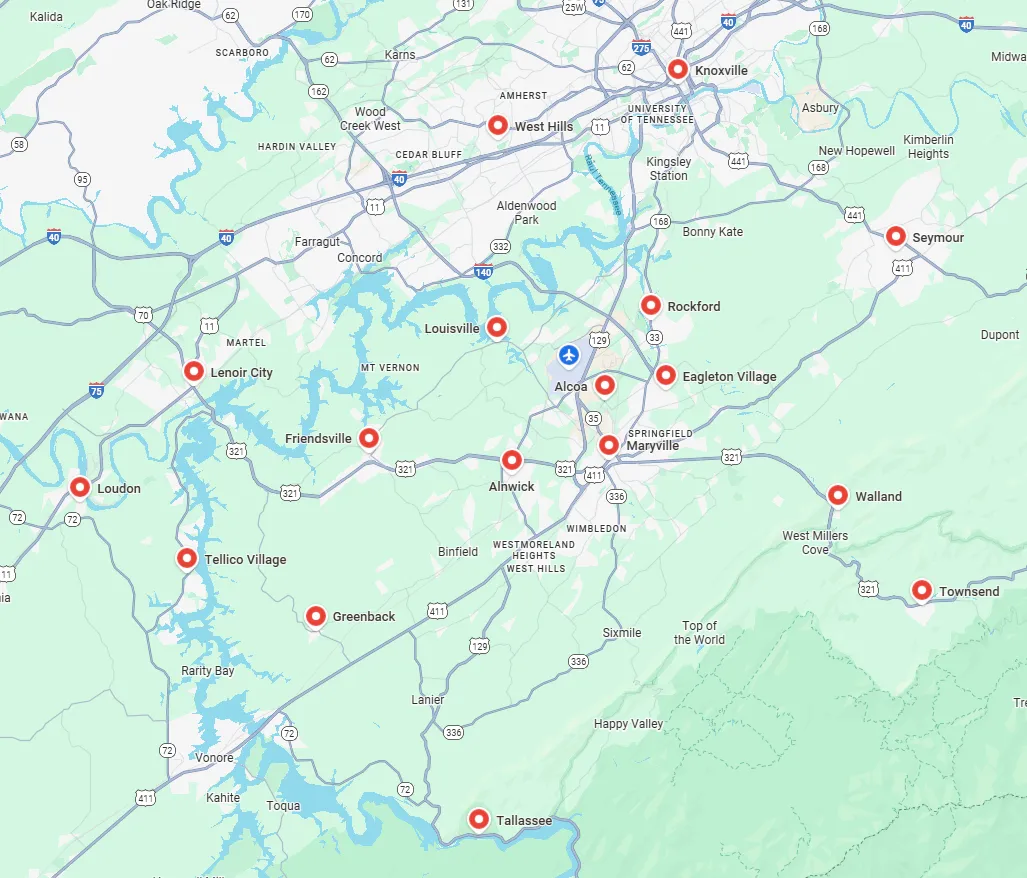
Service areas